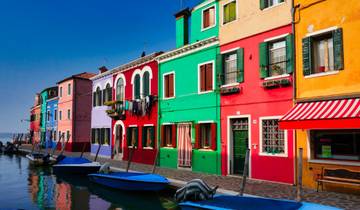
In 1908, Claude Monet arrived in Venice with a heavy heart and a suitcase full of skepticism. He initially dismissed the city as a "cliché," a place too beautiful to be painted with any shred of originality. Yet, the Adriatic light, dancing across 118 islands and refracting through more than 400 bridges, proved irresistible. He stayed for months, eventually capturing 37 canvases that redefined how the world sees the floating city.
Today, as we look toward the 2025 cultural season, Venice remains what I call a "Living Laboratory." It is a city that refused to become a museum, choosing instead to be a canvas for contemporary experiments in architecture, climate science, and gastronomy. For the modern traveler, the "Best of Venice" is found in this tension between the ancient and the avant-garde.
The 2025 Cultural Shortlist:
- World-Class Art: The 19th International Architecture Exhibition (Biennale), the Peggy Guggenheim Collection, and the climate-conscious Ocean Space.
- Authentic Dining: The cicchetti ritual at Cantina Do Mori (est. 1462) paired with a Select Aperitivo.
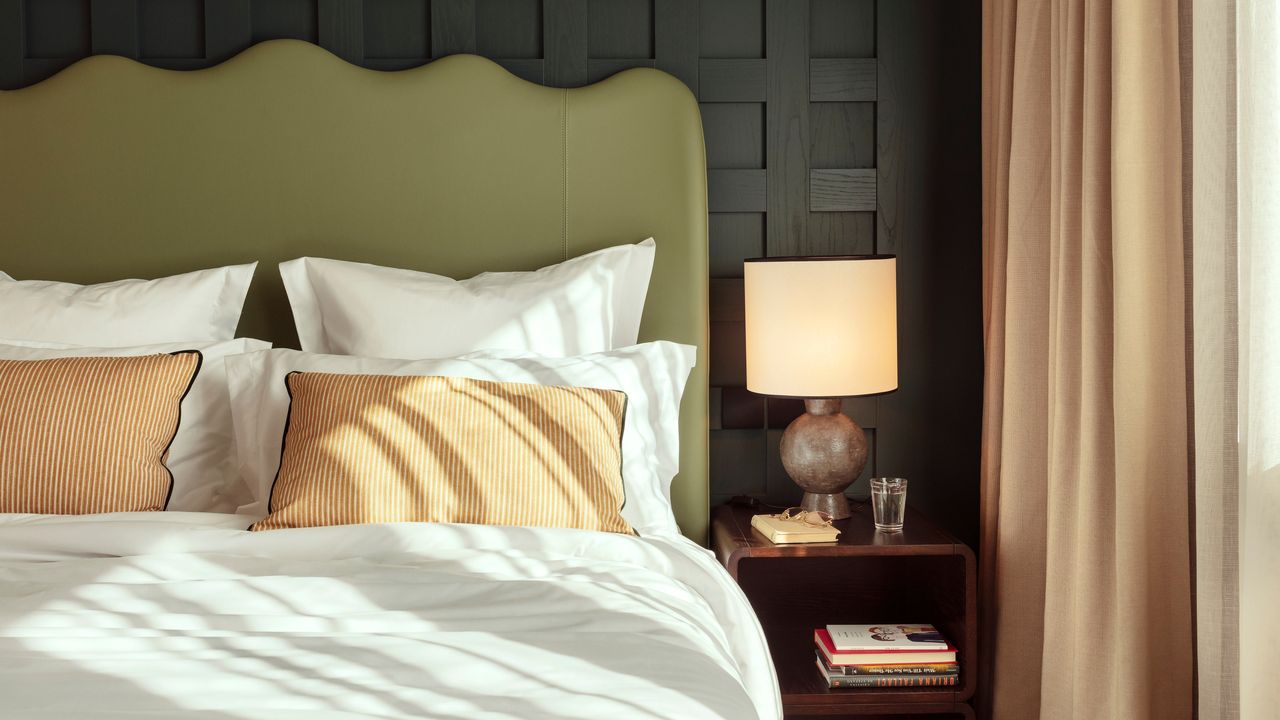
- Luxury Stays: The "Postvenezianità" of The Venice Venice Hotel or the Monet-inspired suites at the St. Regis Venice.
1. See: Beyond the Classics – Modernism and the 2025 Biennale
While the Renaissance masters command the Accademia, Venice’s contemporary pulse beats strongest in its reimagined spaces. The Peggy Guggenheim Collection, housed in the unfinished Palazzo Venier dei Leoni, remains the city’s most intimate sanctuary for modernism. Here, Pollock and Dalí reside in the former home of a woman who quite literally saved modern art during the city's darker decades.
For 2025, the centerpiece is undoubtedly the 19th International Architecture Exhibition (Venice Biennale). This year, the exhibition expands its footprint, featuring 66 national participants across the historic Giardini and the cavernous Arsenale. Most notably, for the first time, the Biennale is bridging the lagoon to the Forte Marghera mainland location, emphasizing a new era of connectivity and urban dialogue.
Beyond the formal Biennale venues, Ocean Space, located in the 9th-century Church of San Lorenzo, offers a hauntingly beautiful intersection of art and science. This platform focuses on climate-centric installations, a poignant choice for a city that exists at the mercy of rising tides.
Essential Art Stops
- The Peggy Guggenheim Collection: Best for 20th-century masterpieces and Grand Canal views.
- Punta della Dogana: Tadao Ando’s minimalist restoration of the old customs house, now hosting the Pinault Collection.
- The Arsenale: A sprawling complex of pre-industrial shipyards that now houses the most ambitious large-scale installations of the Biennale.
Book Biennale Tickets 4-6 Weeks Early →
2. Eat: The Cicchetti Ritual and the Original Spritz
To eat like a Venetian is to master the art of the "bacaro tour." Instead of a formal three-course sit-down lunch, seek out the bacari—dimly lit wine bars where the locals gather for cicchetti (Venetian small plates) and an ombra (a small glass of wine).
The quintessential stop is Cantina Do Mori, tucked away near the Rialto Bridge since 1462. There are no seats here, only copper pots hanging from the ceiling and a counter laden with francobolli (small sandwiches) and baccalà mantecato (creamy whipped cod on polenta).
The drink of choice must be the Venetian Spritz. While the world has embraced Aperol, the true Venetian standard is Select Aperitivo. Created in 1920 in the Castello district, it offers a more complex, bittersweet botanical profile. A proper Select Spritz is always garnished with a large green olive, providing a briny counterpoint to the ruby-red liqueur.

For a modern twist, visit Osteria Giorgione da MASA in Cannaregio. Here, Chef Masahiro Homma weaves Japanese precision with Venetian lagoon ingredients—think shimmering sashimi-grade fish caught that morning at the Rialto market, seasoned with local sea salt and bitter radicchio from Treviso.
The Bacaro Checklist
- All'Arco: For the freshest seasonal toppings (try the castraure or violet artichoke sprouts in spring).
- Vino Vero: A contemporary wine bar in Cannaregio focusing on natural wines.
- Cantine Isola: Located in the old Jewish Ghetto, perfect for a quiet glass of Prosecco.
3. Stay: Stays that Double as Galleries
In Venice, the hotel is no longer just a place to sleep; it is an extension of the city’s artistic heritage. Three properties currently lead the "Venetian Renaissance" in hospitality.
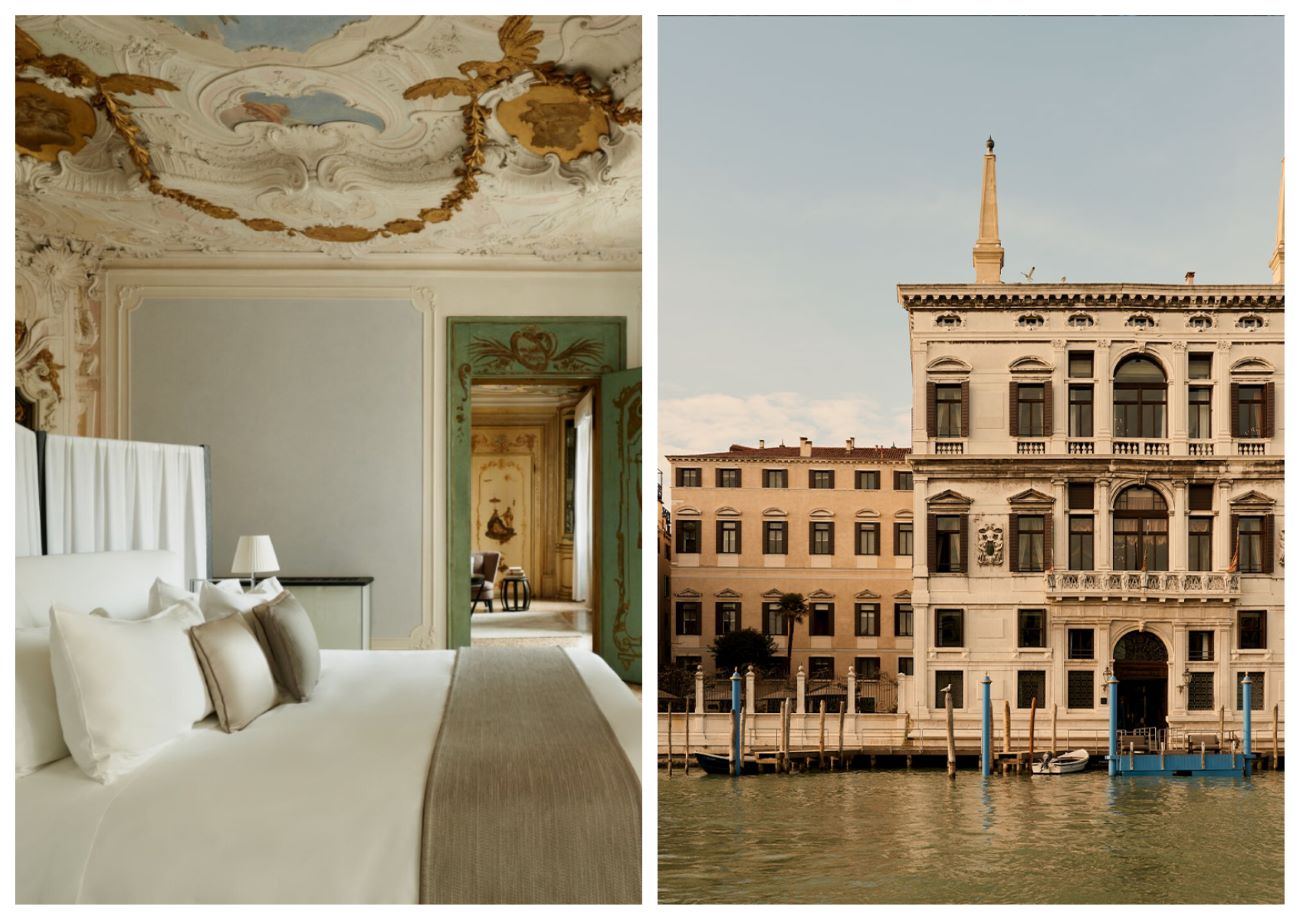
The Venice Venice Hotel is perhaps the most ambitious. Located in the 13th-century Palazzo Ca' da Mosto, its philosophy of "Postvenezianità" challenges the "Disney-fication" of the city. The interiors are a provocative mix of raw Byzantine stone and radical contemporary art. It even boasts the city’s only ensuite private pools overlooking the Grand Canal.
For those who wish to walk in the footsteps of the Impressionists, the St. Regis Venice offers Monet-inspired suites. The palette of these rooms shifts with the light, mimicking the shimmering pinks and blues of Monet’s canvases. Their garden is also the finest spot in the city for a sunset cocktail.
Finally, Violino d’Oro offers a more intimate, residential feel. It is a love letter to Italian craftsmanship, featuring original Venini chandeliers, Rubelli fabrics, and an extraordinary collection of mid-century Italian art. It feels less like a hotel and more like the palazzo of a very cultured, very wealthy friend.
Explore The Venice Venice Hotel →
4. Play: Artisan Shopping and Local Secrets
To find the soul of Venice, one must look at the hands of its artisans. In an era of mass production, Venice still harbors masters of slow craft.
Luigi Bevilacqua srl is a living time capsule. This weaving workshop still uses 18th-century looms to produce soprarizzo (handmade velvet). These are the same fabrics found in the Vatican and the royal palaces of Europe. Watching the rhythmic dance of the weavers is as much a cultural experience as visiting any gallery.
For a more modern keepsake, visit In Barberia. This custom eyewear shop hand-carves frames from acetate and wood, ensuring that no two pairs are alike. It represents the "New Venice"—artisanal, bespoke, and fiercely independent.
The Rialto Market remains the city's beating heart. Arrive at 7:30 AM to witness the arrival of the "zero-kilometer" produce from the island of Sant’Erasmo. The energy here, among the piles of shimmering lagoon fish and violet artichokes, is the ultimate antidote to the midday tourist rush.
5. Practical Logistics for the Art Traveler
Navigating Venice requires a shift in tempo. The city is best experienced on the water, but the costs can vary wildly. Understanding the hierarchy of transportation is key to a seamless trip.
Transportation & Dining: Budget vs. Luxury
| Category | Budget / Local Option | Luxury / Exclusive Option |
|---|---|---|
| Water Transport | Traghetto: A €2 crossing of the Grand Canal in a shared gondola at specific points. | Private Water Taxi: €120 - €150 for a sleek wooden mahogany boat arrival. |
| Daily Commute | Vaporetto Pass: €25 for 24 hours of unlimited lagoon travel. | Private Gondola: €90 - €150 for a 30-minute private tour. |
| Art Access | Biennale Early Bird: Discounted tickets if purchased 3 months in advance. | Private After-Hours Tour: Bespoke tours of the Doge’s Palace or Peggy Guggenheim. |
| Dining | Bacaro Tour: €15 - €25 for several cicchetti and glasses of wine. | Michelin Dining: €200+ per person at Glam or Oro. |

Strategic Timing Tips
- The 10 AM Rule: By 10 AM, the main arteries between San Marco and Rialto become congested. Use this time to explore the quieter sestieri of Cannaregio or Castello.
- Winter Magic: Visiting in January or February (outside of Carnival) allows for easier reservations at Michelin-starred spots like Ristorante Local and a more melancholic, authentic atmosphere.
- Booking Timeline: For the Doge's Palace "Secret Itineraries" tour or peak Biennale weekends, secure your tickets at least 4-6 weeks in advance.
FAQ: Planning Your 2025 Cultural Trip
What is the best way to see the 2025 Architecture Biennale? Start early at the Giardini to see the national pavilions, then take the vaporetto to the Arsenale for the curated international exhibition. If you have an extra day, the new location at Forte Marghera offers a fascinating look at how the Biennale is engaging with the mainland.
Is the Venice Entry Fee still in effect for 2025? Yes, on specific high-traffic days, day-trippers are required to pay a €5 access fee. However, if you are staying overnight in a hotel within the city, you are exempt but must still register for a QR code.
Can I find authentic food near San Marco? It’s difficult but not impossible. Avoid any place with "Tourist Menu" signs or photos of food. Walk five minutes toward the Castello district to find spots like Vini da Gigio or Enoteca Cavatappi for a more local experience.
Join the Venetian Renaissance
Venice is not a city to be "checked off" a list; it is a city to be absorbed through the soles of your shoes and the rim of a wine glass. Whether you are standing before a towering installation at the Arsenale or sharing a plate of cicchetti with a gondolier at Cantina Do Mori, you are participating in a 1,500-year-old experiment in beauty.
As you plan your 2025 journey, remember Monet’s transformation. Allow the city to surprise you. Move slowly, drink the Select Spritz, and let the lagoon light redefine your perspective.