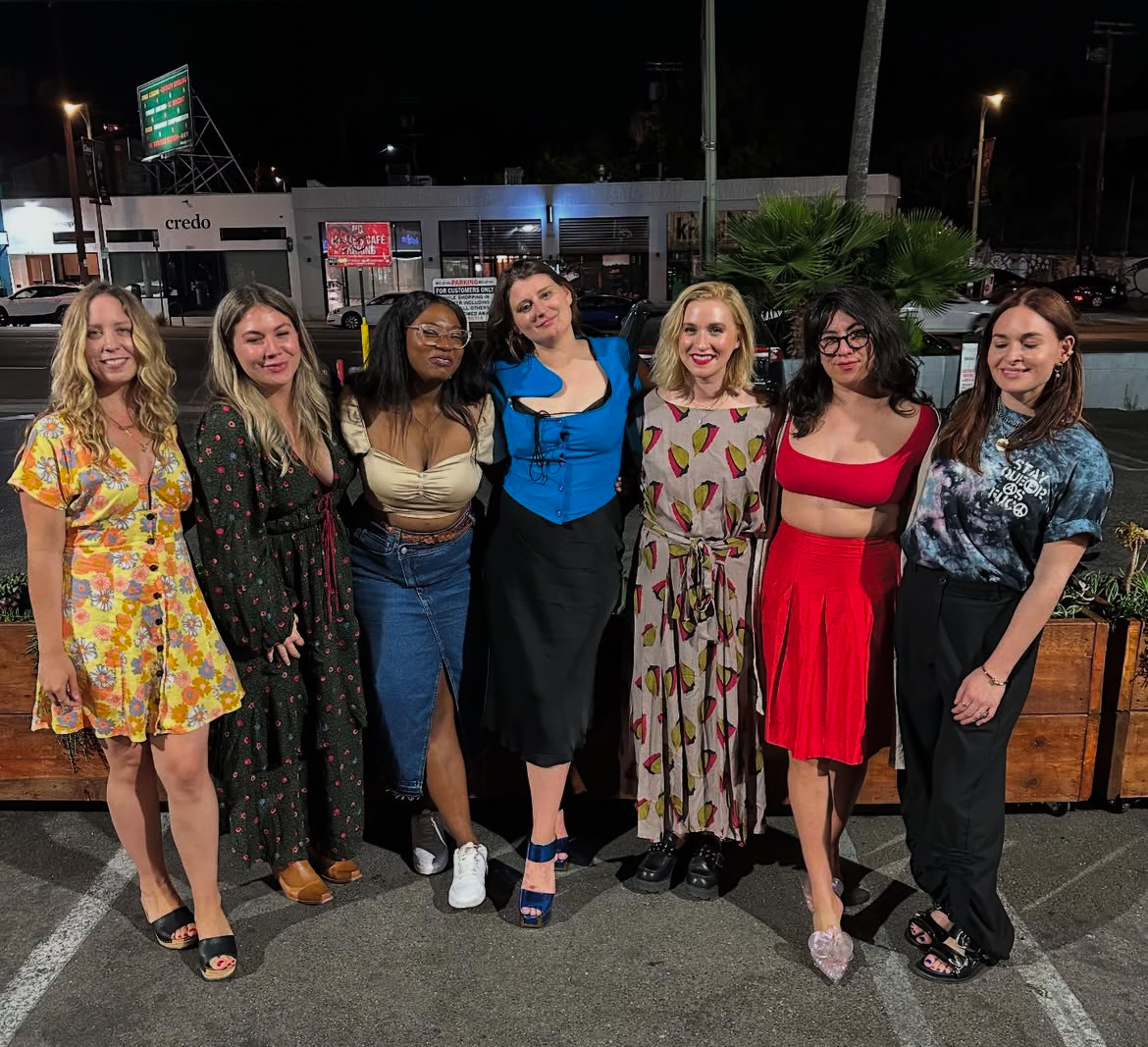
The sun dips below the Santa Monica Mountains, casting a bruised purple glow over the asphalt of a nondescript strip mall on Sunset Boulevard. At 8:00 PM, the smell of exhaust from Silver Lake traffic mingles with the briny scent of natural orange wine and the savory, fried aroma of popcorn chicken. This is the sensory threshold of The Ruby Fruit. Here, in a space smaller than a standard studio apartment, Los Angeles rediscovered something it hadn't seen in nearly a decade: a permanent, unapologetic home for the sapphic community.
The Ruby Fruit is a self-described "sapphically-inclined" wine bar and restaurant that, since its opening in February 2023, has functioned as a vital sanctuary for lesbian, nonbinary, and trans individuals. Situated in the heart of Silver Lake, it effectively ended a six-year drought of permanent lesbian spaces in the city, becoming one of only two such establishments in a metropolis of nearly four million people. It is a venue that masterfully navigates the transition from a quiet morning coworking hub to a high-energy "street party" atmosphere that spills into the adjacent parking lot.
The Space: Intimacy in a Strip Mall
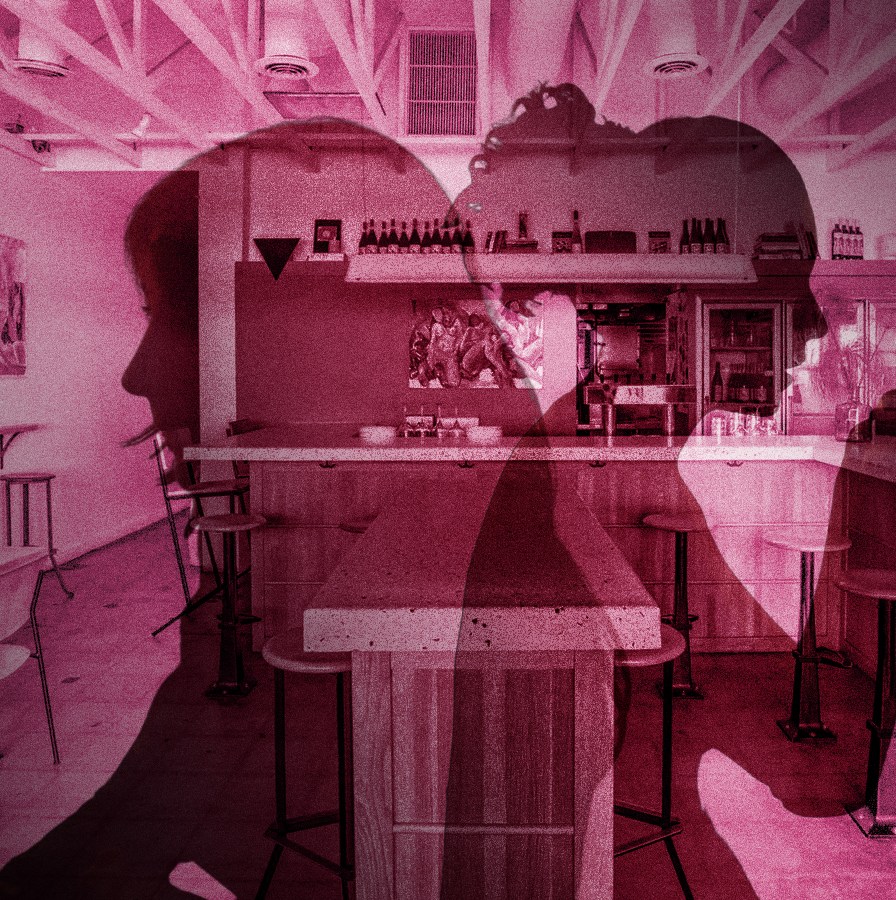
The architectural reality of The Ruby Fruit is a masterclass in community-focused design. Operating within a footprint of less than 500 square feet, the venue forces an intentional intimacy. There are no private booths or secluded corners; instead, the space is anchored by shared terrazzo counters and stacked seating that encourages—if not necessitates—conversation with one’s neighbor.
The name itself serves as a literary shibboleth. It is a direct homage to Rubyfruit Jungle, Rita Mae Brown’s seminal 1973 coming-of-age novel. For the initiated, the name signaled a specific brand of intellectual, defiant queer identity. By claiming this space in a Sunset Boulevard strip mall, owners Emily Bielagus and Mara Herbkersman didn't just open a bar; they staked a claim in a neighborhood that has historically been the epicenter of LA’s queer life but has seen its radical spaces steadily sanitized by gentrification.
Quick Facts: The Ruby Fruit at a Glance
| Metric | Detail |
|---|---|
| Opening Date | February 2023 |
| Square Footage | < 500 sq. ft. |
| Concept | Sapphically-inclined wine bar & restaurant |
| Location | 3510 Sunset Blvd, Silver Lake, LA |
| Historical Context | First permanent LA lesbian bar since 2017 |
| Closure Date | January 11, 2025 |
Daytime Coffee to Nighttime Natural Wine
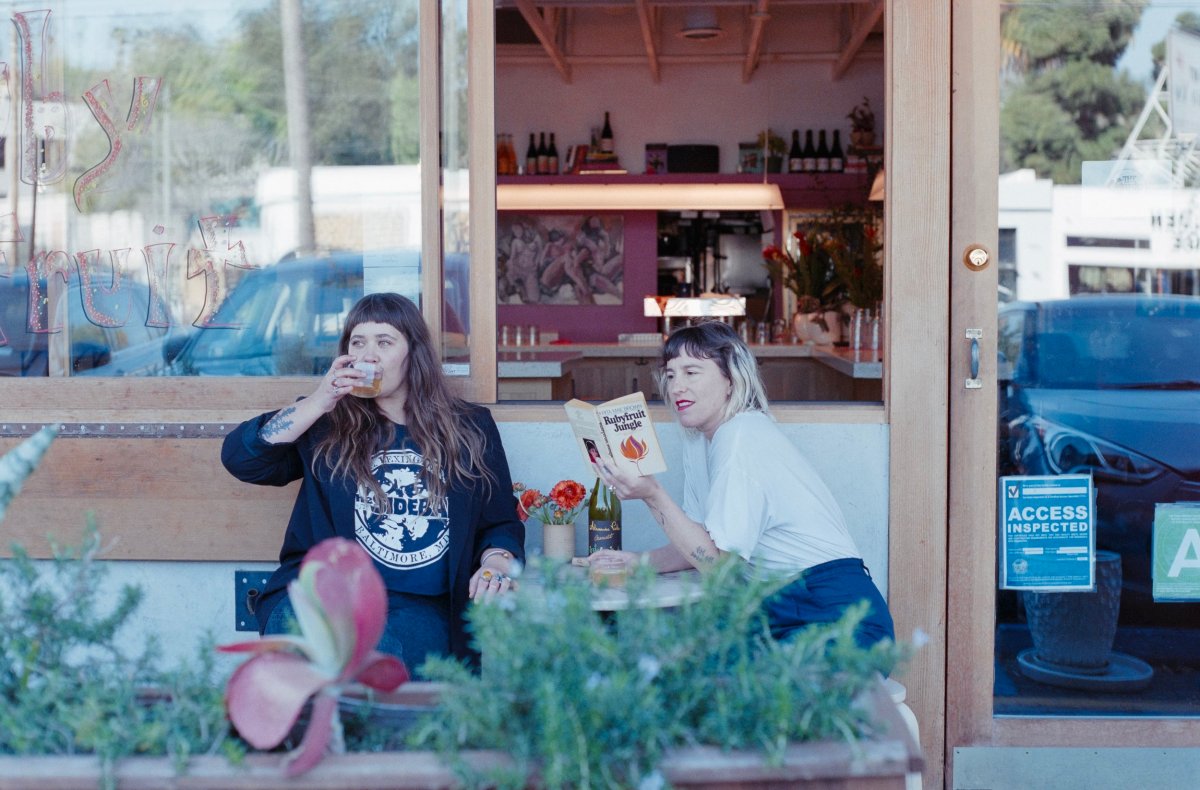
The Ruby Fruit’s operational model was designed to mirror the rhythms of the modern queer creative. In the mornings, the bar functioned as a soft-lit sanctuary for writers and freelancers, offering high-quality coffee and a quiet environment for coworking. However, as evening approached, the "sapphic street party" vibe took hold.
The beverage program leaned heavily into the "low-intervention" movement, featuring a curated selection of natural wines that appealed to a demographic increasingly wary of mass-produced labels. For those seeking something less pretentious, the "Champagne of Beers"—Miller High Life—was always chilled and available, creating a balanced menu that felt both elevated and accessible.
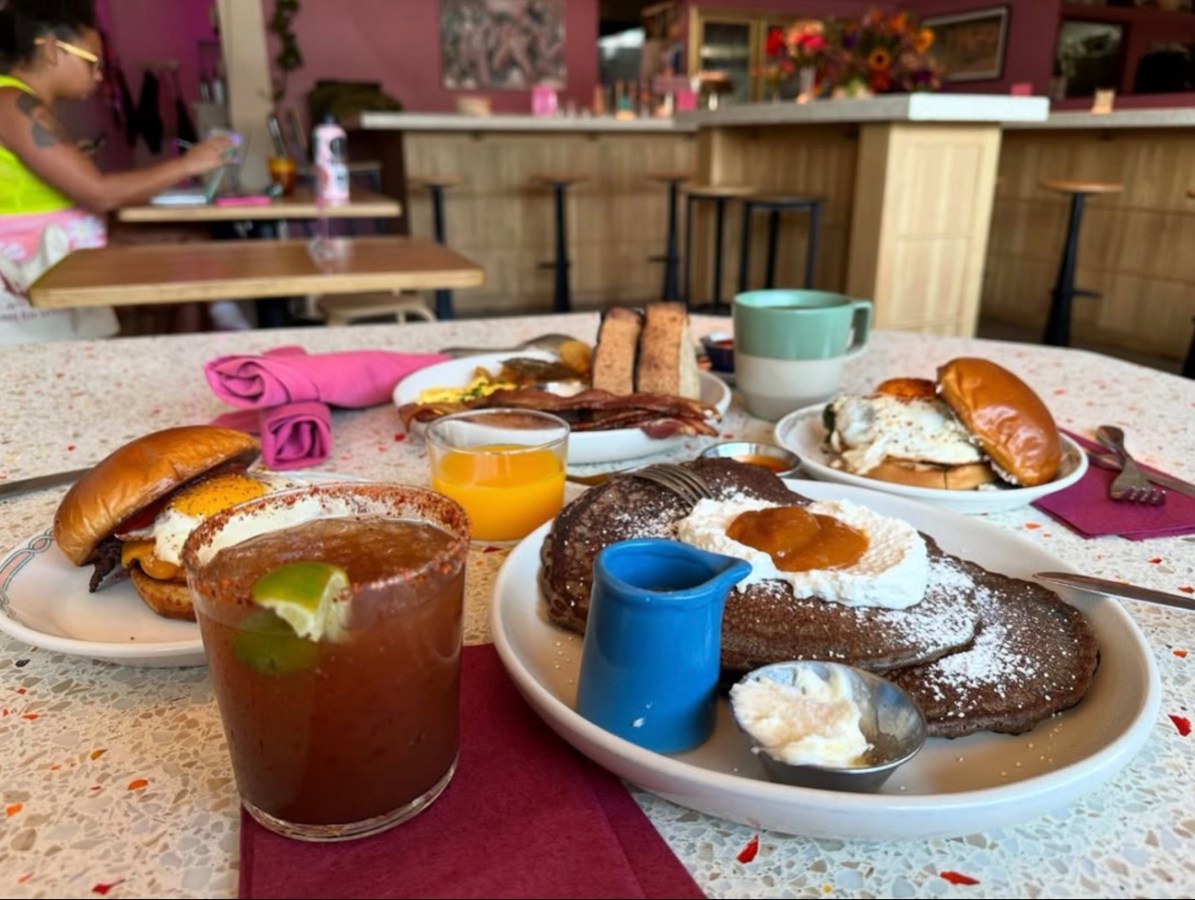
The culinary offerings, managed with surprising efficiency given the kitchen's size, focused on elevated comfort food. The menu featured:
- Signature Popcorn Chicken: Often cited as the bar's "must-order" item, served with specialized dipping sauces.
- Vegan Hot Dogs: A nod to the community’s diverse dietary preferences.
- Miso-Tahini Salads: Providing a lighter, sophisticated alternative to standard pub fare.
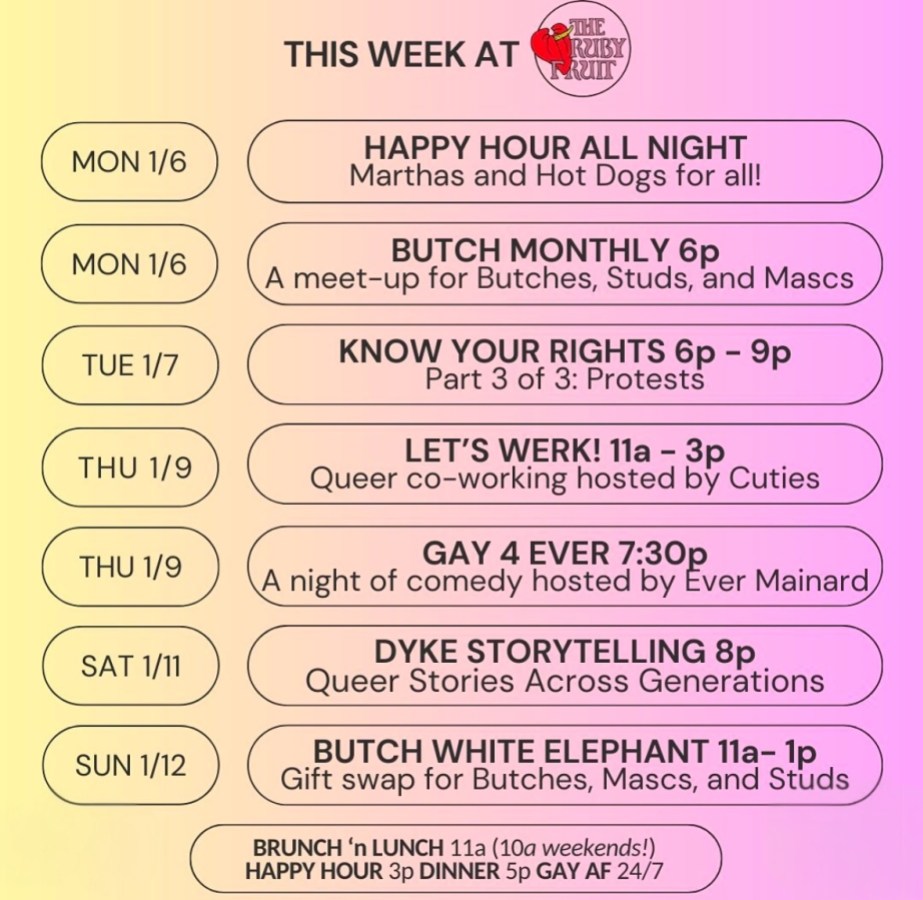
The programming at The Ruby Fruit was arguably its greatest asset. It wasn't just a place to drink; it was a cultural incubator. Weekly events transformed the small room into a stage for diverse expressions of queer identity:
- Queereoke: A high-energy take on traditional karaoke that prioritized safety and inclusivity.
- TRANScendent Tuesdays: Dedicated nights celebrating the trans community, offering a specific refuge within the broader sapphic umbrella.
- Verse4Verse Poetry: A monthly salon that brought the neighborhood’s literary roots back to the forefront.
January 2025: Why Did The Ruby Fruit Close?
Despite its cultural success and seemingly constant crowds, the financial foundations of The Ruby Fruit were under immense pressure. On January 11, 2025, the bar abruptly shuttered its doors, leaving the community in shock. As a travel and hospitality critic, I’ve seen many "it-spots" vanish, but the closure of The Ruby Fruit serves as a sobering case study on the fragility of queer-owned small businesses.
According to owners Emily Bielagus and Mara Herbkersman, the closure was the result of a "perfect storm" of external factors. While the bar often looked full, the "math just wasn't mathing" against the rising costs of operation in Los Angeles.
Timeline of the Closure
- Late 2023 - 2024: Prolonged recovery period following the SAG-AFTRA and WGA strikes, which severely impacted the disposable income of the Silver Lake creative community.
- Late 2024: Devastating wildfires in the Los Angeles area affected local supply chains and reduced foot traffic during crucial holiday windows.
- January 6, 2025: Owners privately informed staff of the impending closure.
- January 11, 2025: The Ruby Fruit officially ceased operations as a wine bar.
The Reality Behind the Brand: Staff Allegations and Community Response
While the public narrative of the closure focused on economic hardship, an internal rift began to surface. Several former staff members came forward with allegations that painted a different picture of the "sapphically-inclined" utopia. These reports included claims of "performative inclusivity," where the branding of the bar allegedly didn't match the lived experience of its workers.
The debate centered on several key points of contention:
- Labor Practices: Allegations of inconsistent scheduling and a lack of transparency regarding the business's financial health prior to the sudden closure.
- The DEI Debate: The choice of the term "sapphically-inclined" over "lesbian bar" was a point of tension. While intended to be inclusive of nonbinary and trans individuals, some BIPOC and trans patrons felt the label was used as a marketing tool rather than a deeply rooted commitment to intersectionality.
- The GoFundMe Controversy: Shortly after the closure, two separate fundraisers appeared. One was organized by the owners to help settle business debts and potentially "reimagine" the space; the other was organized by the staff to cover lost wages and emergency expenses. The community's divided support between these two funds highlighted a growing skepticism toward "community spaces" that are not worker-owned.
"The loss of a queer space is always a tragedy, but we must ask: who was the space actually for? If the workers who created the 'vibe' aren't protected, the community hasn't actually gained anything sustainable." — Excerpt from a community open letter.
The Future of 3510 Sunset Blvd
As of mid-2025, the windows of 3510 Sunset Blvd remain papered over, but the spirit of the space has not entirely vanished. For a period, the kitchen transitioned into Coco’s to Go-Go, a relief kitchen operation providing meals to those displaced by the regional wildfires. This shift toward mutual aid suggests a potential path forward for the location, even if the "wine bar" iteration is permanently dissolved.
Emily and Mara have remained largely out of the public eye since the January closure, stating only that they are taking time to "regroup and reflect." Whether The Ruby Fruit will see a 2.0 version—perhaps under a worker-led or nonprofit model—remains to be seen.
FAQ
Why was The Ruby Fruit called 'sapphically-inclined' instead of a lesbian bar? The owners used the term "sapphically-inclined" to explicitly welcome a broader spectrum of the queer community, including nonbinary, gender-nonconforming, and trans individuals who might not personally identify with the label "lesbian" but share a similar attraction and community experience.
What was the capacity of The Ruby Fruit? The interior was extremely small, under 500 square feet, which usually limited indoor occupancy to about 25-30 people. However, the venue utilized its outdoor parking lot space for "street parties," allowing for much larger community gatherings of several hundred people.
Is there another lesbian bar in Los Angeles now that The Ruby Fruit has closed? Yes, The Pinky Minky (formerly The Semi-Tropic on certain nights) and The Honey Pot pop-ups continue to serve the community. However, The Abbey and Mother Lode in West Hollywood remain the most prominent queer spaces, though they cater to a more general LGBTQ+ audience.
Witness the Evolution of LA’s Queer Scene
The story of The Ruby Fruit is a testament to the immense desire for dedicated queer spaces and a warning about the economic hurdles they face. While the physical bar on Sunset Blvd may be closed, the community it gathered remains more active than ever. Stay updated on future pop-ups and new venue openings by following the Silver Lake queer collective.