There is a specific kind of magic that occurs when the hum of a private helicopter settles into the rhythmic pulse of the jungle. From a thousand feet above, Panama reveals itself not just as a geographical bridge between two oceans, but as a sprawling, emerald tapestry. With over 13 million acres of biodiverse rainforest—home to more than 2,000 species of butterflies—and 1,800 miles of coastline, this is no longer just a maritime trading post. It has become the world’s most compelling frontier for sustainable sophistication.
The new Panama is a destination defined by "The Shift"—a movement away from traditional gold-leaf luxury toward a more profound, "quiet" opulence rooted in environmental stewardship. For the modern traveler, this means retreating to off-the-grid island lodges that utilize 100% solar energy and rainwater harvesting without sacrificing a single thread-count of comfort. To experience Panama in style is to navigate the historic, cobblestoned charm of Panama City's Casco Viejo before escaping to the clandestine luxury of private island preserves. Whether it is the solar-powered overwater villas of Nayara Bocas del Toro or the ultra-exclusive Islas Secas, which limits its footprint to just 24 guests across a 14-island archipelago, Panama offers a blueprint for how we will travel tomorrow.
Phase 1: Panama City – Colonial Elegance and Urban Pulse
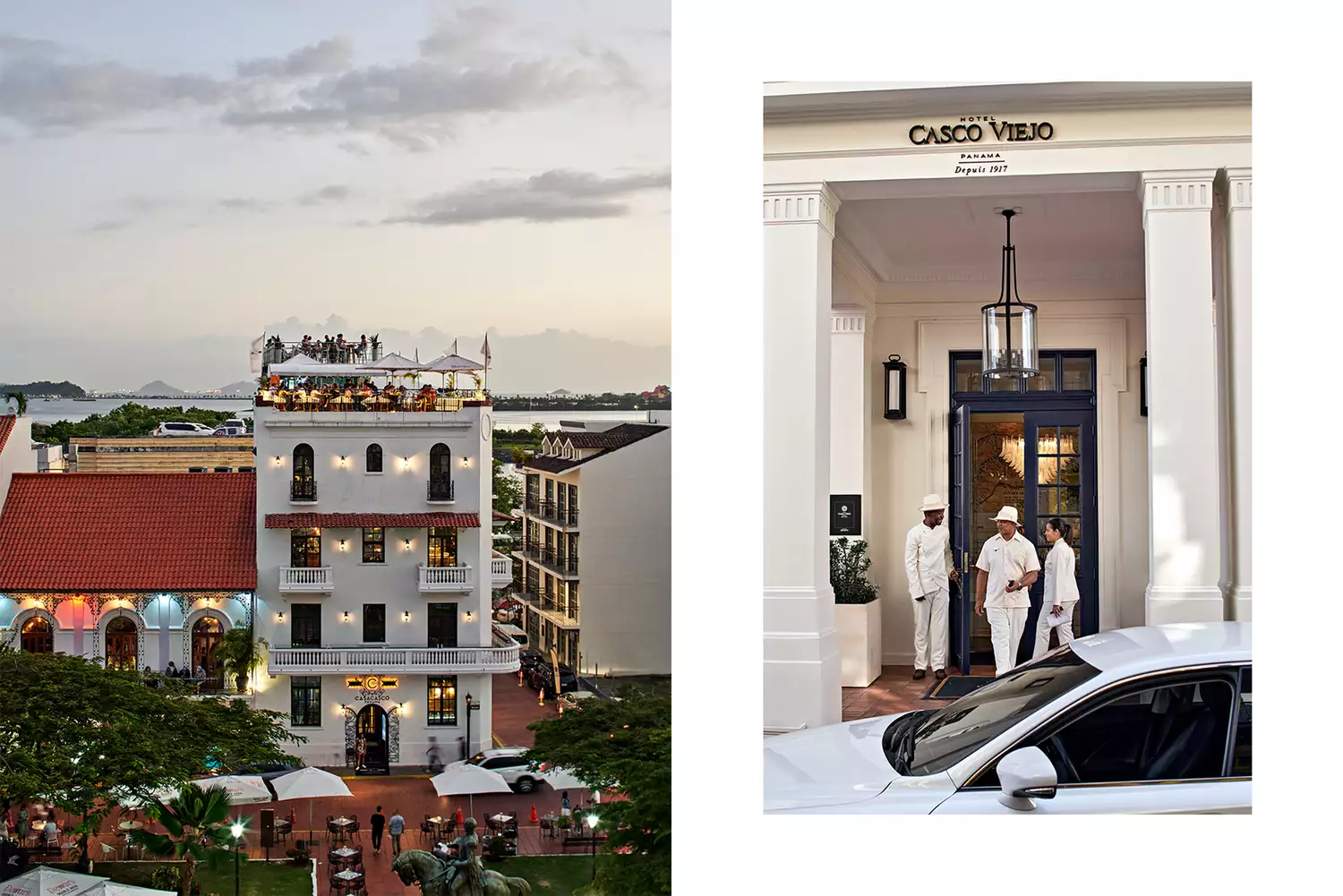
Before the calls of the wild pull you toward the coast, one must surrender to the seductive rhythm of Panama City. While the skyline is a shimmering forest of glass and steel—reminiscent of a tropical Dubai—the soul of the city resides in Casco Viejo. This UNESCO World Heritage district is a labyrinth of Spanish colonial architecture, where bougainvillea spills over wrought-iron balconies and the scent of roasted Geisha coffee hangs heavy in the humid air.
For those who demand history with their high-end amenities, the Sofitel Legend Casco Viejo is the undisputed crown jewel. Built on the site of the former Union Club—once the social heart of Panama's elite—the hotel manages to preserve its storied past while offering a French-infused contemporary elegance. Here, a sunset cocktail on the terrace isn't just a drink; it’s a front-row seat to the ships queuing for the Panama Canal, framed by the city's neon silhouette.
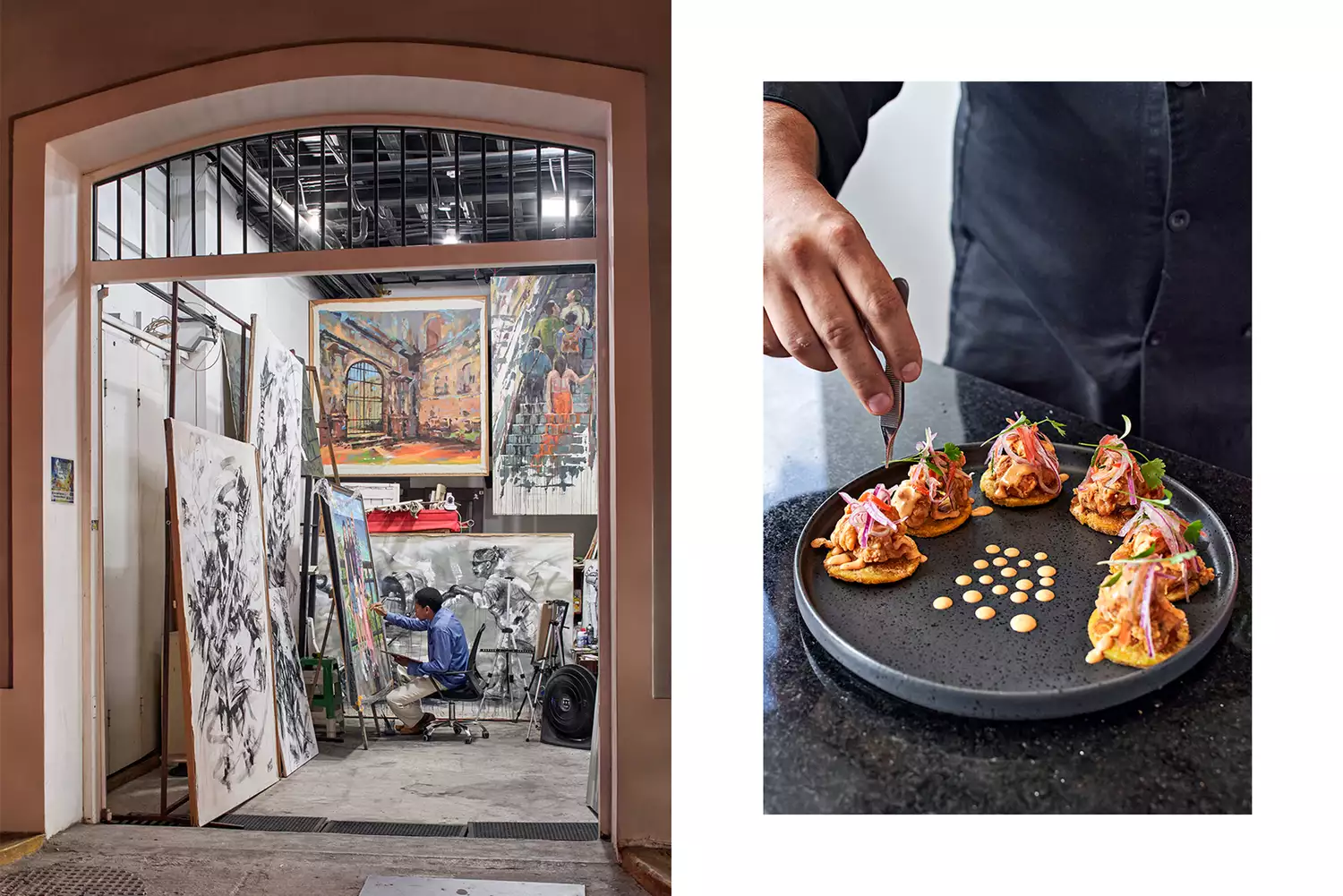
The city’s culinary renaissance is equally intoxicating. At Maito, Chef Mario Castrellón has created a temple to Panamanian flavors, earning a permanent spot on the "World’s 50 Best" lists. For a more visceral, soulful experience, Fonda Lo Que Hay offers a playful, elevated take on local staples. These are not merely meals; they are sensory explorations of the country’s diverse terroir.
Editor’s Choice: The Canal via Private Yacht While most view the Panama Canal from the Miraflores Locks, the true luxury experience is a private yacht transit. Navigating through the Gatun Lake at dawn, surrounded by the cacophony of the rainforest, offers a perspective of this engineering marvel that few ever witness.
Phase 2: Bocas del Toro – Overwater Indulgence and Mangrove Preserves
A short private air charter from the city transports you to the Caribbean side of the isthmus: the Bocas del Toro archipelago. This is a land of salty-sweet air, turquoise waters, and a lifestyle that moves at the speed of a drifting coconut.
The definitive destination here is Nayara Bocas del Toro. Located on Frangipani Island, this resort has redefined the overwater villa experience. These are not your typical Maldivian clones; they are architectural marvels powered entirely by the sun. The villas feature glass floor panels to view the vibrant marine life below, but the true conversation starters are the Elora Hardy-designed Treehouses. These whimsical yet sophisticated structures are elevated 50 feet above the jungle floor, crafted from sustainably harvested bamboo and local hardwoods, offering a literal "bird’s-eye view" of the canopy.
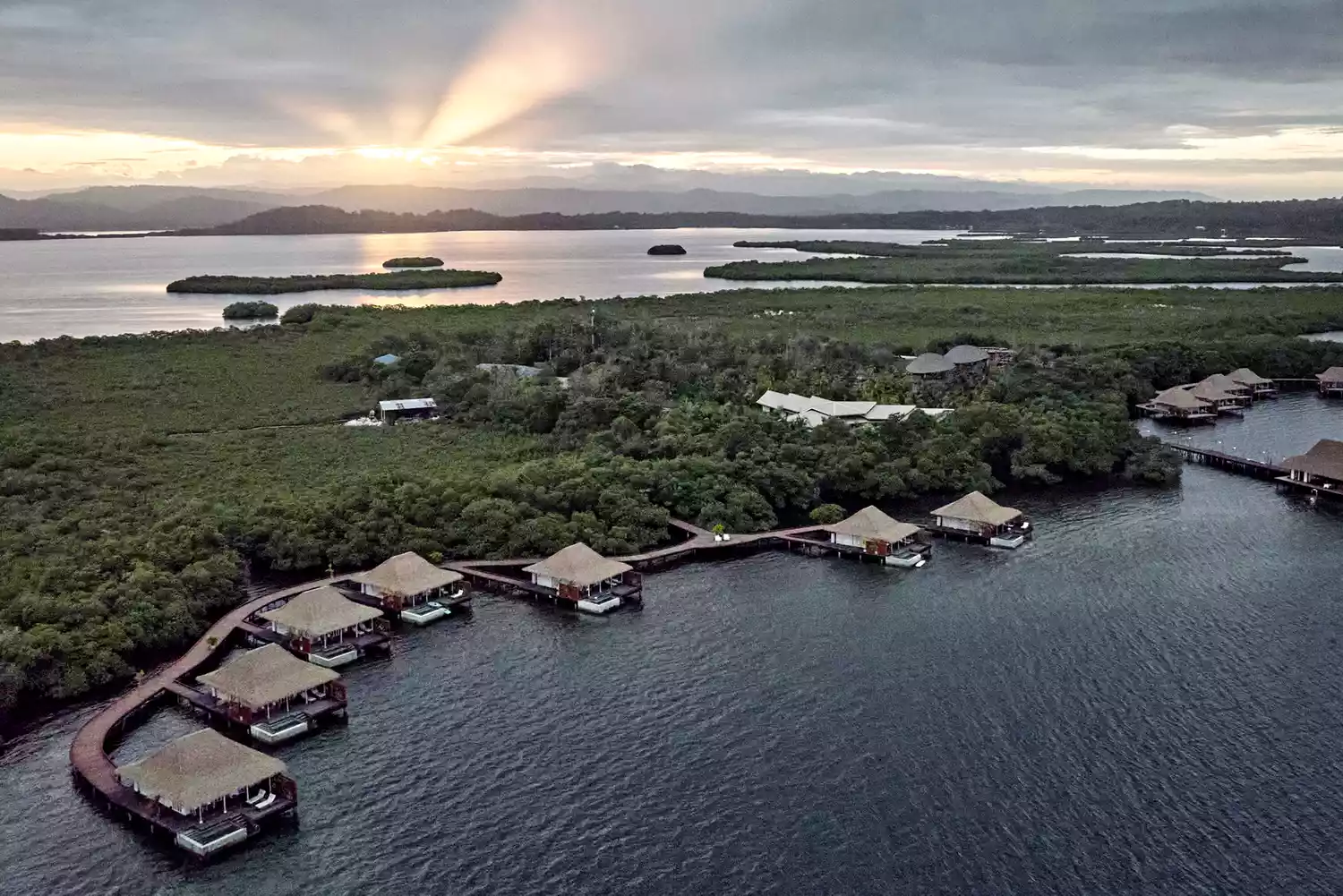
At Nayara, the luxury lies in the proximity to nature. You might spend your morning navigating the mangroves via a private 'panga' or snorkeling in the Bastimentos National Marine Park, where the coral gardens are a riot of color. The resort’s commitment to being off-the-grid is seamless; you enjoy your sound shower and private plunge pool knowing that every drop of water is harvested from the sky and every watt of power from the sun.
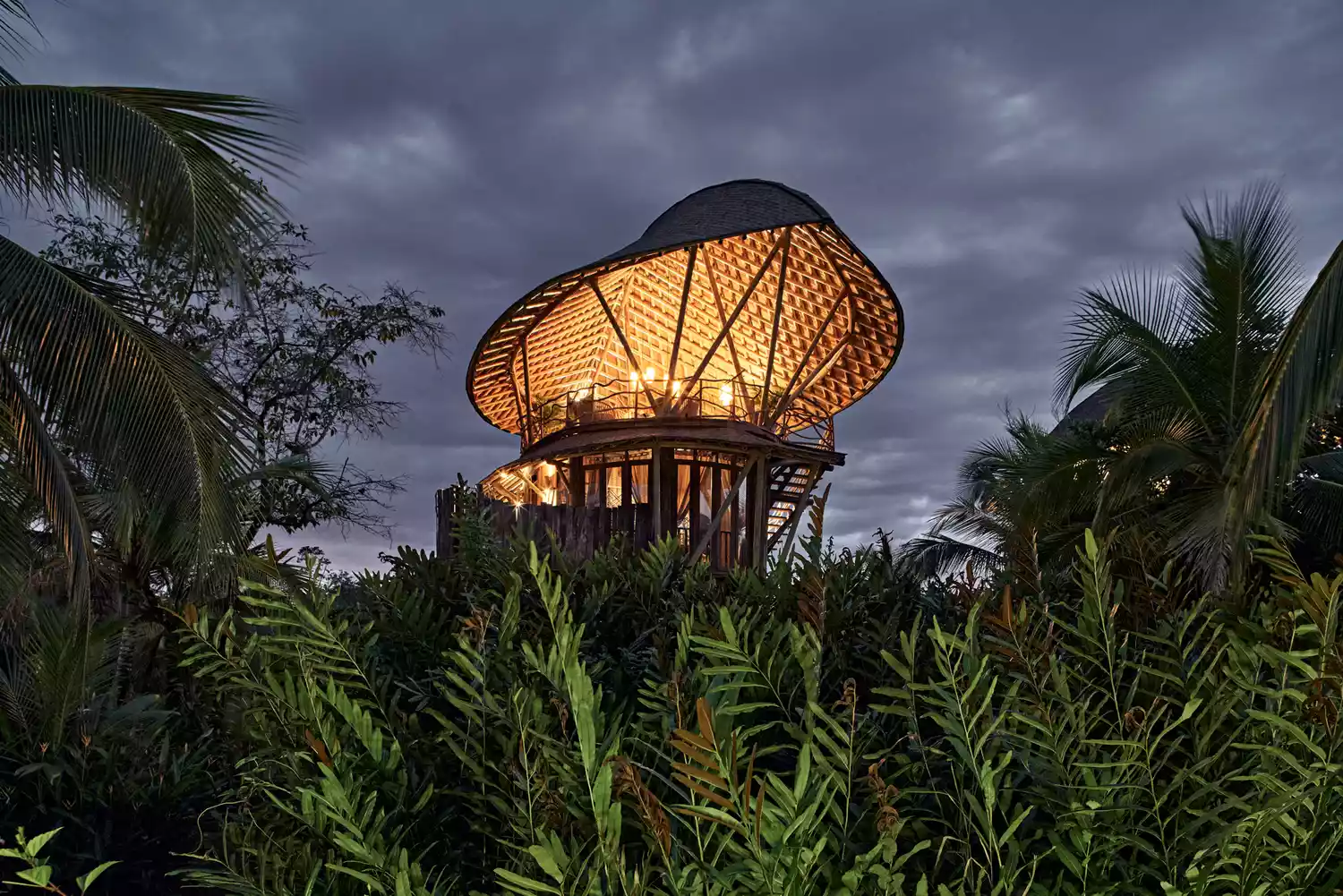
Phase 3: The Gulf of Chiriquí – Private Islands and Marine Safaris
If Bocas del Toro is about Caribbean charm, the Gulf of Chiriquí on the Pacific side is about raw, untamed majesty. This is where the eco-luxury movement reaches its zenith at Islas Secas.
This is not just a resort; it is a private island preserve consisting of 14 islands, only one of which is developed. With a strict limit of 24 guests at any time, the sense of exclusivity is absolute. The "Casitas" are tucked away into the foliage, offering expansive decks and infinity pools that look out over an ocean teeming with life.
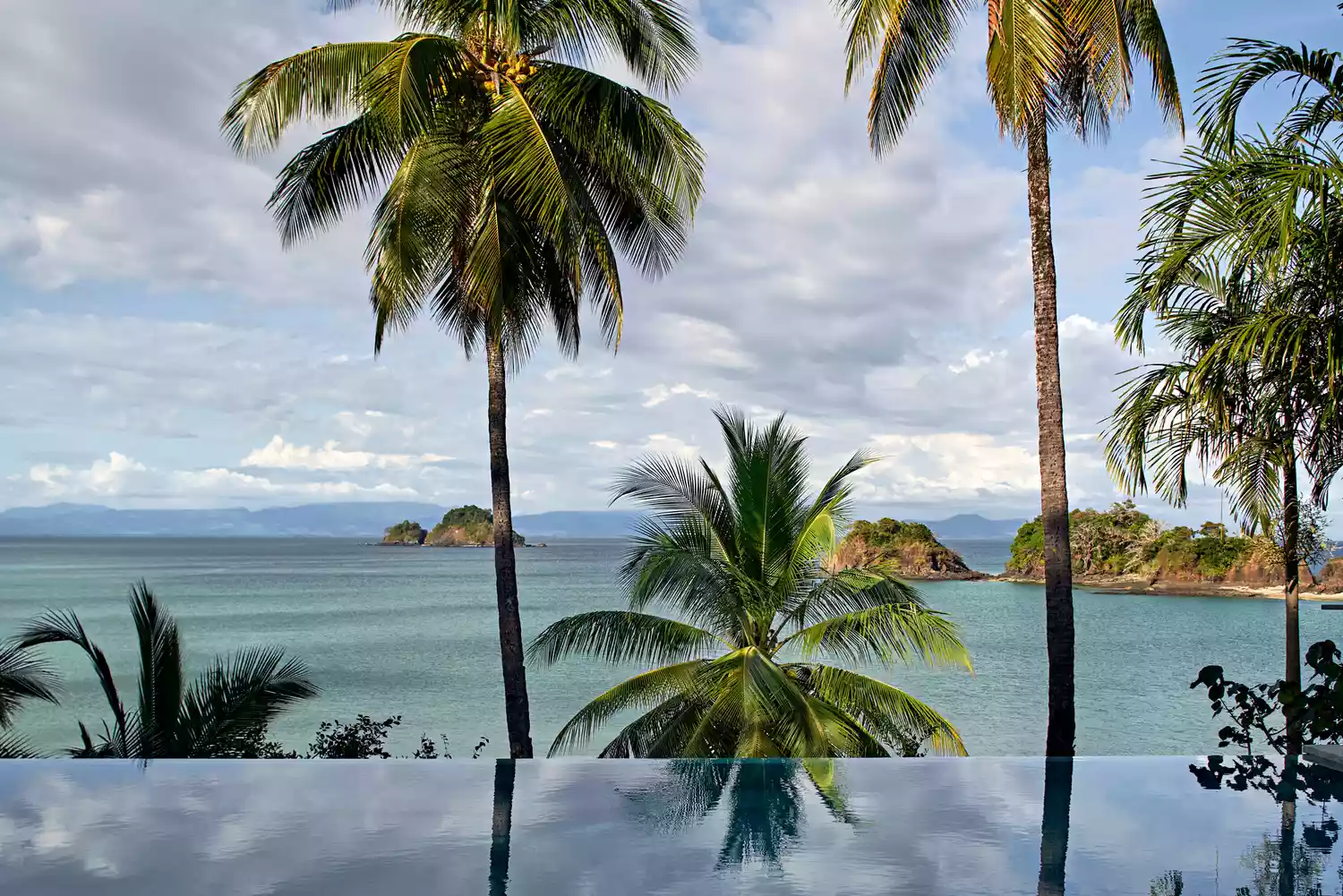
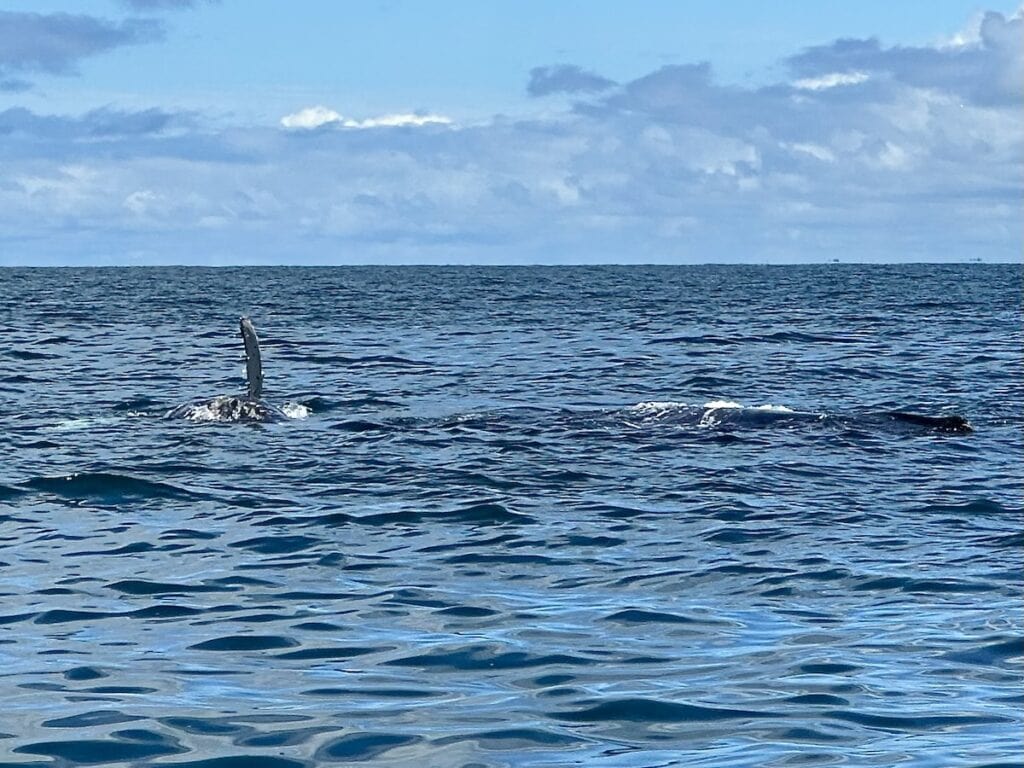
The ethos here is "Conservation-First." The property operates with a 300kW solar array and treats 100% of its wastewater for irrigation. But the real luxury is the access. Between July and October, the Gulf becomes a nursery for humpback whales migrating from the Antarctic. Watching a 40-ton mammal breach from the water while you sip chilled champagne on a private boat is a moment that transcends traditional travel.
Nearby, Isla Palenque offers a slightly more "barefoot luxury" vibe. With eight beachfront casitas and a single villa estate set on 400 acres of jungle, it provides a sanctuary for those who wish to disappear. During the "Green Season" (May to November), the island transforms into a lush, vibrant paradise. The occasional afternoon monsoon-y rain is not a deterrent but a highlight, cooling the air and making the verdant landscape glow with a surreal intensity.

The Sustainable Luxury Philosophy: Why Panama is Different
What sets Panama apart from other high-end tropical destinations is its unapologetic focus on being a "custodian" of the environment. The high-end resorts here don't just "offset" their impact; they build their entire guest experience around the preservation of the 13 million acres of rainforest that define the country.
This "conservation-focused hospitality" is seen in the way properties like those in the Cayuga Collection or the independent island preserves engage with local communities, such as the Ngäbe-Buglé people, ensuring that the luxury travel dollar directly supports the heritage and health of the region. It is a philosophy that proves that a five-star experience can—and should—be 100% renewable.
Top Eco-Luxury Resorts at a Glance
| Resort | Location | Standout Feature | Best For |
|---|---|---|---|
| Nayara Bocas del Toro | Bocas del Toro | Solar-powered overwater villas | Romantic seclusion & architecture lovers |
| Islas Secas | Gulf of Chiriquí | 14-island private archipelago | Ultimate privacy & marine safaris |
| Isla Palenque | Gulf of Chiriquí | 400-acre private jungle preserve | Barefoot luxury & wildlife immersion |
Planning Your High-End Itinerary
To truly capture the essence of Panama, one should never choose between the city and the coast. The ultimate high-end escape combines the two.
- The Seasonal Choice: The Dry Season (December to April) offers endless blue skies, perfect for beach lounging. However, the Green Season (May to November) is arguably more beautiful, with lush landscapes and the peak of whale-watching season.
- Logistics: Do not rely on commercial ferries. For a seamless experience, utilize luxury travel agencies like Scott Dunn or Jacada Travel to coordinate private air charters between Panama City and the remote islands.
- The Itinerary: Start with 2 nights in Casco Viejo at the Sofitel Legend to ground yourself in the culture. Follow this with 4 nights in Bocas del Toro for Caribbean relaxation, and conclude with 4 nights at Islas Secas for the pinnacle of Pacific exclusivity.
Eco-Fact: Panama is one of the only three carbon-negative countries in the world. By choosing sustainable resorts, your visit contributes to the continued protection of a vital global carbon sink.
Frequently Asked Questions (FAQ)
What is the best way to travel between Panama City and the eco-resorts? While domestic flights are available, the high-end standard is a private air charter. Resorts like Islas Secas and Nayara often coordinate these transfers, taking you from the city’s domestic airport (Albrook) directly to the resort’s private landing strip or nearby water-taxi point.
Is Panama safe for luxury travelers? Panama is one of the safest countries in Latin America. In the city, Casco Viejo is highly policed and safe for walking at night. The remote island resorts are entirely private and self-contained, offering a high degree of security and privacy.
What should I pack for a "sustainable luxury" trip? Think "Resort Chic meets Tropical Explorer." Breathable linen, high-quality swimwear, and polarized sunglasses are essential. Most high-end eco-resorts provide reef-safe sunscreen and organic insect repellent, so you can leave the chemicals at home.
Conclusion
Panama is no longer a secret whispered among backpackers; it is a loud, vibrant statement in the world of luxury travel. It is a place where you can wake up in a 17th-century colonial palace and fall asleep in a solar-powered treehouse 50 feet above the jungle floor. This is the new frontier—a destination where the most refined experiences are those that leave the lightest footprint.
Are you ready to discover the soul of the isthmus?