I’ve been touching down on the tarmac at Lynden Pindling International for two decades now, and while the horizon remains a constant, defiant shade of cerulean, the soul of the Bahamas continues to evolve. In 2026, the archipelago remains a study in contrasts. While approximately 70% of the country's population resides in the bustling hub of New Providence, the secret to a transformative Bahamian experience lies in the "Out Islands"—a collection of gems where you’ll find 90% less tourist density and a rhythm of life that hasn't changed much since my first visit in the early 2000s.
Whether you are seeking the high-octane luxury of Nassau or the silent, bone-white flats of the Andros "Grey Ghost" (our local name for the elusive bonefish), navigating these 700 islands requires more than a passport. It requires an understanding of the "True Bahamas"—a blend of resilience, flavor, and deep-blue mystery.
The Insider’s Perspective: The Bahamas in 2026
To understand the Bahamas today, one must look past the cruise ship terminals. The 2026 traveler is looking for "slow travel," and the archipelago is uniquely positioned to provide it. My two decades of exploration have taught me that the best things to do in the Bahamas are often found where the pavement ends.
If you’re looking for local flavor, your first stop must be the Fish Fry at Arawak Cay in Nassau. For the uninitiated, this isn't just a place to eat; it's a cultural rite of passage. Specifically, seek out Twin Brothers or Goldie’s Conch House. These are the pillars of the community where you must order the conch fritters—golden, crispy, and packed with fresh mollusks—and wash them down with "Sky Juice," a potent and creamy blend of gin, coconut water, and condensed milk.
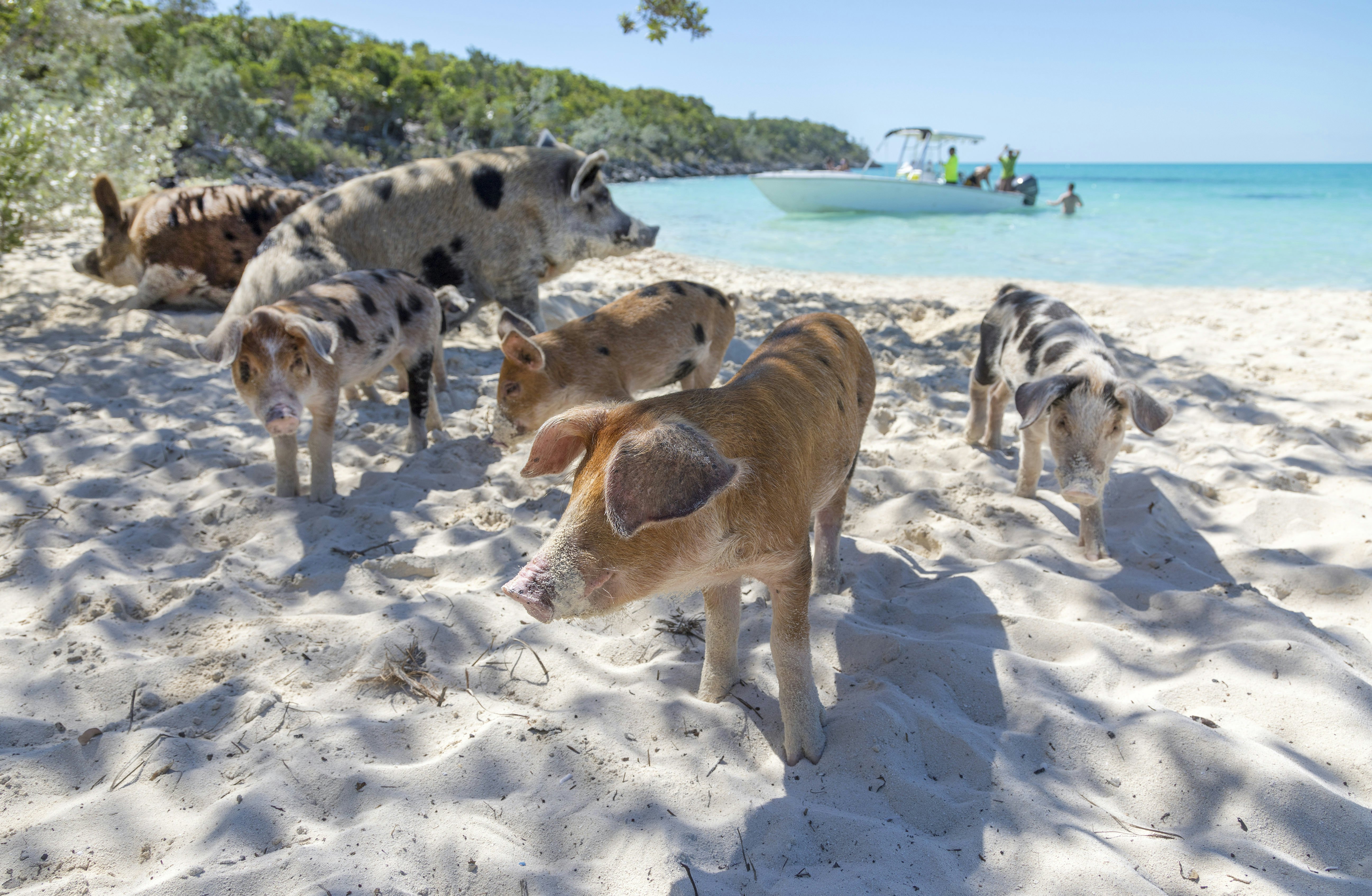
For those chasing natural wonders, the geography here is staggering. Dean’s Blue Hole on Long Island is the second-deepest blue hole in the world at 660 feet, a sapphire portal that looks like the eye of the earth. Meanwhile, the Exumas continue to captivate with Big Major Cay, the famous home of the swimming pigs, which remains a bucket-list essential for 2026.
Where to Eat: Authentic Bahamian Flavors
In the Bahamas, food is history on a plate. The "cracking conch" (tenderized and fried) and conch salad (ceviche-style with citrus and scotch bonnet peppers) are staples, but the culinary scene has expanded into high-end territory that rivals any global capital.
Nassau & New Providence Highlights:
- The Fish Fry (Arawak Cay): Go where the locals go. Goldie’s is famous for their "scorched conch."
- Graycliff Hotel: This is a legacy destination. It houses one of the world’s largest private wine cellars—over 250,000 bottles. Even if you aren't staying there, the five-star dining experience is a masterclass in colonial-chic elegance.
- DUNE by Jean-Georges: Located at The Ocean Club (A Four Seasons Resort), this is where you go for a "sunset-hued Goombay Smash" and French-Asian fusion with a Bahamian twist.
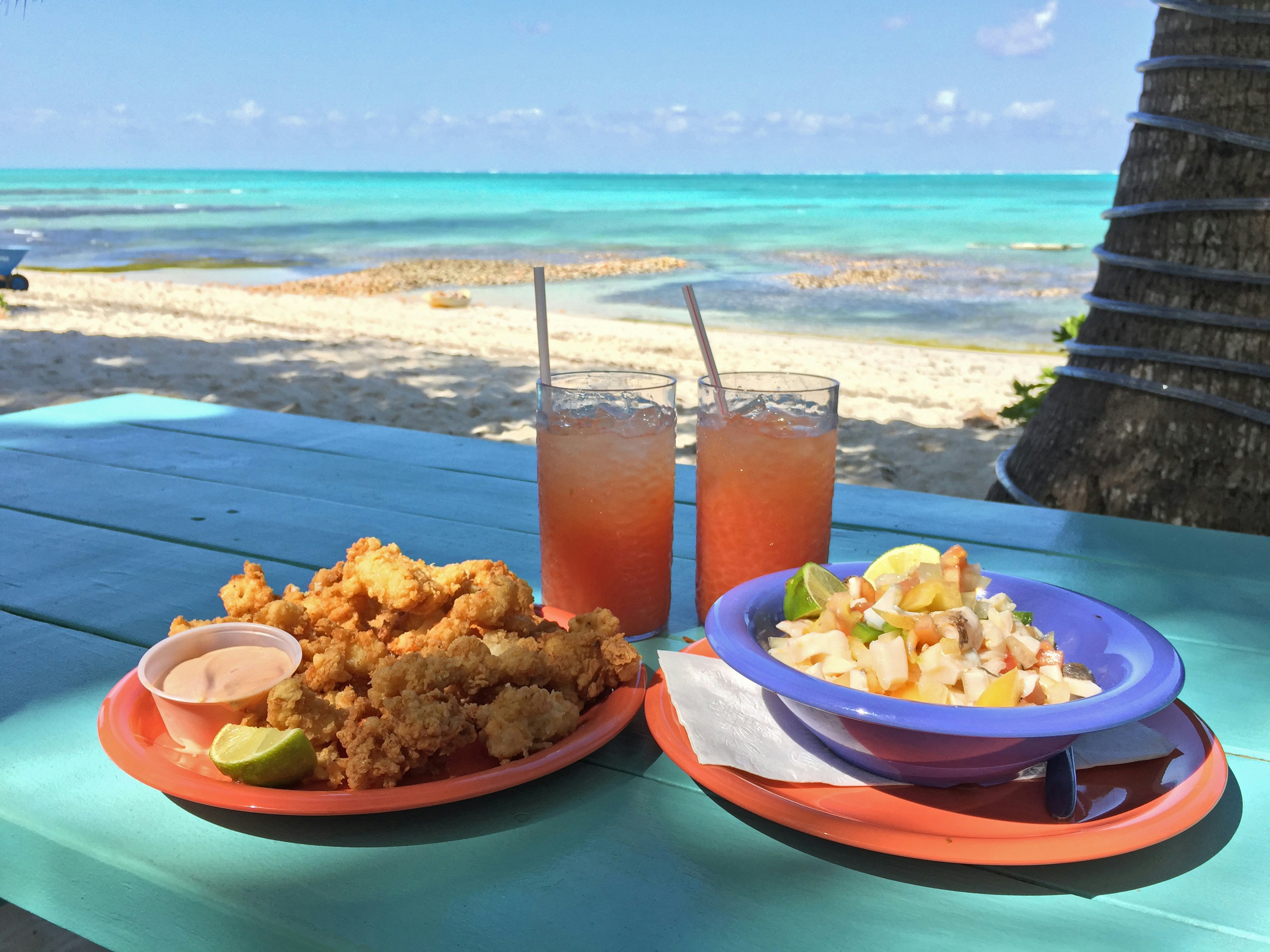
When venturing to the Out Islands, the dining becomes more intimate. In Harbour Island, you’ll find celebrity chefs rubbing shoulders with local fishermen. The key is to look for the "shack" with the longest line of locals—that is where the freshest catch is hiding.
Cultural Deep-Dive: History Beyond the Beach
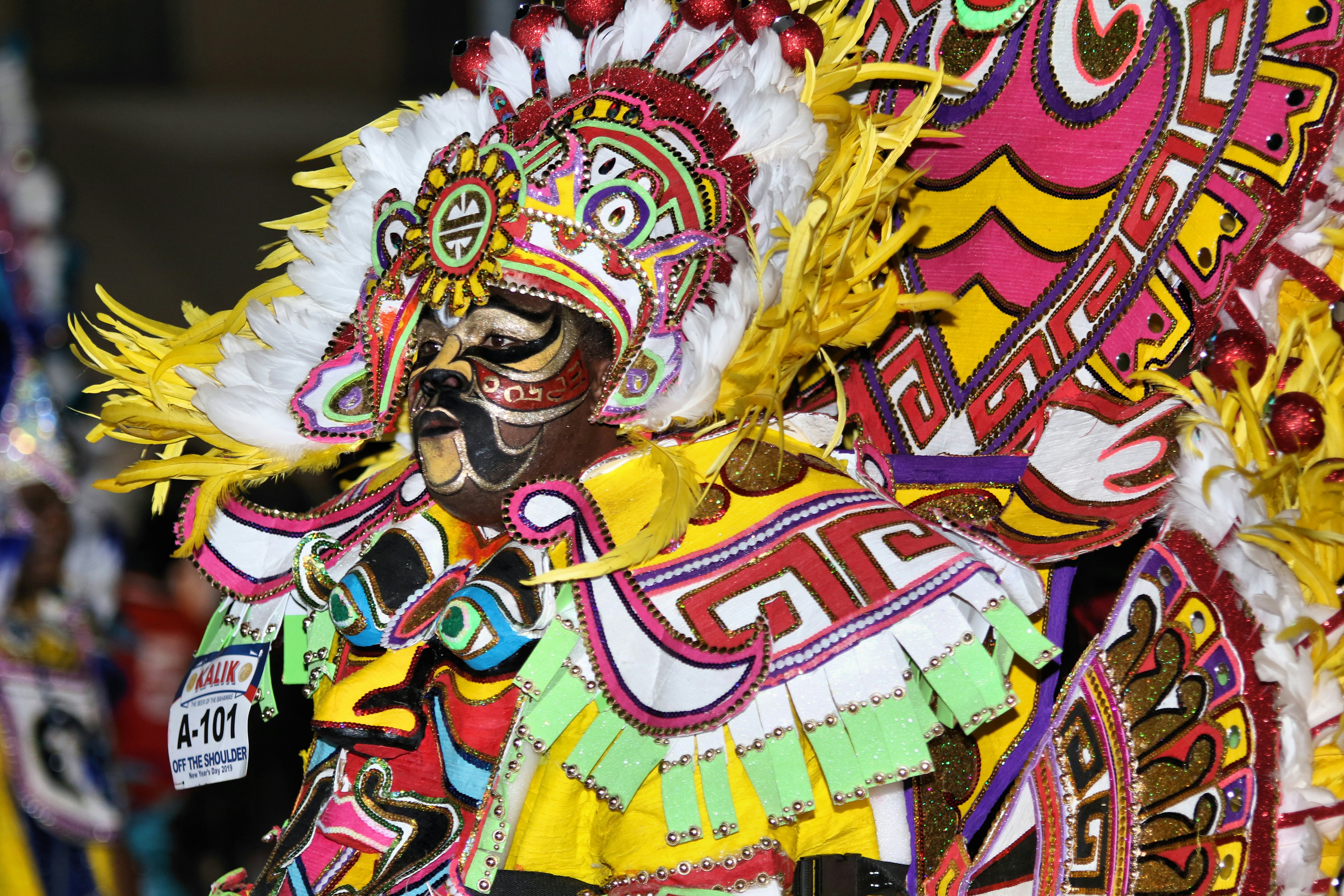
It is a common mistake to view the Bahamas solely as a playground. To truly know these islands, you must understand Junkanoo. This isn't just a parade; it is a vibrant, rhythmic explosion that commemorates the resilience of enslaved Africans who were granted three days off at Christmas to celebrate their heritage.
I recommend every visitor spend an afternoon at the Educulture Junkanoo Museum or Junkanoo World in Nassau. You’ll see the intricate cardboard and crepe-paper costumes that take an entire year to build. It’s a sensory overload of goat-skin drums, cowbells, and whistles.
Historical Landmarks Not to Miss:
- The Queen’s Staircase: Carved out of solid limestone by enslaved people in the late 18th century, these 66 steps provided a direct route from Fort Fincastle to Nassau city.
- The Pompey Museum of Slavery & Emancipation: Located in the historic Vendue House, this museum provides essential context on the country’s colonial past and the journey to freedom.
- National Art Gallery of the Bahamas (NAGB): For a contemporary look at the Bahamian identity, this gallery showcases the incredible talent of local artists who are redefining Caribbean aesthetics.
Adventure and Natural Wonders: From Blue Holes to Swimming Pigs
The 2026 Bahamas travel guide wouldn't be complete without mentioning the country's commitment to marine conservation. We aren't just looking at the water; we are protecting it.
The Exumas The Exuma Cays are a 365-island archipelago that offers some of the clearest water on the planet. Big Major Cay is the obvious draw. While the swimming pigs are feral, they are incredibly friendly—just remember to bring pitted fruits or vegetables if you want to be their favorite person.
Long Island Dean’s Blue Hole is a spiritual experience for divers. At 660 feet deep, it’s a mecca for free-divers. If you aren't a diver, the view from the surrounding cliffs provides a dramatic perspective of the deep blue indigo contrasting with the turquoise shallows.
The Underwater World Near Nassau, you will find the world's largest underwater sculpture: the 60-ton Ocean Atlas. Standing 16 feet tall, this "Bahamian Atlas" depicts a girl carrying the weight of the ocean. It serves as an artificial reef, stimulating coral growth and providing a hauntingly beautiful site for snorkelers.
Eleuthera A personal favorite of mine is the Queen’s Bath on Eleuthera. Located on the rugged Atlantic side of the island, these natural tide pools are carved into the rock. Visit during low tide, when the sun warms the water to a comfortable temperature, creating a natural "hot tub" with a view of the crashing Atlantic waves.
Navigating the Islands: Logistics and Safety in 2026
Getting around the Bahamas has become more streamlined, yet it retains its island charm. In Nassau, the jitneys (minibuses) are the way to go. They cost around $1.50 to $2.50 per ride and are a great way to see the city like a local. However, for island hopping, you’ll rely on Bahamasair or private charters like Western Air.
Transportation Comparison (2026 Estimated Costs)
| Mode of Transport | Avg. Cost (Nassau) | Best For | Pro Tip |
|---|---|---|---|
| Jitney | $1.50 - $2.50 | Local commuting | Wave your hand to stop them; they run until dusk. |
| Taxi | $25 - $60+ | Airport transfers | Always agree on the fare before starting the trip. |
| Car Rental | $80 - $120/day | Exploring Out Islands | Remember, we drive on the left side of the road! |
| Water Taxi | $5 - $10 | Nassau to Paradise Island | The fastest way to get to Atlantis without the traffic. |
Budgeting for 2026 The Bahamas is not a budget destination, but it is manageable. A backpacker can expect to spend roughly 140 BSD per day (mid-range), while those seeking the upscale resort experience should budget 340+ BSD per day. Note that the Bahamian Dollar (BSD) is pegged 1:1 with the USD, and both are accepted interchangeably.
Safety Insights The Bahamas is generally very safe, especially in the Out Islands. In Nassau, use common sense. Avoid the "Over the Hill" areas south of downtown after dark. Stick to well-lit tourist areas and always keep an eye on your belongings at public beaches like Junkanoo Beach.
2026 Travel Essentials: When to Go and What to Pack
Timing is everything in the Caribbean. The peak weather window is mid-December to mid-April, with temperatures hovering between a perfect 26-28°C (78-82°F). This is the "dry season," where the humidity drops and the trade winds provide a cooling breeze.
Expert Tip: If you want to avoid the crowds and the "Hurricane Season" (June through November), aim for the "shoulder season" in May or early June. You’ll get the warmth without the peak-season price tag.
What to Pack:
- Reef-Safe Sunscreen: This is non-negotiable in 2026. Traditional sunscreens contain oxybenzone which kills the very coral reefs you're coming to see.
- Reusable Water Bottle: Many islands are moving away from single-use plastics.
- Polarized Sunglasses: Essential for seeing through the water’s surface to spot turtles and rays.
- A "Smart-Casual" Outfit: While the islands are laid back, places like Graycliff or the Ocean Club have dress codes for dinner.
FAQ
Q: Do I need a car to get around the Bahamas? A: In Nassau, no—jitneys and taxis are plenty. On Out Islands like Eleuthera or Long Island, a car rental is essential as there is no public transit and the islands are surprisingly long (Eleuthera is over 110 miles long!).
Q: Is the water safe to drink? A: In Nassau and Freeport, the tap water is technically safe but has a brackish taste. Most regulars and locals prefer bottled or filtered water. On the Out Islands, rely strictly on bottled or desalinated water.
Q: How do I get to the swimming pigs from Nassau? A: You can take a day-trip powerboat excursion from Nassau to the Exumas. It takes about 2-3 hours each way and usually includes stops at Bitter Guana Cay (to see iguanas) and Staniel Cay for lunch.
Conclusion
The Bahamas in 2026 remains the pinnacle of Atlantic island travel, provided you know where to look. It is a place where you can find world-class luxury on one island and a silent, prehistoric blue hole on the next. My advice after 20 years? Don't spend your whole trip in the resort. Eat the conch at a roadside stand, talk to the vendors at the Straw Market, and take the small plane to an island you've never heard of. That is where the real magic happens.