For decades, the global elite have viewed the Mediterranean through a binary lens: the rugged charm of the Greek Isles or the polished glamour of the French Riviera. However, as we look toward the 2026 travel season, a seismic shift in the luxury landscape is impossible to ignore. Türkiye is no longer the "alternative" or the "budget-friendly" neighbor. Backed by a 25% surge in premium suite bookings over the last 24 months, the Turkish Riviera—aptly named the Turquoise Coast—is outclassing its European rivals in the two metrics that matter most to the modern high-net-worth traveler: spatial luxury and integrated service standards.
While Mykonos and Santorini grapple with infrastructure fatigue and skyrocketing "table fees" that often exceed the cost of the meal, Türkiye’s high-end hubs of Bodrum, Belek, and Fethiye have quietly perfected the "Ultra All-Inclusive" model. In 2026, this isn't about endless buffets; it is about Michelin-pedigree dining, private jetty access, and a price-to-value ratio that makes the €1,500-a-night "shoebox" rooms of the Cyclades look statistically irrational.
Türkiye vs. Greece 2026: Luxury Comparison
To understand why the smart money is moving east, one must look at the hard data. Below is a comparison of the typical luxury experience in both nations for the upcoming 2026 peak season.
| Feature | Turkish Riviera (Premium Sector) | Greek Islands (Premium Sector) |
|---|---|---|
| Average Room Size | 45–65 sqm (Standard Luxury) | 25–35 sqm (Standard Luxury) |
| Price Range (Nightly) | $600 – $1,500 | $900 – $2,500+ |
| Dining Model | Ultra All-Inclusive (A la carte focus) | Pay-per-service / European Plan |
| Beach Access | Direct private beach/jetty access | Often public or shuttle-dependent |
| Service Ratio | 2.5 staff members per guest | 1.2 staff members per guest |
The Shoreline Verdict: Top Beaches in Türkiye for 2026
When evaluating coastline, I look for three factors: water clarity, environmental protection, and "breathability"—the amount of square footage per traveler. Türkiye’s 2026 appeal lies in its geographic diversity.
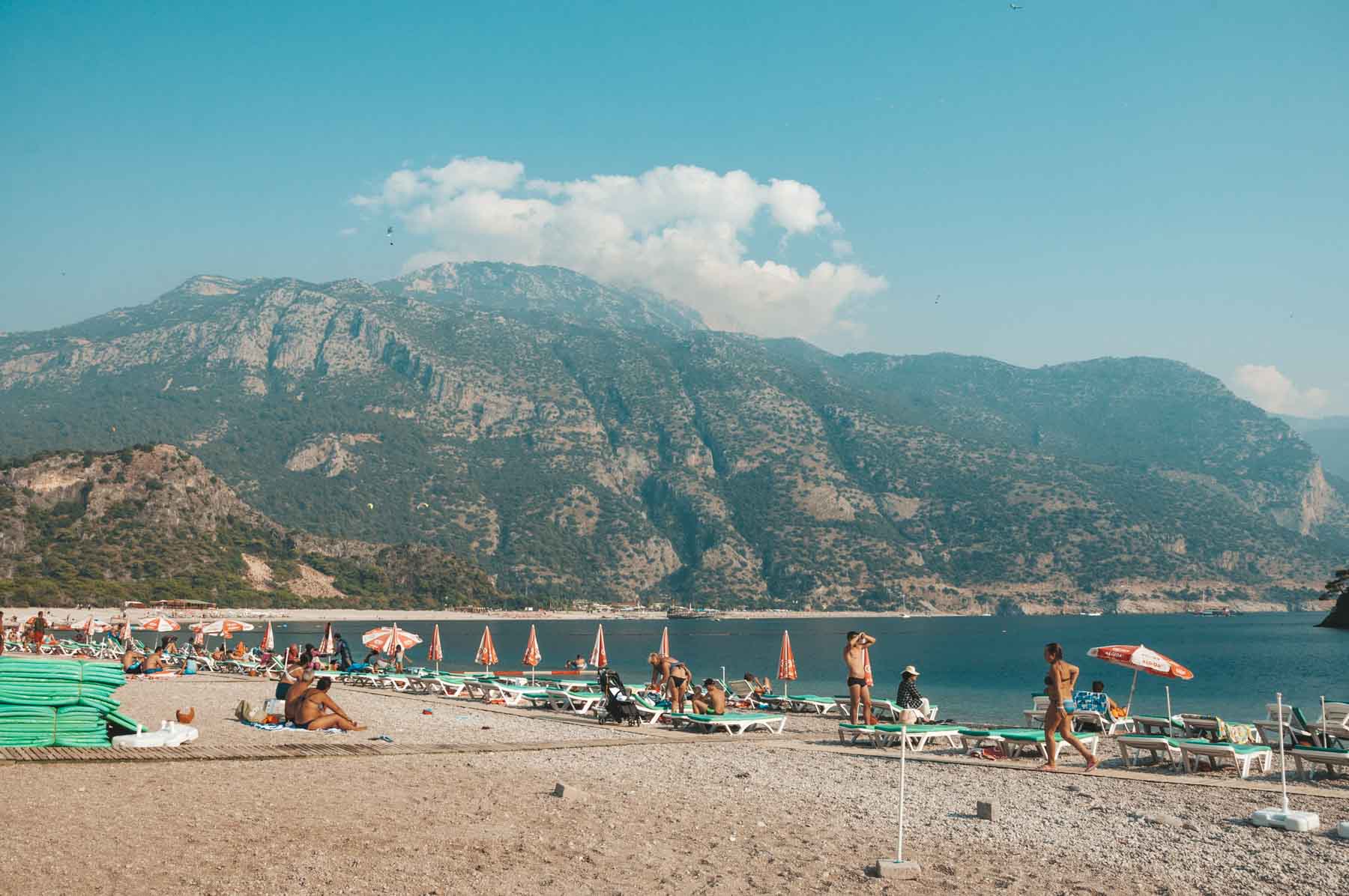
The crown jewel remains Ölüdeniz, specifically the Blue Lagoon. While iconic, its status as a national park preserves its crystalline quality despite its fame. For those seeking sheer scale, Patara Beach is the objective winner. Measuring approximately 11 miles (18 kilometers) in length, it is one of the longest sandy stretches in the Mediterranean. Because it serves as a protected nesting ground for Loggerhead (Caretta Caretta) sea turtles, permanent construction is banned, ensuring an "unspoiled" aesthetic that is virtually extinct in mainland Europe.
Further west, İztuzu Beach offers a similar masterclass in conservation. This narrow spit of land, separating the freshwater Dalyan River from the salt water of the Mediterranean, provides a rare ecological duality. The shallow, warm waters of the Turkish Aegean are particularly suited for travelers who prioritize swimming over mere "wading," offering a clarity that rivals the Maldives during the calm summer months.
The 2026 Luxury Hotel Revolution: Redefining Ultra-All-Inclusive
The most significant evolution in Turkish hospitality is the refinement of the "Ultra All-Inclusive" (UAI) concept. Historically, UAI was associated with volume. In 2026, however, resorts like Regnum Carya and Maxx Royal have pivoted to exclusivity.
Industry data indicates that premium suite bookings—those featuring private pools, dedicated butler service, and private CIP terminal transfers—have increased by 25% year-over-year. These properties are no longer competing with mid-range European hotels; they are competing with the world’s best independent boutiques. At the $800-per-night price point in Belek, a guest receives a level of personalized attention—ranging from "pillow menus" to 24/7 WhatsApp assistants—that would cost three times as much in Saint-Tropez or Ibiza.
Critic’s Note: When booking in 2026, look for "All-A-La-Carte" designations. This newer tier of luxury ensures that every meal is cooked to order by specialized chefs, removing the "buffet fatigue" of old.
Regional Deep-Dive: Where Opulence Meets the Ocean
Bodrum: The Aegean’s Answer to St. Tropez
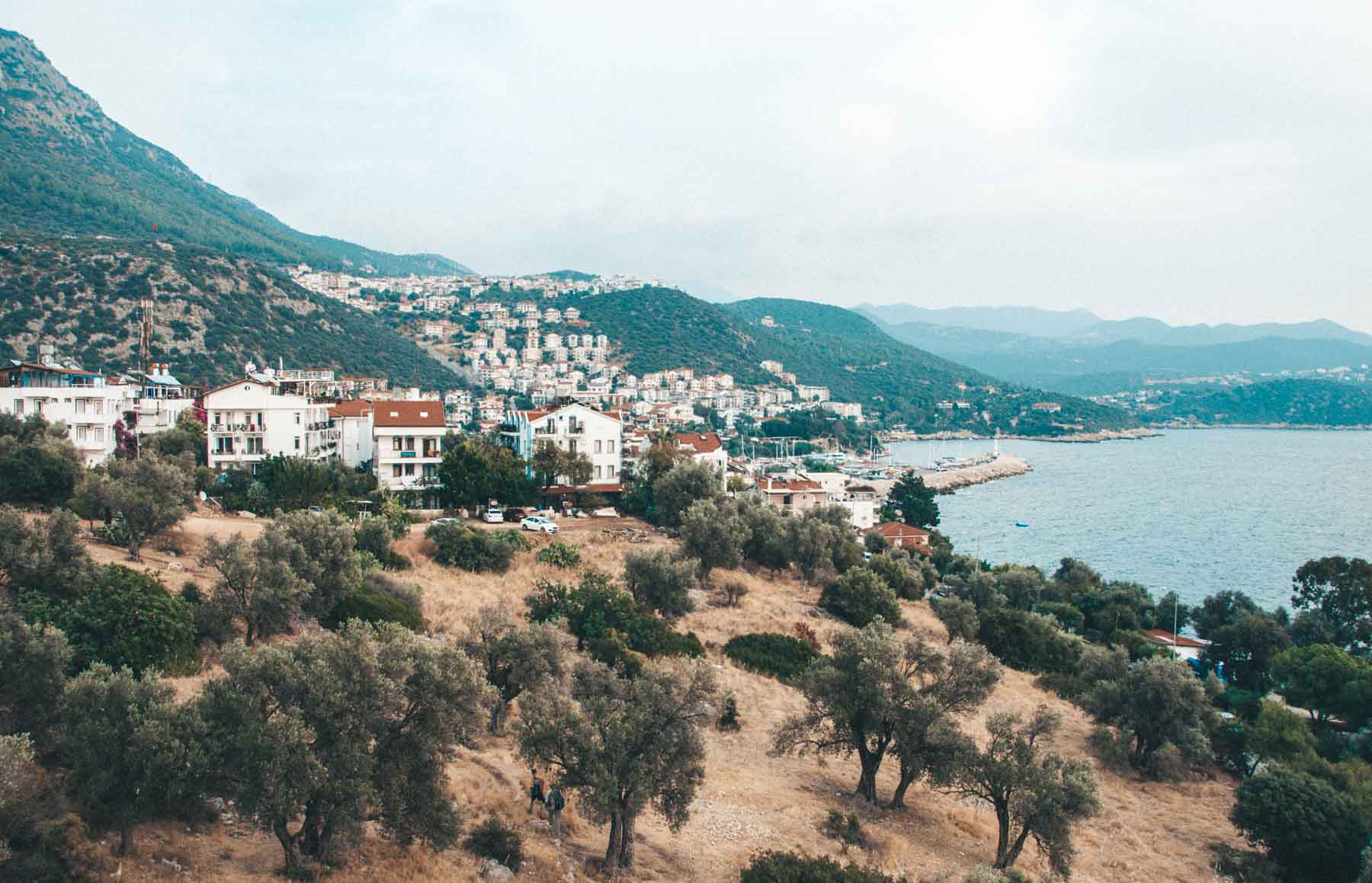
Bodrum is the sophisticated heart of the Turkish Riviera. It’s where the superyachts of the Mediterranean elite congregate. The architecture here is strictly regulated—low-rise, white-washed buildings that maintain a cohesive, high-end aesthetic. The focus here is on "lifestyle luxury," combining high-energy beach clubs with serene, hidden coves like Akyarlar, known for its shallow, sapphire waters.
- Where to Stay:
- The Bodrum EDITION: Perfect for the design-conscious traveler seeking a minimalist, Ian Schrager-designed sanctuary.
- Maxx Royal Bodrum: A 2026 standout for those who demand the highest tier of UAI service.
Explore Bodrum’s 2026 Calendar →
Antalya & Belek: The Palace Standard
If Bodrum is about the "vibe," Antalya is about the "palace." This region specializes in sprawling, high-concept resorts that function as self-contained ecosystems. Belek, in particular, has become a global hub for sports and wellness luxury, boasting world-class golf courses that host international championships. The hotels here are architectural marvels, blending Ottoman opulence with futuristic amenities.
- Where to Stay:
- Regnum Carya: A favorite for celebrities and heads of state, offering unparalleled privacy and a 1:3 staff-to-guest ratio.
- Titanic Mardan Palace: Often cited as the most luxurious hotel in the Mediterranean, featuring a massive central pool and gold-leaf interiors.
Fethiye & Ölüdeniz: Nature’s Masterpiece
For the traveler who finds luxury in seclusion and natural beauty, the Fethiye region is unrivaled. This is where the pine-scented Taurus Mountains meet the sea. The experience here is more "barefoot luxury." Places like Butterfly Valley, accessible only by boat, offer a dramatic verticality that the flatter coastlines of Greece cannot match.
- Where to Stay:
- Yazz Collective: A sleek beach club resort that feels like a private island escape.
- Nautical Hotel: Offers stone-and-wood villas that blend seamlessly into the cliffside, perfect for couples seeking total immersion in nature.
Hidden Gems of the Turkish Aegean Coast
While the major hubs grab the headlines, the "hidden" Aegean is where the true value lies for 2026. Patara Beach is a prime example. As mentioned, its 11 miles of sand provide a sense of isolation that is a luxury in itself. Walking the dunes of Patara feels more like a desert expedition than a Mediterranean holiday.
Similarly, Sedir Island (also known as Cleopatra Beach) features sand that is unique to the region—tiny oolitic grains that are legally protected. Legend says the sand was brought from Egypt for Cleopatra herself. Whether or not you believe the myth, the geological reality is a beach that feels unlike any other in Europe.
Logistics: Planning Your 2026 Elite Escape
The infrastructure in Türkiye has seen massive investment ahead of 2026. The airports in Dalaman and Antalya are now world-class hubs with dedicated private aviation terminals.
- Best Time to Visit: To balance weather and crowds, I recommend the Spring (April-June). The flowers are in bloom, the air is a crisp 25°C (77°F), and the resorts are at their most attentive. September to October is the "Second Summer," where the water is at its warmest and the summer crowds have thinned.
- Getting Around: While the local 'Dolmuş' (shared minibus) is efficient and charming for short hops, the luxury standard is the private Mercedes Vito transfer, which is surprisingly affordable compared to European taxi rates.

FAQ
Why choose Turkey over Greece for luxury in 2026? The primary drivers are space, service, and value. Turkish resorts generally offer much larger rooms and private villas for the same price as a standard room in Mykonos. Additionally, the integrated "Ultra All-Inclusive" model in Türkiye provides a seamless experience without the constant "nickeling and diming" found in Greek hotspots.
Is the 'Ultra All-Inclusive' model worth the premium price? In the 2026 context, yes. The leading resorts have shifted away from mass-market buffets toward high-end, a la carte dining and premium imported spirits. When you factor in the cost of high-end dining and private beach access in other European destinations, the Turkish UAI model often saves the traveler 30-40% while providing a more consistent service level.
What are the turtle nesting restrictions at İztuzu and Patara? Conservation is taken seriously. These beaches are typically closed to the public from dusk until dawn (8:00 PM to 8:00 AM) during the nesting season (May to August) to protect the sea turtles. Visitors are also restricted from placing umbrellas in designated nesting zones. These measures are exactly why these beaches remain the most pristine in Europe.
Final Thought
The Mediterranean is changing. The days of Greece holding a monopoly on high-end coastal travel are over. As 2026 approaches, the Turkish Riviera has successfully combined its natural geographical advantages—vaster beaches and clearer waters—with a hospitality infrastructure that is currently the most sophisticated in the world. For the traveler who demands both data-driven value and sensory perfection, the choice is clear: look to the Turquoise Coast.