Hanoi is a city that demands your full attention. It is a sensory assault in the most poetic sense—a place where the scent of star anise from a simmering pho cauldron mingles with the exhaust of a million motorbikes, and where thousand-year-old pagodas stand in the shadow of lemon-yellow colonial villas. By 2026, the Vietnamese capital has matured. While the grit of the Old Quarter remains its beating heart, a new layer of sophisticated boutique hospitality and a burgeoning metro system have made navigating this labyrinthine metropolis more rewarding than ever. This is not merely a gateway to the limestone karsts of Ha Long Bay; it is a destination of profound depth, where history is lived on the pavement and the future is being brewed in its legendary hidden cafes.
Essential Logistics & Arrival in 2026
Navigating the entry requirements is the first step in any well-planned journey. As of 2026, Vietnam has expanded its visa-free policy to include citizens of 38 countries for short-term tourism. However, it is vital for travelers from the United States and several other nations to remember that an e-visa is still a strict requirement prior to arrival. The process is streamlined, but ensure you use the official government portal to avoid third-party markups.
Upon landing at Noi Bai International Airport (HAN), the transition to the city center is your first introduction to Hanoi’s vibrant pace. While the new metro line is beginning to alleviate some pressure, the most reliable and comfortable method remains a private car or a ride-sharing app. A Grab ride or a pre-arranged taxi to the Old Quarter or Ba Dinh District typically ranges from VND 450,000 to 600,000 (approximately $20–$25 USD). The drive takes about 45 to 60 minutes, offering a transition from the industrial outskirts to the tree-lined boulevards of the city.
Insider Tip: Download the Grab app before you land. It is the "Uber of Southeast Asia" and provides transparent pricing for both cars and motorbikes (GrabBike), the latter being the fastest way to zip through Hanoi’s notorious rush-hour traffic.
The Ultimate Guide to Hanoi Train Street 2026
Hanoi Train Street remains one of the most polarizing and mesmerizing spectacles in Southeast Asia. For the uninitiated, this is a narrow residential corridor where a functional railway track is flanked by cafes and homes. In 2026, authorities continue to manage the area for safety, meaning your experience depends entirely on which section you choose to visit.
Le Duan Section: The Local Choice
For those seeking the "grit" without the heavy security presence, the section behind Le Duan Street (near the intersection with Kham Thien) is the preferred choice for seasoned travelers. This area is generally more relaxed and often lacks the metal barricades found in the Old Quarter section. Here, you can witness the raw reality of life on the tracks: residents washing vegetables, children playing, and neighbors chatting across the iron rails until the distant horn signals everyone to retreat.
Old Quarter Section: The Iconic View
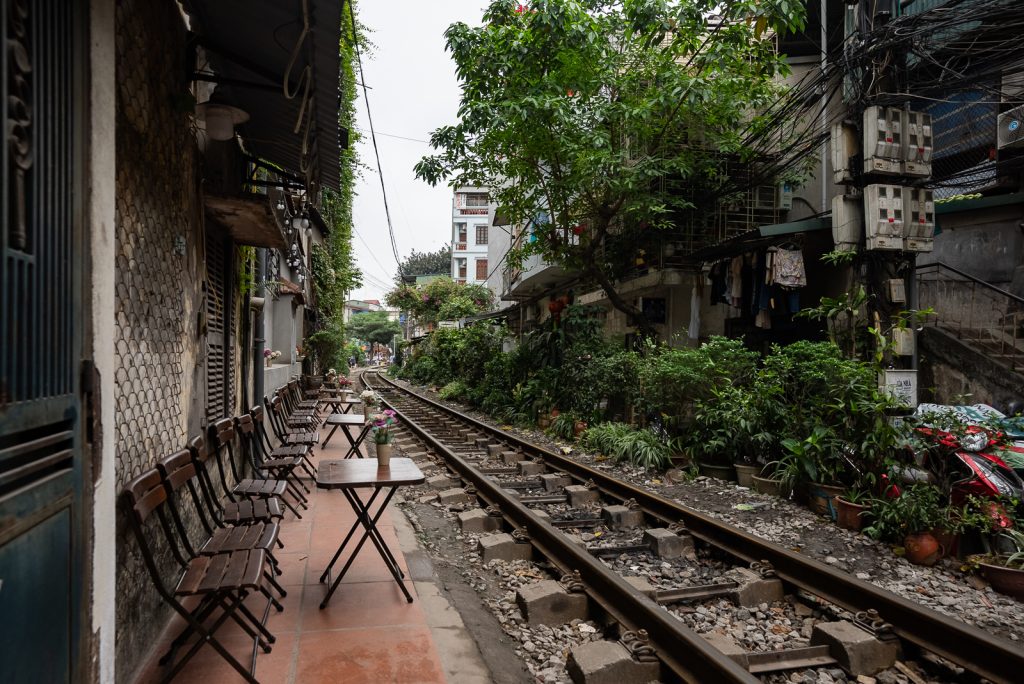
The most famous stretch—located between Le Duan and Phung Hung streets—is where you’ll find the iconic, narrowest corridor. Because of its popularity, safety barriers are usually in place. To gain entry, you typically need to be "escorted" by a cafe owner. Simply approach the barrier, and a local host will likely invite you to their establishment. It is a symbiotic relationship: you get the photo and the experience; they get the business.
2026 Schedule & Recommended Cafes
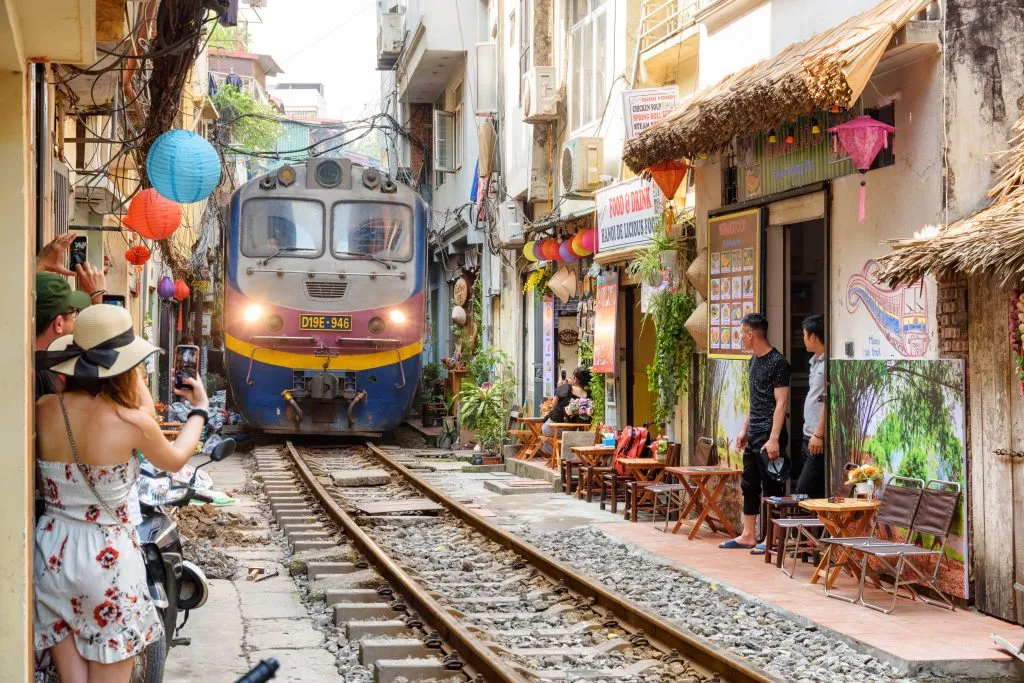
The train schedule is more frequent on weekends. On Saturdays and Sundays, trains typically begin passing through at 8:30 AM, with multiple departures throughout the afternoon and evening. On weekdays, the schedule is more limited, often with only evening passes. Always check with your hotel or a local cafe owner for the most up-to-date daily timetable, as freight schedules can shift.
At a Glance: Train Street Comparison
| Feature | Old Quarter Section | Le Duan Section |
|---|---|---|
| Vibe | Atmospheric, social, "Instagrammable" | Authentic, gritty, quiet |
| Barricades | Often strictly enforced | Generally open access |
| Cafe Quality | High (e.g., Hanoi 1990s, Coffee Chill 96) | Rustic and local |
| Crowds | High density | Moderate to low |
A Perfect 4-Day Hanoi Itinerary
To truly understand Hanoi, one must balance the chaotic energy of the Old Quarter with the serene dignity of the French Quarter and the creative spirit of the outlying districts.
Day 1: The Soul of the Old Quarter
Start your journey at the break of dawn. At 5:30 AM, Hoan Kiem Lake transforms into a communal gym. Join the locals for Tai Chi or a brisk walk around the "Lake of the Restored Sword" as the mist rises. By 6:00 AM, make your way to Pho Gia Truyen Bat Dan. This is not a place for a leisurely brunch; it is a temple of beef pho. Join the queue, pay upfront, and find a plastic stool. The clear, deeply savory broth is the gold standard of Hanoian breakfast. Spend the rest of your morning exploring the Ngoc Son Temple and the 36 Streets, each historically dedicated to a specific trade.
Day 2: Art and Architecture
Transition from the narrow alleys to the grand boulevards of the French Quarter. Visit the Hanoi Opera House, a Neo-Baroque masterpiece, before heading to the Temple of Literature (Van Mieu), Vietnam’s first university. For lunch, experience the theatricality of the Capella Hanoi. Designed by the legendary Bill Bensley, this hotel is a tribute to the "Roaring Twenties" of opera. Even if you aren't staying here, the Hudson Rooms offer a sophisticated vantage point over the city's rooftops.
Day 3: The Call of the Emerald Waters
While Hanoi is captivating, a day trip to either Ha Long Bay or Ninh Binh (often called "Ha Long Bay on Land") is essential. For 2026, I recommend the latter for those who prefer to avoid the heavy cruise traffic. A two-hour drive brings you to Trang An, where you can navigate a traditional rowboat through limestone caves and ancient temples, surrounded by lush rice paddies that seem unchanged by time.
Day 4: Craft Villages and Night Markets
Head south of the city to Quang Phu Cau, the famous incense village. The sight of thousands of crimson incense sticks fanned out like flowers is a photographer's dream and a testament to Vietnam’s enduring artisanal heritage. Return to the city for a final evening of shopping on Hang Bac (Silver Street) and a farewell meal at the Night Market (Friday–Sunday).
Where to Stay: From Historic Grand Dames to Modern Boutiques
Hanoi’s hotel scene has seen a renaissance, blending colonial heritage with avant-garde design.
The Luxury Icons For those who appreciate the weight of history, the Sofitel Legend Metropole Hanoi remains unrivaled. Since 1901, it has hosted everyone from Charlie Chaplin to Graham Greene. Walking through its "Path of History" bunker is a visceral reminder of the city's resilience. Conversely, the Capella Hanoi offers a more exuberant, boutique luxury experience. Every room is unique, curated with operatic memorabilia and Bensley’s signature whimsical flair.
Book the Capella Hanoi Experience →
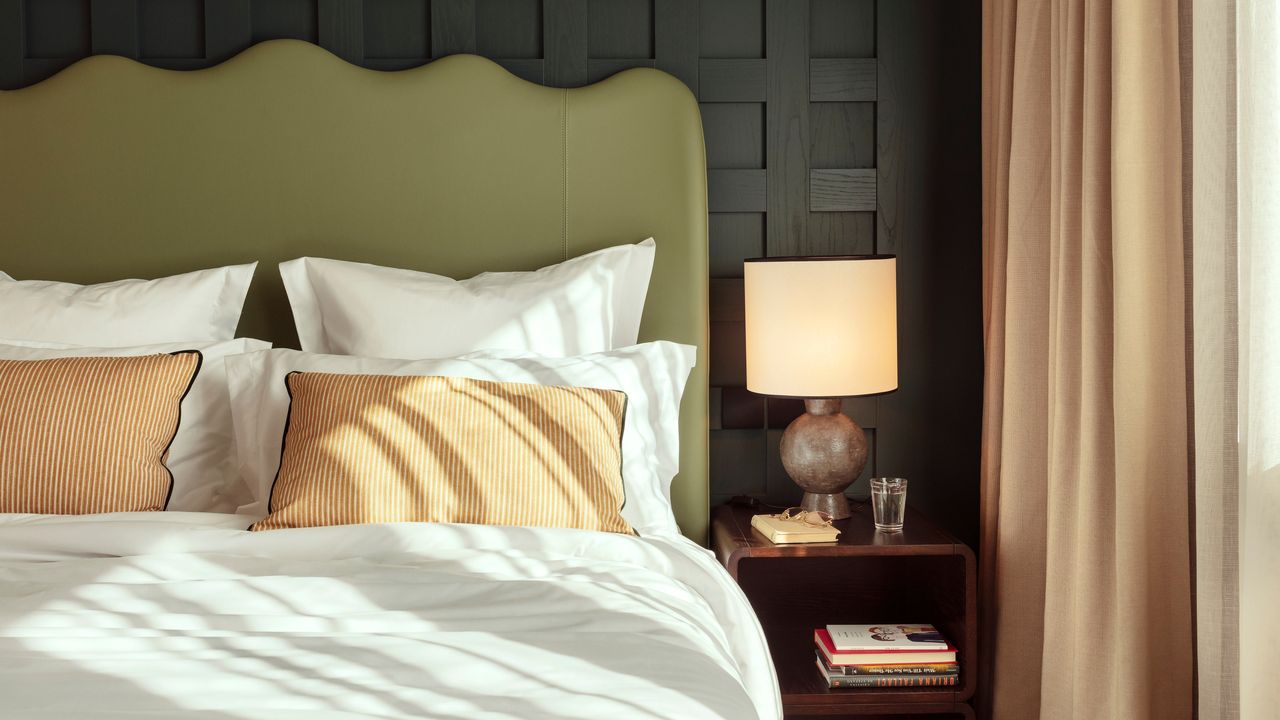
Mid-Range & Boutique Comfort The Soleil Boutique Hotel and La Siesta Classic Ma May offer exceptional value. Located in the heart of the Old Quarter, these properties provide high-thread-count comfort and rooftop bars with panoramic views, serving as perfect sanctuaries from the heat and noise below.
Looking ahead, 2026 marks the full operation of the Four Seasons Hanoi at Hoan Kiem Lake, which has set a new benchmark for lakeside elegance, blending modern Vietnamese artistry with world-class service.
Culinary Highlights: Beyond the Bowl
If Pho is the soul of Hanoi, then its street food is the lifeblood. You cannot leave the city without trying Egg Coffee (Ca Phe Trung). Invented at Café Giang during the milk shortages of the 1940s, it’s a decadent concoction of whisked egg yolk, sugar, and condensed milk atop robust Vietnamese coffee. For a more local vibe with a view, try Café Dinh—if you can find the unmarked entrance through a bag shop.
For dinner, follow the footsteps of Anthony Bourdain and Barack Obama to Bun Cha Huong Lien. Order the "Obama Combo"—grilled pork patties in a sweet-savory broth, served with rice noodles, a mountain of fresh herbs, and a cold Hanoi beer. It is simple, messy, and perfect. If you prefer something more delicate, Banh Cuon Thanh Van serves exquisite steamed rice rolls filled with wood-ear mushrooms and pork, topped with crispy shallots.
As night falls, head to the "Bia Hoi Junction" (Ta Hien Street) for a glass of fresh, unpasteurized beer for a few cents, or tuck into the Binh Minh Jazz Club behind the Opera House for a sophisticated end to the evening.
FAQs
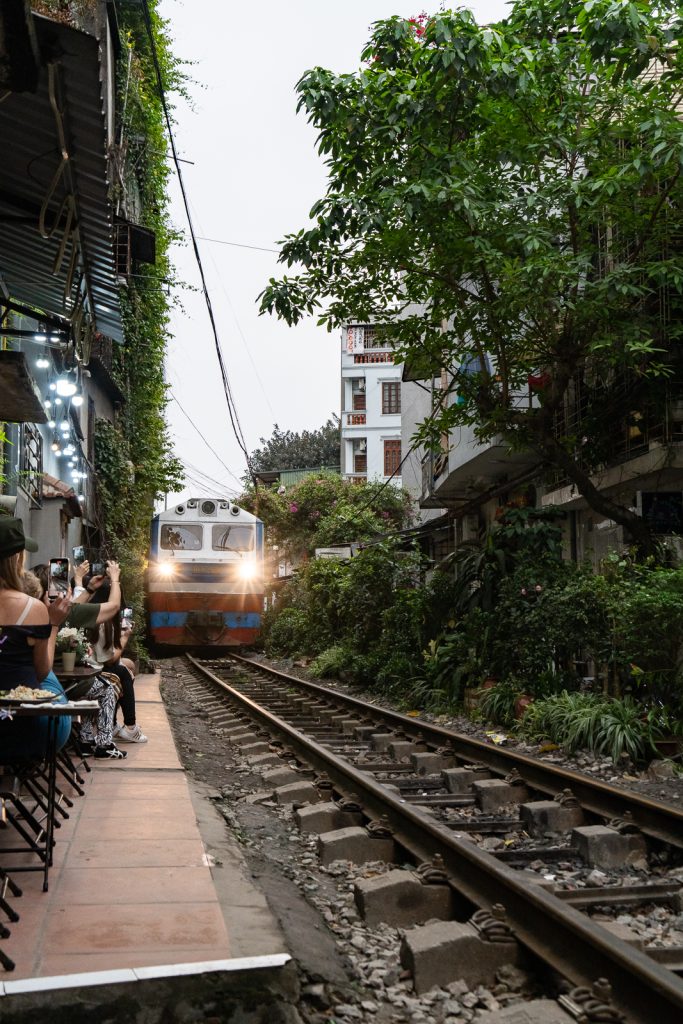
Is Hanoi Train Street safe for children? Yes, provided you are at a cafe and follow the instructions of the staff. When the train approaches, everyone is required to stand behind a designated safety line. However, the Le Duan section is less controlled, so extra vigilance is required there.
What is the best way to pay for things in Hanoi? While larger hotels and restaurants accept credit cards, Hanoi remains a cash-heavy city, especially for street food and markets. Always carry small denominations of Vietnamese Dong (VND).
When is the best time to visit Hanoi? The "Golden Seasons" are autumn (September to November) and spring (March to April). During these months, the weather is mild and dry, avoiding the sweltering heat of summer and the surprisingly biting chill of the northern winter.
Hanoi is a city that rewards the curious. It requires you to step off the main boulevards and into the soot-stained alleys; to sit on a plastic stool and share a meal with strangers; to wait patiently for a train to pass inches from your coffee cup. In 2026, it remains a place where the ancient and the modern exist in a frantic, beautiful harmony.
Ready to get lost in the 36 Streets?