The joy of spending a weekend in a city like Toronto is the realization that you are meant to be a part of its rhythm, not just a spectator. There is a specific kind of magic that unfolds when you wake up in a neighborhood that understands the poetry of space. In downtown Toronto—often whispered about as Canada’s "Loft Capital"—that magic is found behind heavy industrial doors and within the soaring glass of modern developments. To stay in a two-story loft here is to embrace a lifestyle where the boundaries between the historic past and the sleek, urban future simply dissolve.
Quick Facts: Toronto’s Loft Landscape
- The Market: Toronto currently hosts over 150 unique loft buildings, a testament to its industrial heritage and modern architectural evolution.
- Pricing (2026): High-end Airbnb lofts on King Street West typically range from $182 to $334 per night. For those looking for a permanent residence, the median valuation for a loft sits at $840,000, with monthly rentals for 2-bedroom units averaging $3,100.
- Best Neighborhoods: King Street West, Liberty Village, Corktown, and the Distillery District.
- Key Consideration: Most lofts utilize "shared airspace," meaning mezzanine bedrooms are often open to the living area below—superb for couples, perhaps less so for business colleagues.
The Allure of the 'Loft Capital'
Toronto’s identity is inextricably linked to its lofts. While cities like New York or London have their iconic brownstones, Toronto has mastered the art of the "hard" and "soft" loft. Entering the Fashion District or King Street West, you aren't just checking into an accommodation; you are stepping into the heart of a culinary and stylistic renaissance.
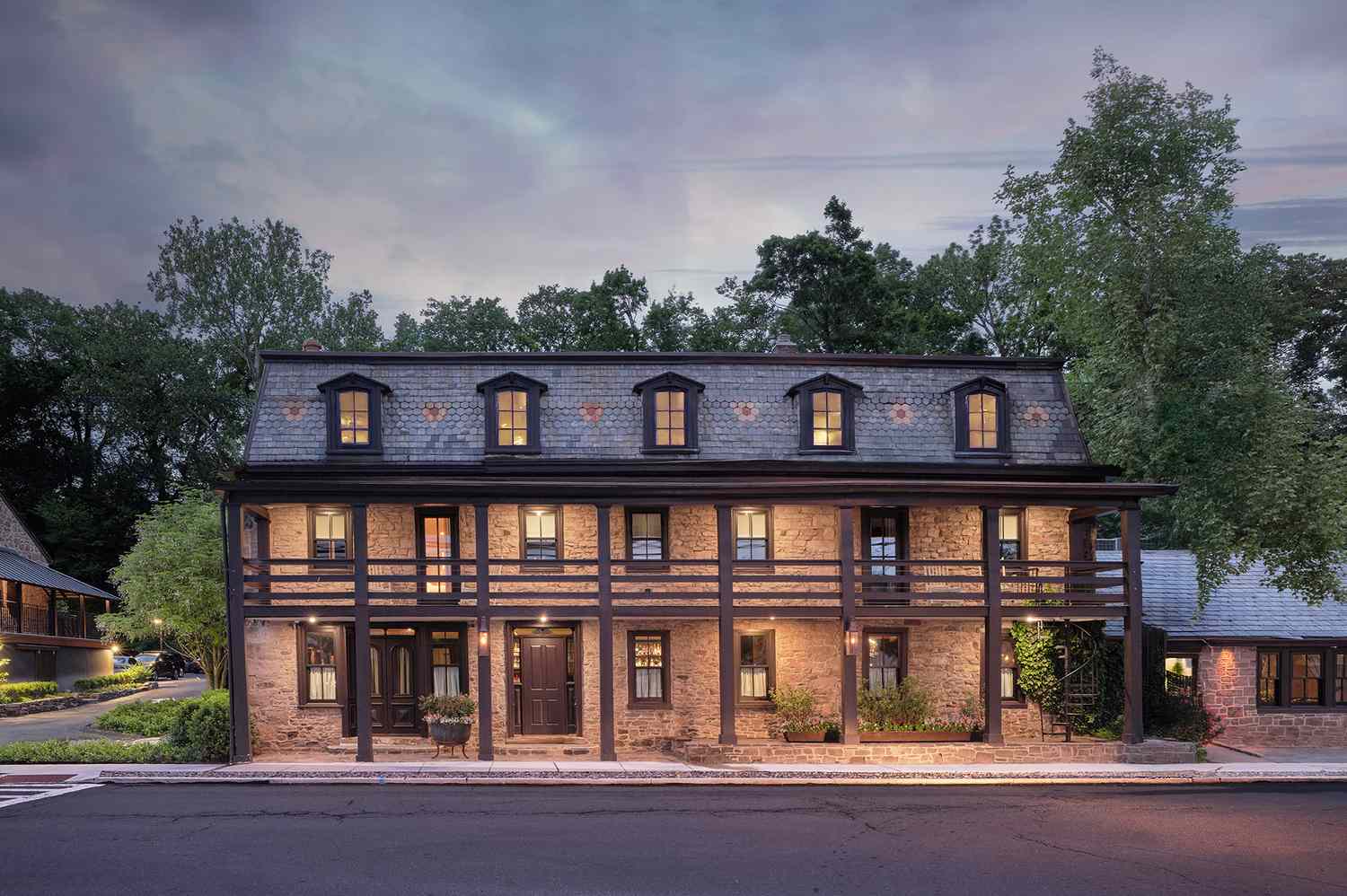
The aesthetic is unmistakable: a dialogue between the rugged and the refined. You might find yourself in a "hard loft"—a converted warehouse or factory—characterized by original "Don Valley" yellow brick and thick timber beams. Conversely, the "soft loft" provides the same soaring verticality but with the polished amenities of 21st-century luxury. As the market moves toward 2026, dozens of new modern developments are scheduled to increase total inventory, ensuring that this style of living remains the gold standard for the urban traveler.
The Anatomy of a 2-Story Loft: A Sensory Tour
The Main Level: Where Volume Meets Light
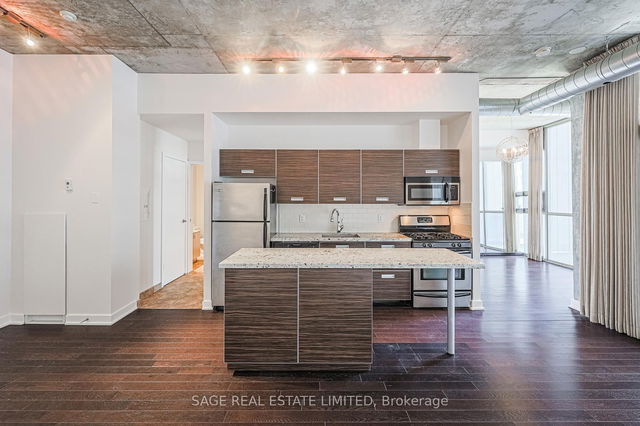
Walking into a modern two-story loft, the first thing that strikes you isn't the furniture, but the volume of air. The "standard" 8-foot ceiling is discarded in favor of soaring 11-foot heights (and sometimes even higher). Floor-to-ceiling windows act as a canvas, painting the interior with the shifting hues of the Toronto skyline.
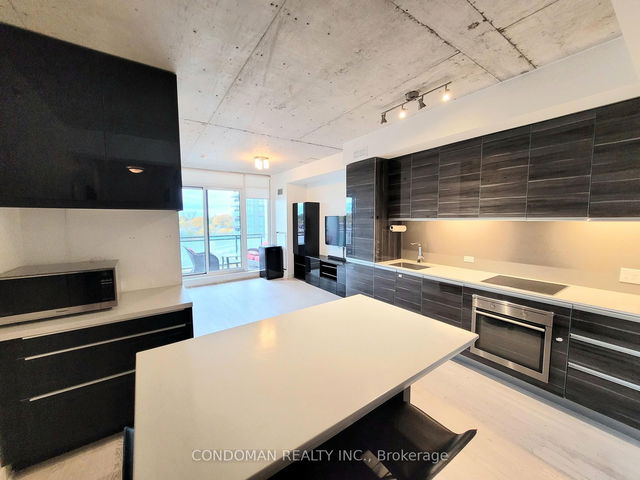
The kitchen is almost always open-concept, designed for the traveler who enjoys a glass of Ontario Riesling while prepping a light charcuterie board. You’ll notice the "industrial-meets-modern" layout: exposed ductwork running across the ceiling like silver veins, contrasted against sleek quartz countertops and integrated European appliances. The floor plan is fluid, allowing the living area to breathe, often centered around a statement piece of furniture or a minimalist hearth.
The Mezzanine Level: The Sanctuary Above
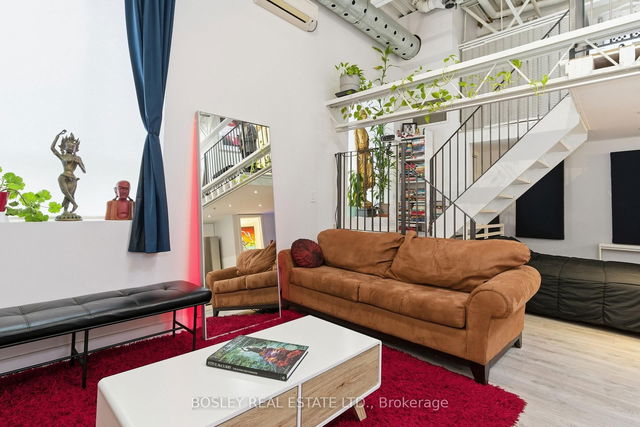
As you ascend the staircase—often a sculptural element of steel or glass—you enter the mezzanine level. This is the traditional sleeping quarter, perched above the activity of the main floor.
The defining characteristic here is "shared airspace." Because the mezzanine frequently overlooks the living room, the light and energy of the lower level permeate the bedroom. While this creates an incredibly romantic and airy atmosphere, it is worth noting for privacy-conscious travelers. Storage is often cleverly managed through custom solutions—think sleek, floor-to-ceiling wardrobes or "IKEA hacks" that blend seamlessly into the minimalist architecture.
Emma’s Detail-Oriented Tip: Look for lofts that feature a "wet room" on the upper level—a beautifully tiled enclosure that houses both a rainfall shower and a soaking tub. It turns your morning routine into a spa-like ritual.
Hard Lofts vs. Soft Lofts: Which Is Your Style?
Choosing between a historic conversion and a modern build is the most important decision for a luxury traveler.
| Feature | Hard Loft (Historic Conversion) | Soft Loft (Modern Build) |
|---|---|---|
| Origin | Factories, warehouses, or churches | Purpose-built residential structures |
| Character | Exposed brick, timber beams, 100-year-old floors | Concrete ceilings, glass walls, modern finishes |
| Windows | Often smaller, framed in iron or wood | Expansive, floor-to-ceiling glass |
| Amenities | Often limited to boutique lobbies | Frequently include gyms, pools, and concierges |
| Privacy | Thick walls, but can have erratic layouts | More predictable layouts, better soundproofing |
Neighborhood Spotlight: Where to Call Home
To understand Toronto is to understand its pockets. Each neighborhood offers a different flavor of loft living, from the gritty-glamorous to the quiet and historic.
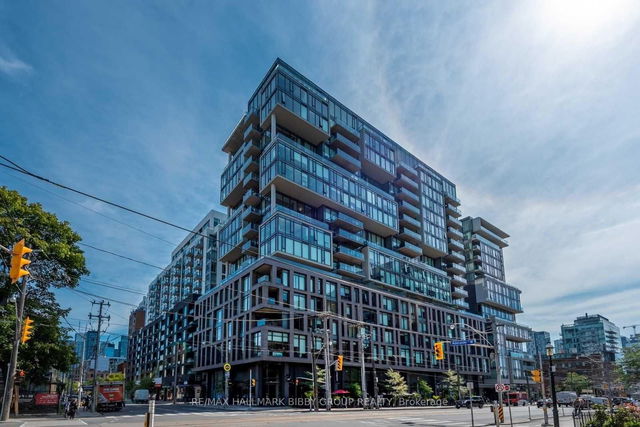
- King Street West & Fashion District: This is the heartbeat of the city. If you want to be steps away from the best cocktails and the most fashionable crowds, this is your enclave. The lofts here are predominantly soft lofts—sleek, glass-heavy, and deeply modern.
- Liberty Village & Distillery District: For those who crave the "warehouse" feel. The Distillery District, in particular, offers a pedestrian-only experience where cobblestone streets lead to grand Victorian-era conversions.
- Corktown: A hidden gem for the authentic "hard loft" hunter. Many of the buildings here were once part of the city’s manufacturing backbone, now transformed into high-end residences with unmatched character.
- Sorauren Avenue (West End): If you prefer a more bohemian, community-focused vibe, the West End conversions near Sorauren Park offer authentic industrial souls with a bit more breathing room.
What to Know Before You Book
While the aesthetic appeal of a loft is undeniable, a successful stay requires a bit of logistical foresight.
1. The Privacy Paradox Because of the open-concept nature and shared airspace, lofts are the ultimate romantic retreat for couples or a fun "base camp" for families with older children. However, if you are traveling with a business colleague or a casual acquaintance, the lack of floor-to-ceiling walls between the mezzanine and the living area might feel a bit too intimate.
2. Acoustic Awareness In hard lofts, those beautiful exposed cedar slat ceilings and brick walls are stunning to look at, but they don't always absorb sound well. If you are a light sleeper, check if the bedroom is positioned away from the street or if the building has a reputation for "energetic" neighbors.
3. The Check-In Experience Many of the city’s premier lofts are located in buildings with high-tech security features. Expect self-check-in via smart locks or a boutique concierge service. Ensure your host provides detailed instructions for parking—downtown Toronto parking can be a labyrinthine experience for the uninitiated.
Local Life: Living Like a Torontonian
Staying in a loft encourages you to live "outwardly." Your home base is stunning, yes, but the city beckons.
- Morning: A ten-minute stroll from King West leads you to Ossington Avenue, where the coffee culture is practically a religion.
- Lunch: Join the queue at Pizzeria Badiali. It is legendary for a reason—the crust is a masterclass in texture, and the local buzz is infectious.
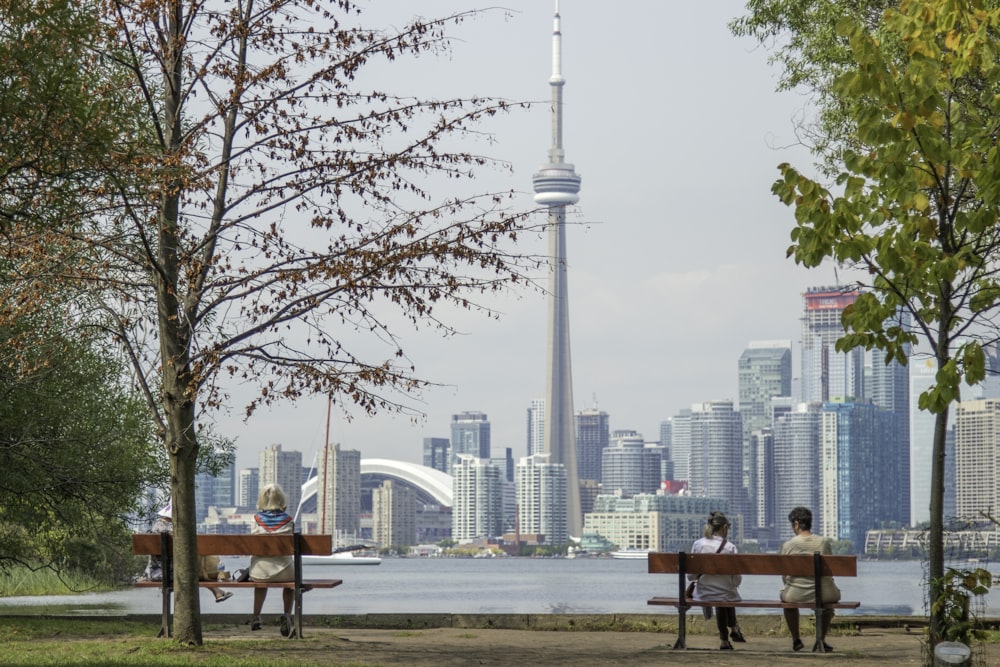
- Afternoon: Take a bike down to the waterfront trails. The contrast between the industrial density of the lofts and the expansive blue of Lake Ontario is the quintessential Toronto experience.
- Arrival: For the most seamless experience, fly into Billy Bishop Airport (YTZ). It’s a mere five-minute Uber from the tarmac to the front door of your luxury loft, bypassing the Pearson traffic entirely.

FAQ: Your Toronto Loft Questions Answered
Q: Are 2-story lofts in Toronto pet-friendly? Many modern soft-loft buildings are incredibly pet-friendly, often located near "green ribbons" like the Bentway or Trinity Bellwoods Park. However, always check the individual Airbnb or rental listing, as some historic hard-lofts have stricter board rules regarding four-legged guests.
Q: Is it better to stay in King West or the Distillery District? It depends on your evening plans. Choose King West for nightlife, high-end dining (like VELA or Lee), and proximity to the TIFF Lightbox. Choose the Distillery District for a quieter, more romantic atmosphere with art galleries and artisanal chocolate shops.
Q: Why are they called 'Loft Capital' stays? Toronto earned this moniker due to the sheer volume of successful conversions. Unlike many cities that demolished their industrial past, Toronto preserved its warehouse district, leading to a density of loft living that is rare in North America.
Conclusion
A stay in a modern two-story loft in downtown Toronto is more than just a place to rest; it is an invitation to experience the city at its most aspirational. It is the feeling of the morning sun hitting exposed brick, the sound of the streetcar humming in the distance, and the luxury of having 11 feet of headspace to dream in. Whether you are visiting for a weekend of romance or scouting for a new urban home, these spaces offer a refined perspective on what it means to live well in the 21st century.