Benvinguts. There is a specific kind of magic that occurs when the Mediterranean sun hits the honey-hued stones of the Barri Gòtic, or when the shadow of a Gaudí spire stretches across a grand boulevard in Eixample. In Barcelona, luxury is not merely a matter of thread counts or Michelin stars—though those are plentiful—but a dialogue with history.
To stay here is to step into a narrative. Recent hospitality trends reveal a 30% increase in 'micro-boutique' palace stays across the city, as discerning travelers pivot away from corporate grandeur toward secluded, residential-style experiences. Today, approximately 65% of Barcelona’s top-rated boutique hotels are housed within heritage-listed buildings. These are spaces where hydraulic floor tiles whisper of the 19th-century bourgeoisie and Roman walls form the literal foundation of your morning espresso. Whether you are seeking the hushed intimacy of a 12th-century medieval palace or the exuberant curves of a Modernist masterpiece, Barcelona’s hotel scene offers a sanctuary for every romantic soul.
The Heritage Hospitality Renaissance: Sleeping in History
Choosing where to lay your head in this city is a choice of era. If you are wondering which hotels in Barcelona are true converted palaces, the options are as prestigious as they are varied. Hotel Neri, for instance, is a 12th-century medieval marvel tucked into the Jewish Quarter, while Casa Llimona offers the refined grace of a restored 1890s mansion.
For those prioritizing authentic architecture, your neighborhood is your compass. The Eixample district is the undisputed heart of Modernisme, characterized by the visionary works of Enric Sagnier and Antoni Gaudí. Conversely, the Gothic Quarter (Barri Gòtic) is the premier choice for those who wish to live among Roman ruins and medieval stone arches.
| Hotel | Era | Neighborhood | Unique Feature |
|---|---|---|---|
| Hotel Neri | 12th Century | Gothic Quarter | Relais & Châteaux intimacy in a medieval palace |
| Cotton House | 19th Century | Eixample | Original marble spiral staircase and cotton-themed scent |
| Mercer Hotel | Roman/Medieval | Gothic Quarter | Integrated 1st-century Roman defensive walls |
| Hotel Boutique Mirlo | Early 20th Century | Sarrià-Sant Gervasi | Private in-room steam hammams in every suite |
| Hotel Casa Sagnier | 19th Century | Eixample | Former studio of architect Enric Sagnier |
The Gothic Heart: Medieval Grandeur
Stepping into the Gothic Quarter is like entering a labyrinth of time. Here, the "Neighborhood-as-Identity" is felt most strongly; the air is cooler between the narrow stone walls, and the sound of a distant Spanish guitar echoes against façades that have stood for nearly a millennium.
Hotel Neri Relais & Châteaux is the crown jewel of this district. Comprised of two historic aristocrats' houses, one of which dates back to the 12th century, the hotel manages to feel both ancient and avant-garde. The scent of flickering candles and expensive iris root fills the lobby, while the rooftop bar offers a hushed view of the Cathedral’s spires—a perfect spot for a "Mar i Muntanya" inspired cocktail as the sun sets.
Just a few winding alleys away, the Mercer Hotel Barcelona offers a masterclass in archaeological integration. Here, you aren't just staying near history; you are sleeping within it. The hotel features 1st-century Roman walls and 12th-century mural paintings, all softened by the minimalist touch of architect Rafael Moneo. The inner courtyard, with its orange trees and soft trickle of water, provides a meditative retreat from the city's vibrant pulse.
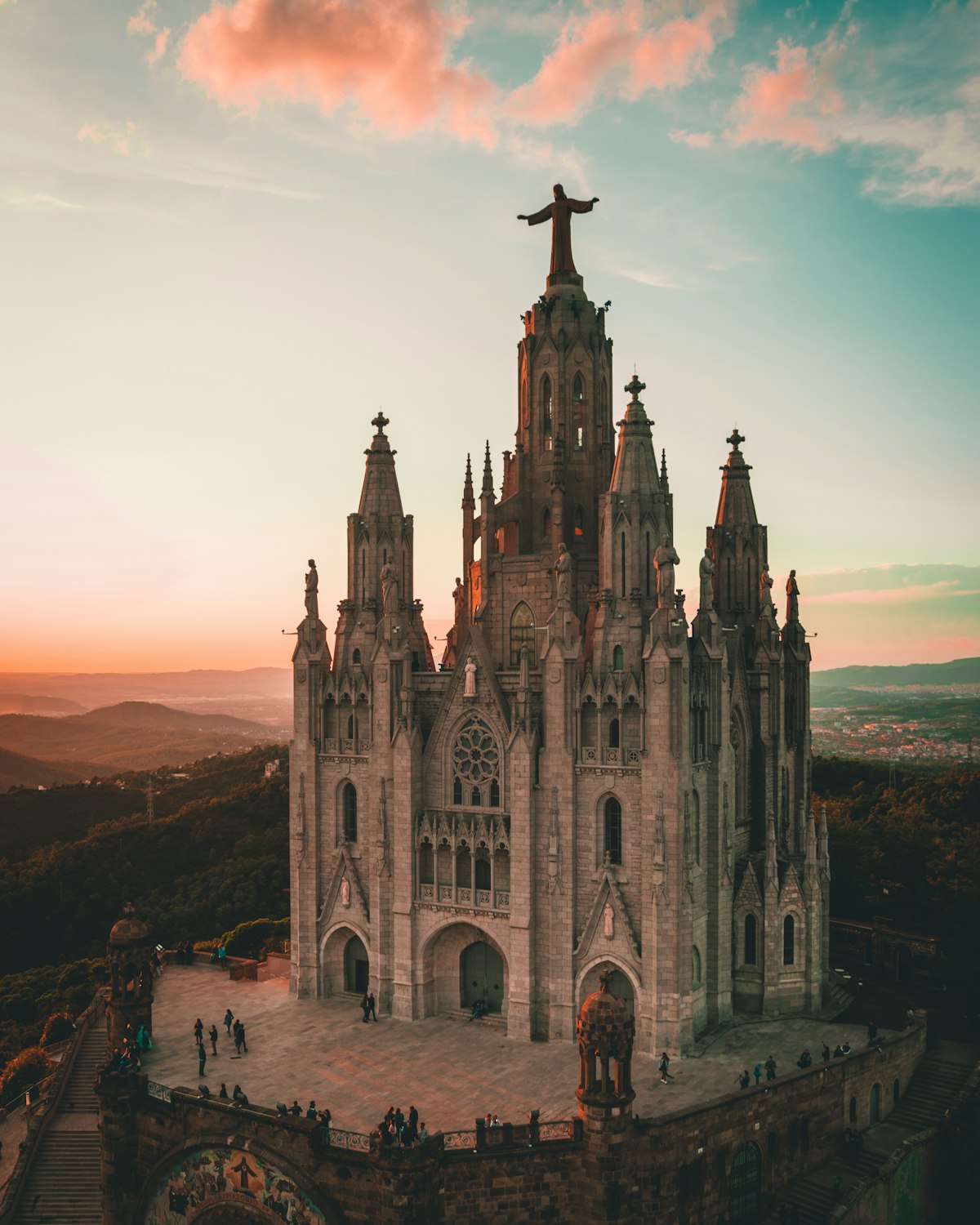
Modernist Gems: Living the Gaudí Era
Trading the medieval maze of the Gothic Quarter for the grid-like elegance of Eixample is a transition from shadows to light. This is the district of the Great Burgeoisie, where every balcony is a work of art.
Hotel Casa Sagnier is a particularly poignant choice for architecture lovers. It is housed in the former family home and studio of Enric Sagnier, the city’s most prolific architect. The vibe here is that of a "writer’s retreat"—refined, intellectual, and deeply comfortable. The rooms feel like private apartments, complete with mid-century furniture that complements the original architectural bones.
For a more theatrical sense of luxury, the Cotton House Hotel is peerless. Once the headquarters of the Cotton Textile Foundation, this 19th-century neo-classical palace retains its original boiserie, golden leaf ceilings, and a spectacular marble staircase. The experience is sensory-rich, from the bespoke cotton-themed design elements to the "Atelier" where guests can have a custom shirt made by a master tailor.
Even the newcomers, like Antiga Casa Buenavista, pay homage to this era. Located where the old city meets the new, it blends Modernist elements—think intricate hydraulic floor tiles and French-style balconies—with a gritty, downtown soul that feels quintessentially Barcelona.
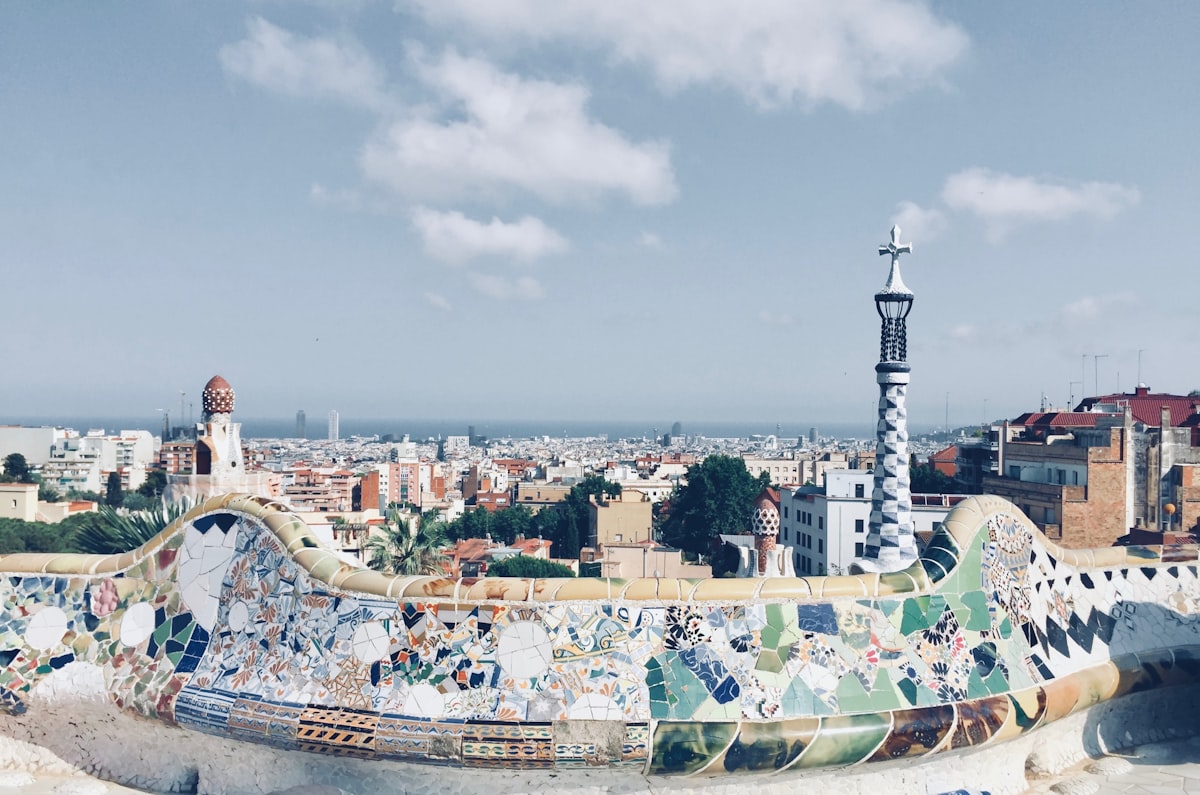
Emma’s Design Tip: Look down. In many of these heritage stays, the "hydraulic" floor tiles (mosaicos hidráulicos) are original 19th-century features. Each neighborhood often has its own signature pattern, turning the floor into a vibrant tapestry of Barcelona's artistic history.
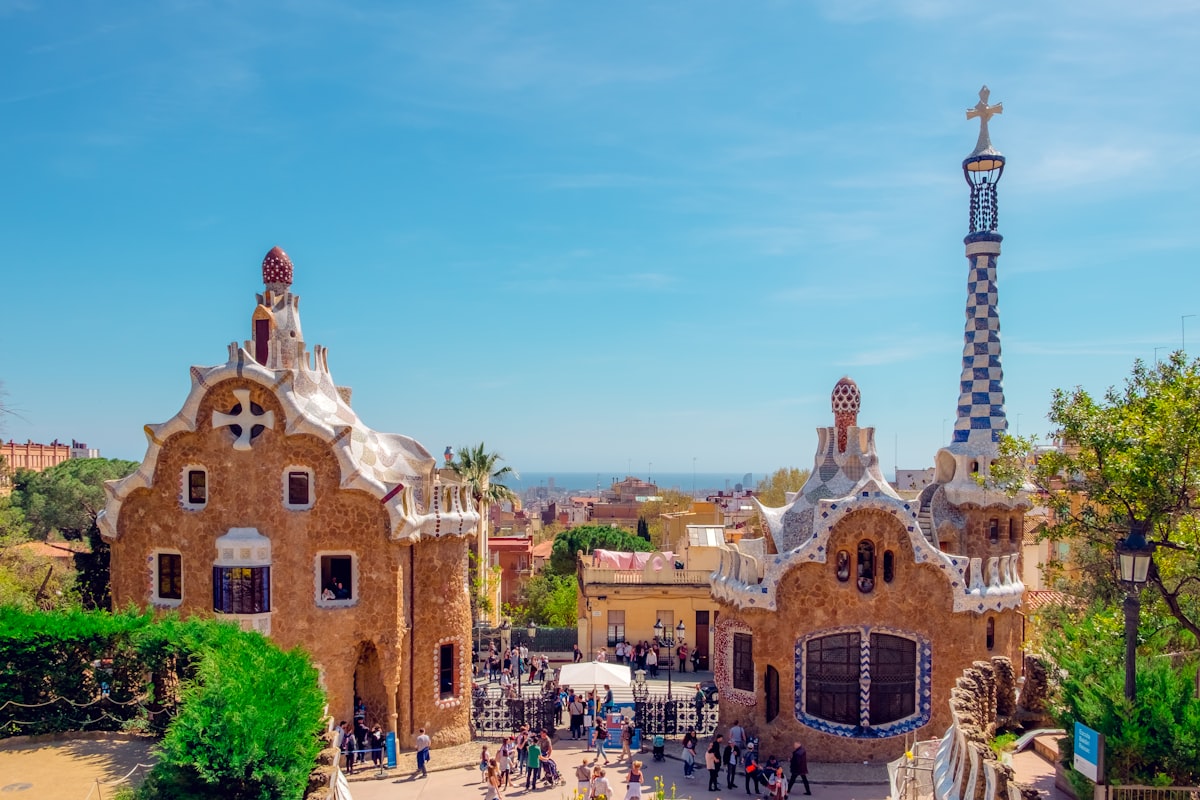
Hidden Sanctuaries and Micro-Boutiques
For those who find large hotels overwhelming, Barcelona has perfected the "micro-boutique." These properties offer fewer than 20 rooms, ensuring a level of service that feels more like a private invitation than a commercial transaction.
Hotel Boutique Mirlo is a 16-room retreat in the upper reaches of the city that feels like it was plucked from the pages of Carlos Ruiz Zafón’s The Shadow of the Wind. It is a sanctuary of quiet luxury. Most notably, every single guest room features a private in-room steam hammam, allowing for a spa-like ritual in the complete privacy of your suite. It is the ultimate romantic indulgence after a day of exploring the nearby Tibidabo hills.
If you seek a "gentleman’s club" atmosphere with a familial heart, Primero Primera in the residential Les Tres Torres neighborhood is a hidden gem. This family-run luxury hotel manages to feel nostalgic and contemporary all at once, offering a respite from the tourist-heavy center while maintaining an impeccable standard of refined service.
Experience the Private Hammams at Mirlo →
Luxury with a View: Rooftops and Seafronts
No visit to Barcelona is complete without acknowledging its relationship with the Mediterranean. While the palaces of the interior offer history, the seafront properties offer a sense of infinite horizon.
For a modern take on the boutique experience, Borneta in the El Born district has become a favorite for its "Rooftop Bathtub" suites. Imagine soaking in a deep tub on your private terrace, with a direct, unobstructed view of the Sagrada Família’s towers rising in the distance. It is an emotional moment that captures the city’s duality—old and new, sacred and profane.
If you prefer the expansive blue of the sea, Hotel Arts Barcelona remains the city’s beachfront icon. While larger than a boutique stay, its "Club" level provides a personalized, "hotel-within-a-hotel" feel. Dining here is an event in itself, with the two-Michelin-starred Enoteca by Paco Pérez celebrating the bounty of the Catalan coast. For a more elevated perspective—literally—the Grand Hyatt Barcelona offers 12th-floor panoramas that stretch across the Mediterranean, providing a glamorous backdrop for a midnight glass of Cava.
Planning Your Stay: Insider Tips for 2026
The allure of Barcelona is constant, but timing is everything. To truly enjoy these unique boutique stays, I recommend visiting during the shoulder seasons of April/May or September/October. The weather is mild enough for rooftop dining, but the crowds are thin enough to allow for a quiet moment in a medieval courtyard.
- Booking Strategy: For micro-boutiques like Hotel Neri or Mirlo, book at least 4-6 months in advance. Their limited room counts mean they fill up quickly, especially during the Primavera Sound festival or the Mobile World Congress.
- Neighborhood Choice: If you want to walk to the major museums, stay in Eixample. If you want to get lost in romantic shadows, choose the Gothic Quarter. If you want a residential, quiet experience, look toward Sarrià.
- The "Palace" Value: Don't shy away from these heritage stays even if you are on a mid-range budget. Many boutique palaces offer smaller "Cosy" or "Inner Courtyard" rooms that provide the same architectural grandeur and service at a more accessible price point.
FAQ
Which hotels in Barcelona are converted palaces?
Several of the city's most prestigious hotels are former palaces. Hotel Neri is a 12th-century medieval palace, Cotton House Hotel is a 19th-century neo-classical palace, and Mercer Hotel incorporates part of the city’s ancient Roman walls and medieval structures.
What are some unique hotel amenities in Barcelona?
Beyond standard luxury, unique amenities include private in-room steam hammams at Hotel Boutique Mirlo, outdoor rooftop bathtubs with Sagrada Família views at Borneta, and the bespoke "Cotton" fragrance and tailor services at Cotton House Hotel.
Is it better to stay in Eixample or the Gothic Quarter?
It depends on your aesthetic preference. Choose Eixample for wide boulevards, Modernist architecture (Gaudí), and high-end shopping. Choose the Gothic Quarter for historic intimacy, medieval atmosphere, and being within walking distance of the seafront and the Cathedral.
Are you ready to find your own corner of history? Whether it’s the steam of a private hammam or the footfall on a 19th-century wooden staircase, Barcelona's boutique palaces are waiting to tell you their story.