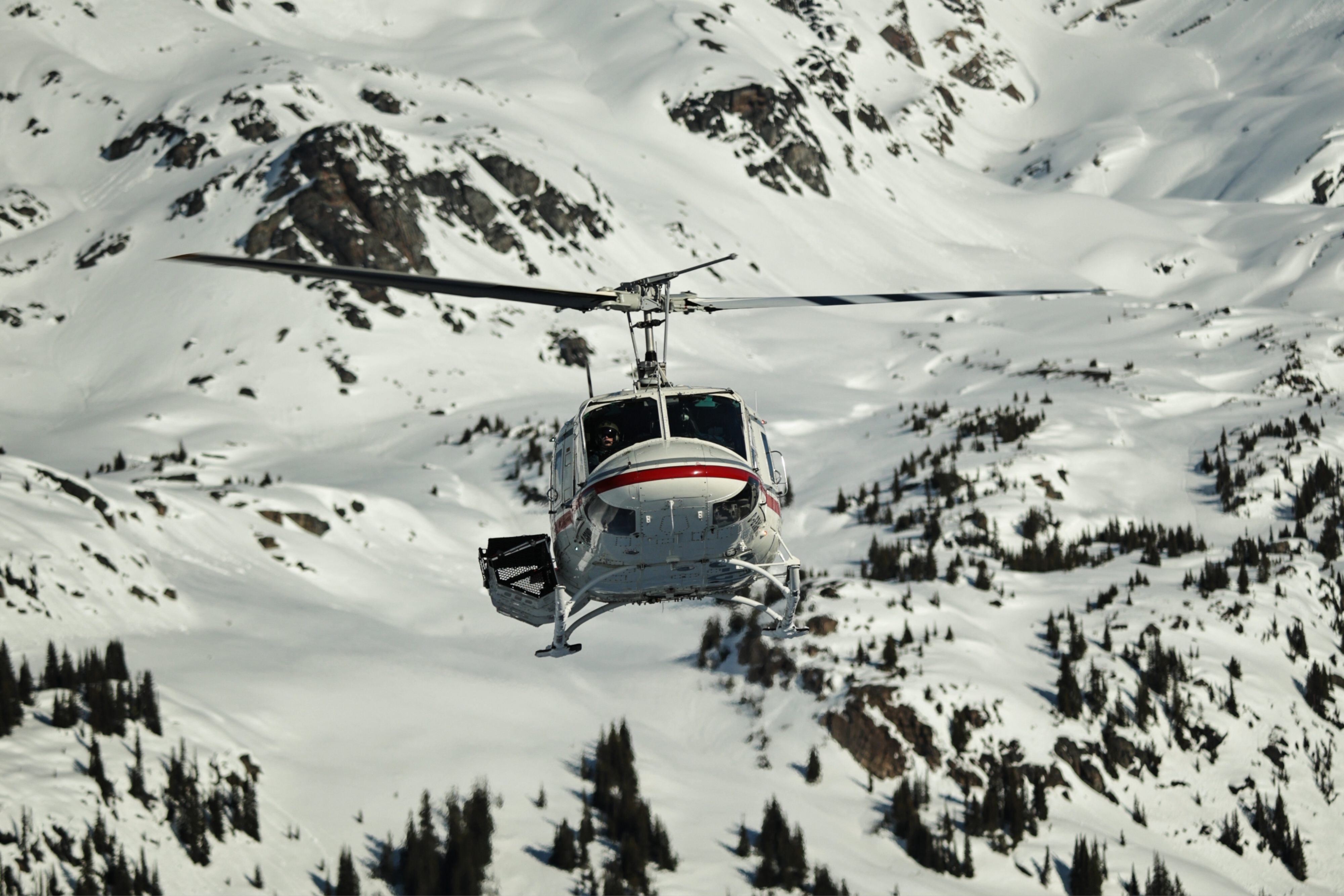
The percussive thump of the rotors vibrates in your chest, a rhythmic pulse that drowns out everything but your own quickening heartbeat. As the helicopter banks over a jagged ridge in the Purcell Mountains, the world below opens up into an impossibly vast, untouched white canvas. If you’ve spent any time scrolling through adventure feeds, this is the moment you’ve seen a thousand times: a pro athlete dropping into a 50-degree chute, trailing a rooster tail of snow like a literal frozen comet.
I’ll be honest—the first time I stood at a heli-pad, I felt a serious sense of trepidation. I’m an avid skier, sure, but I don’t get paid by Red Bull to jump off cliffs. I worried I’d be the "anchor" slowing down a group of experts. But here’s the reality that the GoPro reels don’t show you: heli-skiing isn’t just for the elite 1%.
Is heli-skiing suitable for intermediate skiers? Absolutely. If you are a confident intermediate skier who can comfortably navigate "double-blue" or entry-level black diamond runs at a resort, the backcountry is closer than you think. Thanks to a combination of modern "fat ski" technology and the meticulous guiding systems pioneered by operators like CMH (Canadian Multi-Mountain Holidays), the dream of deep powder is now an accessible reality for the "weekend warrior" crowd.
The Instagram Illusion vs. Backcountry Reality
Social media has a way of gatekeeping the best experiences by making them look death-defying. In reality, the vast majority of heli-skiing terrain consists of wide-open glades and rolling sub-alpine meadows—terrain that is often more forgiving than a crowded, icy resort run on a Saturday afternoon.
Consider the sheer scale of the playground. CMH Purcell, for instance, offers access to a staggering 495,000 acres of backcountry terrain. To put that in perspective, that is approximately 60 times the size of Whistler-Blackcomb, North America’s largest traditional ski resort (which clocks in at 8,171 acres). When you have that much space, your guides aren't forced to take you down the steepest cliffs; they have the luxury of choosing the perfect "hero snow" on a pitch that matches your ability level.

The 'Intermediate' Threshold: Are You Ready?
So, how do you know if you’ve actually hit the "Heli-Ready" mark? At most lodges, the benchmark is "confident intermediate." This means you can keep your skis parallel, control your speed on steep-ish terrain, and have the fitness to spend a full day on the mountain.
The biggest barrier for most intermediates isn't the slope angle—it’s the snow depth. If you’ve only skied groomed resort runs, 30 centimeters of fresh powder can feel like trying to run through waist-deep water. This is where the "Fat Ski Revolution" comes in.
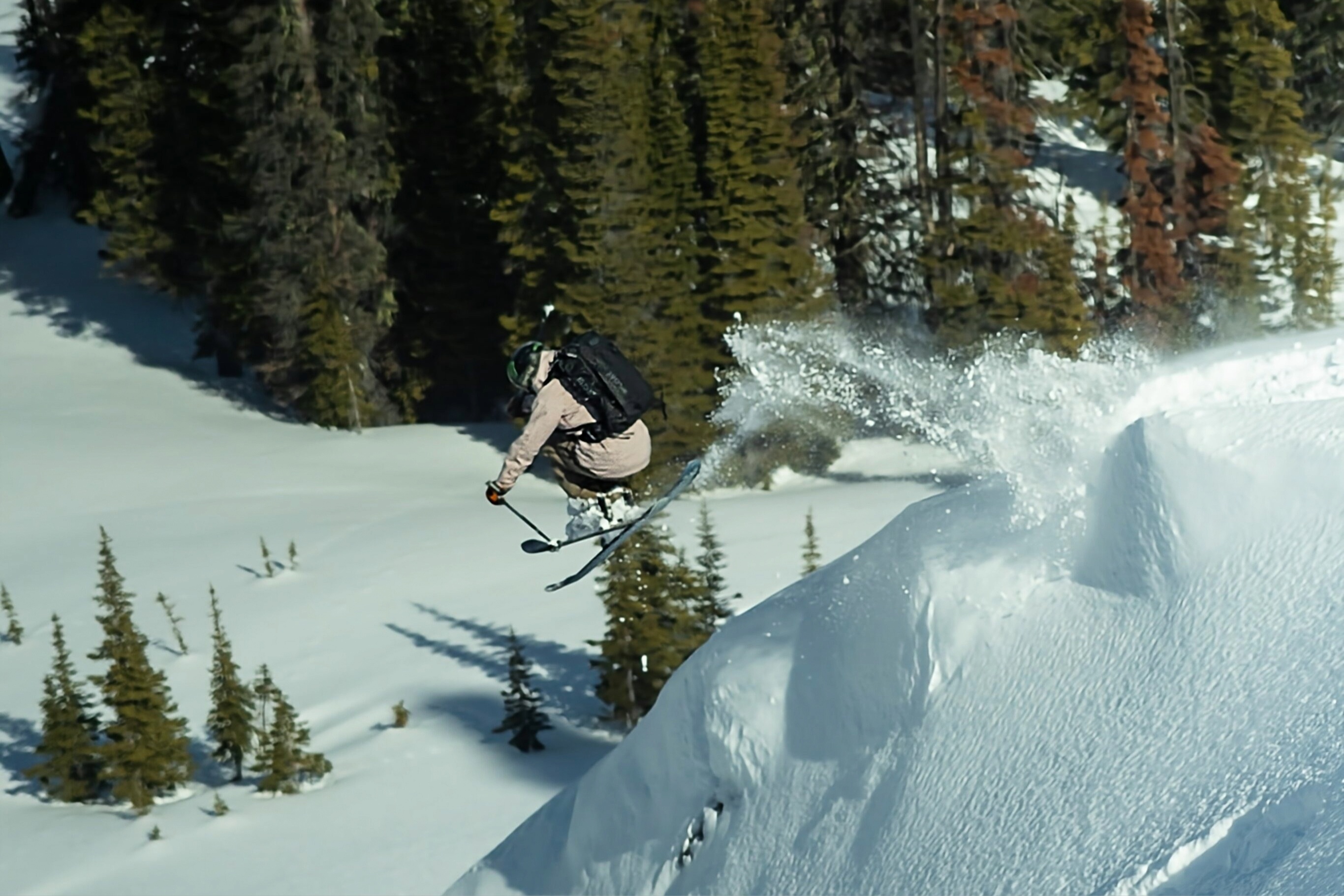
Back in the day, skiing powder on "toothpick" skis required a specific, bouncy technique that took years to master. Today’s backcountry skis are wide (often 115mm+ underfoot) and feature "rocker" technology that allows them to float on top of the snow. They do the heavy lifting for you. I’ve seen resort skiers who usually struggle in the bumps find their "powder legs" within three turns because the gear makes them feel weightless.
The Double-Blue Rule: If you can ski "Blue" runs at a major resort like Vail or Revelstoke in almost any condition (even when they're a bit chopped up) and you can handle the occasional "Black" run without a panic attack, you have the technical foundation for a "Powder Introduction" program.
For those still feeling a bit shaky, I highly recommend the CMH Powder Intro program. It’s specifically designed for first-timers, featuring smaller groups and extra coaching on powder technique.
Explore CMH Powder Intro Programs →
Safety as Science: Behind the Scenes of a Heli-Drop
One of the most common questions I get is: Is heli-skiing dangerous?
Nature is never 100% predictable, but professional heli-skiing is a far cry from the "cowboy" era of the 60s. Today, safety is treated with the precision of aerospace engineering. Operators like CMH have been honing their craft since 1965, developing standard operating procedures utilized across 11 different lodges in British Columbia.
The Two-Guide System
The "Lead and Tail" system is the gold standard. A Lead Guide breaks the trail and selects the safest, most enjoyable line based on the group's ability. Meanwhile, a Tail Guide follows the group, ensuring no one is left behind and providing immediate assistance if someone loses a ski in a "tomahawk" tumble.
Daily Hazard Assessments
Before you even eat your breakfast, the guides have already spent hours analyzing weather data, snowpack stability, and avalanche forecasts. They use established landing zones and "test pits" to ensure the terrain is safe for that specific day’s conditions. This 60-year legacy of data collection means they aren't guessing; they are making informed decisions to manage risk in remote backcountry environments.
Resort Skiing vs. Heli-Skiing: The Breakdown
| Feature | Resort Skiing | Heli-Skiing |
|---|---|---|
| Acreage | ~500 - 8,000 acres | 400,000+ acres |
| Crowds | High (lift lines, tracked-out snow) | Zero (just your group of 4-11) |
| Snow Quality | Packed powder / Groomed / Icy | Untouched, deep "cold smoke" powder |
| Vertical | 2,000 - 4,000 ft per day | 15,000 - 30,000+ ft per day |
| Terrain Choice | Fixed trails | Infinite lines chosen by a guide |

(Note: Use placeholder https://img.pickytraveller.com/publisher/imagehub/e6e7273de43a.jpg)
From Day Trips to Family Memories
The image of heli-skiing as a "boys' club" for adrenaline junkies is fading fast. There is a massive rise in family heli-skiing trips. Most operators, including CMH and Boutique lodges like Eleven Revelstoke, have a minimum age of 12 years old, provided the child has the necessary skiing proficiency.
If you aren't ready to commit to a week-long lodge stay (which can run upwards of $10,000), consider a day trip. In hubs like Revelstoke or Banff, you can find day programs ranging from $990 to $2,100. It’s a perfect way to "test the waters" without the massive price tag.
For those looking for a more intimate, high-end experience, Eleven Revelstoke Lodge is a standout. They offer small-group access with a focus on personalized guiding, which is perfect for intermediate families who want a bespoke pace.
The First-Timer’s Survival Kit: Packing and Hacks
I’ve learned the hard way that the wrong gear can ruin a perfect day. Here are my "Marcus Rivera approved" tips for your first backcountry drop:
- The Boot Hack: Your ski boots are the only thing that can't be easily replaced or rented. Always carry them on the plane. If the airline loses your luggage, you can rent skis and buy a jacket, but skiing in brand-new, un-molded rental boots in the backcountry is a recipe for blister-induced misery.
- Layering 101: You will get hot on the way down and cold while waiting for the heli. Avoid heavy, insulated parkas. Instead, use a three-layer system: a moisture-wicking merino base, a breathable mid-layer (like a light down vest), and a high-quality GORE-TEX shell.
- Bright is Right: Wear high-visibility colors (orange, bright blue, red). Not only does it look better in photos, but it makes it much easier for your guides and the pilot to spot you against the white landscape.
- Physical Prep: You don't need to be an Olympic athlete, but you should focus on your "stabilizer" muscles. Spend a few weeks on a Bosu ball or doing core-heavy workouts. Powder skiing is a full-body dance, and your core is what keeps you upright when the snow gets deep.
FAQ
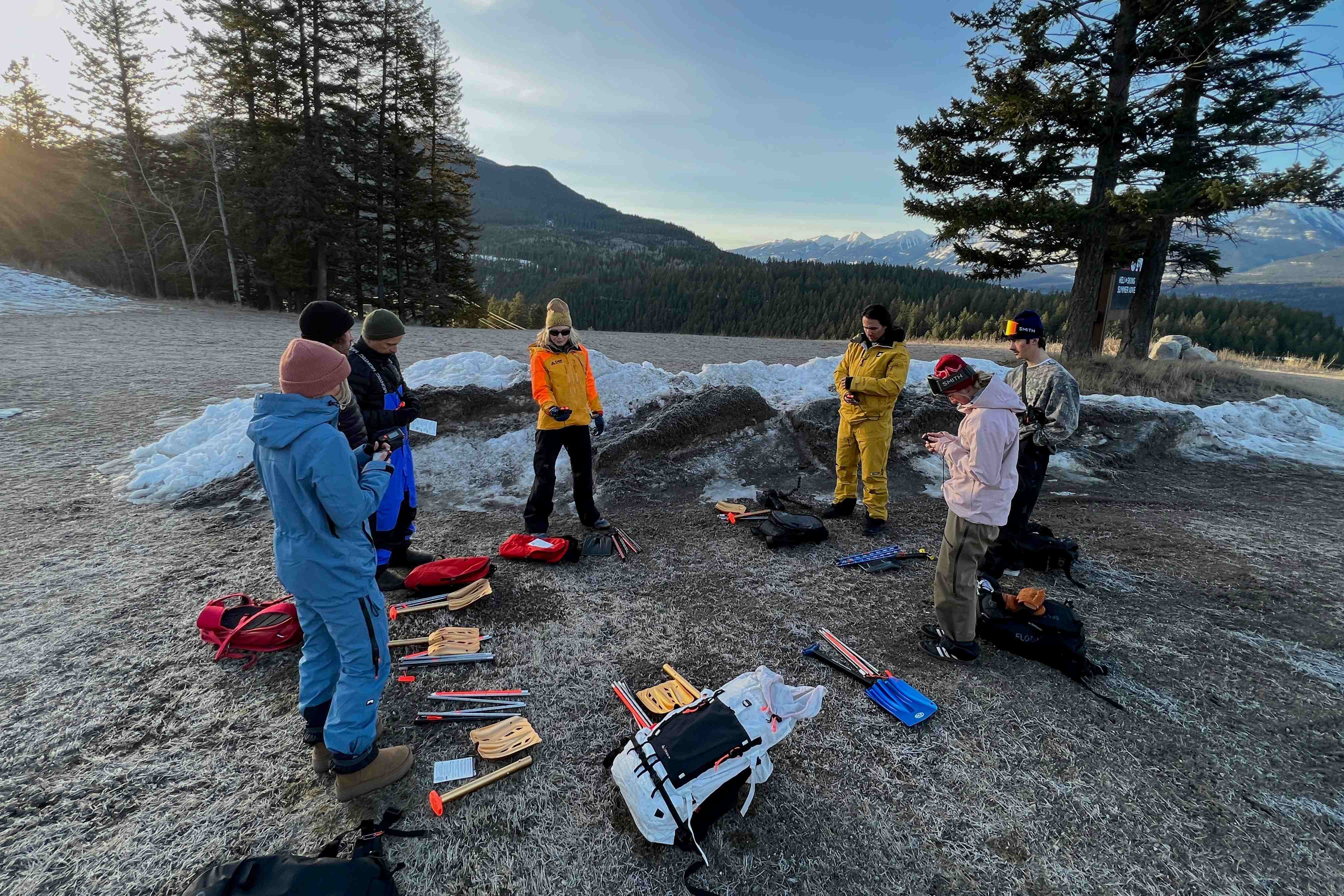
Do I need to know how to use avalanche gear? Don't worry—you don't need prior experience. Every reputable operator provides a mandatory safety briefing on the first morning. They will teach you how to use a transceiver (beacon), probe, and shovel. You’ll also be provided with a specialized backpack (often an airbag pack) containing all the necessary tools.
What happens if I fall in deep powder? It happens to everyone! Falling in powder is like falling into a giant pillow. The challenge is getting back up. The trick is to cross your skis to create a "platform" or use your poles in an 'X' shape to push yourself up. Your tail guide is always there to help if you get stuck.
Is snowboarding allowed? Absolutely. About 20-30% of heli-guests are snowboarders. Just ensure you are comfortable on "traverses" (flat sections) and can maintain speed to avoid getting stuck in deep pockets.
Final Thought: Just Take the Leap
There is a specific silence that happens after the helicopter lifts off and leaves your group on a remote peak. For a few seconds, it’s just you, the wind, and miles of untouched snow. That moment is why we do this.
Heli-skiing isn't about being the best skier on the mountain; it's about accessing the most beautiful corners of the planet. If you can handle a double-blue, you’re ready. Stop watching the reels and go make your own.
Ready to find your line? Check out the latest availability for the upcoming season at CMH and start your backcountry journey.