Tucked into the corner of my suitcase, nestled between a silk slip dress and a leather-bound journal, lies a pair of vintage terrycloth slippers. They are slightly frayed at the edges, a faded crest of a long-defunct steamship company still visible on the bridge. They belonged to my grandfather, Arthur, who arrived in Rome in the spring of 1958 with nothing but a desire to see the world and a "necessarily vague" reservation at a small inn near the Spanish Steps.
Decades later, I find myself tracing his footsteps. This isn't just a holiday; it’s a chapter of what researchers call "heritage tourism"—a phenomenon that has seen a 22% rise among travelers seeking to reconnect with the destinations that shaped their family’s history. My destination is the Hotel D’Inghilterra, a cornerstone of the Roman Tridente district that has recently undergone a metamorphosis so profound, it feels as if the building itself has been holding its breath for seventy years, only to exhale in a flourish of light teal and gold.
The Inheritance in the Suitcase: Bridging Two Centuries
In my grandfather’s letters, Rome was a city of "dusty grays and sun-bleached ochre," a place where the grandeur was tempered by a post-war austerity. His experience at the D’Inghilterra was utilitarian—a base for a young man who spent his days sketching the Bernini fountains and his nights drinking espresso until his heart raced.
Today, the solo journey has evolved. Following a gut renovation throughout 2024 and 2025, the Hotel D’Inghilterra has reported a 30% increase in solo traveler bookings. It seems I am not alone in my solitude. There is a specific kind of luxury in reclaiming one's history while enjoying the refined comforts of the present. As I checked into my suite, the ghost of Arthur’s "dusty gray" dissolved into a palette of mid-century Roman glamour: hand-painted walls the color of a Mediterranean morning and velvet furnishings that invite you to sit and stay a while.
Hotel D’Inghilterra: A Mid-Century Roman Glamour Reimagined
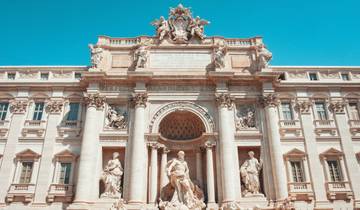
The Hotel D’Inghilterra occupies a singular place in the Roman landscape. Located in the heart of the Tridente district, it is mere minutes on foot from the Spanish Steps, the high-fashion pulse of Via Condotti, and the cinematic splash of the Trevi Fountain. While the hotel has always been a haunt for the literary elite—Byron, Keats, and Hemingway all famously walked these halls—the recent renovation has stripped away the heaviness of the past to reveal a contemporary, light-filled sanctuary.
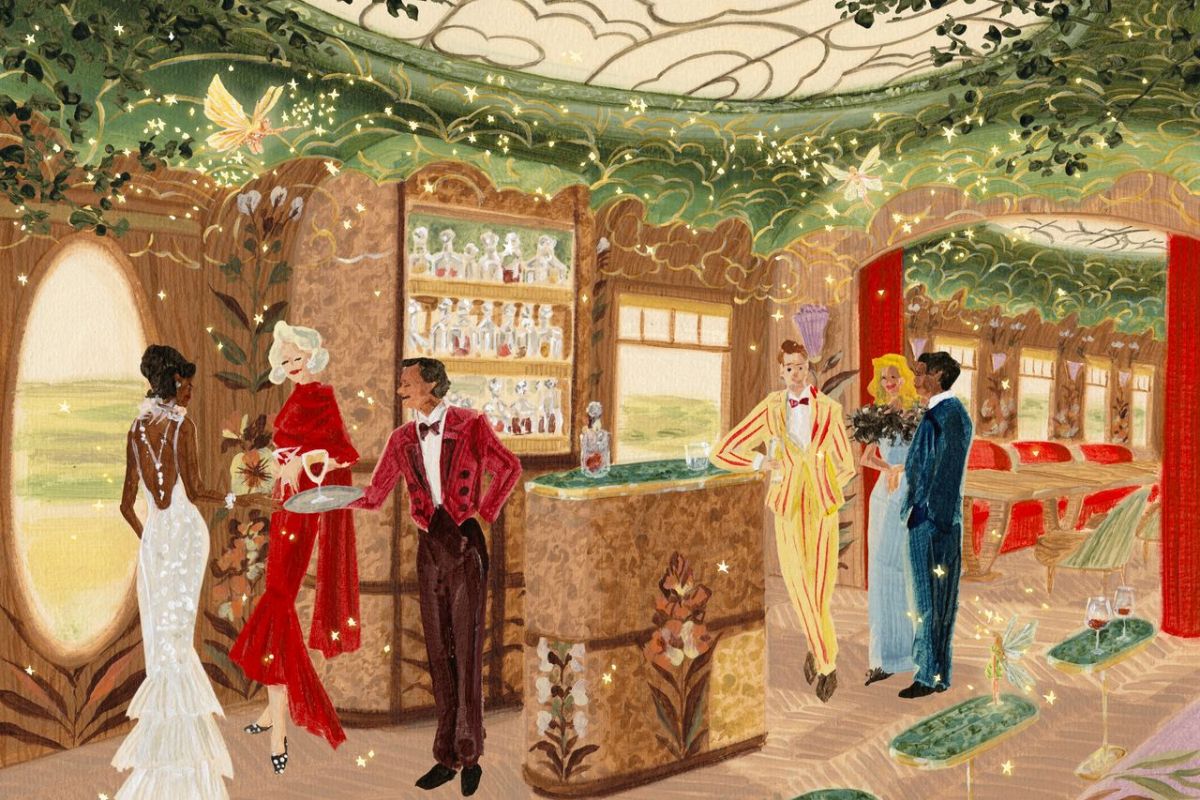
The 2024-2025 transformation was led by a vision of "Luminous History." Gone are the dark tapestries; in their place are light teal walls, gilded accents that catch the afternoon sun, and bespoke Italian craftsmanship. The renovation managed a rare feat: it feels entirely modern without losing the soul of the 16th-century Palazzo Torlonia that houses it.
| Feature | The Vintage Legacy (1950s-1990s) | The Renovated Experience (2025/2026) |
|---|---|---|
| Color Palette | Heavy burgundies, dark wood, "dusty gray" | Light teal, soft gold, cream, and sky blue |
| Furnishings | Antique but occasionally worn | Custom velvet upholstery, mid-century Roman lines |
| Atmosphere | Formal, slightly somber | Vibrant, airy, "glamorous but accessible" |
| Technology | Analog, limited connectivity | Seamless smart-room integration, high-speed Wi-Fi |
The signature suites are the crown jewels of this renovation. Perched high above the cobblestones, they offer terraces that look out over the Roman rooftops—a sea of terracotta tiles and church domes that glow like embers at sunset. For a solo traveler, these rooms are not just accommodation; they are private theaters where the city performs for you.
Experience the New D'Inghilterra →
The Art of Being Alone in the Eternal City
Traveling solo in Rome is an exercise in "absurd beauty." There is no need to compromise on which gallery to visit or when to stop for a negroni. On my second afternoon, the Roman sky turned a dramatic violet before pouring down in a sudden, rhythmic rain. In many cities, rain is a nuisance; in Rome, it is a filter that makes the cobblestones shine like black pearls and sends the crowds scurrying into doorways.
I found refuge in a small trattoria in the Jewish Ghetto, following a scribbled note in my grandfather’s journal about "the best artichokes in the world." The Carciofi alla Giudia—crispy, golden, and seasoned with nothing but salt and history—tasted exactly as he described.
Being alone allows for a sensory immersion that group travel often mutes. You notice the smell of the rain hitting the ancient stone, the way the light catches the bubbles in your prosecco, and the quiet pride of the hotel staff as they point out the original marble moldings in the lobby. The Hotel D’Inghilterra’s staff has mastered the art of "attentive invisibility"—they are there exactly when you need a recommendation for a hidden jazz club, but they respect the silence of a traveler retracing a family ghost.
Planning for the 2026 Jubilee: Expert Logistics
If you are planning to follow in your own family’s footsteps or simply want to witness Rome at its most vibrant, the 2026 Jubilee is the event of the decade. With millions of pilgrims expected to descend upon the city, the logistics of a Roman holiday will change significantly.
Pro Tip for 2026: Staying in the historic center is no longer just a luxury—it is a strategic necessity. The influx of visitors will put immense pressure on Rome's public transport system. By staying at a centrally located property like Hotel D’Inghilterra, you bypass the gridlock of the Metro and the long waits for taxis, as most major sites are within a 15-minute walk.
Navigating the "SeaWorld" Crowds
The 2026 Jubilee will bring what locals call "The Sea of People." To find the "Quiet Rome" my grandfather knew, you must adapt:
- The Dawn Ritual: If you want to see the Trevi Fountain or the Spanish Steps without ten thousand of your closest friends, you must be there by 6:30 AM. The light at this hour is ethereal, and the city feels like it belongs solely to you.
- Expect Construction: Rome is currently a city of scaffolding. Major projects like the pedestrianization of Piazza Pia are in full swing to prepare for the Jubilee. Embrace the chaos; it’s part of the city’s 2,000-year history of constant rebuilding.
- The Heat Factor: April to October 2026 will be exceptionally busy. Temperatures can soar to 35°C (95°F). Plan your sightseeing for the early morning and late evening, utilizing the "siesta" hours for a nap in your teal-walled suite.
Beyond the Hotel: Curated Rome Experiences
While it is tempting to never leave the velvet embrace of the D’Inghilterra, the city calls. For those visiting in 2026, I recommend shifting away from the "Big Three" (Vatican, Colosseum, Pantheon) and exploring more intimate heritage experiences.
- Private Heritage Tours: There are now specialized guides who can help you research family records in Roman archives or find specific locations mentioned in old family photos.
- Small-Group Excursions: Instead of large bus tours, opt for curated small groups (8-15 people). Many high-end agencies now offer day trips that extend beyond the city limits.
- The Culinary Journey: Rome’s food scene is experiencing its own renovation. While the classics—Carbonara, Amatriciana—remain sacred, look for "New Roman" chefs who are incorporating global flavors into traditional structures. Ask the D'Inghilterra concierge for a table at the city's latest Michelin-starred reimagining of a neighborhood osteria.
FAQ: Navigating Rome and the Hotel D’Inghilterra
Is the Hotel D’Inghilterra suitable for solo female travelers?
Absolutely. Its location in the high-end Tridente district is one of the safest in Rome. The hotel staff is exceptionally professional, and the 24-hour concierge provides an extra layer of security and local expertise.
What should I expect regarding prices during the 2026 Jubilee?
Expect a premium. Due to the high demand, hotel rates across the historic center are projected to be 20-40% higher than average. Booking at least 12 months in advance is highly recommended to secure your preferred room type.
How has the 2024-2025 renovation changed the room sizes?
While the structural walls of the historic Palazzo Torlonia remain, the renovation optimized the layouts. Many of the smaller, older rooms were combined into spacious suites, and all rooms now feature modernized bathrooms with premium Italian marble and rainfall showers.
A Legacy Continued
On my final night, I sat on the terrace of my suite, the vintage slippers finally out of the suitcase and on my feet. The Roman sky was that deep, ink-blue that seems unique to this latitude. My grandfather’s "dusty gray" city had become my "light teal" sanctuary.
Rome does not change, and yet it is always changing. It is a palimpsest where every generation scratches its own story over the last. Whether you are retracing a family legacy or beginning one of your own, the renovated Hotel D’Inghilterra offers the perfect vantage point to watch the Eternal City unfold.