The French Alps have long been the gold standard of global winter tourism, but as we look toward the 2026 season, the landscape is shifting. It is no longer enough to offer pristine corduroy pistes and high-speed chairs; the modern traveler demands a "Ski with Confidence" approach. This evolution blends climate-resilient geography with a newfound commitment to slow travel and ecological stewardship. Whether you are chasing the legendary "Big Three" connectivity or seeking the quiet, pine-scented serenity of a Savoyard village, the French peaks offer a topography for every temperament.
1. Val d'Isère: The Snow-Sure Standard-Bearer
For those who view a ski holiday as a pursuit of technical perfection, Val d'Isère remains the ultimate pilgrimage. Positioned at the head of the Tarentaise Valley, its unique microclimate ensures a level of reliability that few European destinations can match. Val d'Isère is widely regarded as the most snow-sure resort in Europe, with a high-altitude season extending from late November through early May.
As part of the vast Espace Killy—an area that offers more skiable ground than British Columbia’s Whistler—Val d'Isère manages to feel both expansive and intimate. The village itself has evolved from a rustic hamlet into a sophisticated hub of Alpine chic, where stone-and-timber facades hide some of the world’s most exclusive chalets. For the 2026 season, the "Ski with Confidence" movement is anchored here by its high-altitude lifts, reaching up to 3,456 meters on the Glacier du Pissaillas.
Best for: Snow reliability and advanced terrain seekers.
- Key Stat: The resort provides access to over 300km of pistes and legendary off-piste runs like the Face de Bellevarde.
- Where to Stay: Le Refuge de Solaise. Perched at 2,551 meters, it is the highest hotel in France, offering a transformative "above the clouds" experience once the final lifts close.
2. Courchevel: The Peak of Alpine Luxury
If Val d'Isère is the athlete’s choice, Courchevel is the sybarite’s sanctuary. While often synonymous with the glitz of 1850, the resort’s true strength lies in its tiered complexity. Outside of Paris, Courchevel maintains the highest density of ultra-luxury hospitality in France, featuring more five-star hotels than any other Alpine destination.
However, beyond the Michelin stars and designer boutiques, it remains a bastion of world-class skiing. Courchevel 1650 (Moriond) is the premier choice for families, offering wide 'Zen Zone' slopes for beginners and the Aquamotion Water Park for off-slope fun. The grooming here is widely considered the best in the world, turning the mountainside into a velvet carpet of white.
Best for: Families, luxury aficionados, and gastronomes.
- Key Stat: Home to eight Michelin-starred restaurants, the highest concentration in the Alps.
- Where to Stay: Hotel Annapurna for family-run luxury with ski-in/ski-out access in 1850.
3. Val Thorens: The Altitude King
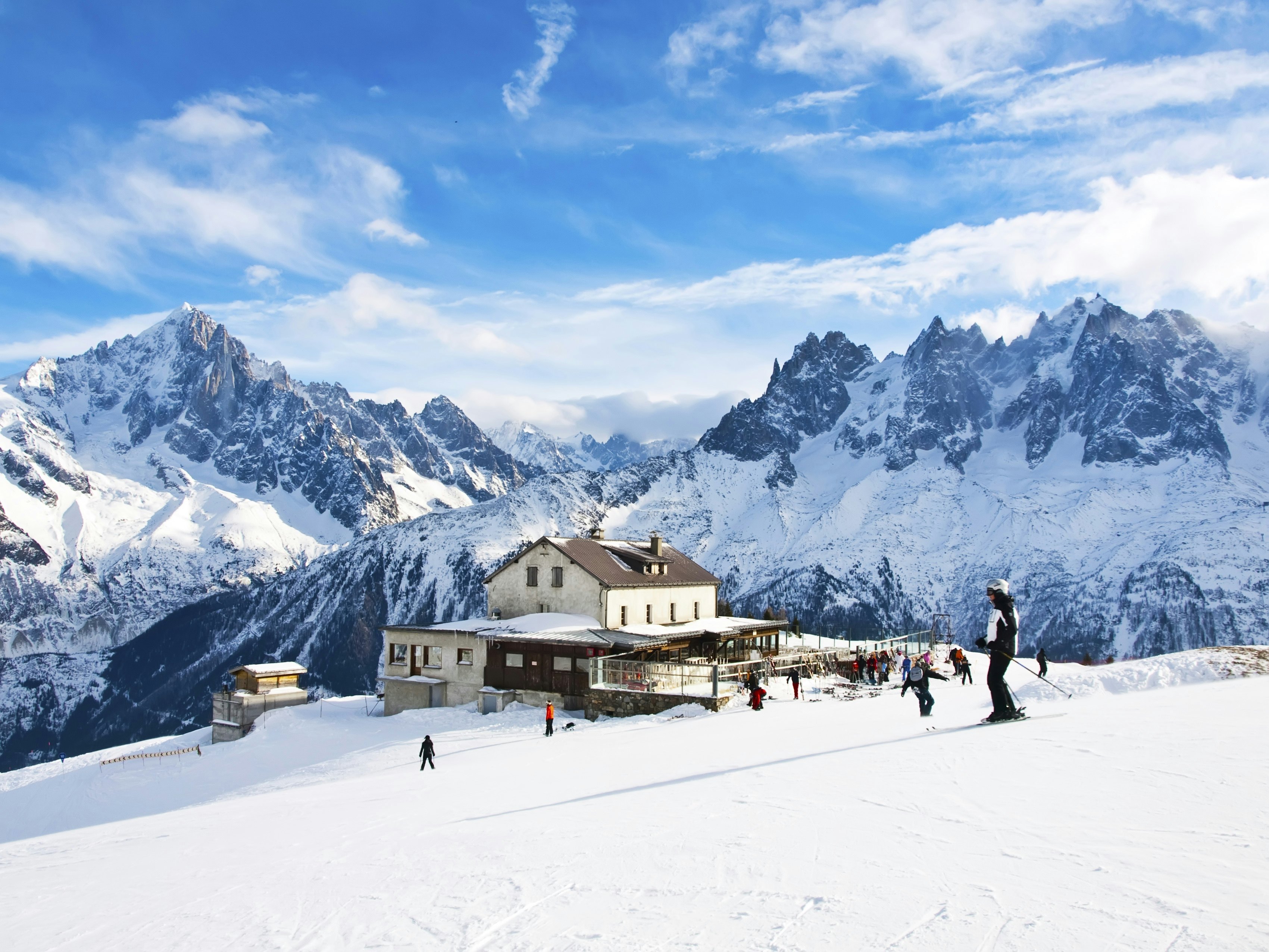
Sitting at a dizzying 2,300 meters, Val Thorens is the highest resort in Europe. This altitude is its primary insurance policy against the warming trends of the 21st century. As a cornerstone of the Trois Vallées, it offers a scale of connectivity that is simply unrivaled. The Trois Vallées stands as the world's largest interconnected ski area, providing 373 miles of groomed pistes accessible through a single lift pass.
Val Thorens has shed its former reputation as a utilitarian concrete outpost, investing heavily in five-star hotels and wellness-focused architecture. The vibe here is energetic and youthful, characterized by a lively après-ski scene that starts on the slopes at La Folie Douce and continues long after the sun sets behind the Peclet glacier.
Best for: High-altitude purists and social butterflies.
- Key Stat: 99% of the ski area is situated above 2,000 meters, ensuring excellent snow quality well into May.
- Where to Stay: Altapura, the "highest" design hotel in the world, featuring a distinctive "Mac-and-Mountain" aesthetic.
Comparison of the French Giants
To choose the right base for your 2026 adventure, consider the specific "personality" of these high-altitude titans:
| Resort | Top Altitude | Piste Length | Best For | Vibe |
|---|---|---|---|---|
| Val Thorens | 3,230m | 600km (linked) | Spring Skiing | Energetic & Modern |
| Val d'Isère | 3,456m | 300km (local) | Experts/Reliability | Traditional & Elite |
| Chamonix | 3,842m | 150km (local) | Extreme Off-piste | Authentic Town/Alpinist |
4. Avoriaz: The Eco-Conscious Choice
Designed in the 1960s with a visionary approach to architecture, Avoriaz looks like a series of cedar-shingled cliffs emerging from the rock. Avoriaz leads in sustainability with a car-free center and horse-drawn sleighs replacing vehicles to minimize its carbon footprint. This eco-first philosophy makes it a darling of the modern traveler who wants to reconcile their love for the mountains with environmental responsibility.
Located in the heart of the 600km Portes du Soleil network, it offers a unique cross-border experience where you can ski into Switzerland for a lunch of fondue before returning to France for dinner.
Best for: Eco-conscious travelers and snowboarders (it’s the European birthplace of the sport).
- Key Stat: The resort is entirely pedestrianized; your "taxi" from the welcome center to your chalet will be a horse-drawn sled.
- Where to Stay: Hôtel des Dromonts, the resort's original iconic hotel, recently renovated to preserve its 1960s retro-future charm.
5. Les Arcs: The Seamless Train Travel Hub
For those looking to bypass the congestion of Geneva or Lyon airports, Les Arcs provides the most elegant solution in the Alps. Les Arcs offers direct 7-minute mountain access via the funicular from Bourg St Maurice, the terminus for the Eurostar ski train. This makes it the undisputed champion of the "no-fly" ski break.
The resort is divided into several altitudes, with Arc 1950 being the most picturesque—a purpose-built, high-end village that feels like a classic Alpine hamlet. For those seeking a challenge, the Aiguille Rouge run offers a staggering 2,000m vertical drop, one of the longest in Europe.
Best for: Train travelers and those seeking diverse terrain.
- Key Stat: Access to the Paradiski area, which covers 425km of slopes across Les Arcs and La Plagne.
- Where to Stay: Arc 1950 Le Village, offering high-end apartments with direct ski-in/ski-out access and a communal spa.
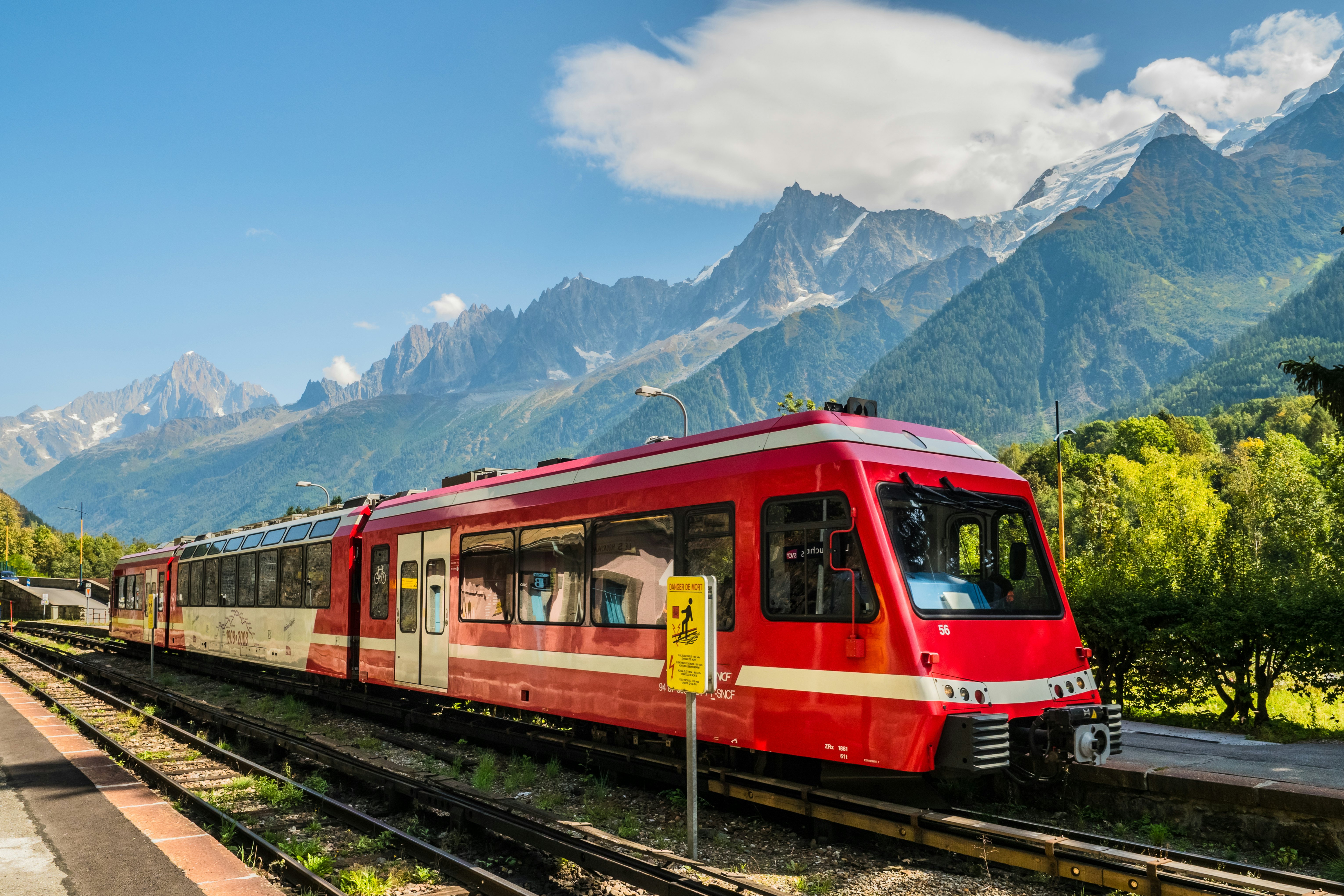
6. Chamonix: The Alpinist’s Pilgrimage
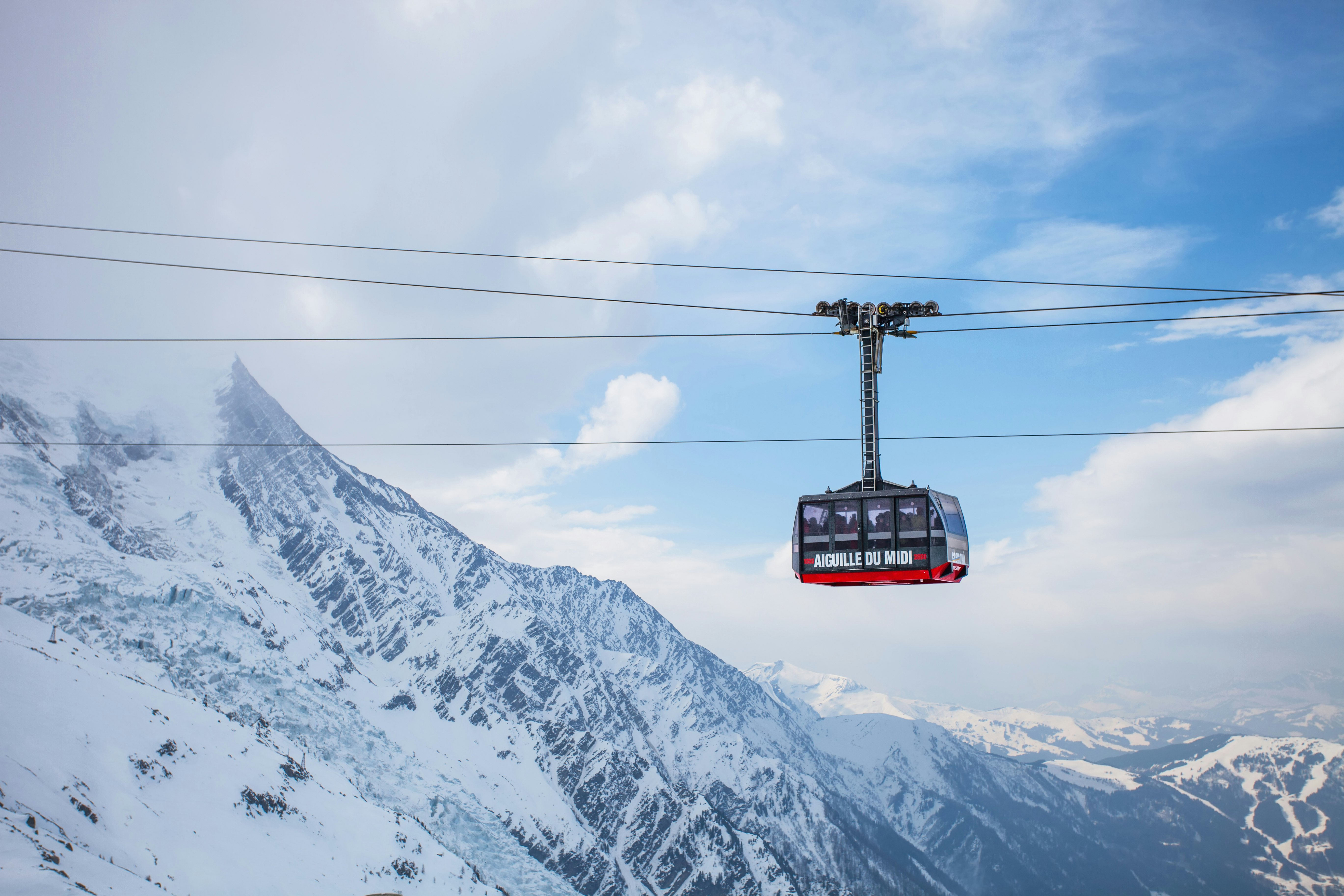
Chamonix is not just a ski resort; it is a year-round mountain metropolis steeped in history. Under the shadow of Mont Blanc, the "roof of Europe," Chamonix draws free-riders and powder hunters from across the globe. The legendary Vallée Blanche—a 20km glacier descent—is a bucket-list experience that requires a guide and a steady nerve.
While the ski areas are spread out (requiring a bus or car), the town itself is the star. Its cobbled streets are lined with historic mountaineering shops, high-end galleries, and bars that have hosted the world's most famous explorers for over a century.
Best for: Hardcore skiers, mountaineers, and year-round mountain atmosphere.
7. Méribel: The Heart of the Three Valleys
Strategically located in the central valley of the Trois Vallées, Méribel is the gateway to the world’s largest ski area. Unlike the high-rise architecture of some of its neighbors, Méribel has strictly enforced a traditional Savoyard building code. The result is a stunning landscape of wood and stone chalets nestled among pine forests.
It is particularly popular with British skiers who appreciate the "home away from home" atmosphere, though the recent addition of several five-star properties has pushed Méribel into the upper echelons of international luxury.
Best for: Central connectivity and traditional Alpine aesthetics.
8. Megève: Fairytale Romanticism
Megève is the antithesis of the modern "ski factory." Originally developed in the 1920s as a French rival to St. Moritz, it retains an air of timeless sophistication. The town center is medieval, complete with a beautiful church square and horse-drawn carriages that jingle through the snow.
The skiing here is gentle and scenic, characterized by tree-lined runs that offer shelter on windy days and stunning views of Mont Blanc. It is a place for long, indulgent lunches and late-night jazz clubs rather than high-octane vertical drops.
Best for: Couples, foodies, and those who prefer charm over extreme challenges.
- Key Stat: Offers over 400km of skiing in the "Evasion Mont Blanc" area.
- Where to Stay: Four Seasons Hotel Megève, for an unparalleled level of service and a private helicopter ski safari.
9. Serre Chevalier: The Southern Hidden Gem
Located in the Southern Alps near the Italian border, Serre Chevalier is often overlooked by those rushing to the Tarentaise. This is a mistake. With 300 days of sunshine a year and a collection of 13 authentic villages, it offers a more relaxed, "French" experience.
The UNESCO-protected town of Briançon serves as one of the resort’s base points, combining 17th-century fortifications with modern lift access. The tree skiing here is some of the best in France, featuring vast forests of larch that turn gold in the sun.
Best for: Crowd-dodgers and sunshine seekers.
10. La Clusaz: The Authentic Weekender
Only an hour from Geneva, La Clusaz is the local’s secret. It is a working village year-round, famous as the birthplace of Reblochon cheese. If you want to experience "the real France"—where the bakery is more important than the boutique—this is the place.
The terrain is surprisingly varied, with steep bowls that hold powder long after the major resorts have been tracked out. It is the perfect spot for a long weekend, offering a high-density "insider" vibe that feels worlds away from the commercial mega-resorts.
Best for: Quick breaks and authentic Gallic culture.
Planning Your 2026 French Ski Trip
As we approach 2026, the logistics of a ski trip are as important as the destination. Here are three expert tips to elevate your experience:
- The Rail Revolution: Consider the Eurostar Snow train or the "Train des Neiges." Not only does this reduce your carbon footprint by up to 80% compared to flying, but it also allows for a more relaxed start to your holiday, often arriving closer to the resort hubs.
- Wellness Beyond the Slopes: The 2026 traveler is looking for holistic mountain experiences. Resorts like Courchevel and Val d'Isère have expanded their wellness offerings to include forest bathing, outdoor yoga, and "bio-hacking" recovery centers.
- Booking Trends: We are seeing a shift away from traditional catered chalets toward flexible, multi-family luxury apartments. These provide the privacy of a home with the concierge services of a five-star hotel.
Expert Tip: To avoid the crowds during the 2026 February half-term (the busiest weeks in the French calendar), look toward the Southern Alps or smaller villages like La Clusaz and Sainte Foy. You'll find shorter lift lines and more authentic mountain hospitality.
FAQ
Which is the best French ski resort for beginners? Courchevel 1650 and Alpe d’Huez are excellent choices. They offer designated "Zen Zones" and wide, gentle green runs that allow beginners to build confidence away from faster traffic.
When is the best time to go skiing in France? For the best snow, aim for late January to early March. For sunshine and long lunches, March and April are spectacular. If you are traveling in early December or late April, prioritize "snow-sure" resorts like Val d'Isère or Val Thorens.
Is it cheaper to fly or take the train to the French Alps? While flights can be cheaper if booked very early, the train often works out to be competitive when you factor in baggage fees for skis and the cost of airport transfers. The train also drops you significantly closer to resorts like Les Arcs.
Ready to experience the pinnacle of Alpine travel? Whether you’re carving through the legendary Trois Vallées or soaking in the history of Chamonix, the French Alps in 2026 offer a standard of excellence that remains unmatched.