Quick Facts
- Population Expansion: From 31,000 residents in 1870 to nearly 23 million today—a 740-fold increase driven by global migration.
- Artistic Density: Home to over 100 museums and 300 theaters, the highest concentration in Latin America.
- Culinary Diversity: More than 12,500 restaurants offering 52 distinct types of international cuisine.
- Ethnic Hubs: Features the largest Japanese community outside Japan and massive Italian, Arab, and Armenian diasporas.
- Open-Air Canvas: Famous for its "Concrete Jungle" aesthetic, now softened by world-class murals and the architectural curves of Oscar Niemeyer.
We often hear of Rio de Janeiro as the Cidade Maravilhosa, a sun-drenched dream of granite peaks and azure waves. But if Rio is Brazil’s heart, São Paulo is its restless, brilliant, and infinitely complex mind. Often dismissed as a "Concrete Jungle" or the "City of Drizzle" (Terra da Garoa), São Paulo doesn't offer itself up to the casual observer with the easy grace of a beach town. Instead, it demands an invitation.
What makes São Paulo Brazil’s ultimate cultural metropolis is a unique, century-long alchemy of migration. Between 1870 and today, the city transformed from a sleepy town of 31,000 into a megacity of 23 million. This explosion wasn't just numerical; it was a cultural seeding. It is a city where you can wake up to the smell of Armenian lahmacun, lunch on Amazonian river fish, and spend your evening in a Japanese jazz bar in Liberdade. It is a place where brutalist architecture meets the vibrant, defiant strokes of street art, turning every grey corner into a gallery. To understand Brazil is to visit Rio; to know Brazil is to experience São Paulo.
The Pulse of the City: Avenida Paulista & The Art Scene
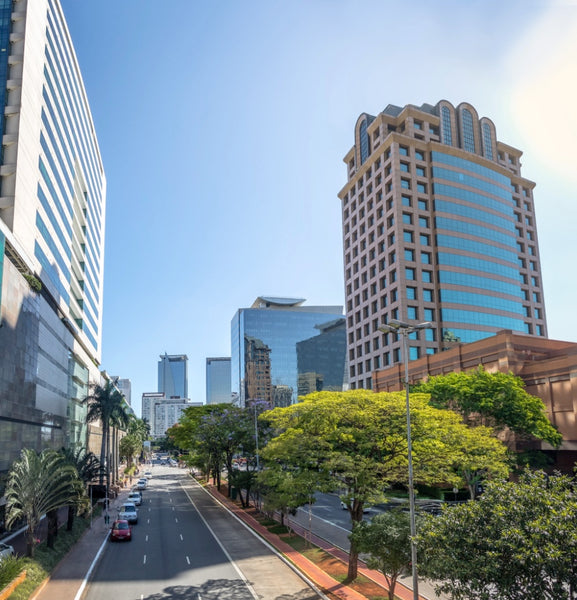
To feel the city's heartbeat, we must begin at Avenida Paulista. This three-kilometer stretch is more than a thoroughfare; it is the spine of the Paulistano identity. On Sundays, when the road is closed to cars and opened to musicians, cyclists, and families, the "Concrete Jungle" feels like a festival.
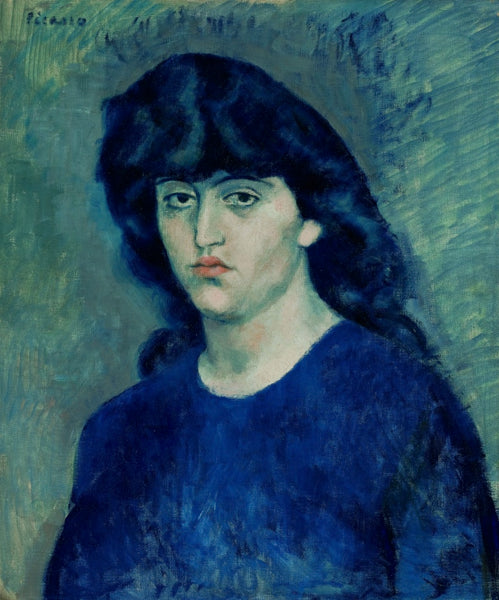
Hovering over the avenue on four massive red pillars is the São Paulo Museum of Art (MASP). Designed by the visionary Lina Bo Bardi, the building is a masterpiece of brutalism. Inside, the experience is even more radical. Instead of traditional walls, paintings—ranging from Rembrandt to Picasso—are mounted on "floating" glass easels. As we walk through the gallery, the art appears to drift in space, stripped of the stuffiness of traditional European institutions.
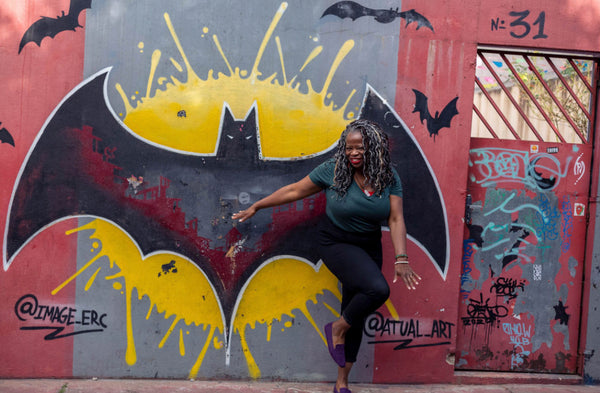
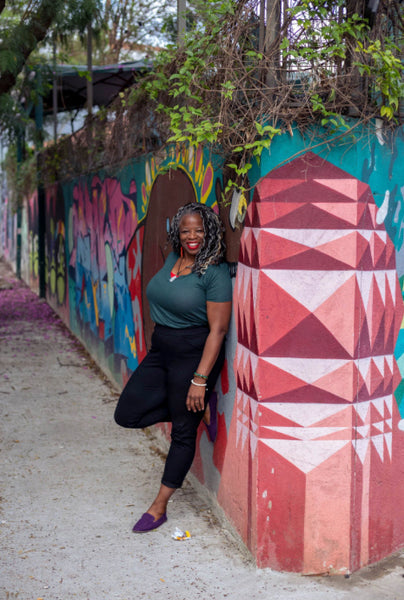
But the city’s creativity isn't confined to glass and concrete. São Paulo is a world capital of street art. While many travelers flock to Beco do Batman (Batman’s Alley) in Vila Madalena for its dense concentration of graffiti, the true scale of the city's art is found on the Minhocão. This elevated highway, which cuts through the city center, becomes a pedestrian park on weekends. Here, the blank sides of towering apartment blocks serve as canvases for massive murals that stretch twenty stories high, reflecting the city’s social struggles, its indigenous roots, and its neon-soaked future.
Quick Tip: Free Museum Days Plan your itinerary around free entry days. MASP is free on Tuesdays, while the Pinacoteca (the city’s oldest art museum, specializing in Brazilian art) offers free admission on Saturdays.
Architectural Marvels: Niemeyer and Bo Bardi
The architectural landscape of São Paulo is a dialogue between the straight lines of modernism and the sensual curves of the tropics. At the center of this dialogue is Ibirapuera Park, the city’s "green lung." Designed by Oscar Niemeyer, the park is home to several of his most iconic works, including the Auditorium with its distinctive "red tongue" entrance and the flying-saucer-like Oca building. Walking through the park, we see how Niemeyer’s concrete structures seem to mimic the fluidity of the palm trees surrounding them.
Beyond the park, Lina Bo Bardi’s influence is felt at SESC Pompeia. Once an old drum factory, she transformed it into a community leisure center that is a marvel of social architecture. With its jagged windows and massive concrete skywalks connecting two towers, it remains a vibrant hub where Paulistanos come to swim, read, and watch avant-garde theater.
For a glimpse into the city's Gilded Age, we head downtown to the Edificio Martinelli, the city’s first skyscraper. Its pink facade and ornate rooftop offer a panoramic view of the skyline. Nearby, the neo-Gothic Sé Cathedral stands as a majestic, copper-domed sentinel, its underground crypt holding the history of the city's archbishops and indigenous leaders alike.
The Global Kitchen: 52 Types of International Cuisine
If architecture is the city's body, then food is its soul. With 52 types of international cuisine, São Paulo is a global culinary powerhouse that rivals New York or Tokyo. This diversity is the direct result of the city's immigrant history.
In Liberdade, the air smells of toasted sesame and soy. Home to the world’s largest Japanese diaspora, the neighborhood is marked by red torii gates and lanterns. Here, you can find traditional ramen shops alongside shops selling Brazilian-Japanese fusion snacks. In Bixiga, the Italian quarter, the smell of wood-fired sourdough pizza wafts from legendary cantinas that have been family-run for generations. For a deeper dive into the city's lesser-known enclaves, a visit to Casa Garabed in the north is essential; it has been serving authentic Armenian esfiha and kibe since 1951.
However, the quintessential São Paulo dining experience is the Barzinho culture. These neighborhood bars are where the city's frantic energy slows down. We sit on plastic stools, order a frosty chopp (draught beer), and share a plate of coxinhas or pastéis.
A Paulistano Culinary Glossary
| Item | Description | Best Place to Try |
|---|---|---|
| Coxinha | Teardrop-shaped fried dough filled with shredded chicken and Catupiry cheese. | Frangó (Freguesia do Ó) |
| Mortadella Sandwich | A legendary, overstuffed sandwich with nearly half a pound of mortadella. | Mercado Municipal |
| Pão de Queijo | Warm, chewy cheese bread made from cassava flour. | Pão de Queijo Haddock Lobo |
| Beirute | A Brazilian-Lebanese fusion sandwich on pita bread with roast beef and cheese. | Frevo (Rua Oscar Freire) |
| Feijoada | The national black bean and pork stew, typically served on Wednesdays and Saturdays. | Bolinha (Jardim Europa) |
For those seeking the cutting edge of gastronomy, the city offers Michelin-starred journeys. D.O.M., led by chef Alex Atala, famously uses ingredients sourced from the Amazon rainforest—think ants that taste like lemongrass and river fish rarely seen outside the northern states. Meanwhile, Notiê takes diners on a sensory tour of Brazil’s different biomes, proving that Brazilian cuisine is as diverse as the country itself.
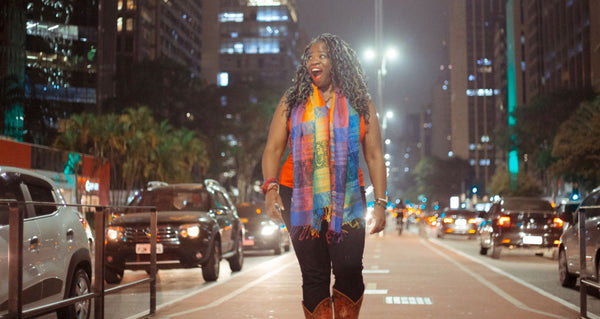
Neighborhood Deep-Dives: Where to Experience Local Life
To truly live like a Paulistano, you must choose your neighborhood wisely, as each functions like a small city-state with its own rhythm.
- Vila Madalena: The bohemian heart of the city. Come here for the sunset at Praça do Pôr do Sol, explore the indie boutiques, and stay for the nightlife. The streets are lined with samba clubs and craft beer bars that overflow onto the sidewalks.
- Pinheiros: Once a traditional residential area, it is now the city's trendsetter hub. It’s the place for natural wine bars, concept stores, and some of the city's best coffee shops, such as Coffee Lab.
- Jardins: If you’re looking for high-end luxury, Jardins is the place. It features lush, tree-lined streets and the famous Rua Oscar Freire, which is often compared to Rodeo Drive. This is also where you’ll find some of the city’s most sophisticated hotels and fine-dining institutions.
Logistics: Navigating the Chaos
Navigating São Paulo requires a bit of patience and a lot of planning. The traffic is legendary—sometimes stretching for hundreds of kilometers during peak hours—so the Metro is your best friend. It is clean, safe, and incredibly efficient, connecting the major cultural hubs of Paulista, Centro, and Pinheiros.
Getting There: Most international travelers arrive via Guarulhos International Airport (GRU), which has direct flights from major hubs like New York, London, and Dubai. From the airport, a taxi or private transfer to the city center takes between 45 and 90 minutes, depending on the (ever-present) traffic.
Safety Tips: Like any major metropolis, awareness is key. Stick to well-lit areas in the city center (Centro) during the day, and use ride-sharing apps like Uber at night rather than walking between neighborhoods. Keep your phone tucked away while walking on the street, especially on Avenida Paulista.
FAQ: Essential São Paulo Travel Tips
Q: Is São Paulo safe for tourists?
A: Yes, provided you follow standard big-city precautions. Stick to the safer neighborhoods like Jardins, Pinheiros, and Vila Madalena. Avoid the historic center (Centro) after dark, and keep valuables out of sight.
Q: How many days should I spend in São Paulo?
A: To truly scratch the surface of the museums, food scene, and neighborhoods, we recommend at least 4 to 5 days. This allows for a balance of cultural exploration and culinary indulgence.
Q: When is the best time to visit?
A: Spring (September to November) and Autumn (March to May) offer the most pleasant temperatures. Summers (December to February) can be very hot and are prone to sudden, heavy tropical rain showers.
Plan Your Cultural Immersion
São Paulo is not a city that reveals its beauty at a glance. It is a city of layers, hidden behind grey facades and within bustling markets. It is a place that rewards the curious, the hungry, and the art-obsessed. Whether you are sipping an espresso in a Pinheiros cafe or standing in awe of a Picasso at MASP, you are participating in a grand, 150-year-old experiment in global living.