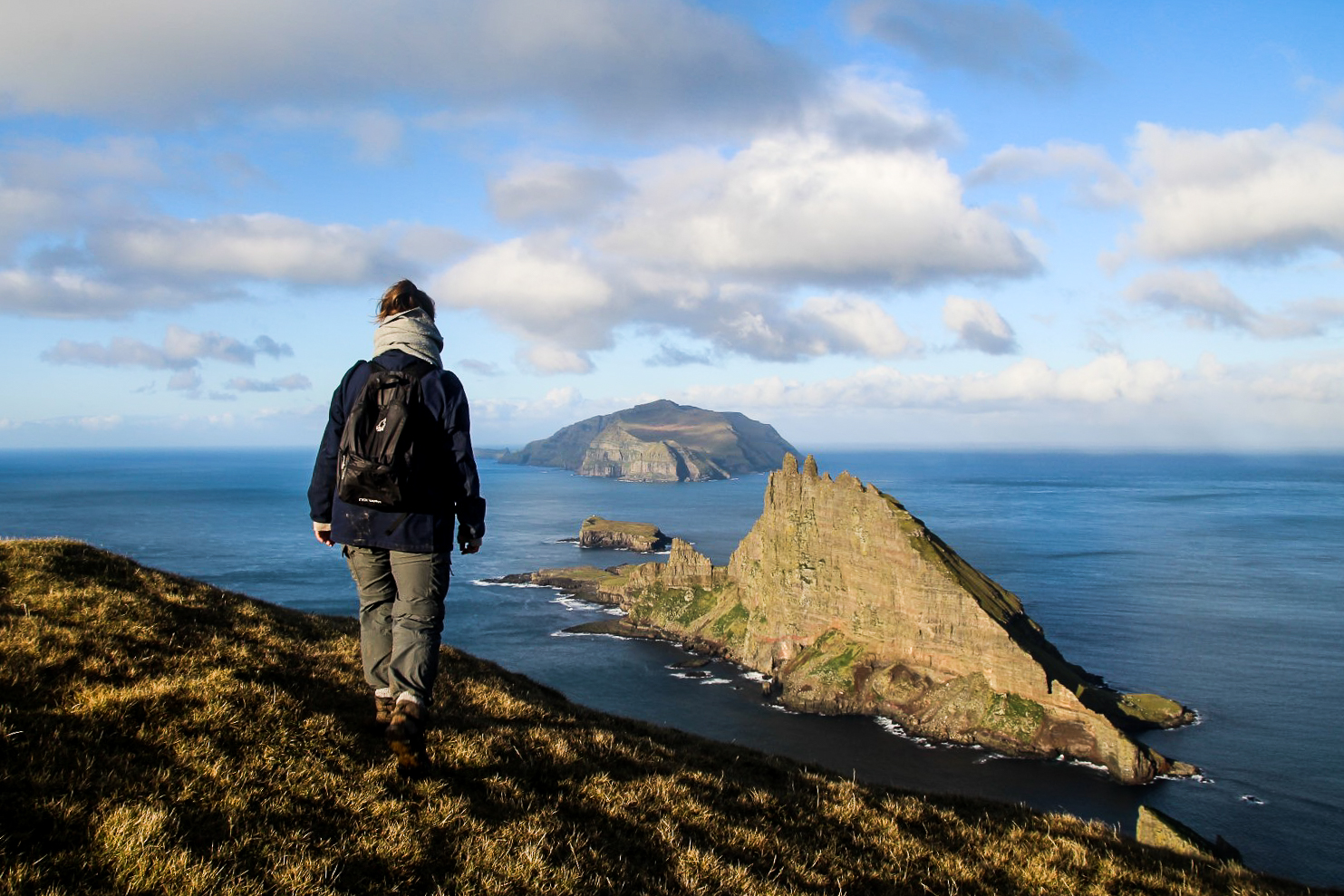
Ask any regular visitor to the Rockies and they’ll tell you—choosing the "best" hikes in Rocky Mountain National Park (RMNP) is like trying to pick a favorite child. I’ve spent the better part of a decade lace-up on these trails, from the fragrant, butterscotch-scented ponderosa pines of the lowlands to the stark, granite moonscapes of the high peaks. With over 355 miles of trails starting at a minimum elevation of 7,630 feet, this isn't just a park; it's a high-altitude playground that demands respect and rewards effort in equal measure.
As we look toward the 2025 season, the park remains as popular as ever. Whether you're a family looking for a gentle stroll around an alpine lake or an avid peak-bagger hunting for a vertical challenge, RMNP delivers. My 2025 trail difficulty index shows a balanced distribution for every type of adventurer: 38% of routes are rated Easy, 31% Intermediate, and 31% Challenging.
Quick Planning Guide: The Best Time to Visit The best time to hike in Rocky Mountain National Park is from late June to September for snow-free trails. If you're looking for the famous golden aspen glow, aim for late September to mid-October.
Before we dive into the dirt, let's look at the lineup.
2025 RMNP Hikes at a Glance
| Trail Name | Difficulty | Distance (Round Trip) | Key Highlight |
|---|---|---|---|
| Bear Lake Loop | Easy | 0.8 Miles | Wheelchair accessible/Iconic views |
| Coyote Valley | Easy | 1.0 Mile | Wildlife spotting on the West Side |
| Dream Lake | Easy | 2.2 Miles | Hallett Peak reflection |
| Alpine Ridge | Easy | 0.6 Miles | Tundra access at 11,796 ft |
| The Loch | Intermediate | 6.2 Miles | Classic alpine cirque |
| Deer Mountain | Intermediate | 6.0 Miles | Best "bang-for-your-buck" summit |
| Sky Pond | Challenging | 9.0 Miles | Waterfall scramble & jagged spires |
| Chasm Lake | Challenging | 8.4 Miles | View of the "Diamond" of Longs Peak |
Essential Planning: What You Need to Know for 2025
Before you even pull into the park, you need a strategy. In my experience, the biggest mistake hikers make isn't forgetting their water—it's forgetting their permit.
2025 Reservation Alert A timed entry reservation is required for Rocky Mountain National Park from May 26 to October 22. There are two types:
- Park Access+: Includes the highly popular Bear Lake Road corridor.
- Park Access (Excluding Bear Lake Road): Covers the rest of the park including Trail Ridge Road. Permits usually open on the first of the month for the following month at 8:00 AM MT.
Altitude Readiness The trailhead is often higher than your hometown’s highest skyscraper. Starting at 7,630 feet means the air is thin. I always recommend spending at least 24 hours in Denver or Estes Park to acclimatize before attempting anything in the "Challenging" category. Drink twice the water you think you need, and don't be ashamed to take "photo breaks" when your lungs start screaming.
Part 1: Easy Hikes (High Reward, Low Effort)
These are the trails where I take my nieces or friends who just flew in from sea level. They prove you don’t need to suffer to see the best of the Rockies.
1. Bear Lake Loop (0.8 Miles)
This is the quintessential RMNP experience. It’s a flat, interpretive trail that circles the lake under the watchful eye of Hallett Peak. It’s wheelchair-accessible and perfect for a sunrise stroll. Because it's so accessible, it gets crowded—aim to be here by 6:30 AM.
2. Coyote Valley (1.0 Mile)
Located on the "quiet" west side of the park (the Grand Lake side), this is my favorite spot for a morning coffee walk. The trail follows the Colorado River—here just a winding stream—through a lush valley.
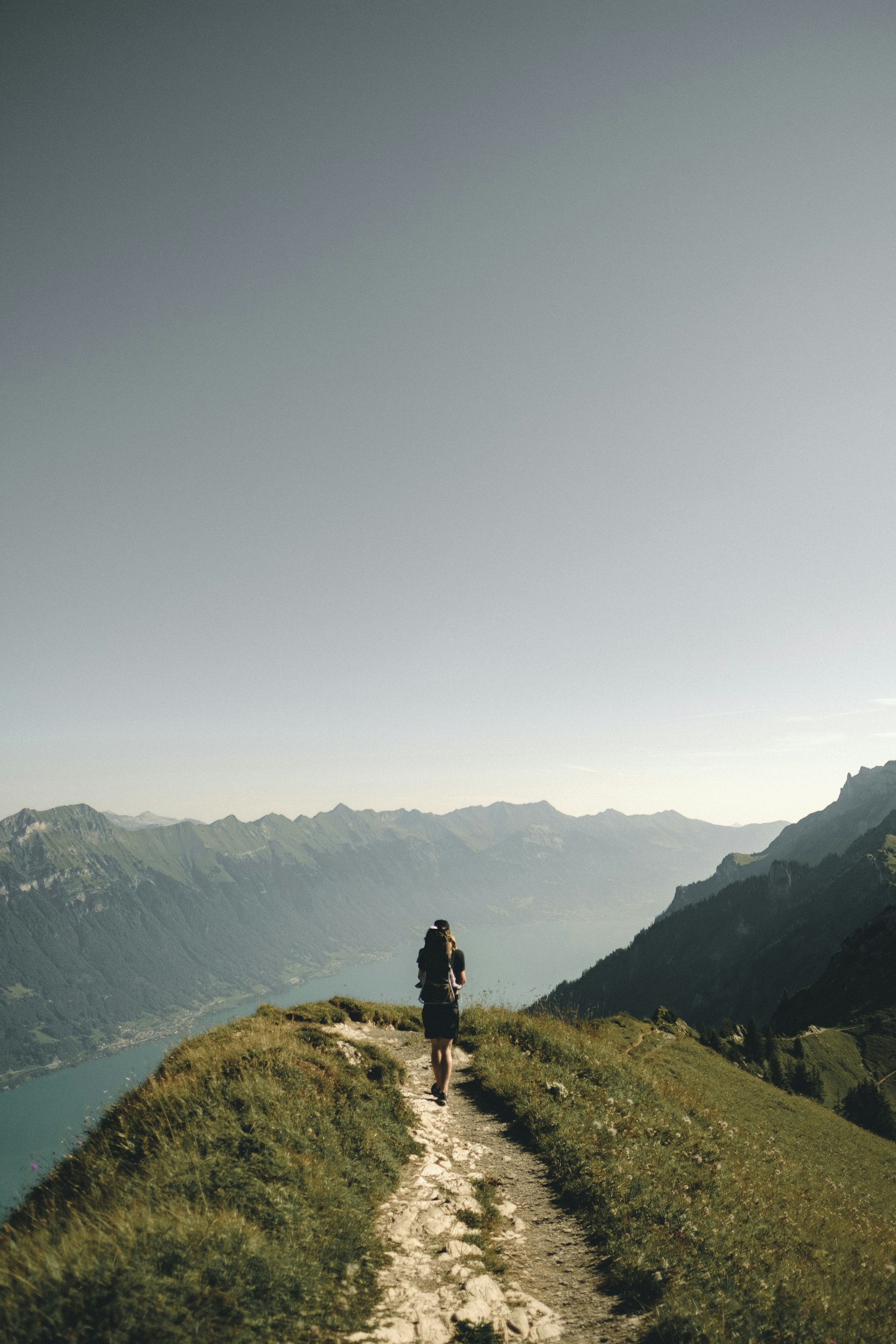
3. Alberta Falls (1.2 Miles)
Starting from the Glacier Gorge trailhead, this short hike leads to one of the park’s most powerful waterfalls. The sound of the thundering water against the rocks is therapeutic.
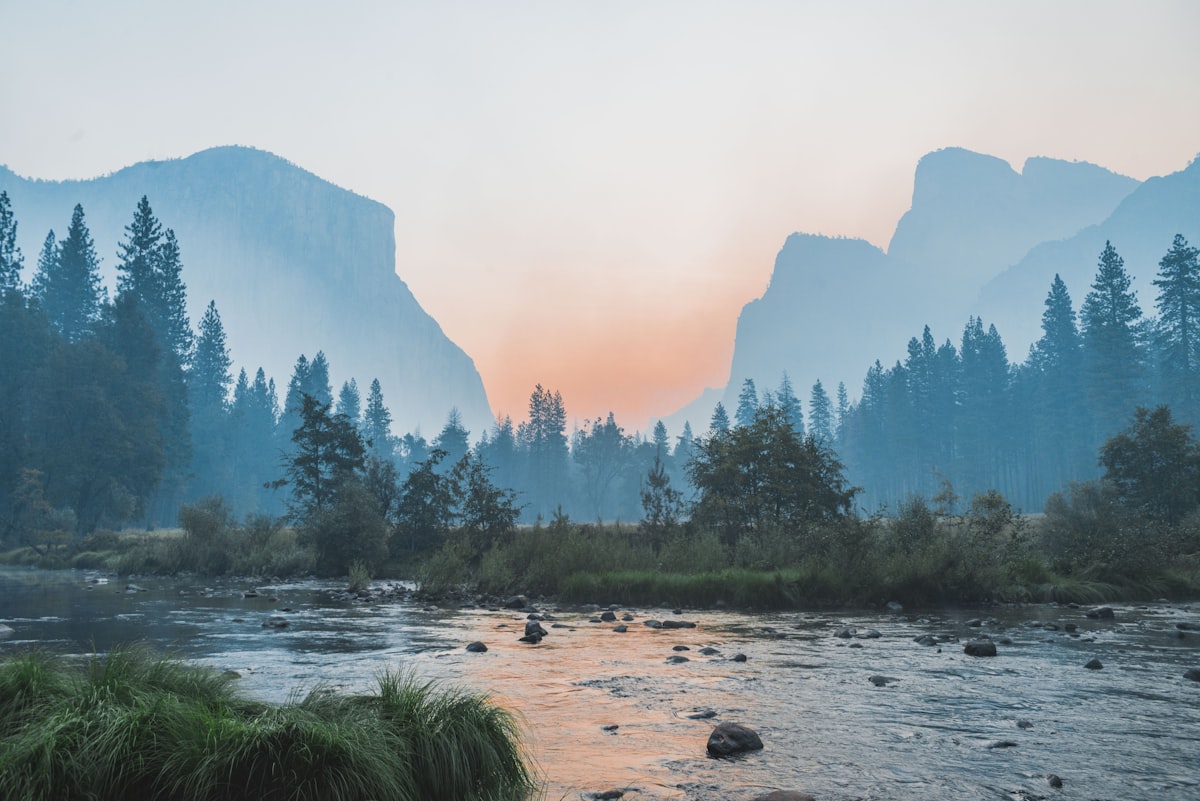
4. Dream Lake (2.2 Miles)
If you only have time for one hike, make it this one. The trail climbs steadily but gently. When you reach the shores of Dream Lake, the view of the jagged Hallett Peak reflected in the still water is a sight you'll never forget. In winter, this is a top-tier snowshoeing route.
5. Alpine Ridge Trail (0.6 Miles)
This is "huffing and puffing" territory. Located at the Alpine Visitor Center, this paved trail climbs 200 feet to an elevation of nearly 12,000 feet. You'll feel like you're on top of the world, looking down at the clouds and the winding Trail Ridge Road.
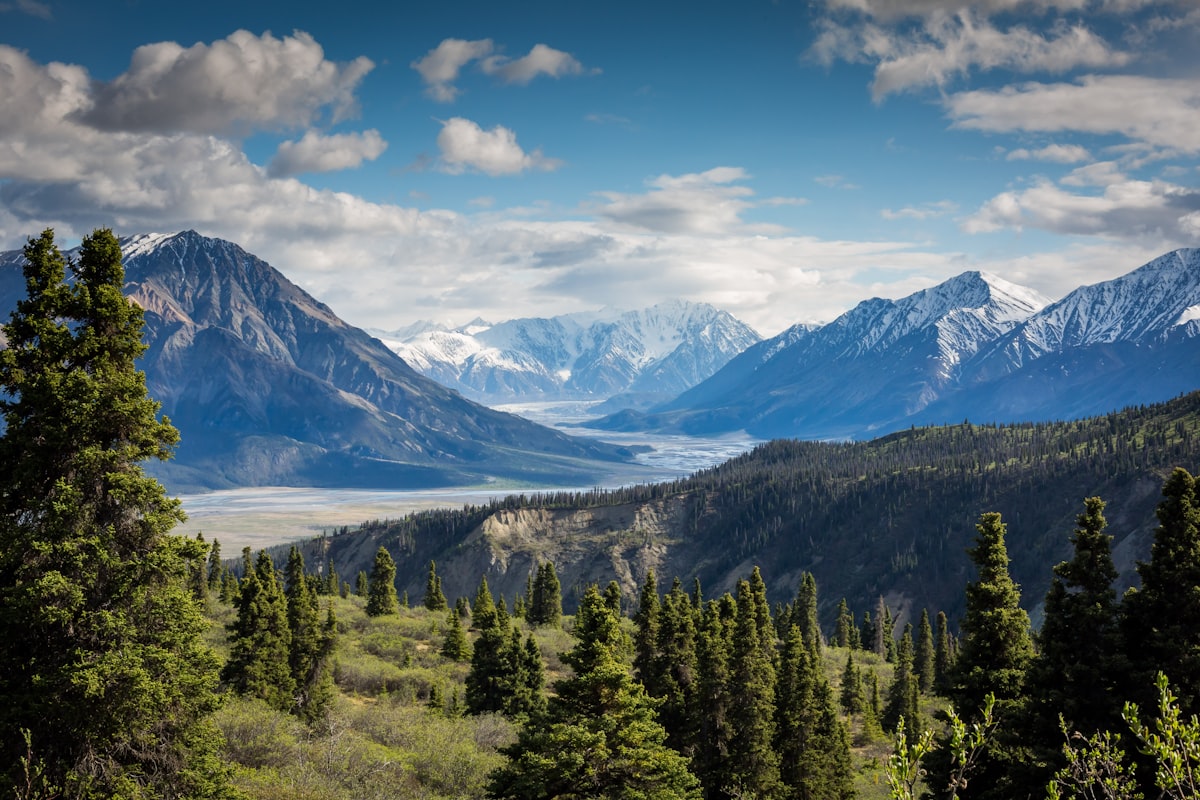
Part 2: Intermediate Hikes (The Sweet Spot)
For those with a bit more gas in the tank, these trails offer deeper immersion into the wilderness.
6. Mills Lake (5.0 Miles)
Mills Lake is arguably more beautiful than Dream Lake and half as crowded. The trail takes you past Alberta Falls and up into a glacial valley where the "Keyboard of the Winds" (a jagged ridge) dominates the horizon.
7. The Loch (6.2 Miles)
The Loch (Scottish for lake) sits in a magnificent alpine cirque. The trail is a steady climb, but the reward is a sub-alpine lake surrounded by sheer granite walls. I love sitting on the rocks here to watch the trout rise in the afternoon light.
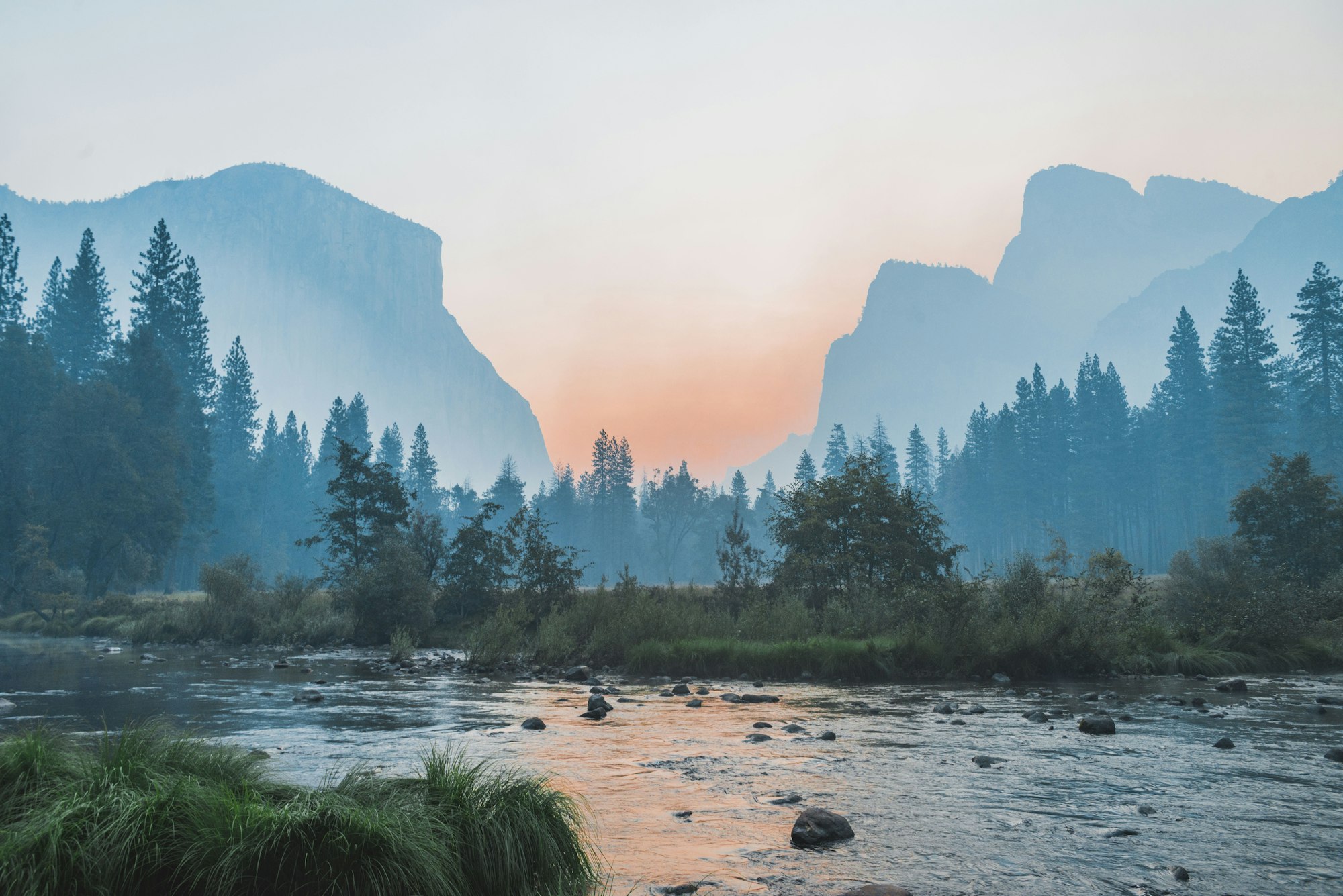
8. Ute Trail to Tombstone Ridge (4.0 Miles)
This is a "cheat code" hike. You start at high elevation on Trail Ridge Road and stay high. It’s a relatively flat walk across the tundra. You’ll see marmots sunning themselves and views that stretch all the way to Wyoming.
9. Deer Mountain (6.0 Miles)
If you want the satisfaction of a summit without a 10-hour sufferfest, Deer Mountain is it. The switchbacks are well-graded, and the 360-degree view from the top gives you a perfect perspective of the Mummy Range and Longs Peak.

Part 3: Challenging Hikes (For the Avid Adventurer)
These trails require sturdy boots, plenty of snacks, and a "leave no trace" mindset. They are physically demanding but offer spiritual rewards.
10. Sky Pond (9.0 Miles)
Sky Pond is my personal favorite. You’ll pass Alberta Falls, The Loch, and then tackle the "scramble"—a literal climb up the side of Timberline Falls. Once you top out, you’re greeted by Glass Lake and finally Sky Pond, which is guarded by the "Pettingell Peaks" and the "Sharkstooth." It’s rugged, dramatic, and unforgettable.
11. Chasm Lake (8.4 Miles)
Located at the base of the famous "Diamond" face of Longs Peak, Chasm Lake feels like another planet. The trail shares the first few miles with the Longs Peak summit route before branching off. You’ll navigate a boulder field to reach a deep blue lake tucked into a massive granite bowl.
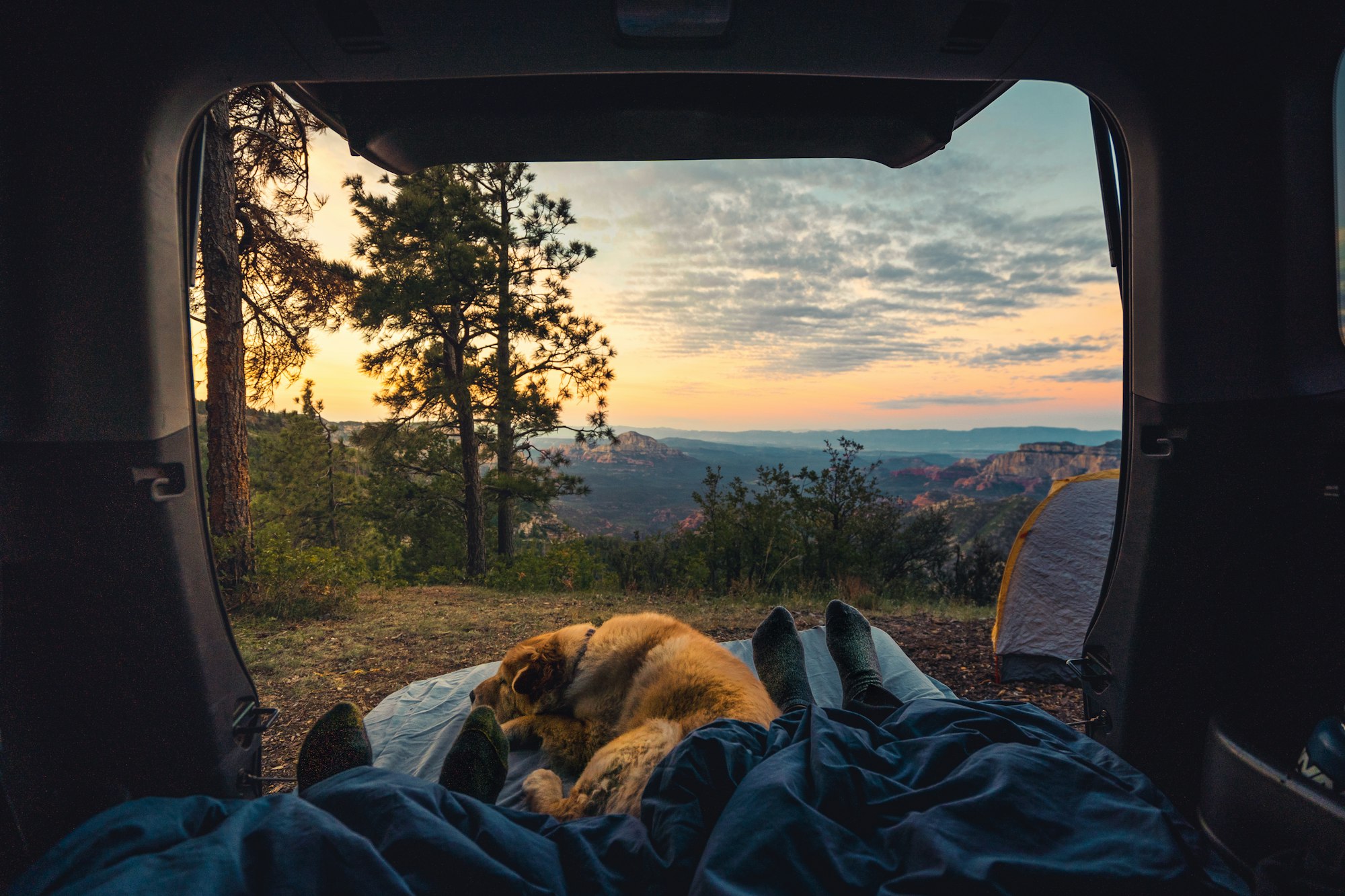
12. Flattop Mountain (8.8 Miles)
This is a relentless uphill grind, gaining 2,850 feet of elevation. The "trail" eventually disappears into a massive, flat tundra plateau. From the summit at 12,324 feet, you can see the Continental Divide snaking through the park.
13. Bear Lake to Odessa Lake (8.8 Miles)
Instead of an out-and-back, I recommend doing this as a point-to-point using the park shuttle. Start at Bear Lake, hike up and over to Odessa Lake, then descend down through Fern Lake to the Fern Lake Trailhead. It’s the best way to see a massive variety of terrain and escape the concentrated crowds of the Bear Lake corridor.
Pro-Tips for a Successful Trek
Over the years, I’ve learned that the mountains don't care about your plans. Here’s how to stay safe and have a blast:
- Wildlife Safety: You will likely see elk, and you might see moose. Keep at least 75 feet (two bus lengths) away. If they change their behavior because of you, you're too close. Moose, in particular, are much more aggressive than they look.
- The 12:00 PM Rule: In the Rockies, afternoon thunderstorms are like clockwork. They bring lightning that can be fatal on exposed ridges. My rule? If you're hiking above the treeline, plan to be heading back down by noon.
- Trail Conditions: Just because it’s 80 degrees in Denver doesn’t mean the trail is clear. I’ve seen waist-deep snow on the Sky Pond trail in late June.
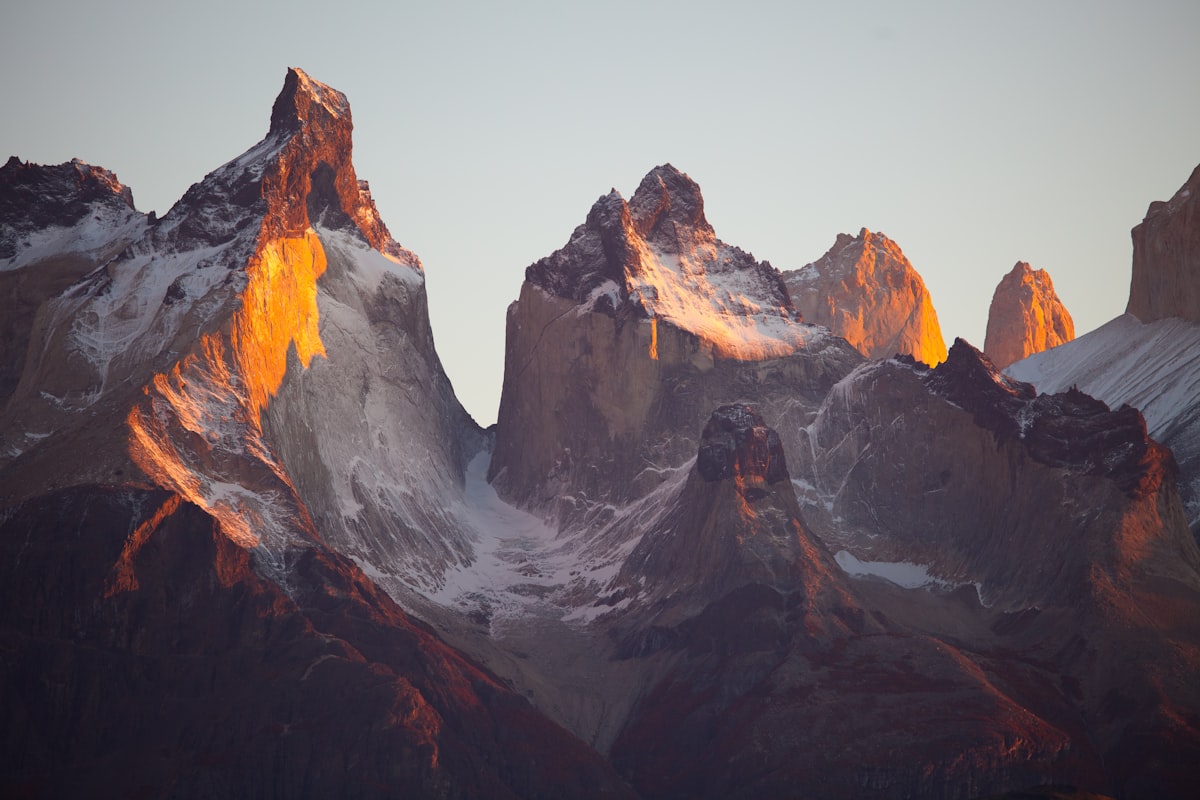
- Layer Up: I never head out without a moisture-wicking base layer, a fleece, and a waterproof shell. The temperature can drop 20 degrees in minutes when a cloud moves over the sun.
FAQ
Q: Do I really need a reservation if I arrive very early? A: Yes and no. For the Bear Lake Road corridor, you need a permit between 5 AM and 6 PM. For the rest of the park, you need one between 9 AM and 2 PM. If you enter Bear Lake Road at 4:45 AM, you’re technically in, but I always recommend securing a permit to be safe and support park conservation.
Q: Are dogs allowed on the trails? A: Unfortunately, no. To protect the wildlife and the fragile ecosystem, pets are only allowed in established campgrounds, picnic areas, and along roadsides—never on the trails.
Q: What should I do if I start feeling dizzy or get a headache? A: That’s likely Acute Mountain Sickness (AMS). The only cure is to go down. Don't "push through it." Descend 1,000 feet, and you'll likely feel much better.
Adventure is Calling
Rocky Mountain National Park is more than just a check-list of hikes; it’s a place that forces you to slow down and breathe (even if that air is a little thin). Whether you're standing in the mist of Alberta Falls or looking out from the top of Deer Mountain, there’s a sense of scale here that humbles you.
Ready to hit the trail? Make sure you have the right gear for the high country. Check out my latest field-tested recommendations:
Book Your 2025 RMNP Entry Permit →
See you on the trail. Stay safe, leave no trace, and keep climbing.