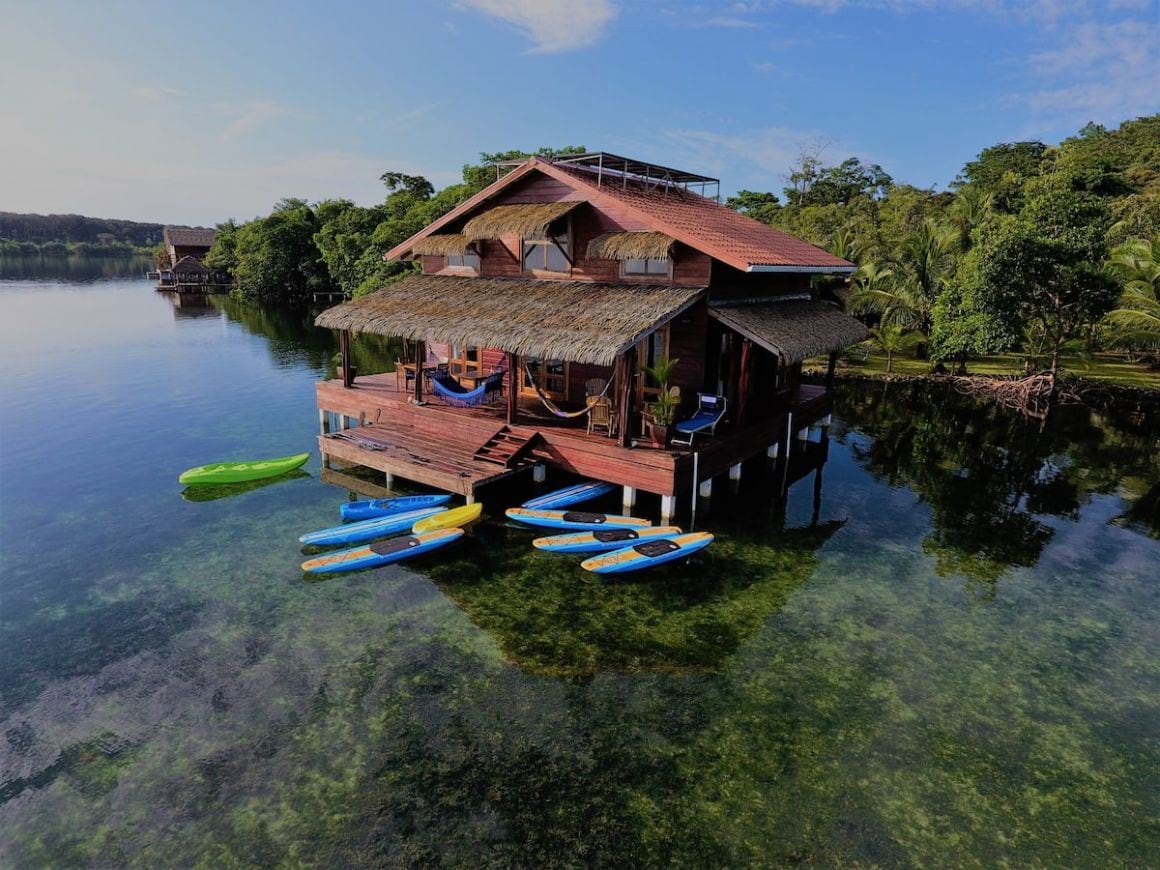
I remember the moment I nearly clipped a sheep just outside of Sandavágur. I hadn’t driven a car in three years—living in the concrete density of New York City tends to kill those skills—and there I was, gripping a steering wheel on a rain-slicked road carved into the side of an emerald mountain. The fog was so thick I could practically chew it. I felt completely out of my element, utterly alone, and more alive than I had been in a decade.
The Faroe Islands have a way of doing that to you. This jagged archipelago, anchored in the middle of the North Atlantic between Scotland and Iceland, isn't just a destination; it’s a sensory overload that forces you to confront the silence you’ve been avoiding. My solo trip here didn't just fill my camera roll with dramatic cliffs; it fundamentally shifted my perspective on what it means to be "off the grid."
Is the Faroe Islands Safe for Solo Travelers?
Before we dive into the fjords, let’s address the question everyone asks: Is the Faroe Islands safe for solo travelers? The short answer is an emphatic yes. In fact, it is arguably one of the safest destinations on the planet. Violent crime is virtually non-existent, and the archipelago boasts some of the world's most advanced infrastructure, including a subsea tunnel system that feels like something out of a sci-fi novel.
As a solo traveler, your biggest "threat" isn't people; it’s the elements. The weather can flip from blue skies to a blinding horizontal rainstorm in under five minutes. While hitchhiking is a common and safe practice here, and walking alone at night in the capital, Tórshavn, feels safer than a midday stroll in most American suburbs, you must respect the nature. The cliffs are sheer, the wind is gale-force, and the fog can swallow a trail in seconds. If you respect the sea and the stone, the islands will look after you.
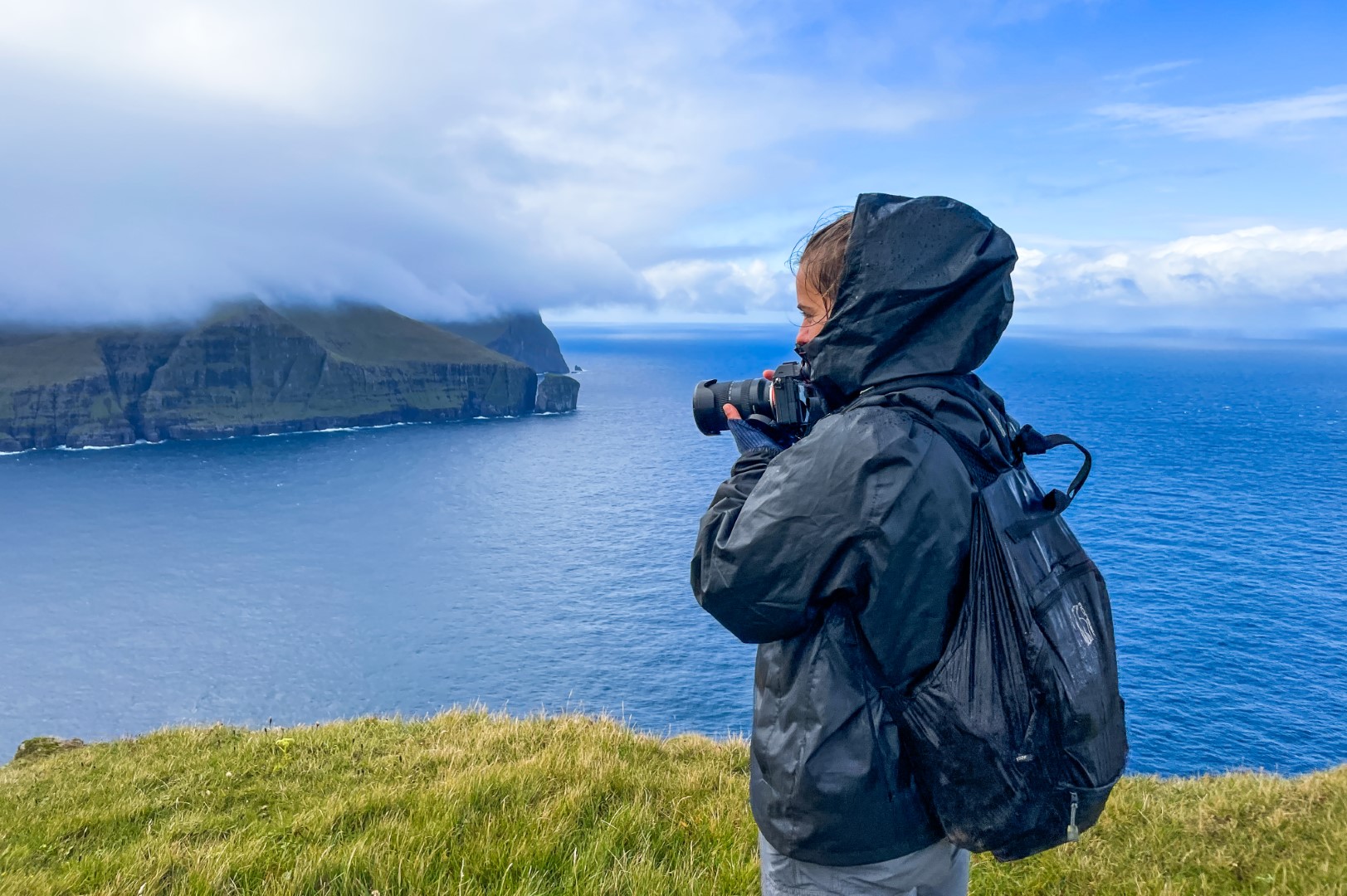
Day 1: Vágar—Waterfalls and First Impressions
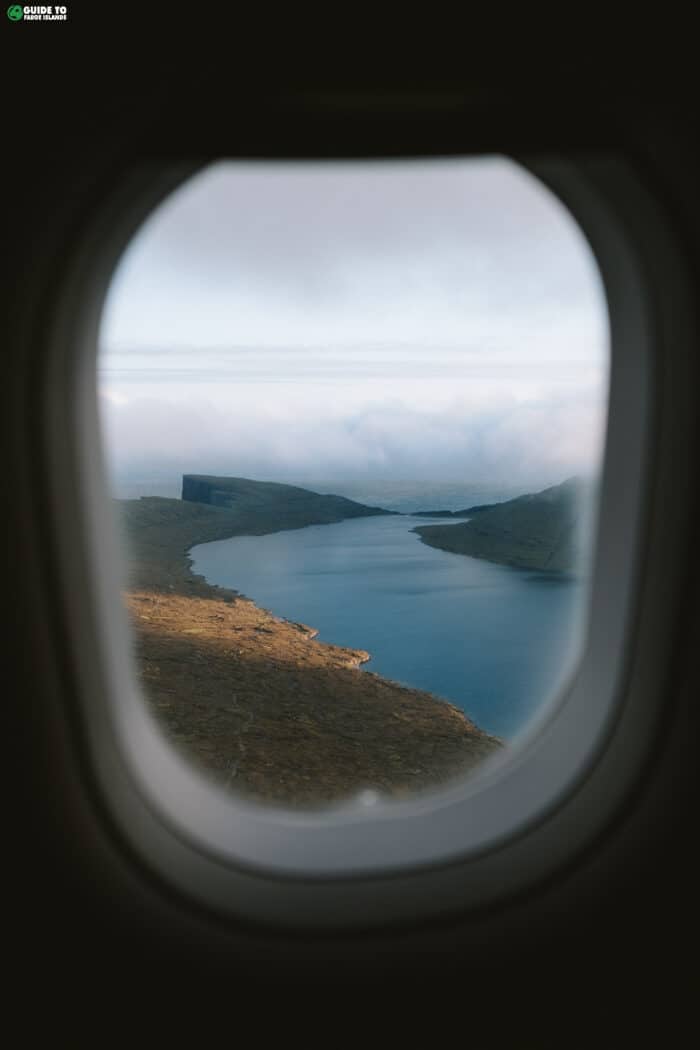
My journey began the moment the Atlantic Airways flight descended through a literal hole in the clouds. Stepping onto the tarmac at Vágar Airport, the air tasted like cold salt and wet grass. I picked up my rental car—a sturdy little 4x4—and headed straight for Gásadalur.
Until 2004, this village was only accessible by trekking over a mountain or by helicopter. Today, a tunnel makes it a five-minute drive, yet it feels frozen in time. I stood at the edge of the world to witness the Múlafossur Waterfall. It’s the shot you see on every postcard: a 30-meter plume of white water plunging directly into the churning Atlantic.
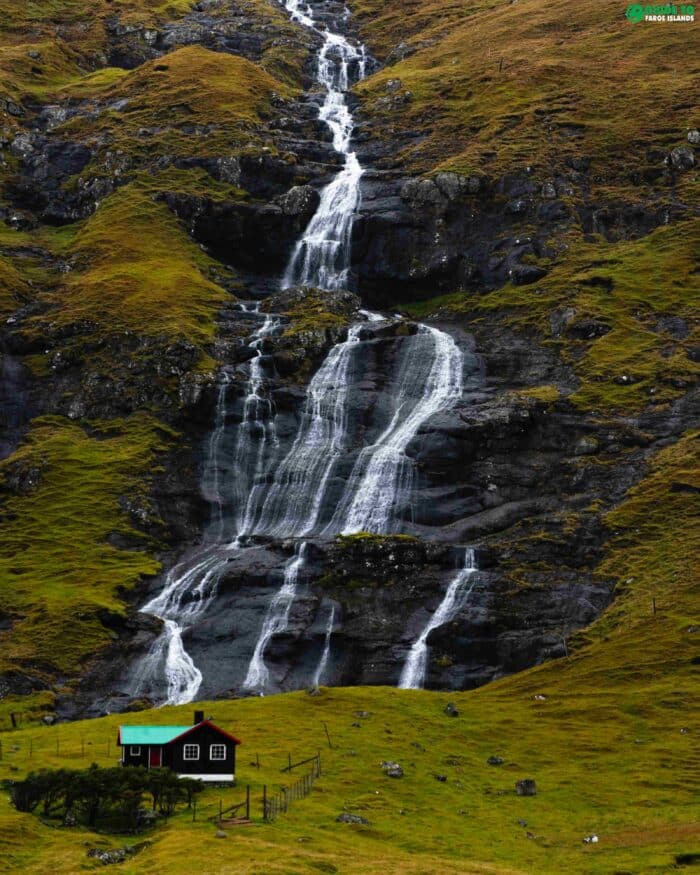
Later, I wandered through Bøur, a tiny village of turf-roofed cottages. Standing there, looking out at the jagged peaks of Tindhólmur, I realized why I came here. There’s a specific kind of tranquility found in places that are difficult to reach.
Pro-Tip: Navigating the Dark The Faroe Islands feature 22 tunnels, many of which are single-lane with passing bays. The Vágatunnilin connects Vágar to the rest of the archipelago. It’s a subsea marvel, but stay alert—locals drive these tunnels with a confidence that can be intimidating for first-timers.
Day 2: Eysturoy and the Magic of the North
On day two, I tackled the "Jellyfish Roundabout." Yes, you read that right. Located inside the Eysturoyartunnilin, this is the world's first subsea roundabout, illuminated with neon blue lights and featuring art installations. It’s a surreal experience driving 180 meters below the seabed.
I emerged on Eysturoy and headed for Gjógv. The village is named after a 200-meter long sea-filled gorge that serves as a natural harbor. I sat on a bench overlooking the gorge, the only sound being the rhythmic thumping of the waves against the rock.
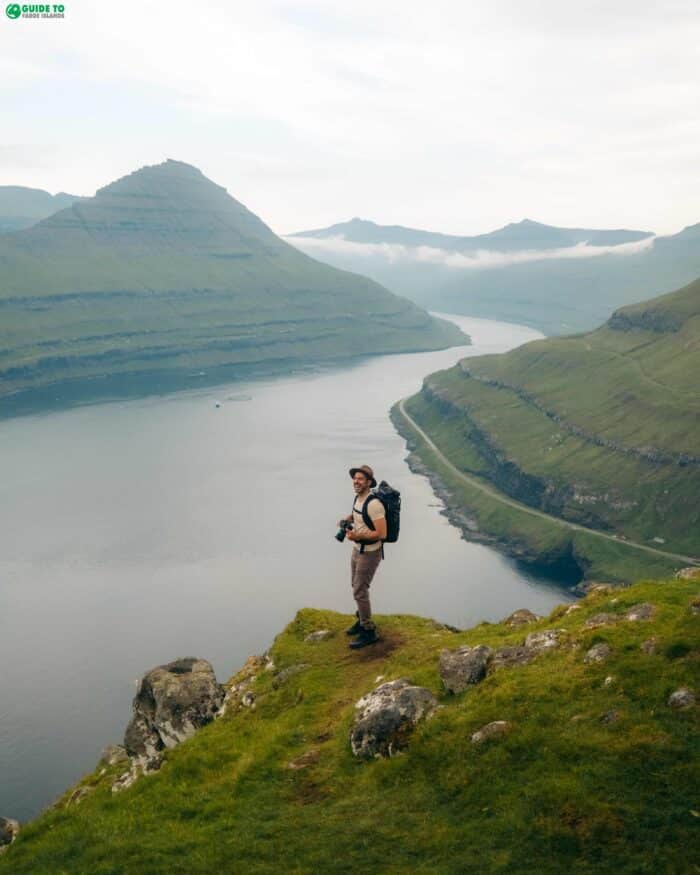
For the best view in the house, I hiked up to the Hvíthamar Vantage Point. The wind nearly took my hat, but the panoramic view over Funningsfjørður was worth the struggle. It was here, staring into the deep blue of the fjord, that the "life-changing" part of the trip started to sink in. When you’re solo, there’s no one to talk to, no one to distract you. You just exist in the landscape.
Day 3: Cultural Immersion and the Sheep Ratio
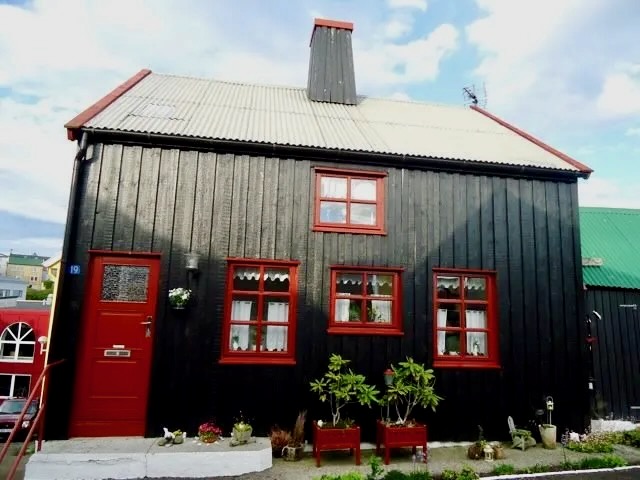
By day three, I made my way to Tórshavn, the smallest capital city in the world. But don't let its size fool you; it has more soul than cities ten times its size. I spent the morning in Tinganes, the historic heart of the city, where the red wooden buildings with sod roofs house the Faroese government.
The real highlight, however, was an evening of heimablídni—traditional home hospitality. I was invited into a local's home for dinner. The Faroese can seem stoic at first, but get them around a dinner table and the stories start flowing. We ate skerpikjøt (wind-dried mutton) and fresh fish soup. It’s an acquired taste, fermented and pungent, but it tastes like the land itself.
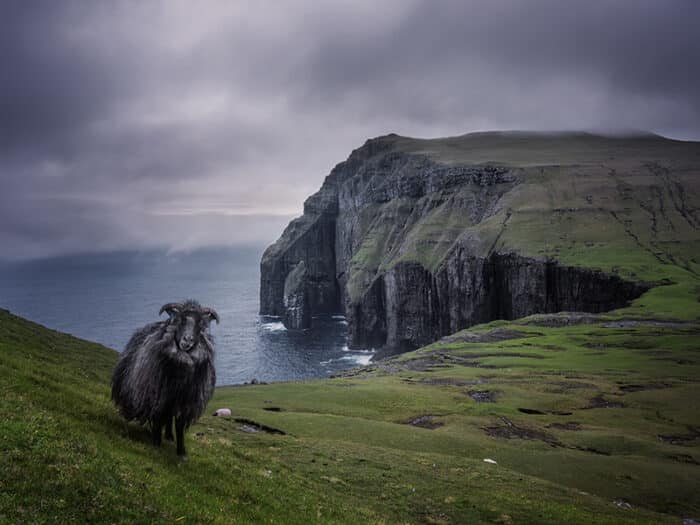
While the human population of the Faroe Islands is approximately 54,000, it is outpaced by nearly 80,000 sheep. This 1.5:1 sheep-to-human ratio means you are never truly alone. Whether you’re on a remote trail or driving a main road, a wooly spectator is likely watching you with mild judgment.
Day 4: Suðuroy—Falling Off the Edge of the Map
To truly experience "off-the-beaten-path," you have to take the two-hour ferry SMYRIL to Suðuroy, the southernmost island. Most tourists skip this, which is exactly why I went.
I stood on the Beinisvørð Promontory, a sheer 470-meter rock wall dropping straight into the sea. I felt like a speck of dust. From there, I drove to the Akraberg Lighthouse. Standing at the southernmost tip of the archipelago, watching the North Sea and the Norwegian Sea collide, I felt a profound sense of clarity. The noise of my life in New York felt like a distant, faded memory.
Buying Property as a Foreigner: Putting Down Roots
I’ll be honest: I loved this place so much I looked into staying forever. But can foreigners buy a home in the Faroe Islands?
The answer is yes, but it isn’t as simple as signing a check. Foreigners must obtain special permission from the Faroese government. Typically, you need to demonstrate a deep personal connection to the community or a legitimate reason for living there (like a local job).
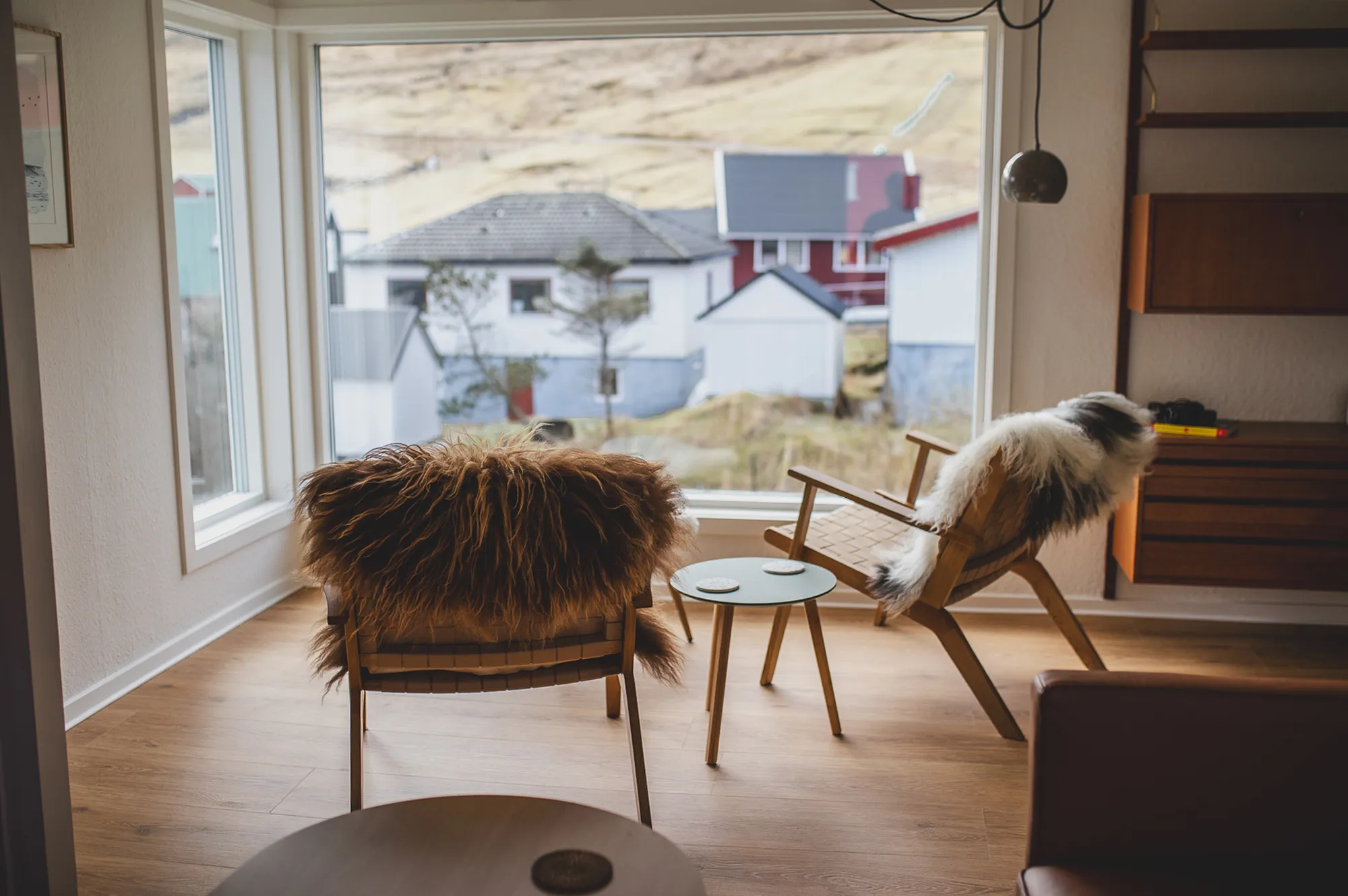
I spent weeks researching the legalities. The dream? A 1910 cottage in a remote village that needs a total gut renovation. It’s a challenge—logistics for building materials are tough when everything has to be shipped in—but for some, the silence of the fjords is worth every hurdle. My solo trip turned into a four-year obsession with the idea of making this wild place a permanent home.
Practical Gear and Solo Driving Tips
If you're planning your own Faroe Islands solo travel itinerary, you need to be prepared. This isn't a "flip-flops and a hoodie" kind of destination.
- The 4-Seasons Rule: You will experience all four seasons in a single afternoon. Pack high-quality waterproof layers, wool base layers, and sturdy, waterproof hiking boots.
- Driving Technicalities: There are over 600 miles of paved roads connecting 17 of the 18 islands. Use offline maps (Google Maps or Maps.me), as signal can drop in the deeper fjords.
- Emergency Info: Always let someone know where you are hiking. The emergency number is 112.
Recommended Solo Travel Tours
If you're not ready to tackle the driving yourself, or you want the safety of a group for the more intense hikes, I highly recommend these options:
- Climbing Mountains: Exceptional for solo hikers who want to reach peaks like Slættaratindur safely.
- Intrepid Travel: Their small-group Faroe Islands expeditions are perfect for those who want the solo vibe with a built-in safety net.
- Guide to Faroe Islands: The go-to portal for local-led photography and culture tours.
FAQ
Q: Is the Faroe Islands expensive for a solo traveler?
A: Yes, it can be. Expect to pay Scandinavian prices. A mid-range meal is about $30–$50, and car rentals are the biggest expense. Staying in hostels or Airbnbs with kitchens can help manage costs.
Q: Do I need a car to visit?
A: While there is a bus and ferry system, it is infrequent. To truly explore on your own schedule—especially for photography—a rental car is essential.
Q: When is the best time to go solo?
A: June to August offers the best weather and longest days (almost 20 hours of light!). However, May and September are great for avoiding the small summer crowds.
My solo trip to the Faroe Islands changed me because it stripped away the ego of "the traveler." You don't conquer these islands; you just hope they let you stay for a while. If you're looking for a place to find yourself, or perhaps lose the version of yourself you no longer need, the North Atlantic is calling.
Ready to start your own adventure? Check out our latest [Faroese Expedition Guide] and start packing those boots.