To understand the sheer magnitude of the Texas landscape, one must look beyond the cliché of the dusty roadside. Texas is a geographic titan, encompassing over 268,000 square miles—a landmass larger than France—where the subtropical humidity of the Gulf Coast eventually yields to the high-altitude pine forests of the west. Within this vast expanse, the Texas State and National Park systems manage over 100 sites that safeguard everything from Ice Age fossils to the world’s largest spring-fed swimming pool.
Whether you are seeking the 120-mile-long expanse of Palo Duro Canyon, the second-largest canyon in the United States, or aiming to summit Guadalupe Peak, the highest point in Texas at 8,751 feet, the diversity of the Lone Star State’s wilderness is staggering. In this 2024 guide, we explore the 13 best parks that define the rugged beauty of the South, offering a blueprint for your next great American road trip.
1. The Desert Oases: Premier Swimming Holes
Balmorhea State Park: The World's Largest Spring-Fed Pool
Deep in the Trans-Pecos desert, an anomaly of nature provides a crystalline refuge from the heat. Balmorhea is home to a massive, 1.75-acre swimming pool fed by San Solomon Springs. Each day, more than 15 million gallons of cool, 72-to-76-degree water flow into the pool, maintaining a consistent temperature and clarity that attracts divers and swimmers alike.
The pool reaches depths of 25 feet, offering a unique opportunity to snorkel alongside the endangered Comanche Springs pupfish and Pecos gambusia. Built by the Civilian Conservation Corps (CCC) in the 1930s, the park retains a nostalgic, mid-century charm with its white-walled structures and turquoise waters.
| Quick Facts | Details |
|---|---|
| Entrance Fee | $7 per person (Ages 13+) |
| Best Time | Late spring or early autumn to avoid peak heat |
| Must-Do | Scuba dive to see the springs bubbling from the desert floor |
- Where to Stay: The San Solomon Springs Courts (onsite retro motel) or campgrounds within the park.
- Pro-Tip: Reservations are mandatory and often book up weeks in advance due to strict daily capacity limits.
Garner State Park: Hill Country Tradition
Garner is perhaps the most beloved "social" park in Texas. Located on the banks of the Frio River, its signature experience is "floating the Frio"—drifting down the limestone-bedded river in a tube. The water is remarkably clear and flanked by massive cypress trees that turn a brilliant burnt orange in late October.
Beyond the water, the park is famous for its nightly jukebox dances held at the CCC-built pavilion, a tradition that has endured since the 1940s. For those looking for a vantage point, the hike up Old Baldy offers a panoramic view of the canyon and the winding river below.
| Quick Facts | Details |
|---|---|
| Entrance Fee | $8 per person |
| Best Time | Summer for swimming; November for fall foliage |
| Must-Do | Hike the Old Baldy Trail for the best sunset views |
- Where to Stay: Rent one of the historic CCC cabins or stay in the nearby town of Concan.
Padre Island National Seashore: The Longest Barrier Island
Stretching 70 miles along the Gulf of Mexico, Padre Island National Seashore protects the longest remaining undeveloped barrier island in the world. This is not your typical boardwalk beach; it is a wild, wind-swept environment where the dunes shift and the tides dictate the day’s activities.
The park is a critical habitat for the Kemp’s Ridley sea turtle. Between May and August, visitors can often witness public turtle hatchling releases—a moving sight as tiny turtles make their first frantic dash into the surf.
| Quick Facts | Details |
|---|---|
| Entrance Fee | $15–$25 per vehicle (Valid for 7 days) |
| Best Time | Spring for bird migration; Summer for turtle releases |
| Must-Do | Drive down the 60 miles of "Down Island" beach (4WD required) |
- Where to Stay: Primitive beach camping is the primary draw here, or the Malaquite Campground for basic amenities.
2. Into the Abyss: Epic Canyons and Gorges
Palo Duro Canyon State Park: The 'Grand Canyon' of Texas
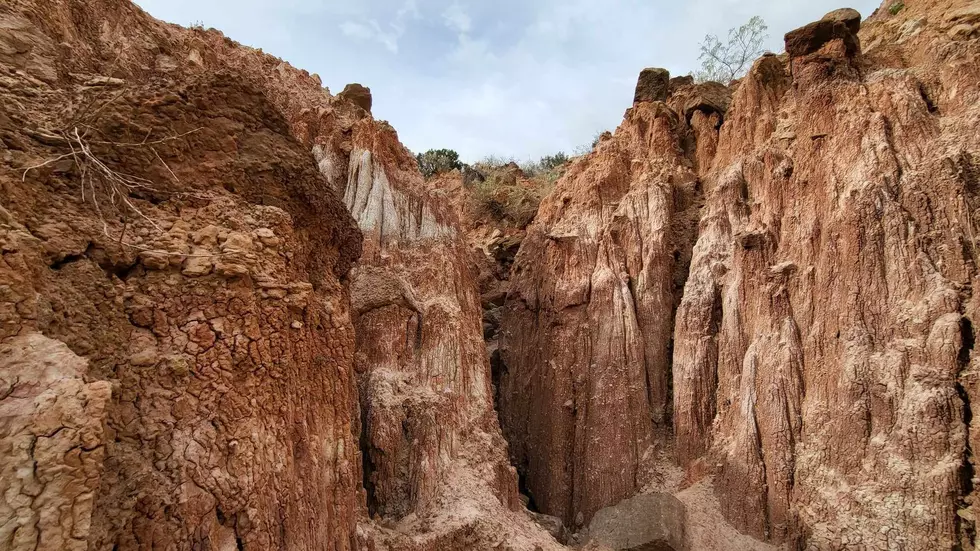
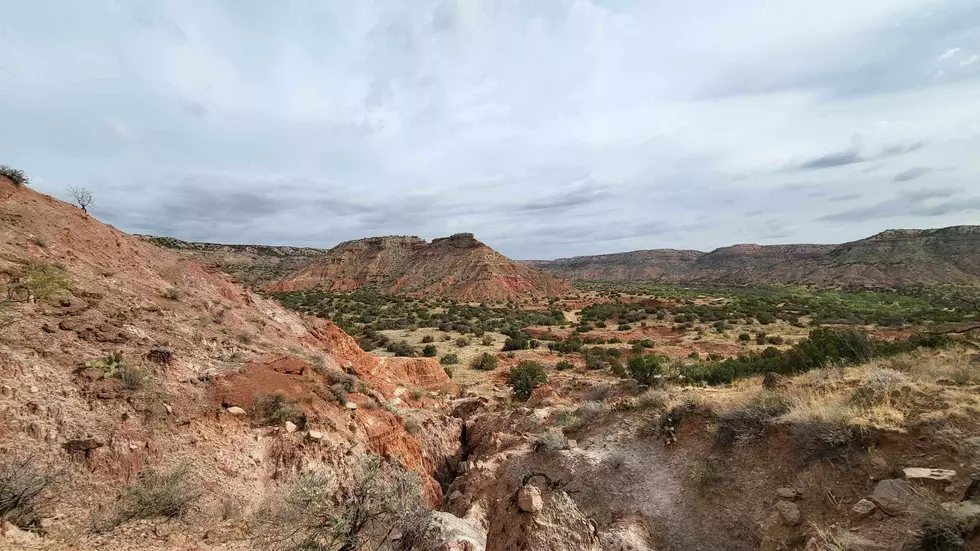
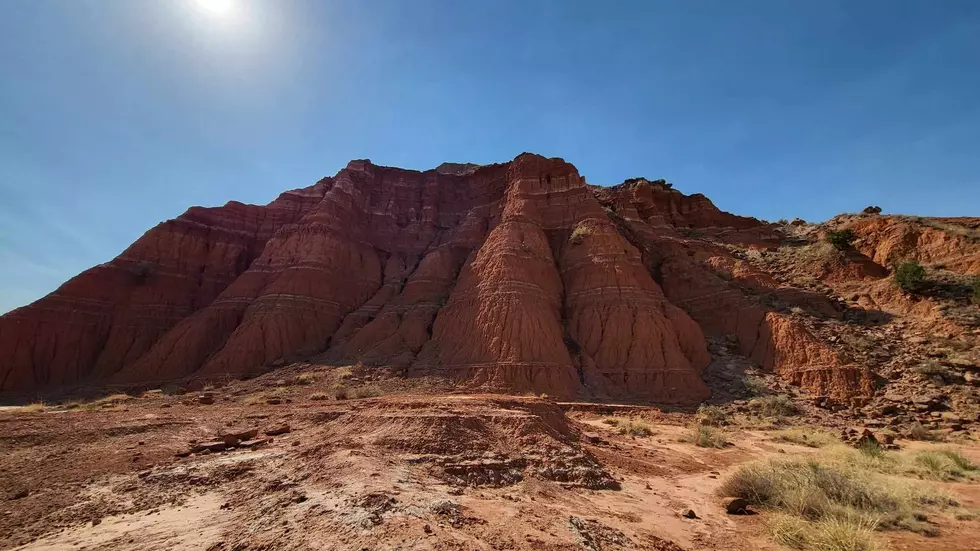
Descending from the flat plains of the Texas Panhandle into Palo Duro Canyon is a surreal experience. The "Grand Canyon of Texas" is 120 miles long and as much as 20 miles wide in some places. Its exposed geological layers—red clay, white gypsum, and yellow sandstone—tell a story of erosion spanning 250 million years.
The most iconic trek here is the Lighthouse Trail. This 6-mile round trip takes you to the base of a towering rock formation that resembles a coastal lighthouse, standing sentinel over the canyon floor.
| Quick Facts | Details |
|---|---|
| Entrance Fee | $8 per person |
| Best Time | March–May or September–November |
| Must-Do | The Lighthouse Formation hike at sunrise |
Big Bend National Park: The Rugged Frontier
Big Bend is a place of staggering scale. Encompassing over 801,100 acres, it is the largest expanse of protected roadless land in Texas. It is one of the few places in the world where you can stand on a mountain peak in the morning and raft through a 1,500-foot-deep limestone canyon by afternoon.
The Santa Elena Canyon is the park's visual centerpiece. Here, the Rio Grande cuts a narrow, dramatic gap between massive vertical walls. Further inland, the Chisos Mountains offer an alpine escape from the Chihuahuan Desert, featuring the South Rim trail—widely considered the best hike in Texas.
| Quick Facts | Details |
|---|---|
| Entrance Fee | $30 per vehicle (Valid for 7 days) |
| Best Time | November to April |
| Must-Do | Rafting through the Santa Elena Canyon |
Seminole Canyon State Park: Ancient Rock Art
Located near the confluence of the Pecos River and the Rio Grande, Seminole Canyon is a window into the lives of people who lived here over 4,000 years ago. The park is home to some of the most significant rock art in North America.
Visitors can join guided tours to the Fate Bell Shelter, where ancient murals were created using crushed minerals mixed with animal fat. The canyon itself offers rugged hiking with views of the Rio Grande’s café-au-lait-colored water cutting through stark white limestone cliffs.
| Quick Facts | Details |
|---|---|
| Entrance Fee | $5 per person |
| Best Time | Late winter for hiking without the heat |
| Must-Do | The Fate Bell Rock Art Tour |
- Where to Stay: Park campsites offer excellent views of the vast West Texas stars.
3. High Peaks and Rolling Sands: Dunes and Domes
Guadalupe Mountains National Park: The Top of Texas
If you want to stand on the roof of Texas, you’ll find it here. Guadalupe Peak reaches an elevation of 8,751 feet, offering a strenuous but rewarding hike through multiple ecological zones. What begins in the desert scrub ends in a high-altitude forest of ponderosa pine and Douglas fir.
The park is also home to McKittrick Canyon, often called the "most beautiful spot in Texas," particularly in late October when the bigtooth maples turn shades of vivid red and burgundy. On the western edge of the park lie the Salt Basin Dunes—bright white gypsum sands that provide a stark contrast to the dark mountains.
| Quick Facts | Details |
|---|---|
| Entrance Fee | $10 per person |
| Best Time | October and November for fall colors |
| Must-Do | The 8.4-mile hike to the summit of Guadalupe Peak |
Enchanted Rock State Natural Area: The Pink Granite Batholith
Emerging from the rolling hills of Fredericksburg like a giant pink onion, Enchanted Rock is a massive granite dome (a batholith) that rises 425 feet above the surrounding terrain. For centuries, the Tonkawa Indians believed the rock was haunted due to the creaking and groaning sounds it makes as it expands and contracts with temperature changes.
Hikers should climb the Summit Trail for 360-degree views, but don't overlook the vernal pools—small depressions on the rock's surface that host unique ecosystems, including rare fairy shrimp.
| Quick Facts | Details |
|---|---|
| Entrance Fee | $8 per person |
| Best Time | Winter and early Spring |
| Must-Do | Exploring the "caves" formed by granite boulders |
Monahans Sandhills State Park: The Texas Sahara
For a moment, you might forget you’re in Texas and believe you’ve been transported to the Sahara. Monahans Sandhills is a 3,840-acre "sea of sand" where dunes can reach up to 70 feet in height. Because the dunes are constantly shifting, the landscape looks different every day.
The park is famous for sand surfing—visitors can rent plastic disks at the headquarters to slide down the steep slopes. It is a surreal, minimalist landscape that is particularly beautiful at "golden hour."
| Quick Facts | Details |
|---|---|
| Entrance Fee | $4 per person |
| Best Time | Late afternoon (to avoid midday heat) |
| Must-Do | Renting a sand disk for dune sledding |
4. Biodiversity Hubs and Prehistoric Wonders
Bentsen-Rio Grande State Park: A Birder’s Paradise
Located in the Rio Grande Valley, this park is a critical biodiversity hub. Over 360 species of birds have been recorded here, including the colorful Green Jay and the Altamira Oriole. It is a world-renowned destination for birdwatchers, especially during the spring and fall migrations.
The park is largely vehicle-free; visitors traverse the subtropical woodland via bicycles or tram, making it a peaceful sanctuary. The Hawk Observation Tower provides a canopy-level view of the migrating raptors.
| Quick Facts | Details |
|---|---|
| Entrance Fee | $5 per person |
| Best Time | Spring and Fall migration seasons |
| Must-Do | Climbing the two-story hawk observation tower |
Big Thicket National Preserve: The Biological Crossroads
The Big Thicket in East Texas is so diverse it’s often called the "American Ark." It is where southeastern swamps meet midwestern prairies and desert succulents. This biological crossroads features cypress-lined bayous, carnivorous pitcher plants, and dense forests.
The best way to experience the Thicket is by water. Kayaking through the Neches River or Village Creek allows you to drift past ancient cypress knees and hanging Spanish moss, feeling worlds away from the urban sprawl of nearby Houston.
| Quick Facts | Details |
|---|---|
| Entrance Fee | Free |
| Best Time | Spring (for wildflowers) or Fall |
| Must-Do | Hiking the Pitcher Plant Trail |
Waco Mammoth National Monument: Ice Age Giants
In 1978, two hikers discovered a bone protruding from a creek bank. That discovery led to the unearthing of the only recorded nursery herd of Columbian mammoths in the world. Today, you can stand on a climate-controlled bridge and look directly down at the fossils still resting in the earth where they were found.
It is a sobering and majestic site, providing a tangible link to a Texas that was once prowled by saber-toothed cats and giant ground sloths.
| Quick Facts | Details |
|---|---|
| Entrance Fee | $6 per adult (for guided tour) |
| Best Time | Year-round (the dig site is indoors) |
| Must-Do | The guided tour to see the nursery herd fossils |
Sea Rim State Park: Where Marsh Meets Coast
At the extreme southeast corner of Texas, Sea Rim State Park offers a unique blend of marshland and Gulf Coast beach. With 5.2 miles of shoreline and over 4,000 acres of marsh, it is a hauntingly beautiful landscape.
The park features floating campsites located deep in the marsh, accessible only by boat. It is a paradise for kayakers and birders who want to experience the "edge" of the state where the land slowly dissolves into the sea.
| Quick Facts | Details |
|---|---|
| Entrance Fee | $3 per person |
| Best Time | Fall and Winter |
| Must-Do | The Gambusia Nature Trail boardwalk through the marsh |
Planning Your 2024 Texas Adventure
When planning a trip across the Lone Star State, timing is everything. Texas is a land of extremes; a summer day in the Panhandle can be a dry 100°F, while the coast remains sweltering and humid.
- Best Time to Visit: The "Sweet Spot" is typically November to April. During these months, the desert parks like Big Bend and Guadalupe Mountains are manageable, and the humidity in the east has broken.
- Reservations: Since 2020, the Texas State Park system has moved almost entirely to a reservation-based entry. Even if you are just visiting for the day, you should book your "Save the Day" pass online weeks in advance for popular spots like Garner or Enchanted Rock.
- Park Passes: If you plan on visiting more than three or four parks, the Texas State Parks Pass ($70) is a wise investment, providing free entry for you and your guests for a full year.
Pro-Tip: Always carry twice as much water as you think you need. In the arid West Texas parks, the dry air wicks moisture away before you even realize you're sweating.
FAQ
Do I need a 4WD vehicle to visit these parks? For most parks, a standard sedan is perfectly fine. However, if you plan on exploring the deep "Down Island" sections of Padre Island National Seashore or the backcountry roads of Big Bend National Park, a high-clearance 4WD vehicle is essential.
Can I bring my dog to Texas State Parks? Yes, most parks are pet-friendly, provided they are on a leash. However, some areas—like the swim area at Balmorhea or specific protected trails at Enchanted Rock—may have restrictions to protect the local ecology.
Is it safe to swim in the Rio Grande? While the water is often calm, the Rio Grande can have hidden currents and varying depths. It is generally safer to stick to designated swimming holes like those in Balmorhea or Garner. If you are in Big Bend, check with rangers for current water safety conditions before entering the river.
Are you ready to discover the wild side of the Lone Star State? Whether you're diving into the springs of the West or hiking the red rifts of the North, 2024 is the year to experience Texas in all its geographic glory.