Quick Facts: Zion’s Trail Overview
| Trail Name | Distance (RT) | Difficulty | Permit Required | Shuttle Stop |
|---|---|---|---|---|
| Pa’rus Trail | 3.5 miles | Easy | No | 1 (Visitor Center) |
| Timber Creek Overlook | 1.1 miles | Easy | No | Kolob Canyons |
| Canyon Overlook | 1.0 mile | Easy | No | East Entrance |
| Riverside Walk | 2.2 miles | Easy | No | 9 (Temple of Sinawava) |
| Emerald Pools | 1.2–3.0 miles | Moderate | No | 5 (Zion Lodge) |
| The Watchman Trail | 3.3 miles | Moderate | No | 1 (Visitor Center) |
| Middle Taylor Creek | 5.0 miles | Moderate | No | Kolob Canyons |
| Northgate Peaks | 4.2 miles | Moderate | No | Kolob Terrace |
| Angels Landing | 5.4 miles | Strenuous | Yes | 6 (The Grotto) |
| The Narrows (Bottom-Up) | Up to 9.4 miles | Strenuous | No | 9 (Temple of Sinawava) |
| Observation Point | 6.7 miles | Strenuous | No | East Mesa Trailhead |
| The Subway | 9.0 miles | Expert | Yes | Left Fork Trailhead |
| Kolob Arch | 14.0 miles | Expert | No (Day Trip) | Kolob Canyons |
Zion National Park doesn’t shout for attention; it waits for you to quiet down. However, in 2026, finding that silence requires more than just a pair of sturdy boots—it requires a tactical approach. As the park stabilizes at a staggering five million annual visitors, the "Zion experience" has shifted from a spontaneous road trip to a curated expedition. Understanding the new rhythm of the canyon is essential.
The most accessible entry point to this landscape is the Pa’rus Trail, a flat, paved route that remains the only path in the park where you can bring pets or bicycles. Conversely, the high-octane allure of Angels Landing now exists behind a strictly enforced lottery system. If you are planning a 2026 visit, the fundamental truth is this: the best hikes in Zion are no longer just about the destination, but about how effectively you navigate the logistics of the journey.
Mandatory Logistics: Permits, Shuttles, and 2026 Fees
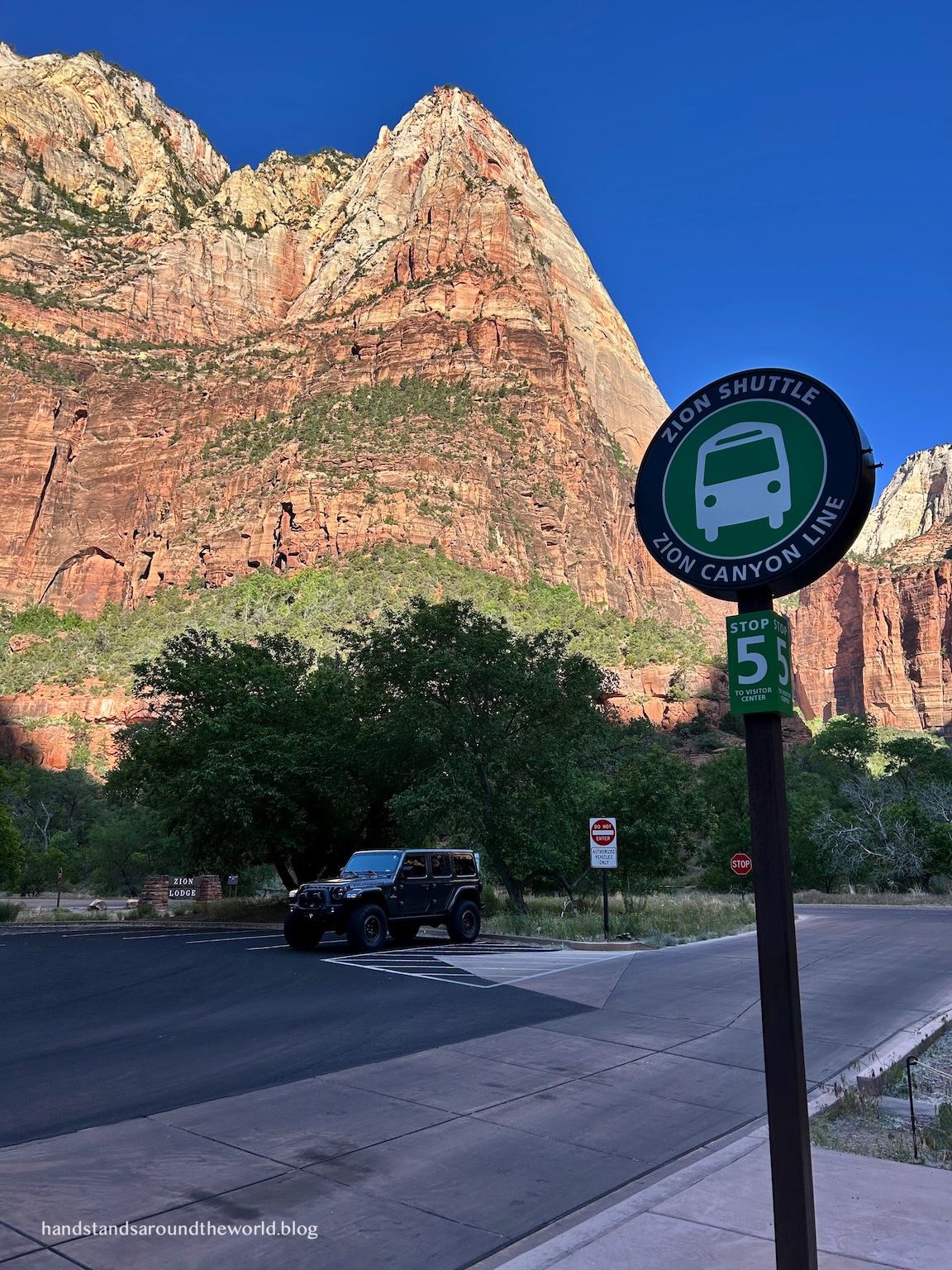
The logistical landscape of Zion has evolved significantly for the 2026 season. Efficiency is the currency of a successful trip. The Zion Canyon Scenic Drive remains closed to personal vehicles for approximately 10 months of the year (February through November). During this window, the park’s shuttle system is the only way to access the primary trailheads within the canyon. To secure a seat without a two-hour wait, you must be at the Visitor Center parking lot by 7:30 AM at the latest.
2026 Fee Alert: International visitors and non-residents without an "America the Beautiful" annual pass are now subject to a $100 per person surcharge. This fee is designed to mitigate the environmental impact of high-density tourism and fund trail restoration projects. Ensure your passes are digitized on the NPS app before arrival, as cellular service is non-existent within the canyon depths.
Angels Landing Permit Guide 2026: The permit system for Angels Landing is now year-round. There are two ways to obtain one: the Seasonal Lottery (applied for months in advance) and the Day-Before Lottery (applied for by 3:00 PM MT the day before your hike). Do not attempt to bypass this; rangers are stationed at Scout Lookout to verify permits before the chain section begins.
Easy Zion Trails: Big Views, Low Effort
For many, the "easy" trails are the highlights of the trip, offering the dramatic scale of the Navajo sandstone without the metabolic cost of a 1,500-foot climb.
1. Pa’rus Trail
Starting at the South Campground, this 3.5-mile round-trip is the park’s accessibility gold standard. It follows the Virgin River, offering wide-angle views of the Watchman and the Sentinel. It is the only trail that allows both pets and bicycles, making it the perfect low-stress afternoon option.
2. Timber Creek Overlook
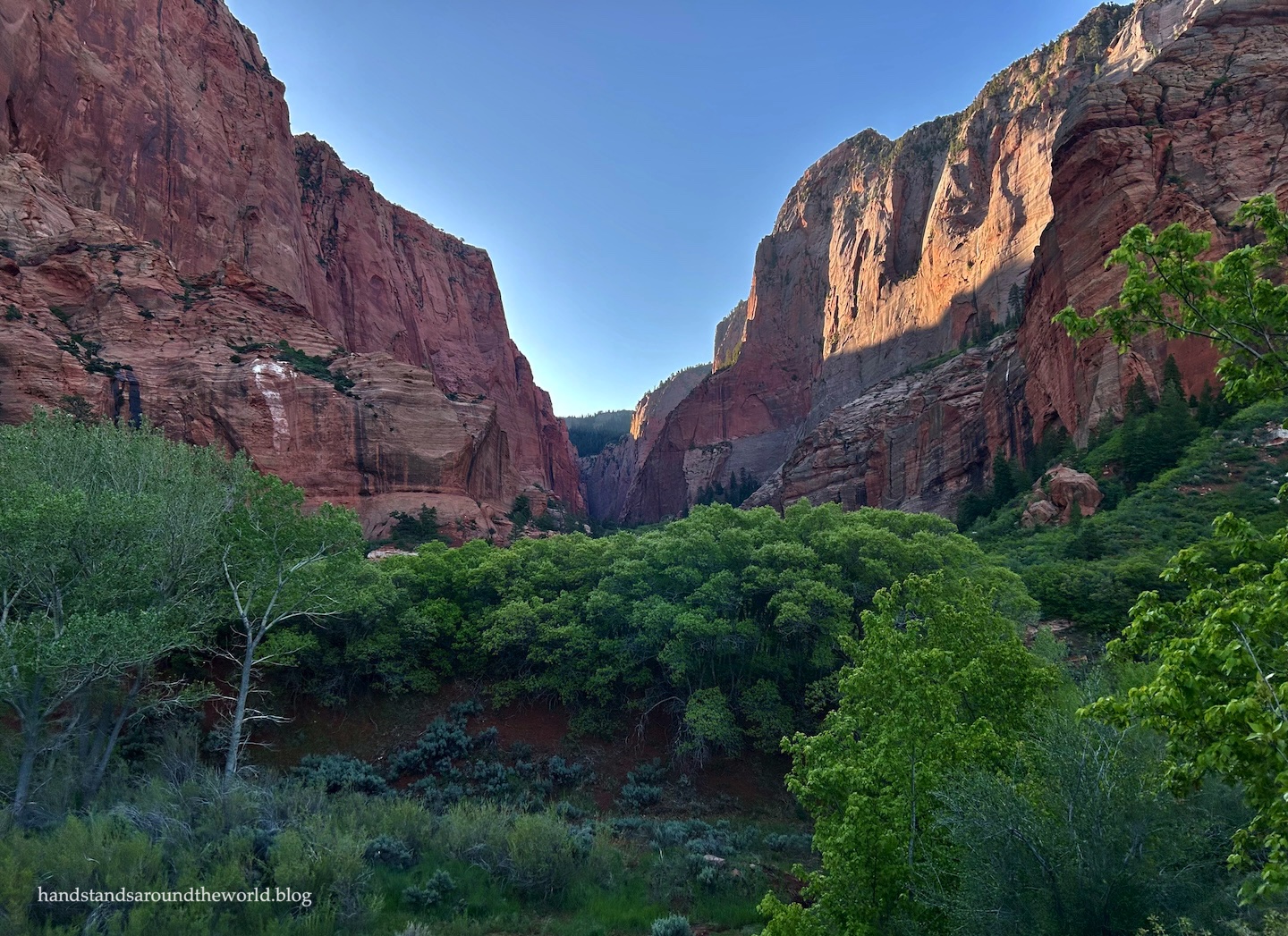
Located in the often-ignored Kolob Canyons section (Exit 40 off I-15), this 1.1-mile trek follows a ridge to a small peak. On clear days, you can see all the way to Mt. Trumbull at the North Rim of the Grand Canyon.
3. Canyon Overlook Trail
This is arguably the best "value" hike in the park. Located just east of the Zion-Mt. Carmel Tunnel, it’s a 1-mile round trip that provides a viewpoint nearly identical to the top of Angels Landing but with only 163 feet of elevation gain. Note that parking here is notoriously difficult; aim for sunrise.
4. Riverside Walk
The gateway to the Narrows, this 2.2-mile paved path is lush, shaded, and teeming with hanging gardens. It’s the best way to experience the "Wall Street" section of the canyon without getting your feet wet.
Moderate Adventures: The Heart of the Canyon
These trails require more effort but reward hikers with unique geological features and slightly thinner crowds.
5. Emerald Pools (Lower, Middle, Upper)
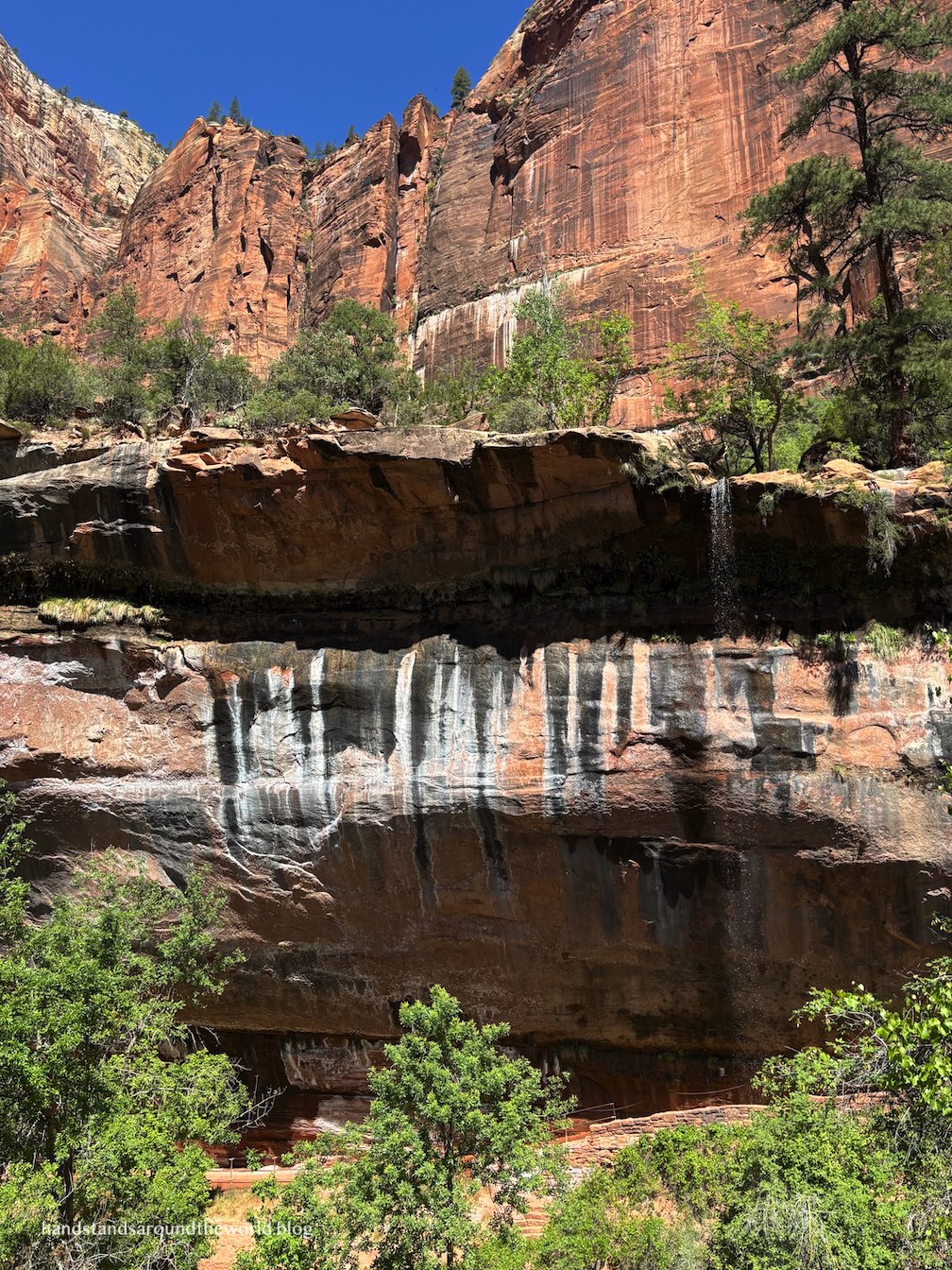
A classic Zion circuit that ranges from 1.2 to 2.8 miles depending on how far you climb. The trails connect a series of pools fed by waterfalls seeping out of the canyon walls. While the "Lower" pool is easy, the "Upper" pool requires a steeper scramble over sandy rocks.
6. The Watchman Trail
A 3.3-mile hike that begins near the Visitor Center. It doesn’t go to the top of the Watchman spire itself but leads to a plateau overlooking the southern entrance. It’s the quintessential sunset hike, as the red rocks catch the evening light with incredible intensity.
7. Middle Taylor Creek
Another Kolob Canyons gem, this 5-mile trail follows the stream past two 1930s-era homestead cabins and culminates at the Double Alcove Arch—a massive, weathered undercut in the Navajo sandstone.
8. Northgate Peaks
If you want to escape the shuttle crowds, drive to the Kolob Terrace Road. This 4.2-mile trail winds through ponderosa pines and wildflower meadows, ending at a volcanic basalt viewpoint looking down into the Great West Canyon.
Expert & Strenuous Routes: For the Thirst of Adrenaline
These routes are the park’s "Big Three," demanding physical preparation, mental fortitude, and, in some cases, specialized gear.
9. Angels Landing
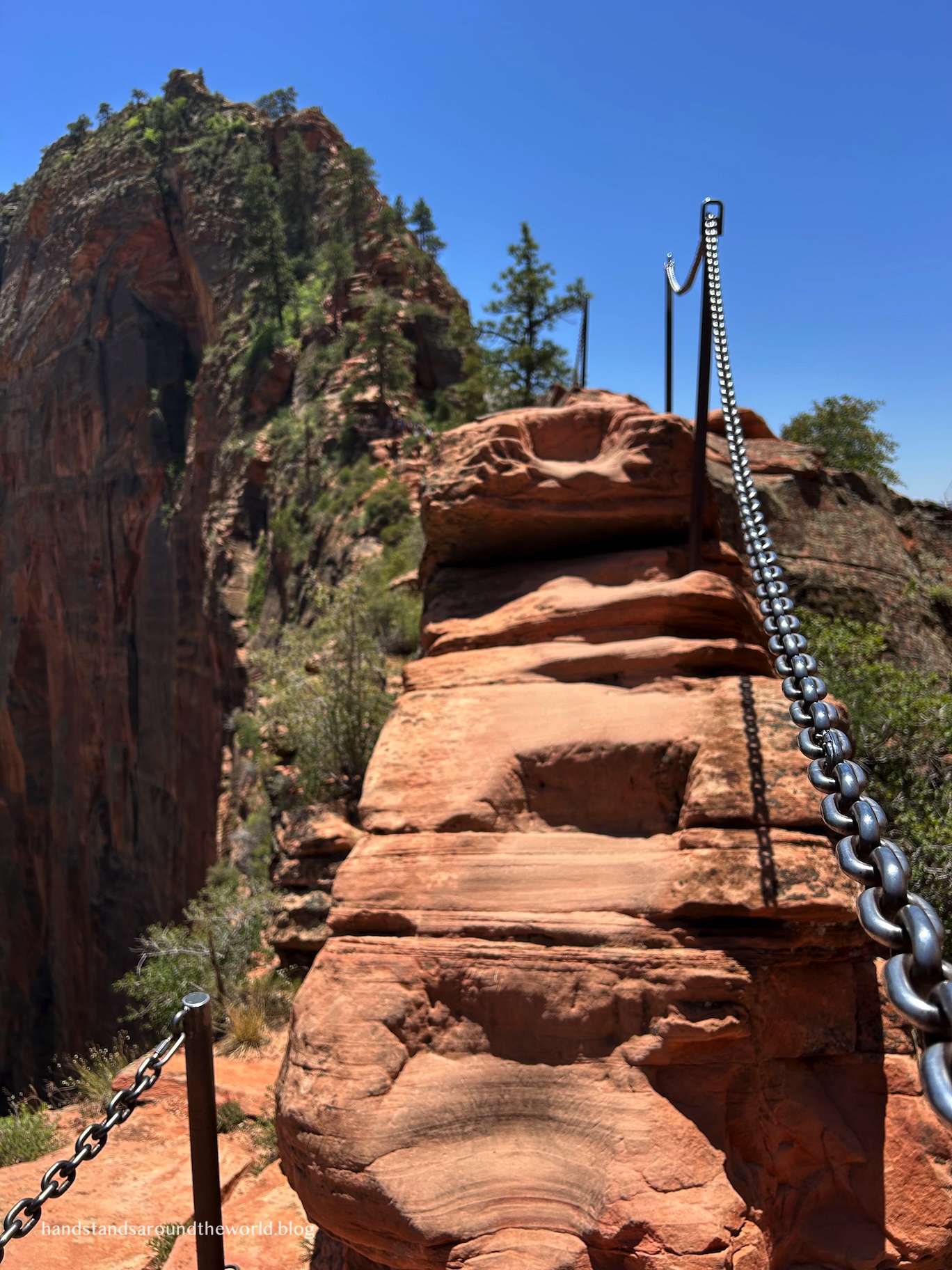
The most famous hike in the National Park System is a 5.4-mile test of nerves. The hike begins with Walter’s Wiggles—21 steep switchbacks—before reaching Scout Lookout. The final half-mile is a narrow ridge walk where you must hold onto heavy steel chains to prevent a 1,000-foot fall on either side. It is as much a psychological challenge as a physical one.
10. The Narrows (Bottom-Up)
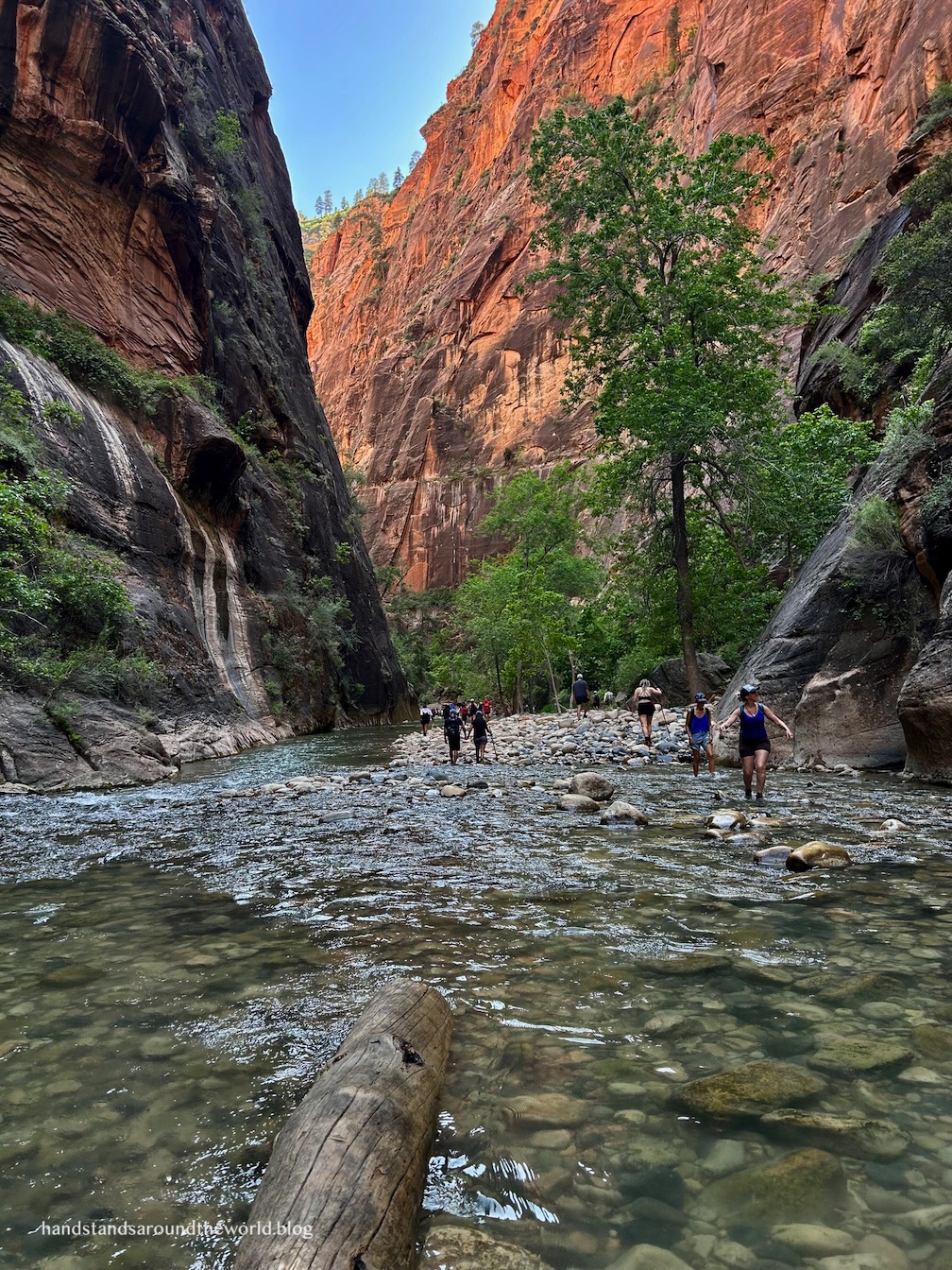
The Narrows is the definitive slot canyon experience. You don't hike on a trail; you wade through the Virgin River. The "Bottom-Up" route allows you to hike as far as Big Spring (nearly 10 miles round-trip) without a permit. The best time to hike is late spring through autumn; the trail is frequently closed in early spring when snowmelt sends the river into a dangerous surge.
11. Observation Point (via East Mesa)
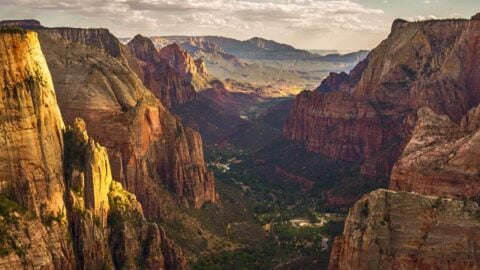
While the traditional trail from Weeping Rock remains closed due to a massive rockfall, hikers can reach this legendary viewpoint via the East Mesa Trail. At 6.7 miles, it is mostly flat, but the ending is spectacular. You stand at 6,521 feet, looking down on Angels Landing, which appears small from this superior height.
12. The Subway
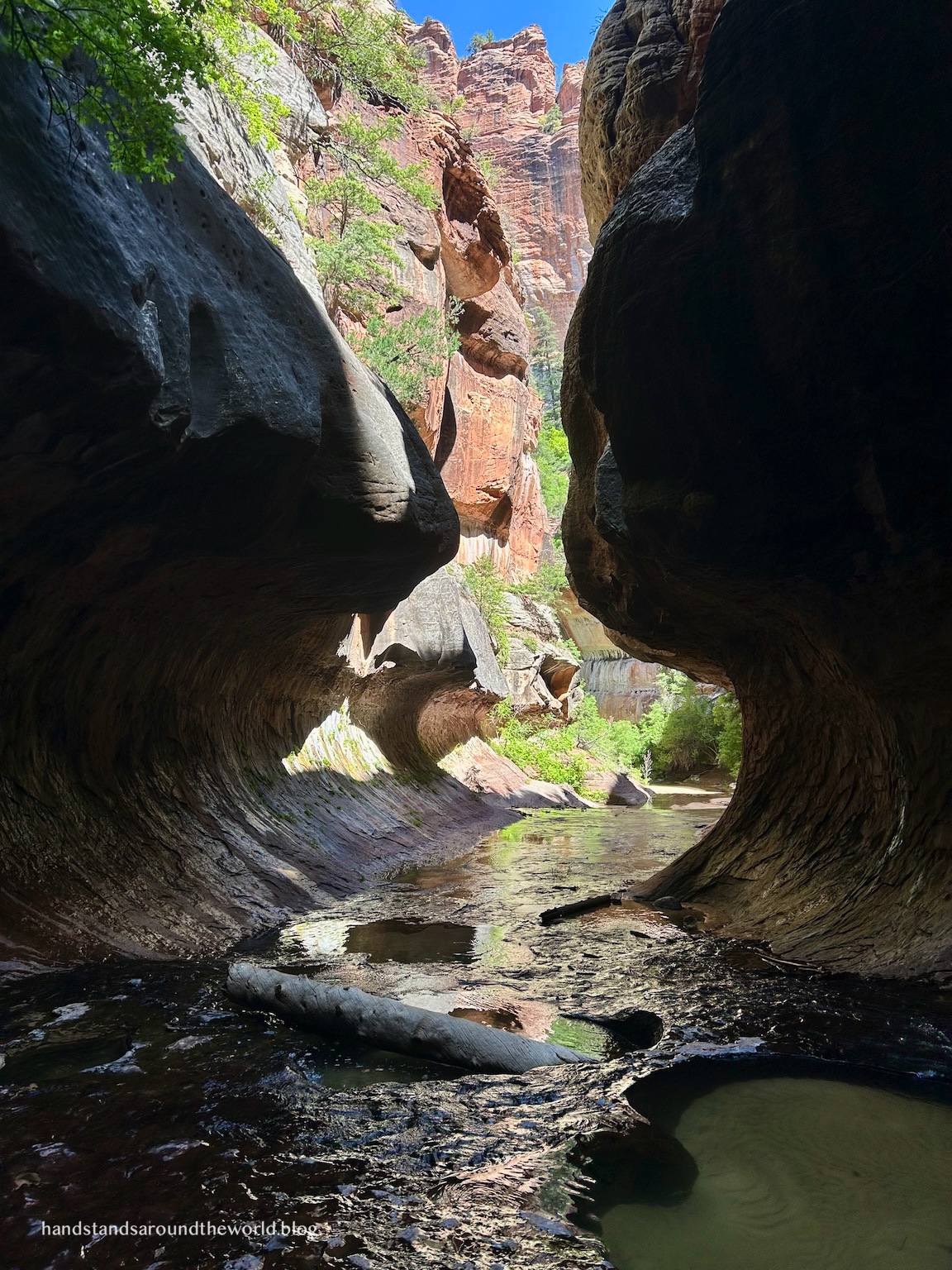
This 9-mile technical hike requires a Wilderness permit and often involves wading, swimming, and route-finding. The "Left Fork" of North Creek features a unique tubular tunnel carved by water that resembles a subway station. It is strictly limited to 80 people per day.
13. Kolob Arch
One of the world's longest natural arches, tucked away in the backcountry. This 14-mile round-trip is a test of endurance through the La Verkin Creek wilderness. It is often done as an overnight backpacking trip, though strong hikers can complete it in 8–10 hours.
How to Out-Schedule the Tourists: A Local’s Itinerary
To see Zion without feeling like you’re in a theme park, you must adopt the "Reverse Strategy." Most visitors arrive at 10:00 AM and leave by 4:00 PM.
The 5:30 AM Advantage: If you aren’t on the first or second shuttle out of the Visitor Center (6:00 AM - 6:30 AM), you have already lost the battle for solitude. Aim to finish your "big" hike (Angels Landing or The Narrows) by noon. Spend the hot, crowded afternoon hours in the Kolob Canyons or Kolob Terrace sections, where visitor density drops by 70%.
The "Hidden" Months: While summer is popular, it is objectively the worst time to hike due to 100°F heat and flash flood risks. November and February are the secret gems of the 2026 calendar. In November, the cottonwoods turn a brilliant gold, and in February, the red cliffs are often dusted with snow, creating a contrast you won't find in any other season.
Essential Safety for the Desert Canyon
In Zion, the environment is the ultimate authority. Every year, hikers are airlifted or worse due to preventable mistakes.
- Flash Flood Warnings: A clear sky above you means nothing. A storm 50 miles away can send a wall of water through the Narrows or The Subway within minutes. Always check the "Daily Flash Flood Potential" at the Visitor Center. If it’s "Probable" or "Expected," stay out of the slots.
- Toxic Cyanobacteria: Since 2020, the Virgin River has been affected by toxic blooms. Do not submerge your head in the water, and do not let dogs drink from the river. The toxins can be fatal if ingested.
- Hydration & Altitude: You are in a high-desert environment. The NPS recommends a minimum of 2 liters of water per person for even the shortest hikes. For the Narrows or Angels Landing, 3–4 liters is standard.
FAQ
Q: Do I need a permit to hike the Narrows? A: If you are hiking "Bottom-Up" (from the Temple of Sinawava) and staying within the canyon, no permit is required. However, the "Top-Down" 16-mile through-hike requires a Wilderness permit and usually an overnight stay.
Q: Can I drive my own car to the trailheads? A: Only during the low season (typically December and January). For the rest of the year, you must use the park shuttle or hire a private bike/e-bike to access the Zion Canyon Scenic Drive.
Q: What is the most accessible trail for wheelchair users? A: The Pa’rus Trail is fully paved and wheelchair-accessible. Additionally, the first mile of the Riverside Walk is accessible with assistance, though it can be sandy in sections.
Zion is a masterpiece of erosion and time, but it is also a fragile ecosystem under immense pressure. By choosing your trails wisely, respecting the permit systems, and arriving before the sun, you can still find the profound solitude that made this park famous.