"Twenty years is nothing," Carlos Gardel famously sang in his immortal tango, Volver. But standing on the corner of Avenida de Mayo in the soft, honeyed light of a 2025 autumn, I realized that thirty years is a lifetime. When I last walked these streets as a young traveler in the mid-90s, Buenos Aires felt like a city clinging to the echoes of a faded European grandeur. Today, returning as a writer who has tasted the world, I find a city that has finally stopped trying to be the "Paris of the South" and has embraced its own complex, soulful, and intensely passionate identity.
Buenos Aires in 2025 is a city of "Parallel Realities." It is a place where a 1919 grand theater serves as a cathedral for books, and where the most sophisticated culinary techniques are applied to a simple slab of grass-fed beef. For the modern traveler, the Buenos Aires travel guide 2025 is no longer just about checking off monuments; it is about navigating the "soul" of different neighborhoods—from the bohemian pulse of San Telmo to the gritty, authentic tango dens of Almagro.
To experience the city at its peak, aim for the shoulder seasons of March to May or September to November, when the weather is temperate and the violet cascades of jacaranda trees frame the city’s wide boulevards.
The Sunday Ritual: San Telmo’s Timeless Pulse
My first stop was San Telmo. Thirty years ago, this neighborhood felt like a dusty attic; today, it is the city’s living heart. On Sundays, the visiting San Telmo market (Feria de San Telmo) transforms the cobblestone streets into a mile-long theater of the nostalgic. Iron-clad market stalls overflow with siphons of colored glass, vintage lace, and silver maté cups.
However, the real magic lies beneath the surface. I spent an afternoon at El Zanjón de Granados, a restored 19th-century mansion where you can explore a labyrinth of tunnels and cisterns that date back to the city's founding. It is a haunting reminder that in Buenos Aires, history isn't just behind glass—it’s under your feet.
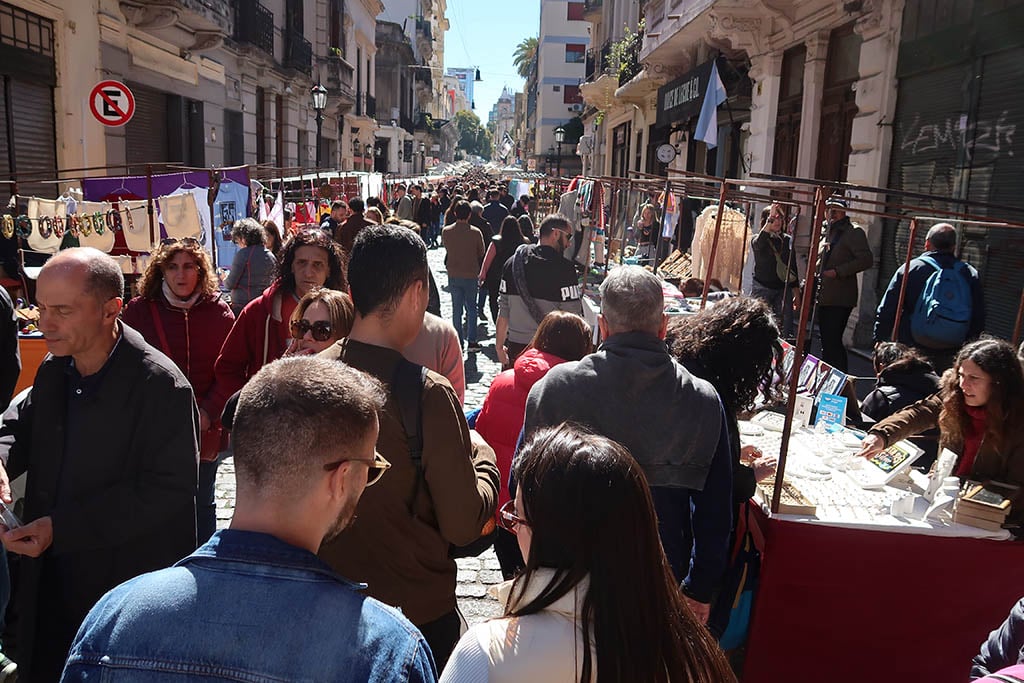
Pro Tip: The 10 AM Rush Arrive at the Feria by 10:00 AM. By noon, the crowds are thick enough to stall even the most determined shopper. Use the early hour to snag the best antiques before retreating to a corner cafe for a café con leche and a medialuna.
The Evolution of the Parrilla: From Tradition to Haute-Cuisine
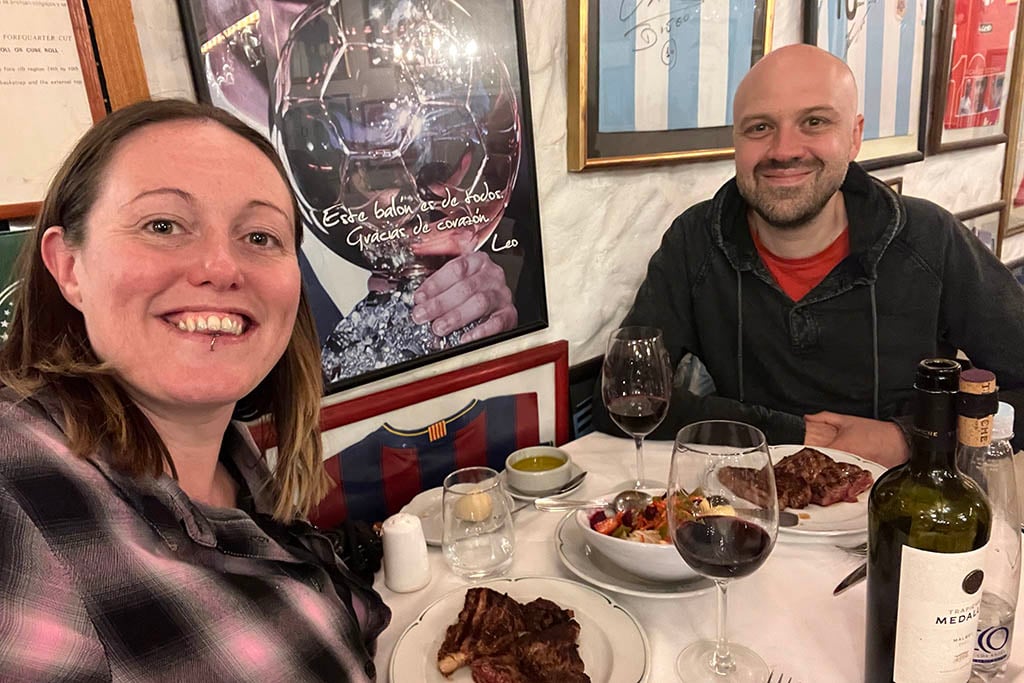
The scent of wood smoke is the true perfume of Buenos Aires. In the 90s, a parrilla was a no-frills affair: paper tablecloths and a mountain of meat. While those still exist, the Palermo Soho parrilla guide of 2025 is dominated by a more refined approach to the Argentine steak.
Don Julio in Palermo Soho is no longer a secret—it is a pilgrimage site. Their commitment to grass-fed, regenerative cattle and a wine cellar that reads like a history of Mendoza makes it a rite of passage. The steak here isn't just food; it’s a masterclass in patience and fire. But for those who crave the "old" Buenos Aires—the one I remember from thirty years ago—one must seek out Secretito. Located behind an unmarked door near the railroad tracks, it offers a local, hidden-gem atmosphere where the portions are gargantuan and the prices are a fraction of the high-end spots.
Then vs. Now: The 30-Year Culinary Shift
| Feature | 1995 Experience | 2025 Experience |
|---|---|---|
| Beef Focus | Quantity over quality; "well done" was common. | Grass-fed, dry-aged, and artisanal butchery. |
| Wine | Simple table malbecs. | World-class vintages, natural wines, and high-altitude blends. |
| Dining Scene | Traditional "bodegones." | Fusion, molecular gastronomy, and upscale parrillas. |
| Coffee | Strong and bitter "torrado." | Specialty coffee revolution in Palermo and Colegiales. |
Almagro: Finding the Authentic, Non-Commercial Tango
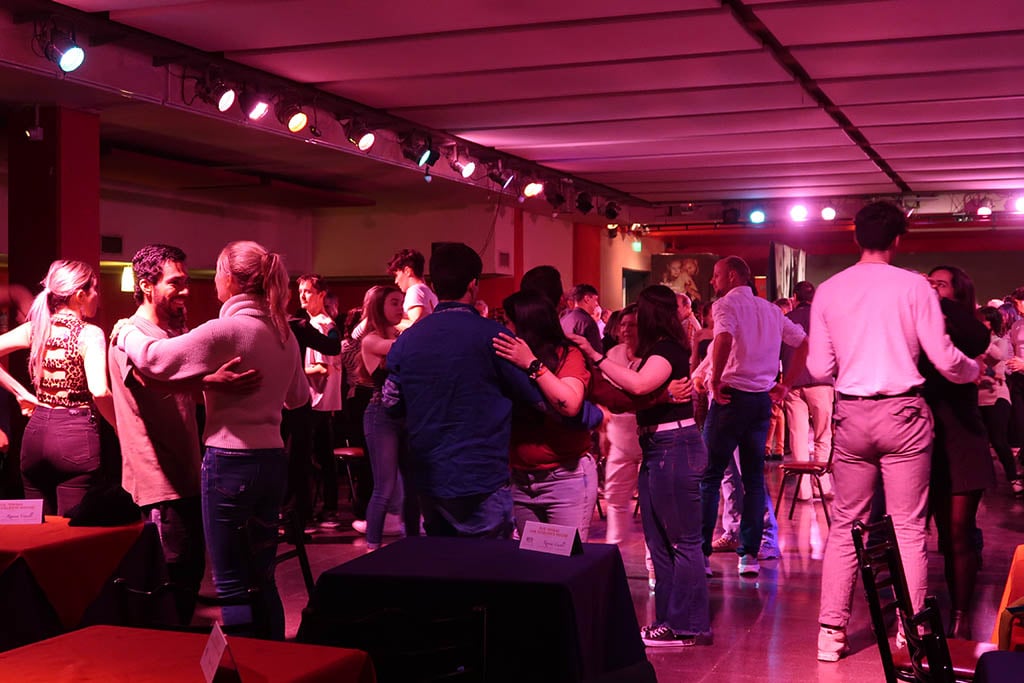
If Palermo is the city's glamorous face, Almagro is its unwashed, poetic soul. For years, I told friends to avoid the "tango dinners" of downtown—they are beautiful but lack the mugre (the "dirt" or grit) that gives tango its life. To find authentic tango Almagro milongas, you must venture into the dim lights of the neighborhood bars.
Places like Sanata Tango Bar and El Boliche de Roberto have seen a revitalization led by the city's youth. Here, twenty-somethings in sneakers play bandoneons with the same intensity as the old masters once did. My favorite remains La Catedral Club. Housed in a cavernous former dairy factory with towering ceilings and heart-stoppingly eccentric décor, it is a place where people dance until 5:00 AM. It isn't a show; it's a communal exorcism.
Recoleta and the Culture of Introspection
Buenos Aires is famously the "city of shrinks." It maintains the highest number of psychologists per capita in the world, and you can feel this culture of introspection everywhere—in the deep conversations at cafes and in the melancholic beauty of its landmarks.
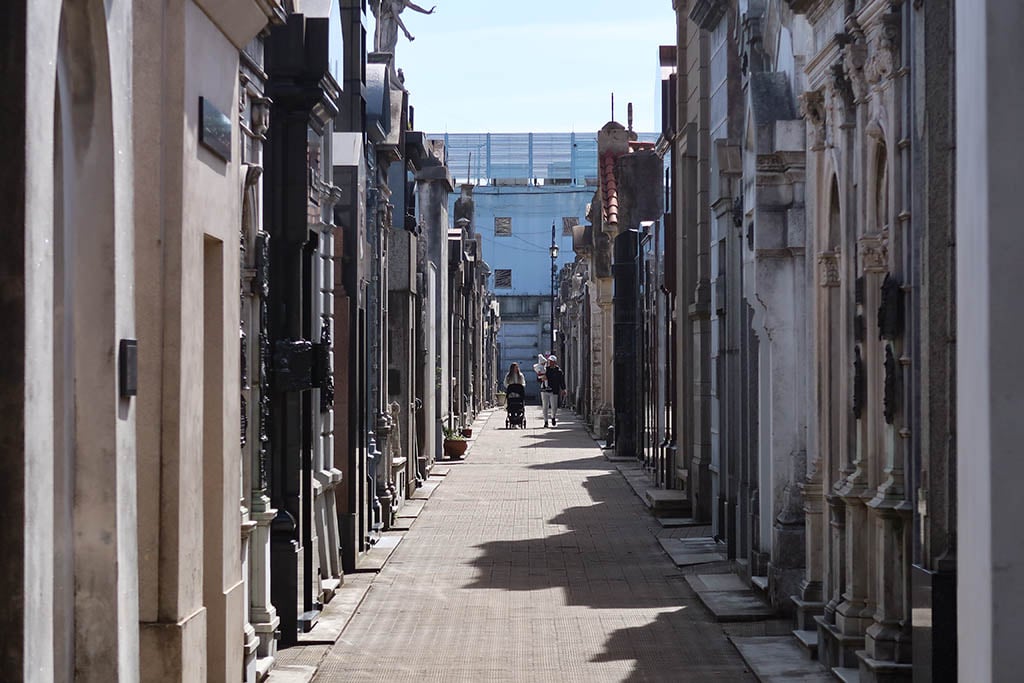
The Recoleta neighborhood attractions are headlined by the Recoleta Cemetery. It is a city of the dead that mirrors the city of the living. Walking past the ornate mausoleums of Eva Perón and Luis Firpo (the "Wild Bull of the Pampas"), one realizes that Argentines don't just bury their history; they build palaces for it.
Just a few blocks away lies El Ateneo Grand Splendid. Originally a 1919 theater where Gardel himself once performed, it is now ranked as one of the most architecturally significant bookstores in the world. Browsing for poetry on a stage where the red velvet curtains still hang is a quintessential Buenos Aires experience.
The 7-Day 'Soul of BA' Itinerary
Planning a week in this metropolis requires a balance of stamina and leisure. Here is my recommended path for the soulful traveler:
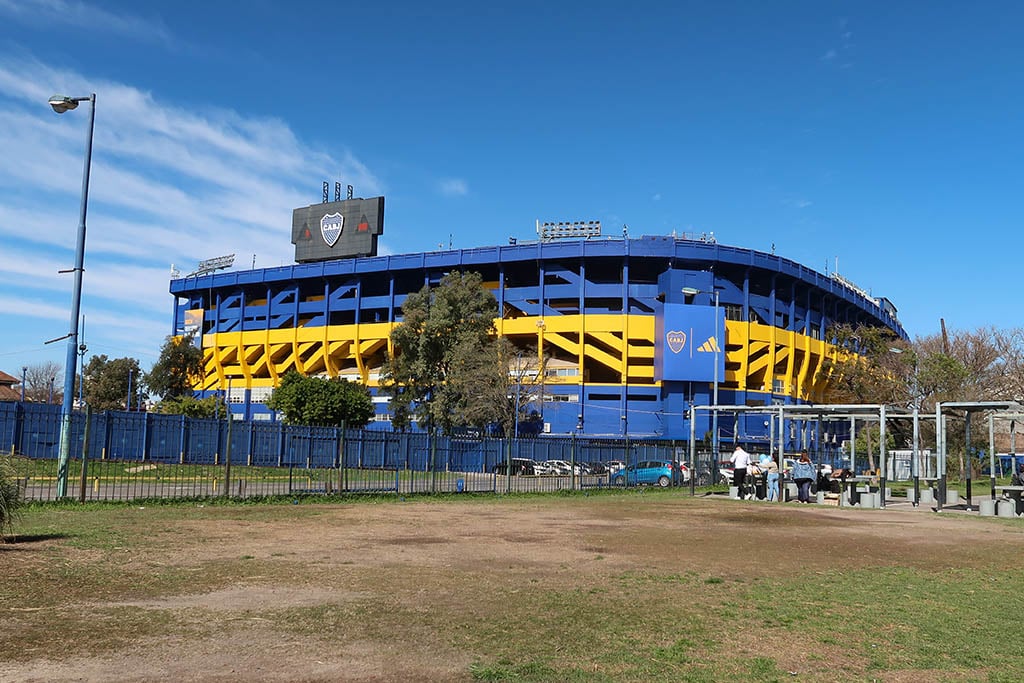
- Day 1-2: The Roots. Start Sunday at the San Telmo flea market. Walk down to La Boca to see the colorful Caminito and the legendary La Bombonera stadium. The air here is thick with football fever and grilled chorizo.
- Day 3-4: The Elegance. Explore the boutiques and street art of Palermo Soho. Visit the MALBA (Museum of Latin American Art) and spend an afternoon in the rose gardens of Palermo.
- Day 5-6: The Escape. Take the train to the Tigre Delta for a day on the water, or head to a traditional Estancia in the Pampas for a gaucho barbecue and horseback riding.
- Day 7: The Introspection. Visit the Recoleta Cemetery and El Ateneo Grand Splendid. Finish your journey in Almagro with a late-night milonga and a glass of Fernet and Coke.
2025 Travel Logistics: Money, Safety, and Connectivity
Navigating the economy of Argentina is an art form in itself. In 2025, the "Blue Dollar" (the unofficial exchange rate) remains a factor for travelers looking to maximize their budget.
-
The 2025 Budget:
- Budget ($80/day): Hostels, SUBE card for transit, street food like choripán.
- Mid-range ($150-$250/day): Boutique hotels in Palermo, nightly dinners at good parrillas, some private tours.
- Luxury ($500+/day): The Alvear Palace Hotel, private tango lessons, and exclusive wine tastings.
-
Connectivity & Transit: Purchase a SUBE card at any "Kiosko" (convenience store) for incredibly affordable transit. Rides on the "Subte" (subway) or "Colectivos" (buses) usually cost between $0.30 and $0.50.
Local Slang (Lunfardo)
- Che: "Hey" or "Friend." Used constantly.
- Laburo: Work or job.
- Bondi: The bus.
- Quilombo: A mess or a chaotic situation (frequently used to describe politics!).
Returning to Buenos Aires after three decades has taught me that while the buildings might age and the currency might fluctuate, the porteño spirit is indestructible. It is a city that demands you feel something—whether it is the heartbreak of a tango lyric or the pure joy of a perfectly cooked ribeye.
FAQ: Planning Your 2025 Trip
Is Buenos Aires safe for solo travelers in 2025? Generally, yes. Like any major city, stick to well-lit areas at night and keep an eye on your belongings in crowded places like San Telmo or the Subte. Use "Radio Taxi" or apps like Uber/Cabify for late-night travel.
Do I need to speak Spanish? While many younger people and those in the tourism industry speak English, knowing basic Spanish phrases will vastly improve your experience, especially in neighborhoods like Almagro or when negotiating at the San Telmo market.
What is the "Blue Dollar"? It is the unofficial exchange rate that offers more pesos per dollar than the official government rate. Many tourists bring crisp $100 bills to exchange at "cuevas" (exchange houses) for a better rate, though using a foreign credit card now often provides a preferential "MEP" rate that is close to the blue rate.
Are you ready to lose your heart to the southern capital? Whether you are seeking the grit of the milonga or the glamour of Recoleta, Buenos Aires is waiting to tell you its story.