For those of us who spend our lives tracing maps and navigating terrestrial borders, there is a particular kind of humbling clarity that comes only from looking upward. In Southern Arizona, the border between earth and space feels thinner than anywhere else in the continental United States. Since 1972, Tucson has pioneered some of the world’s strictest light pollution controls, preserving a primordial darkness that has turned the region into the "World Capital of Astronomy."
Launched in early 2025, the Tucson Astro Trail is the culmination of this half-century commitment to the night sky. It is a curated guide of 11 dark-sky attractions across Southern Arizona, linking world-class observatories, cutting-edge science centers, and sprawling national parks via a digital passport. Whether you are a seasoned astrophotographer or a curious traveler seeking the celestial glow of the Milky Way, this trail offers a structured journey through the history of the universe.
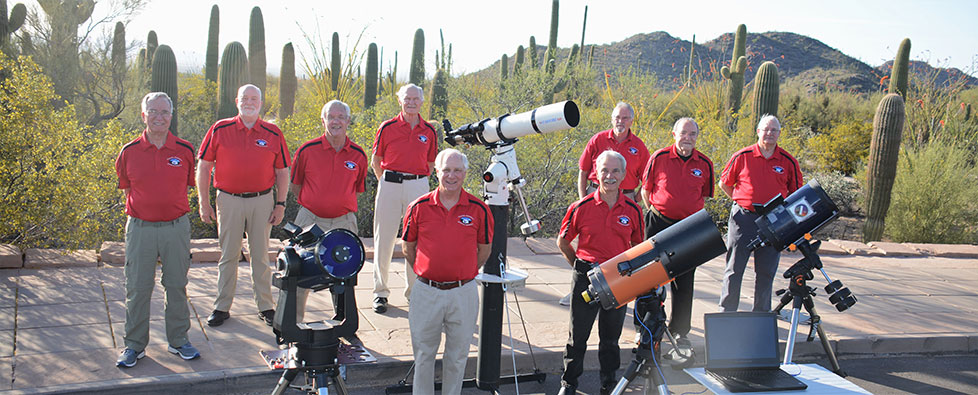
While the trail encompasses 11 distinct locations, five stand out as essential pillars for any visitor. These sites represent the perfect intersection of Tucson’s high-altitude mountainous terrain, its arid, cloudless climate, and its deep-rooted scientific heritage.
1. Mt. Lemmon SkyCenter: Peer Through the Schulman Telescope
Rising 9,157 feet above sea level, Mt. Lemmon SkyCenter is the crown jewel of high-altitude viewing in the Southwest. Located at the summit of the Santa Catalina Mountains, the journey to the SkyCenter is an experience in itself—a scenic drive through five different "life zones," transitioning from saguaro-studded desert to subalpine fir forests.
The SkyCenter is home to the 32-inch Schulman telescope, the largest dedicated public telescope in the United States. Unlike many professional observatories where research takes precedence over public access, the SkyCenter is designed for the inquisitive traveler. Their "SkyNights" program offers a five-hour immersive experience that includes a light dinner, an expert-led lecture, and hours of gazing at nebulae that look like glowing cosmic clouds through the eyepiece.
Pro Tips for Mt. Lemmon:
- Layer Up: Temperatures at the summit are often 20 to 30 degrees cooler than the Tucson valley floor. Even in summer, a jacket is mandatory.
- Book Early: Tickets for the Schulman telescope sessions often sell out months in advance.
- The Scenic Route: Allow at least 90 minutes for the drive up the Catalina Highway to enjoy the pull-offs and dramatic rock formations.
2. Saguaro National Park: Night Skies and Prickly Giants
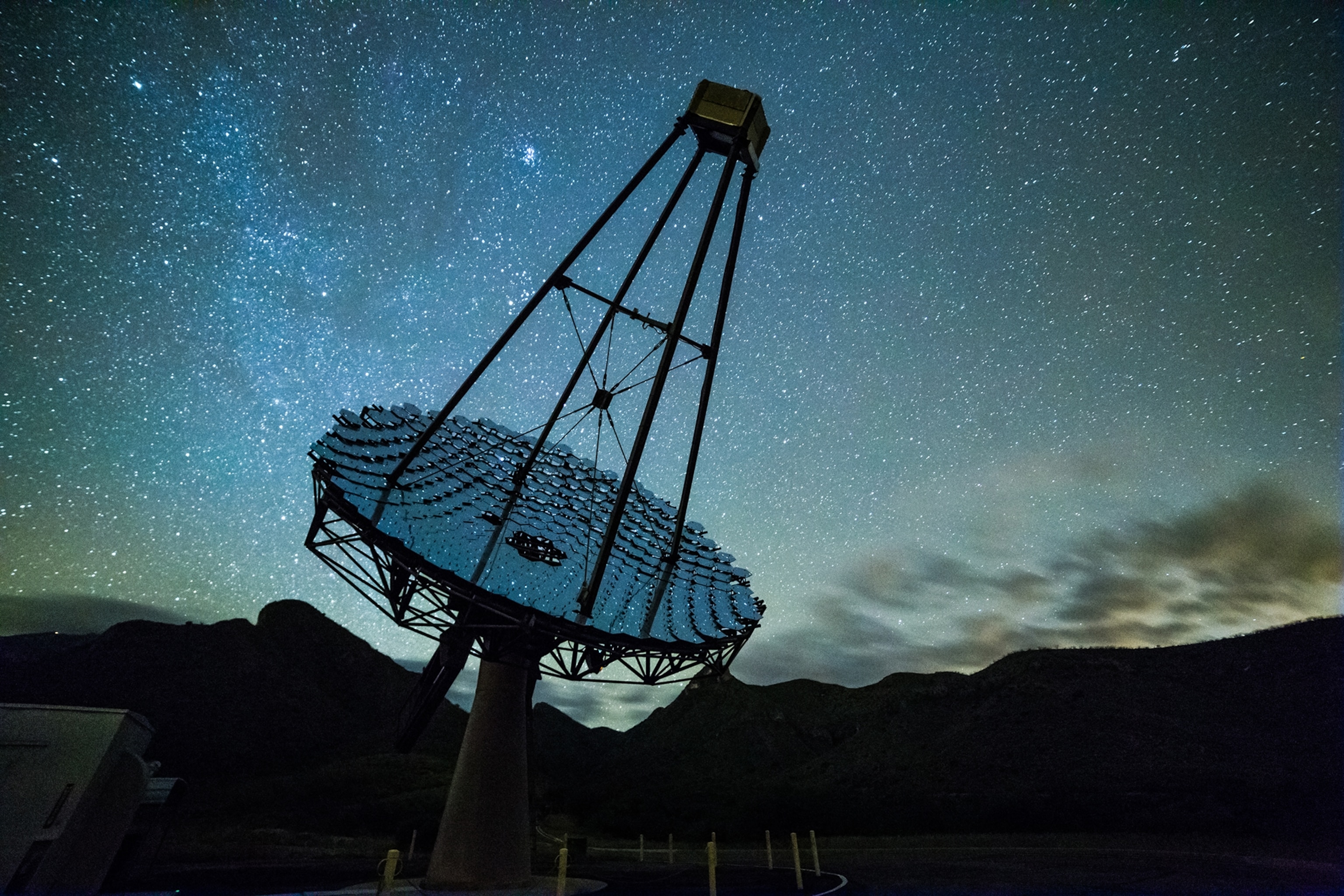
Saguaro National Park is a testament to the fact that you don't always need to climb a mountain to see the stars. Split into two districts—East (Rincon Mountain) and West (Tucson Mountain)—the park was designated as the world’s 9th Urban Night Sky Place in 2023. This distinction is rare, awarded only to sites that provide an authentic dark-sky experience despite being remarkably close to a major city.
Why is Saguaro National Park special for stargazing? It provides a visual juxtaposition found nowhere else: the ancient, multi-armed silhouettes of saguaro cacti standing guard under a sky swirled with maroon, rust, and cream hues of distant planets. Within 30 minutes of downtown Tucson, you can find yourself in a landscape where the light of the stars is strong enough to cast a shadow on the desert floor.
- Saguaro East: The Cactus Forest Scenic Loop Drive is perfect for finding quiet pull-outs to set up a tripod.
- Saguaro West: The Scenic Bajada Loop Drive offers a more rugged feel with some of the best sunset-to-starlight transitions in the state.
3. Kitt Peak National Observatory: A Sacred Window to the Universe
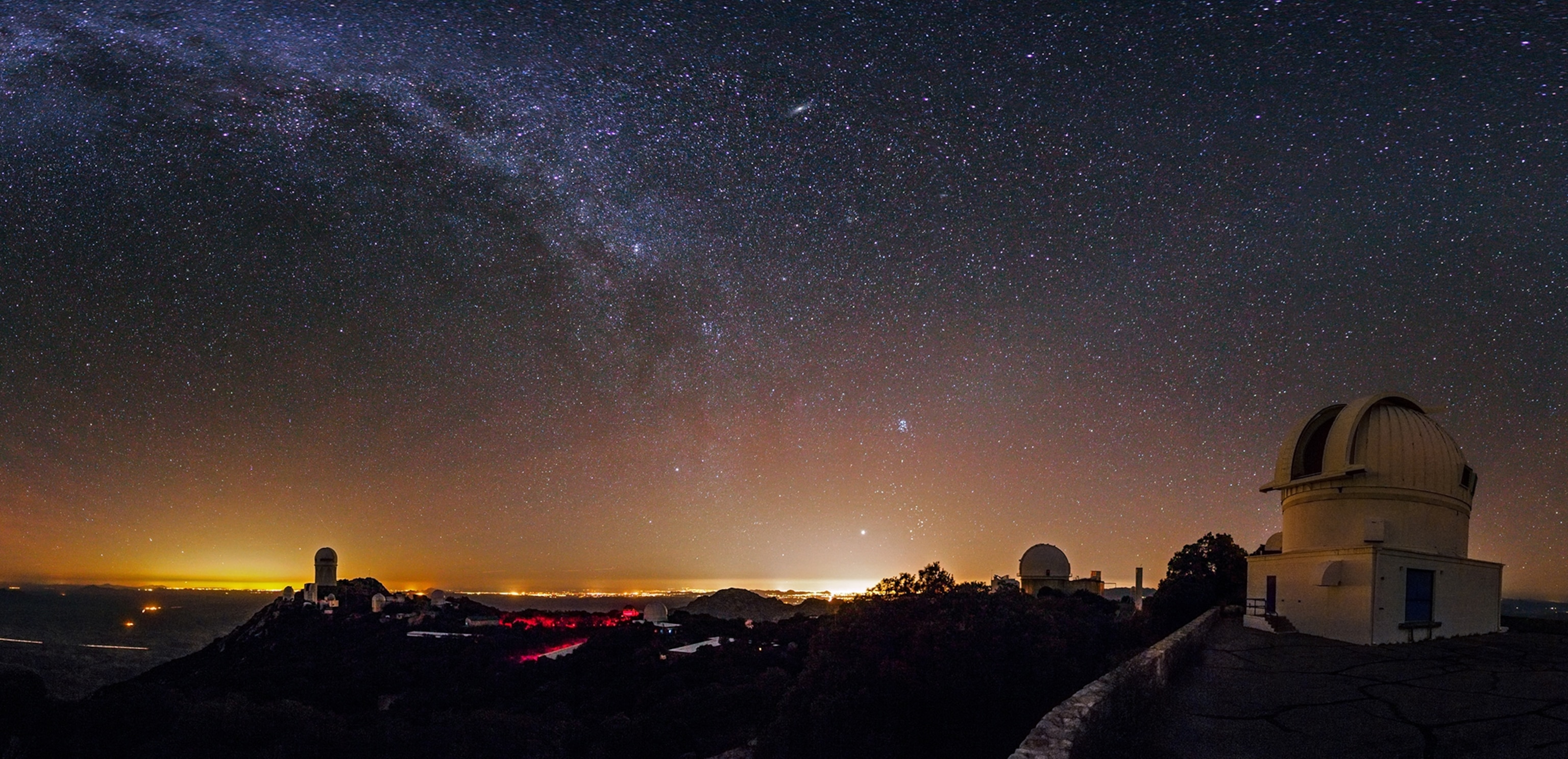
Driving toward Kitt Peak is like approaching a white-domed city on a hill. Located on the sacred lands of the Tohono O’odham Nation, this observatory features the world’s largest and most diverse collection of optical and radio telescopes. For decades, it has served as a "sacred window" through which humanity peers into deep space.
Kitt Peak’s significance is both cultural and scientific. The Tohono O’odham people have navigated by these stars for millennia, and the observatory maintains a respectful partnership with the nation. For visitors, the "Overnight Program" is the ultimate bucket-list experience. It allows you to dine with working astronomers, learn the basics of data collection, and spend the night in the dorms used by the scientists who discovered dark matter and mapped the moon for the Apollo missions.
"To stand on Kitt Peak at midnight is to realize that the desert doesn't go to sleep; it simply changes its perspective from the earth to the infinite." — Field Notes from the Astro Trail
4. Flandrau Science Center & Planetarium: Astronomy for All Ages
If the observatories are the "eyes" of the Astro Trail, the Flandrau Science Center is its heart. Located on the University of Arizona campus, Flandrau acts as the gateway for those who want to understand the physics behind the beauty. The planetarium’s "Tucson Sky & Beyond" show is a live-narrated journey that explains exactly what you are seeing in the Arizona sky on any given night.
The University of Arizona is a global leader in mirror fabrication. Just a short walk from Flandrau is the Richard F. Caris Mirror Laboratory, where the world’s largest telescope mirrors—some over 27 feet in diameter—are cast in a spinning furnace. While the mirror lab requires a separate tour, Flandrau serves as the educational hub that ties the trail together, making it an essential first stop for families.
Must-See Exhibits:
- The Meteorite Collection: Touch fragments of space that are older than the Earth itself.
- The 16-inch Cassegrain Telescope: On clear nights (usually Friday and Saturday), the volunteer-run observatory offers free public viewing.
5. Pima Air & Space Museum: Exploring the History of Flight
While the other stops on the Astro Trail look forward and outward, the Pima Air & Space Museum provides the historical context of how we got there. It is one of the world's largest non-government aviation museums, spanning 80 acres with over 400 aircraft.
The "Space Gallery" is the highlight for Astro Trail travelers. It houses a full-scale mockup of the Apollo Command Module and exhibits on the early pioneers of space exploration. It serves as a reminder that Tucson’s obsession with the sky didn't start with telescopes; it began with the human desire to leave the ground. The museum offers a grounding perspective on the technological leaps required to send our lenses—and ourselves—into the vacuum of space.
Tucson Astro Trail at a Glance
| Stop | Elevation | Primary Attraction | Best For... |
|---|---|---|---|
| Mt. Lemmon SkyCenter | 9,157 ft | Schulman Telescope (32") | Deep-space viewing & photography |
| Saguaro National Park | 2,500 - 4,000 ft | Dark Sky Designation | Easy access & saguaro silhouettes |
| Kitt Peak Observatory | 6,875 ft | 20+ Active Telescopes | Scientific & cultural immersion |
| Flandrau Science Center | 2,400 ft | State-of-the-art Planetarium | Education & families |
| Pima Air & Space | 2,600 ft | Space Exploration Gallery | History buffs & aviation fans |
Bonus Experience: Star Parties at Catalina State Park
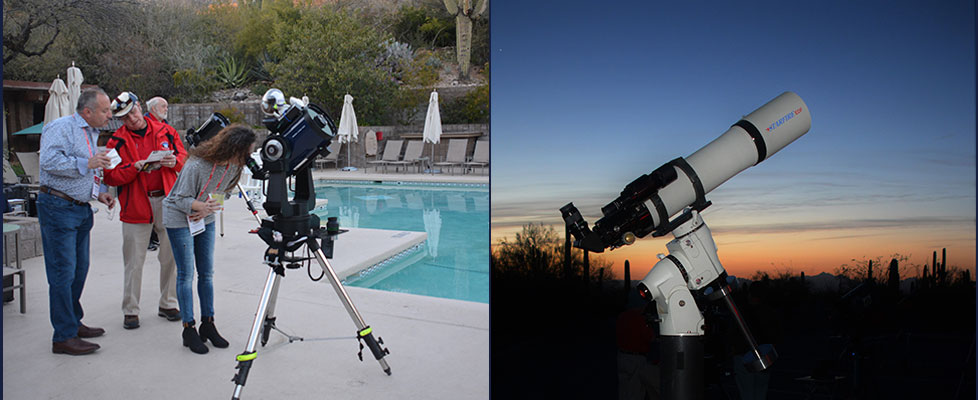
No journey along the Tucson Astro Trail is complete without joining a community "Star Party." Frequently hosted at Catalina State Park, these events are organized by the Tucson Amateur Astronomy Association (TAAA).
These parties are where the trail’s scientific rigor meets community passion. Local "astronomy ambassadors" set up their personal, high-powered telescopes and invite the public to look through them for free. It’s a social, tactile way to experience the night sky, often featuring "constellation tours" given by experts with laser pointers.
Planning Your Astro Trail Journey
The Tucson Astro Trail is more than just a list of locations; it’s an interactive journey. To get the most out of it, visitors should utilize the Digital Passport. By signing in at various stops, travelers can earn points toward rewards, such as branded water bottles or astronomy-themed patches.
Practical Tips for Stargazing in Tucson:
- Moon Cycles: For the best views of the Milky Way and deep-space objects, plan your visit during the week of the new moon.
- Preserve Night Vision: Use a red-light flashlight or put a red filter over your phone. It takes the human eye about 20 minutes to fully adjust to the dark, and a single flash of white light can reset that clock.
- Hydration: Even at night, the Arizona desert is incredibly arid. Drink more water than you think you need.
- Accommodations: To stay immersed in the theme, consider booking at Loews Ventana Canyon Resort, which features an on-site telescope and professional stargazing programs for guests, or the Cat Mountain Lodge, a desert eco-retreat designed specifically for stargazers.
Download Your Astro Trail Passport Here →
FAQ
When is the best time of year to visit the Tucson Astro Trail? While stargazing is possible year-round, the best conditions are typically from October through May. The skies are clearest and the temperatures are more comfortable. During the "Monsoon" season (late June through September), afternoon clouds often linger into the evening, which can obscure viewing.
Do I need a professional telescope to enjoy the trail? Absolutely not. The trail is designed for everyone. Sites like Flandrau and Mt. Lemmon provide the equipment, while Saguaro National Park offers a stunning naked-eye experience. Bringing a simple pair of binoculars (7x50 or 10x50) can significantly enhance your view of the moon and star clusters.
Is the Tucson Astro Trail kid-friendly? Yes. Flandrau Science Center and the Pima Air & Space Museum are particularly great for children. However, note that some evening programs at Mt. Lemmon and Kitt Peak have age restrictions (usually ages 7 or 10 and up) due to the late hours and technical nature of the presentations.
Call to Action
The stars are waiting. Whether you’re standing on the wind-swept peak of Mt. Lemmon or beneath the silent giants of Saguaro National Park, the Tucson Astro Trail offers a perspective that stays with you long after the sun comes up. Start your journey today by downloading the digital passport and charting your course through the World Capital of Astronomy.