The American wilderness has long been a symbol of rugged independence, but for decades, that "ruggedness" meant that some of our most breathtaking landscapes were out of reach for millions. However, we are currently living through a quiet revolution in the National Park Service (NPS). Driven by the NPS Accessibility Task Force’s 2015–2020 strategic plan, the focus has shifted from mere compliance to "universal design," ensuring that the majesty of the backcountry is no longer reserved for those who can hike ten miles with a pack.
Approximately 26% of the U.S. population lives with some form of disability, and the parks are evolving to meet this reality. Today, the most accessible US national parks—Yosemite, Yellowstone, and the Grand Canyon—offer far more than just "viewpoints." They provide extensive paved trail networks, shuttle systems equipped with heavy-duty wheelchair lifts, and visitor centers that utilize tactile models and assistive listening devices to tell the story of the land.
| National Park | Best For... | Signature Accessible Feature |
|---|---|---|
| Yosemite | Granite Vistas & Waterfalls | Lower Yosemite Fall Loop & Accessible Shuttles |
| Yellowstone | Geothermal Wonders | Miles of interconnected boardwalks |
| Grand Canyon | Grandeur & Scale | The paved South Rim Trail & Hermit Road |
| Grand Teton | Alpine Scenery | 15 miles of paved shared-use pathways |
| Acadia | Coastal Beauty | Historic, hard-packed Carriage Roads |
| Great Sand Dunes | Unique Terrain | Specialized balloon-tire sand wheelchairs |
The 'Access Pass': Your Golden Ticket to the Parks
Before you pack your bags, it is essential to secure your most valuable piece of gear: the America the Beautiful Access Pass. This is a free, lifetime entry pass available to U.S. citizens or permanent residents with permanent disabilities. It doesn’t just waive the entrance fees for the pass holder; it covers the entire vehicle and provides a 50% discount on some expanded amenity fees, such as managed campsites, swimming, and boat launches.
Obtaining the pass is straightforward. You can apply in person at any federal recreation site that charges an entrance fee, or online through the USGS Store (though the online option carries a $10 processing fee). This pass represents more than a discount; it is an invitation to explore the heritage of our public lands without the barrier of cost.
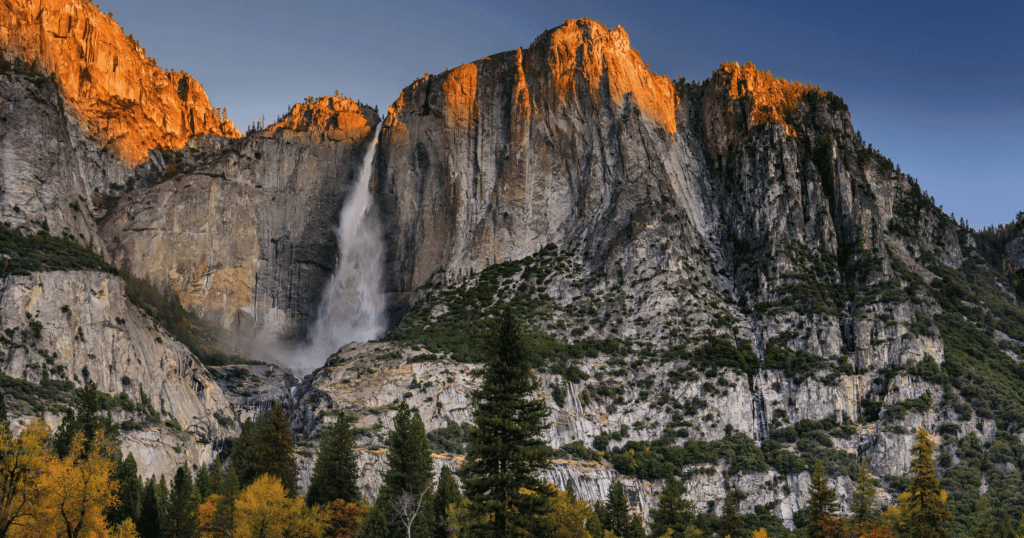
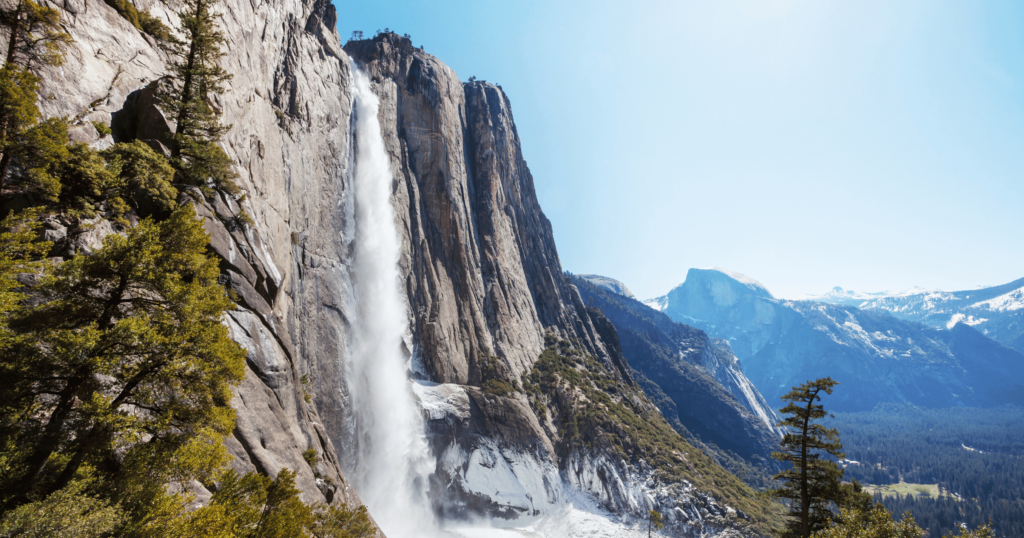
1. Yosemite National Park, California
Yosemite is a cathedral of granite and water, and thanks to modern engineering, its "nave" is wide open to everyone. The valley floor is remarkably flat, and the NPS has maximized this geography with the Yosemite Valley Shuttle system. Every bus in the fleet is equipped with a lift, allowing seamless travel between the park’s major landmarks without the stress of finding a van-accessible parking spot in a crowded lot.
For those who want to get close to the spray of the falls, the Lower Yosemite Fall Loop is a triumph of accessibility. It is a fully paved, one-mile loop that offers a stunning perspective of both the Upper and Lower falls.
- Key Trails: Beyond the falls, the Cook’s Meadow Loop provides an unobstructed view of Half Dome and Sentinel Rock via a combination of paved paths and sturdy boardwalks.
- Specialized Gear: For visitors looking for a more active experience, Yosemite offers hand-cranked bicycles for rent at the Yosemite Valley Lodge, perfect for exploring the 12 miles of paved bike paths.
- Sensory Access: At Glacier Point, look for the tactile relief maps. These bronze models allow visitors with visual impairments to feel the dramatic topography of the valley, from the sheer face of El Capitan to the depth of the Tenaya Canyon.
2. Yellowstone National Park, Wyoming/Montana/Idaho
Yellowstone is arguably the most "engineered" for accessibility of all the parks, out of pure necessity. To keep visitors safe from the boiling geothermal features and fragile crust, the park has built miles of extensive boardwalks. These boardwalks serve a dual purpose: they protect the ecosystem and provide a smooth, level surface for wheelchair users.
The Old Faithful area is the gold standard for accessible geyser viewing. The boardwalks here are wide, well-maintained, and offer numerous vantage points for the park’s most famous resident. Similarly, the Grand Prismatic Spring at Midway Geyser Basin is accessible via a long, flat boardwalk that places you directly over the vibrant, steaming waters.
- Logistics: The major visitor centers, including Canyon Village and Old Faithful, offer manual wheelchair rentals on a first-come, first-served basis.
- Water Exploration: For a different perspective, the park operates ADA-compliant boat tours on Yellowstone Lake. These tours depart from Bridge Bay Marina and feature ramps and designated deck space for wheelchair users.
- Dining and Lodging: All major lodges in the park, such as the historic Old Faithful Inn, have been retrofitted with accessible rooms and dining areas, though these should be booked at least six to nine months in advance.
3. Grand Canyon National Park, Arizona
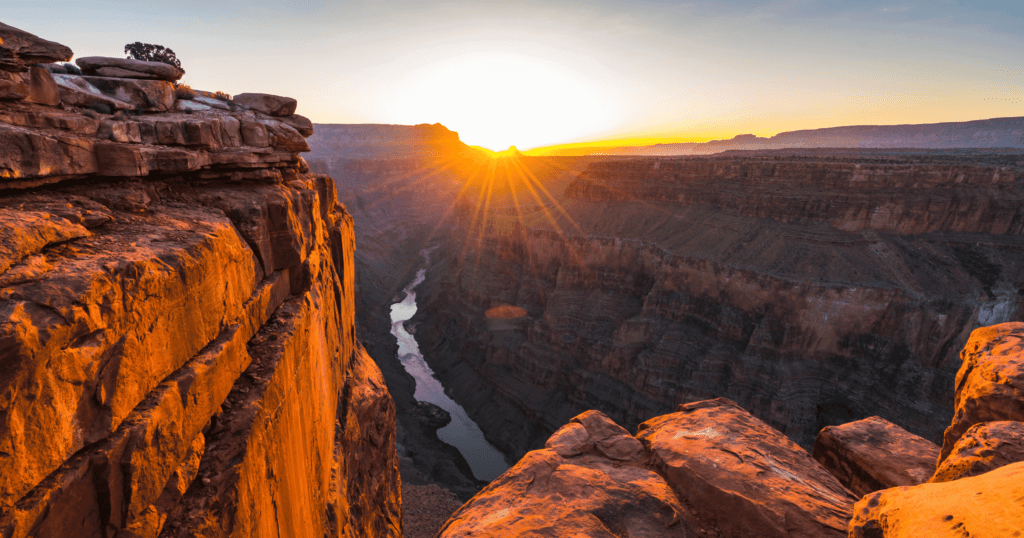
There is a specific kind of silence that happens when you first look over the edge of the Grand Canyon—a sense of scale that defies photography. The South Rim of the Grand Canyon is designed to ensure that everyone can experience that moment.
The Rim Trail is the centerpiece of accessibility here. Stretching for miles along the edge, the section from Mather Point to Yavapai Point is fully paved and largely level, offering some of the most iconic views of the canyon’s inner depths.
- Transport: The park’s free shuttle bus system (the "Tusayan" and "Village" routes) is fully accessible. Furthermore, visitors with a permanent disability can obtain an Accessibility Permit at the entrance gates or visitor centers. This permit allows you to drive your private vehicle on restricted roads, such as Hermit Road, which is otherwise closed to private traffic during the peak season.
- Scenic Drives: Hermit Road features numerous accessible overlooks, including Powell Point and Hopi Point, each equipped with designated parking and paved paths to the rim.
4. Grand Teton National Park, Wyoming
While its neighbor Yellowstone gets the headlines for its geysers, Grand Teton National Park has quietly become a leader in universal accessibility. Since 2015, the park has successfully renovated 17 major areas to meet modern standards. This includes the creation of 15 miles of paved shared-use pathways that run from the town of Jackson all the way to South Jenny Lake.
- Jenny Lake Highlight: The Jenny Lake area is a masterpiece of inclusive design. The Discovery Station offers tactile exhibits, and the path to the East Shore boat dock is fully accessible. There is even a wheelchair-accessible beach area where visitors can sit by the water’s edge and look up at the Cathedral Group of peaks.
- Adaptive Sports: The park maintains a strong partnership with Teton Adaptive Sports. Depending on the season, visitors can arrange for adaptive climbing, paddling, or even sled hockey, proving that "limited mobility" doesn't have to mean "limited adventure."
5. Acadia National Park, Maine
Acadia offers a unique brand of accessibility rooted in history. In the early 20th century, John D. Rockefeller Jr. funded the construction of 45 miles of Carriage Roads. These roads were designed for horse-and-carriage travel, meaning they have gentle grades and a firm, crushed-stone surface that is excellent for motorized wheelchairs and sturdy manual chairs.
- Cadillac Mountain: You don’t have to hike to the highest point on the U.S. Atlantic coast. The summit of Cadillac Mountain is accessible by car, and once at the top, there are paved paths that offer 360-degree views of Frenchman Bay and the Porcupine Islands. Note: Vehicle reservations are required for Cadillac Summit Road during peak months.
- Jordan Pond: The area around Jordan Pond features several paved and hard-packed trails, and the famous Jordan Pond House is fully ADA-compliant, allowing everyone to enjoy their legendary popovers with a view of "The Bubbles" mountains.

6. Great Sand Dunes National Park, Colorado
At first glance, a park defined by massive piles of shifting sand seems like the last place for a wheelchair. However, Great Sand Dunes is home to one of the most innovative accessibility programs in the country. The park provides specialized balloon-tire sand wheelchairs for free on a first-come, first-served basis.
These chairs are designed specifically to traverse the soft, sandy terrain that would swallow a standard wheelchair. They allow visitors to move from the dunes parking area, across the (often dry) Medano Creek, and right onto the base of the dunes.
- Accessibility Mats: During the summer months, the park often lays out Mobi-Mats—removable non-slip walkways—that extend from the parking lot toward the creek, providing a stable surface for those using walkers or standard wheelchairs to get a closer look at the dunes.
- Piñon Flats Campground: The park features several designated accessible campsites with concrete pads and nearby accessible restrooms, making it one of the best spots for an inclusive camping experience under the stars.
Pro-Planning Tips for Limited Mobility Travel
Traveling to National Parks with limited mobility requires an extra layer of strategy. Here is how I recommend planning your 2025 journey:
- Timing is Everything: Aim for the shoulder seasons (May/June or September/October). You’ll avoid the oppressive summer heat and the "conga lines" of tourists on narrow boardwalks. Smaller crowds mean more space to maneuver and better access to shuttle lifts.
- The NPS App is Essential: Download the official National Park Service app and use the "Accessibility" toggle. This provides real-time updates on trail conditions, elevator outages at historic sites, and the availability of specialized equipment.
- Book Lodging Early: While the NPS has made great strides in ADA-compliant lodging, the number of accessible rooms remains limited. I suggest booking 12 months in advance for popular lodges like the Grand Canyon's El Tovar or Yellowstone's Old Faithful Inn.
- Check Elevation: Many of these parks, particularly Great Sand Dunes and the Grand Canyon, are at high altitudes. If your mobility limitation is linked to respiratory or cardiac health, consult with a doctor about oxygen needs before visiting.
FAQ
Q: Can I take my electric scooter on the park shuttles? A: Yes. Most NPS shuttle buses are designed to accommodate standard wheelchairs and electric scooters. However, there are weight and size limits (usually a 30" x 48" footprint and a 600-lb capacity), so it is worth checking the specific park’s website if you have an oversized model.
Q: Are service animals allowed on the trails? A: Yes. Under the ADA, service animals are permitted anywhere the public is allowed to go, including "no pet" trails. Keep in mind that "emotional support animals" do not qualify as service animals and are subject to standard pet restrictions.
Q: How do I reserve a sand wheelchair at Great Sand Dunes? A: These chairs cannot be reserved in advance; they are loaned out at the Visitor Center on a first-come, first-served basis. It is best to arrive right when the Visitor Center opens to ensure availability.
The beauty of the U.S. National Park system is that it belongs to everyone. Whether it’s feeling the mist of Yosemite Falls or watching the sunset from the South Rim, these experiences are being redesigned to ensure that the only thing you have to worry about is whether you brought enough camera film—or memory cards.