It’s been a season of seismic reminders—of the Earth’s volatility, yes, but also its incredible, shifting landscapes. From the recent pulsating glows of Mount Etna to the dramatic ash plumes in Indonesia, the world’s most restless peaks are calling to a new generation of trekkers. If you’re like me, there’s something intoxicating about standing on the rim of a stratovolcano, feeling the ground hum beneath your boots and smelling the sulfurous breath of the planet.
But 2026 isn't just another year for hiking; it’s a year of refined adventure. We are seeing a major shift in how we approach these giants. The days of 20-person conga lines are fading. In 2026, premium volcano trekking tours are pivoting toward smaller, more intimate groups—typically capping at 8 to 10 participants. This isn't just for the "vibe"; it’s a critical safety move that allows for better technical guidance, real-time gas monitoring, and frankly, much better photography without someone’s neon windbreaker ruining your shot of the caldera.
Whether you are looking for a weekend adrenaline hit or a month-long high-altitude expedition, here are the eight tallest active volcanoes you can—and absolutely should—summit in 2026.
Quick Facts: The World’s Active Summits at a Glance
If you’re looking for the ultimate peak, the king of the mountain is Ojos del Salado in Chile, standing at a staggering 6,893 meters (22,615 feet). It is the highest active volcano on Earth that you can climb without technical mountaineering gear, though the altitude is a beast of its own.
For those just starting out, don't let the height intimidate you. Beginners can safely tackle Mount Vesuvius in Italy or Pacaya in Guatemala. Both offer well-maintained trails and can be conquered in under three hours. In fact, at Pacaya, nearly 100% of the steepest sections can be bypassed by utilizing optional horse rentals, which in 2026 will run you about $15 to $25—a small price to pay if your quads decide to quit.
| Volcano Name | Country | Elevation (m/ft) | Difficulty | Estimated 2026 Cost (USD) |
|---|---|---|---|---|
| Ojos del Salado | Chile | 6,893m / 22,615ft | Technical/Extreme | $4,500 - $6,000 |
| Mount Cotopaxi | Ecuador | 5,897m / 19,347ft | Moderate/Technical | $350 - $600 |
| Acatenango | Guatemala | 3,976m / 13,044ft | Moderate/Hard | $65 - $150 |
| Mount Fuji | Japan | 3,776m / 12,388ft | Moderate | $100 - $300 |
| Mount Etna | Italy | ~3,357m / 11,013ft | Easy/Moderate | $100 - $200 |
| Pacaya | Guatemala | 2,552m / 8,373ft | Easy | $35 - $60 |
| Mount Bromo | Indonesia | 2,329m / 7,641ft | Easy | $50 - $120 |
| Eyjafjallajökull | Iceland | 1,651m / 5,417ft | Moderate | $250 - $450 |
1. Ojos del Salado, Chile: The Roof of the Volcanic World
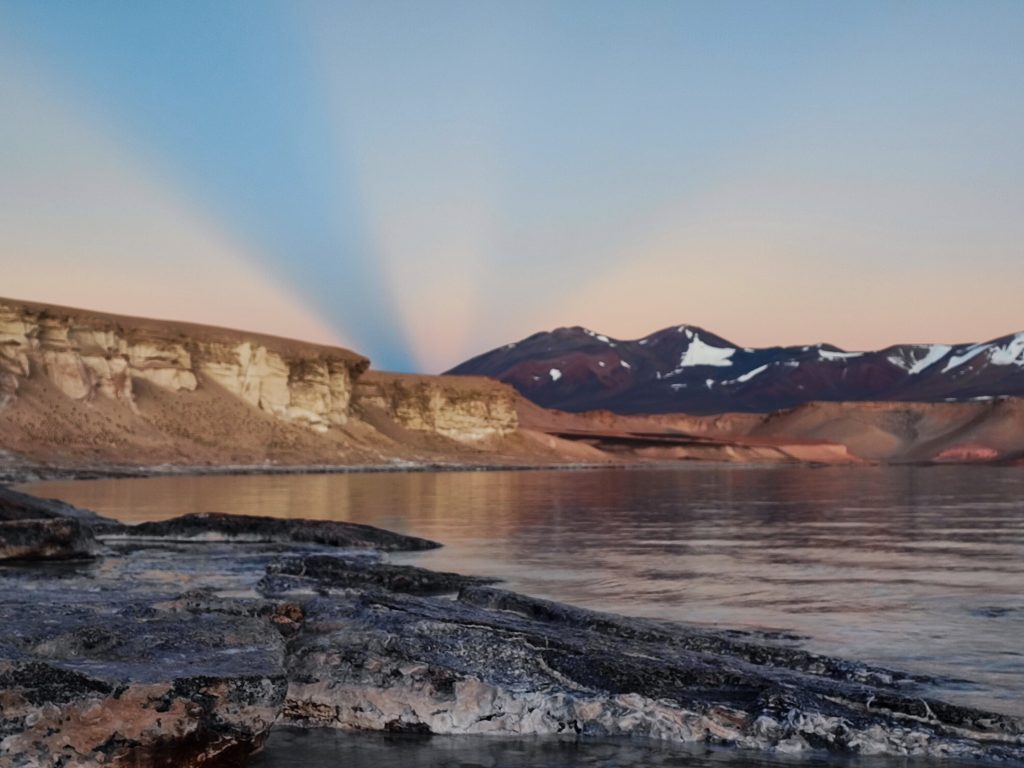
Standing at the edge of the Atacama Desert, Ojos del Salado isn't just a hike; it’s a pilgrimage to the highest point an active volcano can offer. Because of its location in one of the driest places on Earth, you won't encounter massive glaciers, but you will face bone-chilling winds and a thin atmosphere that makes every step feel like a marathon.
The beauty of Ojos is that it’s "non-technical," meaning you aren't dangling from ropes. However, don't let that fool you. The "highest volcano in the world to climb" demands respect. The final scramble to the summit involves some loose scree and a bit of hands-on-rock movement that will get your heart racing.
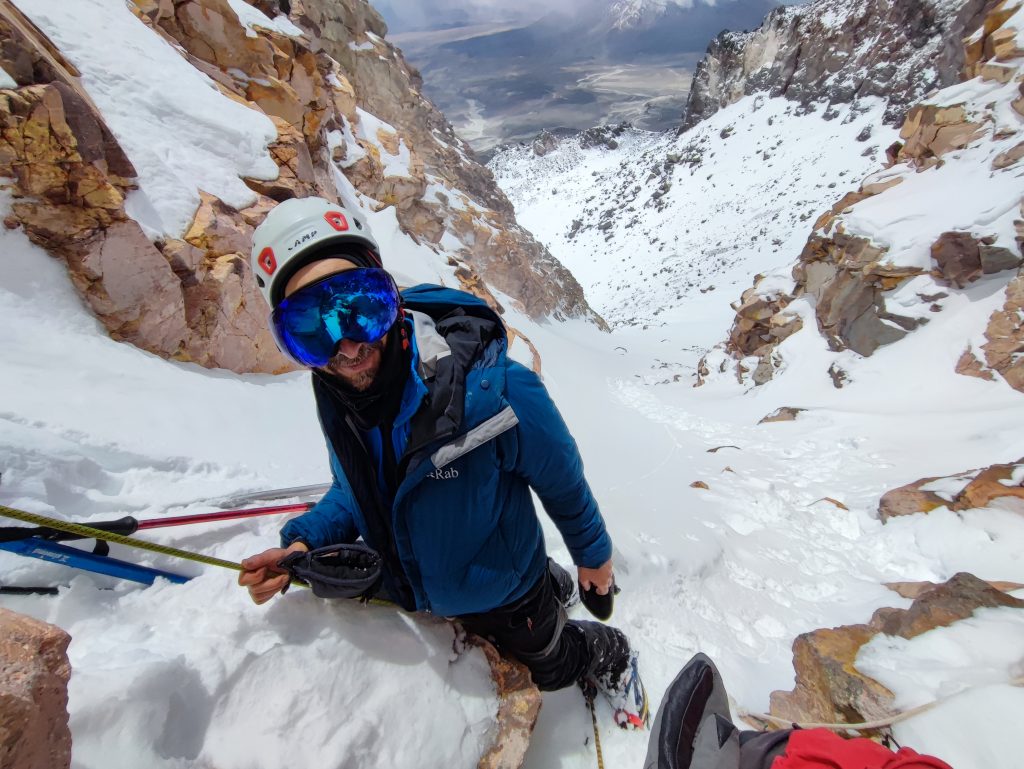
2026 Insider Tip: Don't try to rush this. The gold standard for 2026 expeditions is a 16-day itinerary starting from Copiapo. This allows for a "climb high, sleep low" strategy, hitting smaller peaks like Seven Brothers first to get your red blood cells screaming for oxygen before the final push.
2. Mount Cotopaxi, Ecuador: The Andean Icon
If you’ve ever seen a picture of a perfectly symmetrical, snow-capped volcano, it was probably Cotopaxi. Rising 5,897 meters above the Ecuadorian highlands, it is the centerpiece of the "Avenue of Volcanoes."
Summiting Mount Cotopaxi requirements are strict but fair. In 2026, you must have a certified ASEGUIM guide (usually one guide per two hikers). The climb is a true alpine experience. You’ll need crampons, ice axes, and a helmet. Most teams stay at the Jose Rivas Refuge (4,864m) and begin their ascent around 11:00 PM or midnight.
Why the midnight start? You want to reach the summit rim just as the sun begins to bleed over the Amazon basin to the east. Standing on that crater rim, looking down into the steaming vent while the world turns gold, is an experience that stays in your marrow.
3. Acatenango & Fuego, Guatemala: The Front Row Seat
This is, quite possibly, the most cinematic hike on this list. Acatenango is a dormant giant, but it sits directly next to Volcán de Fuego, one of the world’s most active volcanoes.
When you hike Acatenango (3,976m), you aren't just hiking for the view; you’re hiking for the show. Most tours involve an overnight camp at roughly 3,700 meters. From your tent, you can watch Fuego—just a few kilometers away—belch fire and incandescent rocks into the night sky every 15 to 20 minutes. The sound is like distant thunder, a low-frequency rumble that moves through your chest.
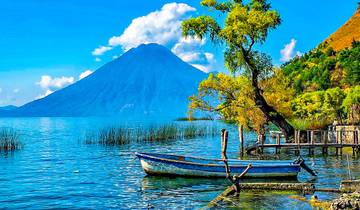
Cost Breakdown for 2026: Expect to pay between $65 for a "no-frills" local trek and up to $150 for a premium experience that includes high-quality winter sleeping bags, specialized photography guides, and porters to carry your heavy gear.
4. Mount Etna, Italy: Europe’s Fiery Giant
Etna is a moody beast. It is constantly changing its height as new craters form and old ones collapse. As of 2026, the summit sits around 3,357 meters. Climbing Etna is unique because of the infrastructure—you can take a cable car from Rifugio Sapienza up to 2,500 meters, then jump into a 4x4 Unimog to reach the trekking start point at 2,900 meters.
From there, you trek through "lunar" landscapes of black basalt and yellow sulfur deposits. Depending on the activity levels, guides can take you right to the edge of the central craters. It’s a sensory overload: the crunch of volcanic ash under your boots, the heat radiating through the soles of your shoes, and the sweeping views of the Mediterranean Sea.
5. Mount Fuji, Japan: The Cultural Summit
Fuji (3,776m) is more than a volcano; it’s a sacred site. The 2026 climbing season is strictly regulated, typically running from early July to early September.
The Yoshida Trail is the most popular route, taking about 5 to 8 hours for the ascent. The real "Fuji experience" involves the Goraiko—witnessing the sunrise from the summit. To do this, most hikers stay in a mountain hut at the 7th or 8th station, waking up at 2:00 AM to join the procession of headlamps snaking up the mountain. It’s a community event, shared with hundreds of others, all seeking that same moment of solar clarity.
Pro Tip: In 2026, Japan has implemented a mandatory booking system and a small entry fee for the Yoshida Trail to prevent over-tourism. Make sure you book your mountain hut at least three months in advance.
6. Eyjafjallajökull, Iceland: The Glacier-Capped Legend
Remember the volcano that grounded all of Europe’s flights in 2010? That’s Eyjafjallajökull. This isn't the tallest mountain on the list (1,651m), but it is one of the most technically interesting because it is a subglacial volcano.
Trekking here requires a guide and proper glacial gear. You start in the lush green valleys of southern Iceland and slowly transition into a world of blue ice and black volcanic ash. The contrast is startling. Standing at the top, you can see the enormous 2010 crater and look out over the North Atlantic. It’s a stark reminder of how fire and ice have sculpted the Icelandic soul.
7. Mount Bromo, Indonesia: The Cinematic Caldera
Mount Bromo (2,329m) is located in the middle of the "Sea of Sand" inside the massive Tengger Caldera. While many tourists just take a jeep to the viewpoint, the real adventure is walking across the ash plains at 3:00 AM.
The final ascent is a surreal 250-step staircase that leads directly to the smoking rim. The smell of sulfur is intense here, and the sound of the volcanic vent is often compared to a jet engine. In 2026, Bromo remains one of the most accessible active volcanoes to hike, but it offers a visual payoff that rivals mountains twice its height.
8. Pacaya, Guatemala: The Beginner’s Active Adventure
If you want the "volcano experience" without the multi-day suffering, Pacaya is your answer. Located just 1.5 hours from Antigua, this is the perfect half-day trip. The trail is moderate, winding through lush forests before opening up into a stark, solidified lava field from the 2010 and 2021 eruptions.
What makes Pacaya special is the interactivity. Because of the lingering heat, there are natural "ovens" in the rock where you can actually roast marshmallows. It sounds like a gimmick, but when you’re standing in a landscape that looks like Mars, eating a toasted marshmallow cooked by the Earth itself, you won't care.

Accessibility Note: Pacaya is incredibly inclusive. If the 1.5-hour climb feels too daunting, horse rentals are readily available ($15-$25). They can take you through 100% of the steep sections, leaving you just a few hundred yards of flat walking across the lava fields to reach the roasting pits.
Planning Your 2026 Trek: Logistics & Safety
Climbing an active volcano is a "controlled risk" activity. The key word there is controlled. Here’s how to ensure you're on the right side of the statistics in 2026.
Essential Gear Checklist
- Multi-layer Clothing: Volcanoes create their own weather. It can be 80°F at the base and 20°F at the summit. Use Merino wool base layers and a high-quality hardshell.
- Headlamp: Most summit pushes happen in the dark. Bring extra batteries—cold drains them faster.
- Sturdy Boots: Volcanic rock is abrasive. It will shred cheap sneakers. You need deep lugs and ankle support.
- Buff or Mask: On active peaks like Bromo or Etna, sulfur fumes and fine ash can irritate your lungs. A simple Buff or a specialized mask is a lifesaver.
Timing is Everything
Always aim for the regional dry seasons.
- Central America (Pacaya/Acatenango): November to April.
- The Andes (Cotopaxi/Ojos del Salado): June to September, or December to February.
- Japan (Fuji): July and August only.
View 2026 Volcano Expedition Dates →
FAQ: Climbing Active Volcanoes in 2026
Q: Is it safe to hike a volcano while it’s erupting? A: "Active" doesn't always mean "erupting." Local authorities and guides monitor seismic activity, gas emissions, and ground deformation 24/7. If there is an increased risk of a major eruption, trails are closed immediately. Always follow local guidance.
Q: Do I need special insurance for volcano trekking? A: Yes. Most standard travel insurance policies exclude "mountaineering" or "hazardous activities." Look for a policy (like Global Rescue or World Nomads) that specifically covers high-altitude trekking and search and rescue.
Q: What is the best active volcano trekking tour for 2026? A: For 2026, the best tours are those that focus on small groups (under 10 people). Look for operators who provide high-end safety gear, including satellite messengers (like Garmin inReach) and pulse oximeters for high-altitude climbs like Cotopaxi or Ojos del Salado.
Start Your Adventure
The Earth is alive, and there is no better way to feel that vitality than by standing on the shoulders of a giant. Whether it’s the high-altitude challenge of Ojos del Salado or the marshmallow-roasting fun of Pacaya, 2026 is the year to get outside and look into the crater.
Pick your peak, pack your boots, and I’ll see you on the rim.