Every year, I watch the same scene unfold: a line of cars stretching miles outside the gates of Zion or Yellowstone, visitors jostling for a glimpse of a waterfall through a forest of selfie sticks. Since 2020, national park visitation has surged by approximately 60 million people, with the top 25 parks now absorbing over 50 percent of all traffic—totaling a staggering 150 million visitors annually. But as the sun dips below the horizon and the crowds retreat to their hotels, a different park emerges.
Key Insight: How to Escape the Congestion The most effective strategy to avoid crowds at popular national parks is to flip your schedule and visit between dusk and dawn. As the National Park Service slogan reminds us, "Half the park is after dark." By exploring at night, you trade congested trails for a serene, primordial experience that most of those 150 million annual visitors will never see.
1. Celestial Spectacles: Stargazing Joshua Tree in 2026
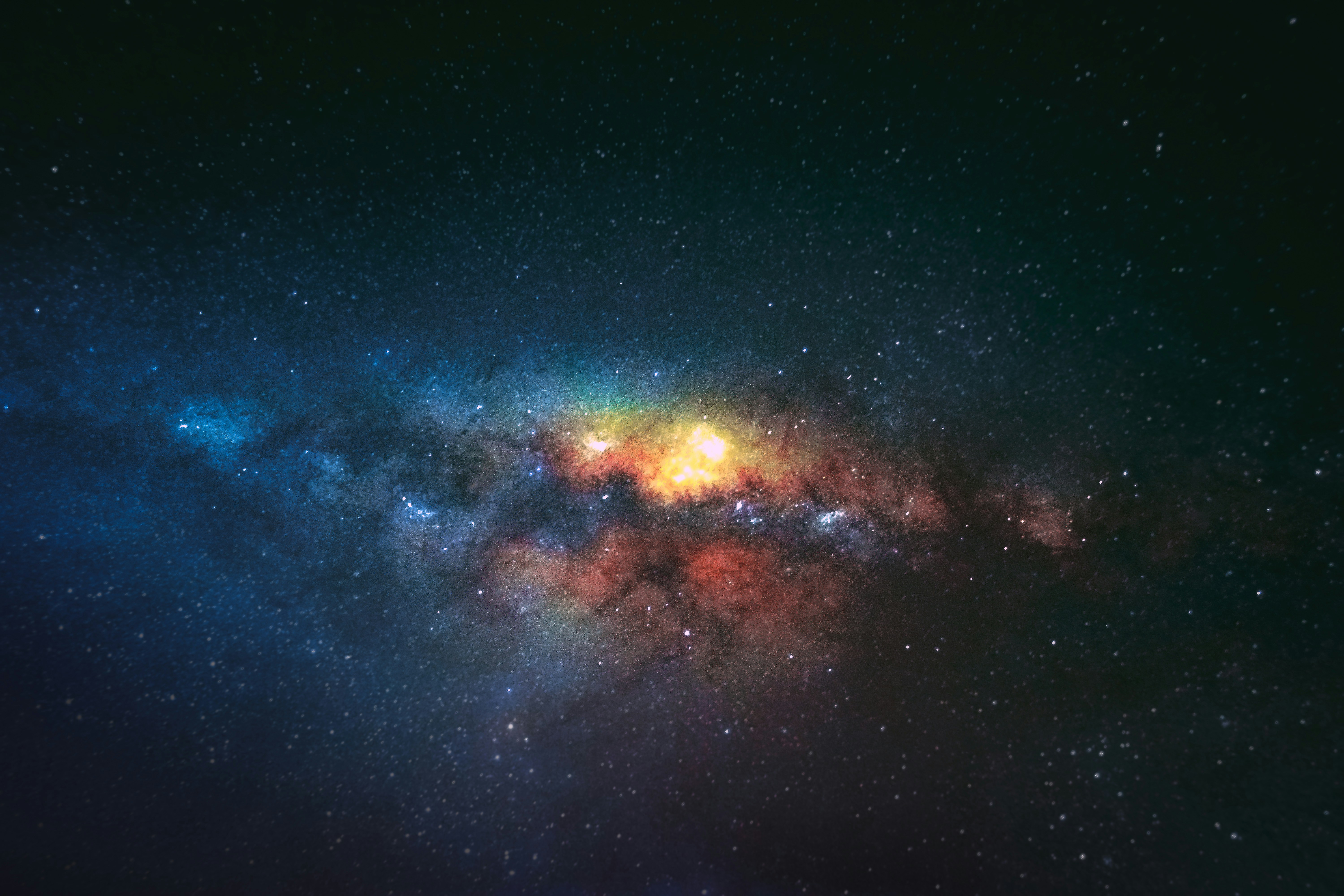
Joshua Tree National Park is my personal "office" for night photography. It is Southern California’s dark sky crown jewel, where the silhouettes of twisted Yucca trees reach toward an ink-black sky saturated with diamonds. While the park is overrun during the spring bloom, the night belongs to the quiet observers.
For those planning ahead, 2026 is shaping up to be a landmark year for celestial events in the High Desert. Whether you are a seasoned astrophotographer or a casual stargazer, these dates should be circled in your calendar:
| Date | Celestial Event | Why It’s Special |
|---|---|---|
| March 3, 2026 | Total Lunar Eclipse | The moon turns a deep blood-orange over the desert. |
| August 28, 2026 | Partial Lunar Eclipse | A unique shadow-play on the lunar surface. |
| Late March - Oct | Milky Way Core Visibility | The densest part of our galaxy is visible (10 p.m. – 2 a.m.). |
| Aug 12-13, 2026 | Perseid Meteor Shower | One of the most prolific "shooting star" displays of the year. |
Alex’s Pro-Tip: Composition at Cap Rock Don't just point your camera up. For a compelling shot, use a wide-angle lens (like a 14mm or 20mm) to frame a Joshua Tree in the bottom third of your frame. I use a low-level lighting technique—very dim, warm light—to gently illuminate the tree's texture without washing out the stars. Keys View and Cap Rock are my favorite spots for this because they offer clear horizons and dramatic foregrounds.
2. Biological Light Shows: Synchronous Fireflies in the Smokies
There is a specific kind of magic found only in the humid forests of the Great Smoky Mountains. For about two weeks each year, the Photinus carolinus fireflies perform a rhythmic, neon dance that feels less like nature and more like a synchronized light installation.
Unlike common fireflies that flash randomly, these insects flash in unison—five to eight bursts of light followed by a sudden, breathtaking eight-second pause of total darkness. It is an experience that requires luck and planning. To manage the crowds, the park holds a lottery in late April for parking passes to the Elkmont Campground area during the peak season (typically late May to early June).
- The Lottery: Keep a close eye on the NPS website in April; the window is narrow.
- The Etiquette: Flashlights must be covered with red cellophane. Blue or white light ruins the fireflies' mating ritual and your own night vision.
- The Experience: Find a spot along the Little River Trail and wait for the "wave" of light to travel through the canopy.
3. The 'Foxfire' Hunt: Glowing Fungi at Congaree
If the fireflies of the Smokies are the headline act, the "foxfire" of Congaree National Park is the indie underground hit. In the deep, swampy floodplain of South Carolina, a rare bioluminescent fungus grows on decaying wood, emitting a faint, eerie green glow known as foxfire.
Key Insight: Finding the Glow The best time to see foxfire in Congaree is during the warm, humid months of May and June. Focus your search on the Firefly, Bluff, and Longleaf trails. Look for decaying loblolly pine or oak logs; once your eyes adjust to the darkness (usually after 20 minutes), the faint green luminescence will begin to appear like ghostly neon.
I recommend bringing a tripod for this. Capturing foxfire requires long exposures—often 30 seconds or more—because the light is subtle. It’s a sensory experience that forces you to slow down and notice the microscopic life that sustains the forest.
4. Desert Prowlers: Nocturnal Wildlife in Death Valley
Death Valley is a different planet after dark. During the summer, daytime temperatures regularly soar past 115°F, driving almost all life underground. But when the sun sets and the valley floor begins to radiate heat back into the atmosphere, the desert wakes up.
I’ve spent nights at the Mesquite Flat Sand Dunes watching the drama of the desert unfold. It’s not about the views here; it’s about the sounds and the shadows.
- The Kit Fox: Keep your eyes peeled for the oversized ears of the kit fox, a master of the night.
- The Ringtail: These elusive relatives of the raccoon are often spotted near rocky outcrops.
- The Soundscape: If you sit perfectly still, you’ll hear the rhythmic hopping of kangaroo rats, which can leap nine feet in a single bound to escape predators.
For wildlife spotting, a full moon provides enough ambient light to see movement without a flashlight, but a new moon is better if you want to see the creatures using their own specialized night vision.
5. Cosmic Commuting: The Great Basin Star Train
While many parks offer stargazing, Great Basin National Park in Nevada takes it a step further with the "Star Train." This is a collaboration between the park and the Northern Nevada Railway.
Departing from the town of Ely at 7:30 p.m., the train carries "Dark Sky Rangers" who provide trivia and astronomical insights as the vintage diesel locomotive chugs into the high-altitude wilderness. Once at the Astronomy Amphitheater, the train stops, and high-powered telescopes are rolled out. It is one of the most unique ways to experience a Dark Sky Park without having to hike in the dark.
Booking Warning: These tickets are some of the most coveted in the National Park system, often selling out a full year in advance. If you miss the train, the "Star of the West" astronomical programs at the Lehman Caves Visitor Center are an excellent (and free) alternative.
6. Sandboarding by Moonlight: Great Sand Dunes After Dark
Most people visit the Great Sand Dunes in Colorado to slide down the face of 750-foot peaks during the day. But the sand gets hot—scorching, actually—and the wind can be brutal.
Visiting at night solves both problems. Under a full moon, the dunes look like a frozen silver ocean. The crowds vanish, leaving you with 30 square miles of sand to yourself.
Alex’s Pro-Tip: Light Painting on the Dunes The dunes provide a perfect "blank canvas." During a new moon, I use a powerful LED flashlight to "paint" light across the ridges of the dunes during a 20-second exposure. This highlights the ripples in the sand and creates a surreal, architectural look to the landscape.
7. Chasing the Aurora: Denali’s Winter Nights
For those willing to brave the cold, Denali National Park offers a nighttime experience that rivals anything on Earth: the Aurora Borealis. While the park is famous for its grizzlies and Denali's peak, the winter night sky is the true draw for visual storytellers.
The "Aurora Season" runs from late August to April. To catch the lights, you need three things: a clear northern horizon, dark skies, and solar activity.
- Monitor the Kp-index: Use apps like "My Aurora Forecast" to track solar wind activity.
- Safety First: In sub-zero temperatures, battery life drops by 50-70%. Keep your spare batteries inside your jacket close to your body heat.
- Composition: Look for the silhouette of the Alaska Range to provide scale to the dancing curtains of green and purple light.
8. Deep Space Observatories: Glacier’s Dark Sky Status
Glacier National Park is an International Dark Sky Park, but its standout feature is the Dusty Star Observatory located at St. Mary. It houses a massive 20-inch telescope—the largest in the National Park Service—which allows visitors to see deep-space objects like the Whirlpool Galaxy or the rings of Saturn in high definition.
During the summer (June through September), the park hosts "Logan Pass Star Parties." These are ranger-led events where volunteers set up dozens of telescopes for public use. It’s an educational, awe-inspiring way to spend a Friday night, away from the traffic of the Going-to-the-Sun Road.

Pro-Photography Tips for the Dark Sky
If you're heading out to capture these moments, your gear choice is critical. You don't need the most expensive camera, but you do need the right setup.
- The Tripod is Non-Negotiable: Even a slight breeze can ruin a 20-second exposure. Invest in a sturdy carbon-fiber tripod that won't vibrate.
- Fast Lenses: Look for lenses with an aperture of f/2.8 or wider. This allows more light to hit the sensor, keeping your ISO (and noise) lower.
- Remote Shutter: Don't touch the camera to take the photo. Use a remote shutter release or the camera's built-in 2-second timer to avoid "shutter shake."
- Focus on Infinity: Autofocus will fail in the dark. Switch to manual focus, use "Live View" to zoom in on a bright star, and turn the focus ring until the star is a sharp, tiny point of light.
Practical Nighttime Safety & Ethics
The wilderness at night is unforgiving. To ensure you have a safe and "Leave No Trace" experience, follow these rules:
- The Golden Rule of Red Lights: Human eyes take 20-30 minutes to fully adjust to the dark. One second of white light from a phone or flashlight resets that clock. Use the red-light setting on your headlamp at all times.
- Navigation: Trails look different at night. Always download offline maps (like Gaia GPS or AllTrails) and carry a physical compass. Cell service is non-existent in the heart of most parks.
- Wildlife Distance: Many animals are more active and bolder at night. Maintain at least 100 yards from bears and wolves, and 25 yards from all other wildlife.
FAQ
Q: Do I need a special permit to be in the parks at night? A: Most national parks are open 24 hours a day. However, some specific areas or events (like the Firefly lottery in the Smokies or the Star Train in Great Basin) require reservations or permits. Always check the specific park’s "Plan Your Visit" page.
Q: Is it safe to hike alone at night? A: It is always safer to hike with a partner. If you are solo, stay on well-marked trails, let someone know your expected return time, and carry an emergency satellite communicator like a Garmin inReach.
Q: What is the best time of month for stargazing? A: The week leading up to and including the New Moon is best. The moon is a powerful light source; even a half-moon can wash out the fainter stars of the Milky Way.
The next time you see a headline about "record crowds" at our national parks, don't let it discourage you. Just change your perspective. When the sun goes down, the gates stay open, the noise fades, and the universe puts on a show that no daytime hiker will ever witness.
Ready to capture the stars? Start planning your 2026 Joshua Tree excursion today.