I’ve spent the better part of a decade hacking through jungles and navigating the world’s most crowded tourist hubs, but Bali remains a personal enigma. On one hand, you have the "Instagram Version"—the staged swings, the $15 avocado toasts, and the traffic jams of Canggu. On the other, there is the Bali I fell in love with: a land of mist-shrouded volcanoes, ancient water rituals, and a spiritual pulse that hasn't changed in a thousand years.
As we head into 2026, the island is at a crossroads. Recent travel surveys indicate that approximately 75% of first-time visitors to Bali never venture further north than Ubud, leaving over 60% of the island’s authentic cultural landmarks largely unexplored. If you’re willing to sweat a little and drive a few hours further, the "Real Bali" is still very much alive. This is your guide to finding it.
Quick Guide: Finding Authenticity in 2026
If you’re looking for the short version, here are the absolute "musts" for a conscious, off-the-grid itinerary:
- The Ultimate Ritual: Skip the crowded Tirta Empul. Instead, participate in a Melukat water purification at Pura Taman Pecampuhan Sala. It’s a hidden temple in the Bangli region where you’ll navigate a forest canyon for a truly transformative experience.
- The Secluded Escape: Forget the beach clubs. Trek down to Nyang Nyang Beach in Uluwatu or drive to Pantai Pasir Putih in East Bali for pristine white sands and zero crowds.
- The Sustainable Choice: Visit the Jatiluwih Rice Terraces instead of Tegalalang. It’s a UNESCO site using the ancient Subak irrigation system and offers miles of hiking without the Instagram queues.
I. Spiritual Rebirth: Rituals Beyond the Surface
The soul of Bali isn't found in a yoga studio; it’s found in the water. For the Balinese, water is Agama Tirta—the religion of holy water.
Melukat at Pura Taman Pecampuhan Sala
Most tourists flock to Tirta Empul, which is beautiful but often feels like a production line. For a deeper connection, head to the Bangli region. At Pura Taman Pecampuhan Sala, the Melukat ritual involves a 1.5-hour journey through a stunning river canyon. You’ll stand under cascading waterfalls and natural springs, guided by locals who see this as a genuine spiritual cleansing rather than a photo op.
Gunung Kawi Tampaksiring
Dating back to the 11th century, these cliff shrines are carved directly into the rock face. For a $4 entry fee, you descend 300 stone steps into a lush river valley. Legend says the giant Kebo Iwa carved these in a single night with his fingernails. It’s a place of immense silence and scale.
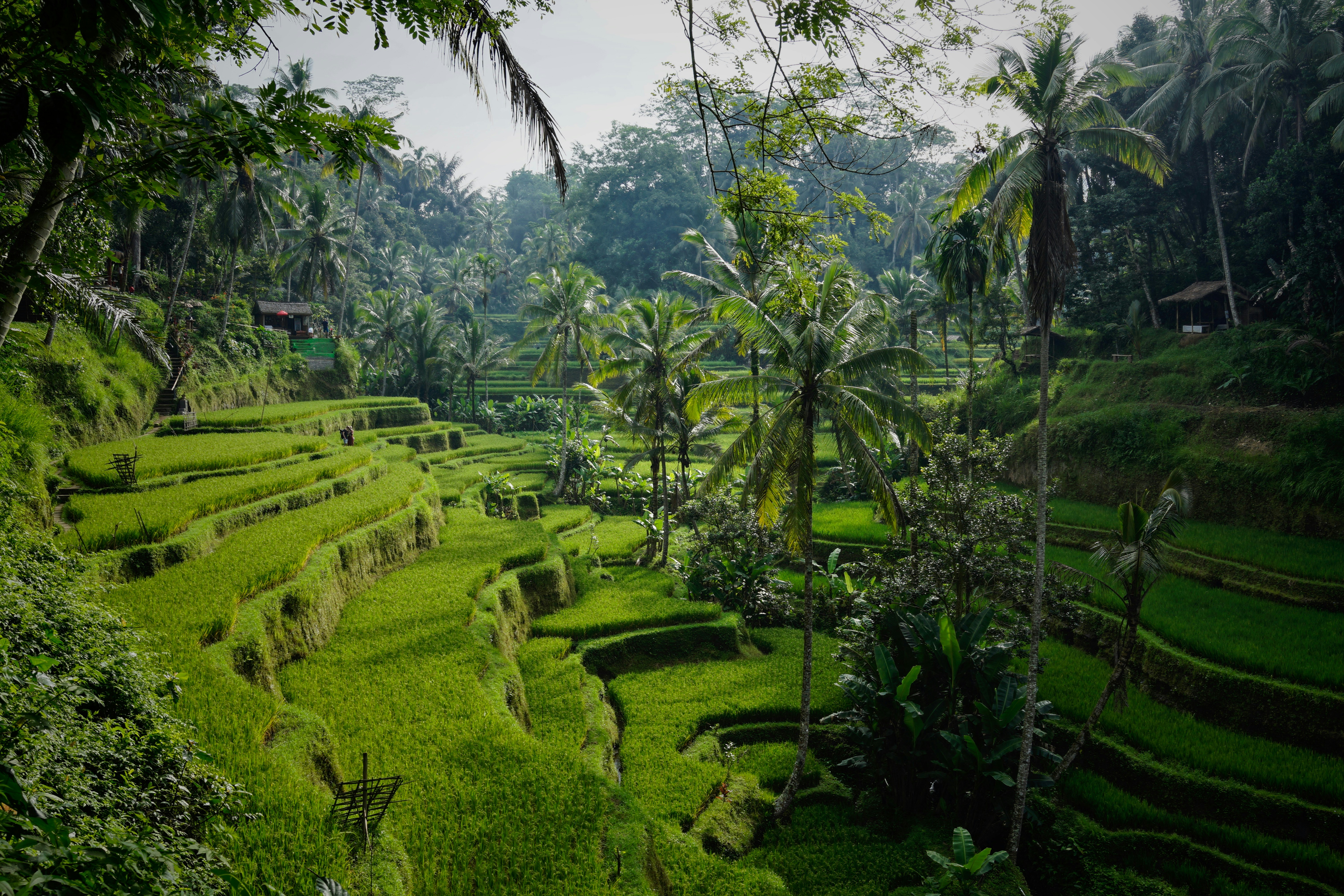
Pura Ulun Danu Bratan
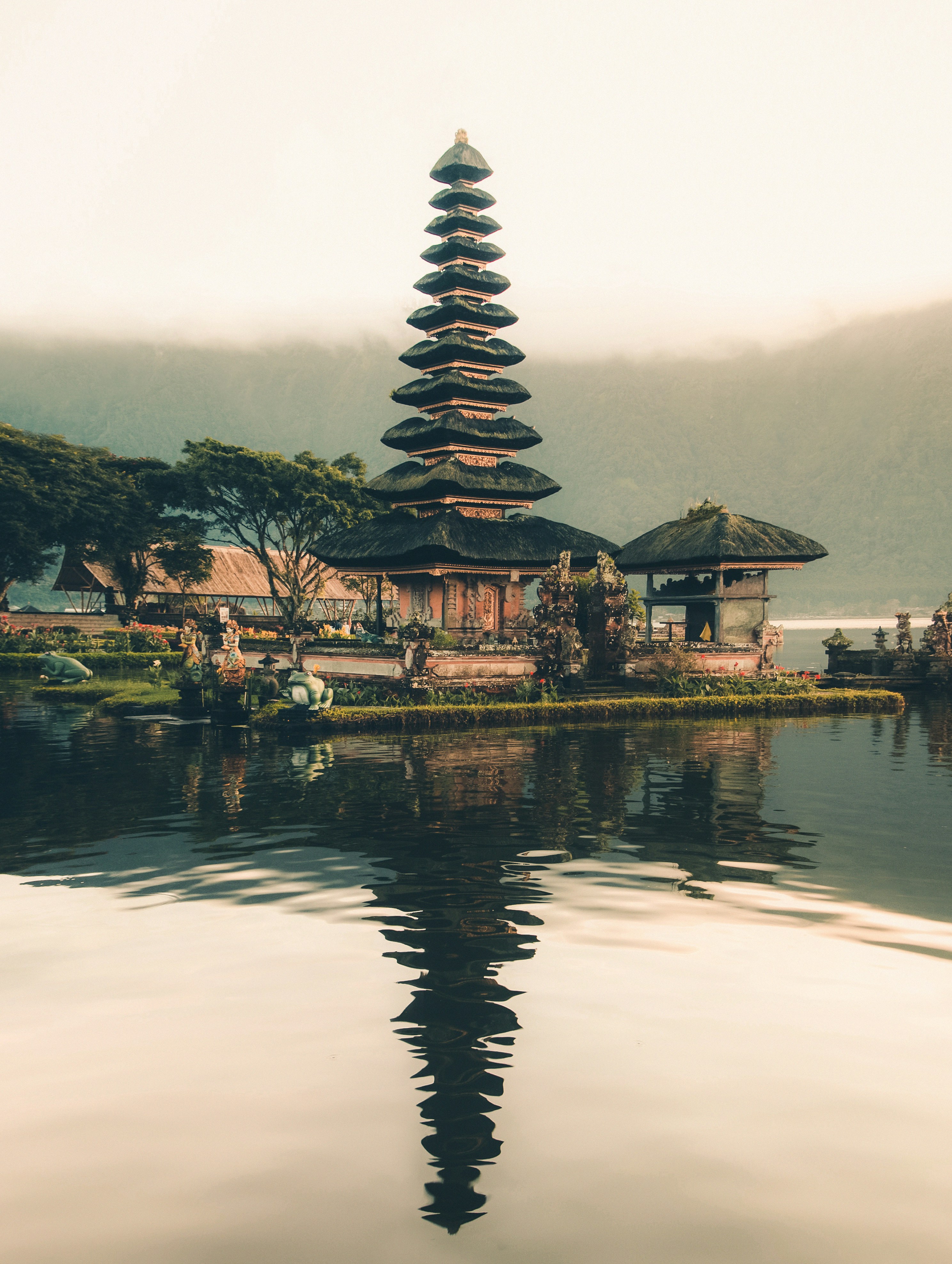
While famous, this "floating" temple on Lake Bratan is often skipped by those staying in the south. In 2026, the move is to arrive at sunrise. The mountain air is crisp, and the lake is often covered in a thick, ethereal fog. It’s a cornerstone of Balinese identity and serves as the guardian of the island's irrigation system.
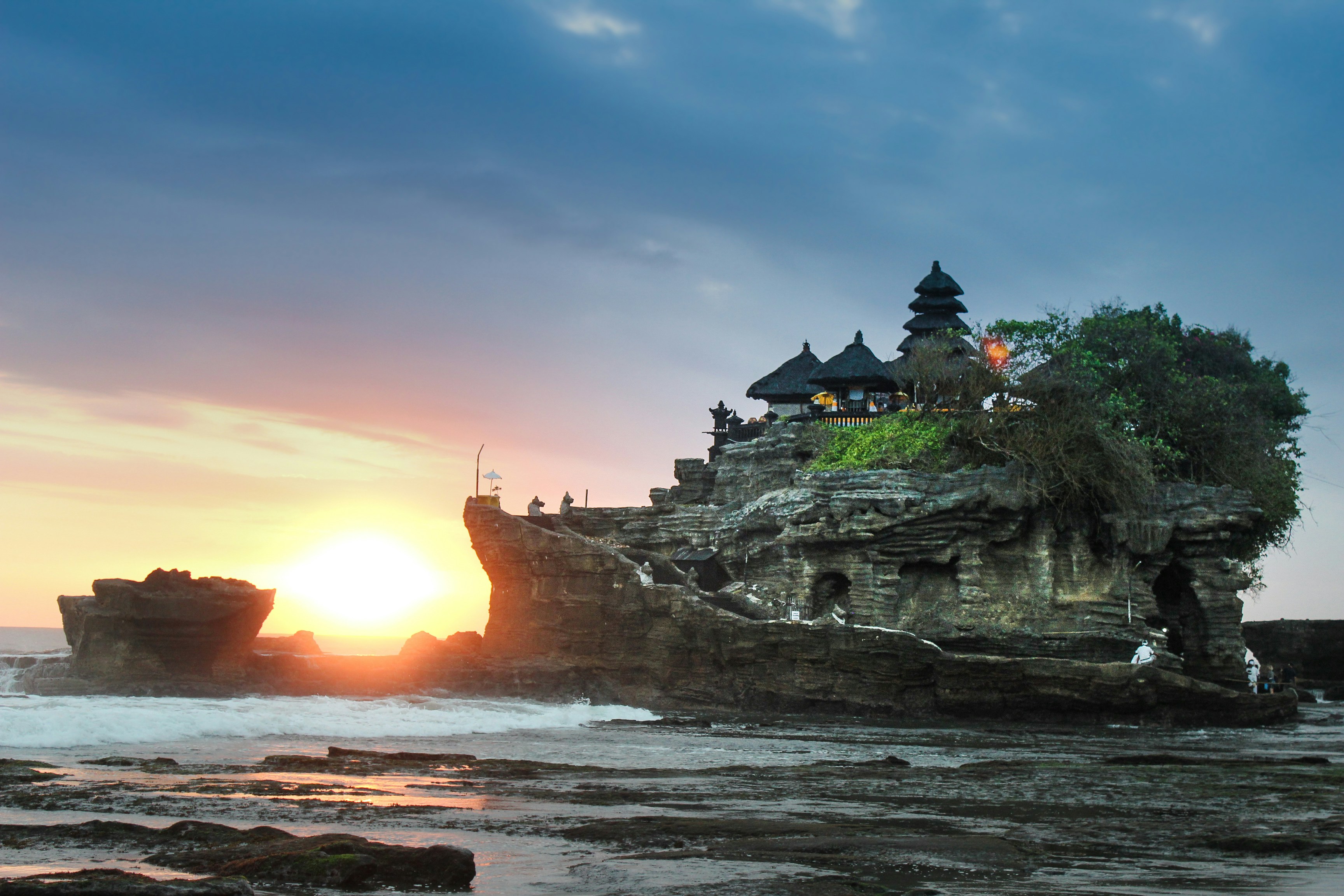
Pro-Tip: Temple Etiquette Always wear a sarong and sash (usually available for rent at the entrance). Never stand higher than the priest or the offerings, and avoid entering temples during your menstrual cycle, as per local religious customs.
II. Into the Wild: Northern Waterfalls & Hidden Treks
The further north you go, the more the concrete melts away into emerald green. This is where I find my peace.
The Secret Garden of Sambangan
This is Bali’s natural playground. Located in the far north, the "Secret Garden" is a chain of waterfalls—Kroya, Kembar, and Pucuk. Unlike the more famous spots, you can actually slide down Kroya (a natural rock slide) and cliff-jump at Aling-Aling. It’s raw, exhilarating, and usually devoid of the "dress-and-swing" crowd.
Banyu Wana Amertha
A 20-minute hike through banana plantations leads you to what I consider the most beautiful waterfall amphitheater in Indonesia. The water doesn't just fall; it seeps through a wall of moss and ferns. It’s a quiet, meditative spot that feels like a scene from Jurassic Park.
Mount Batur Sunrise: The Conscious Ascent
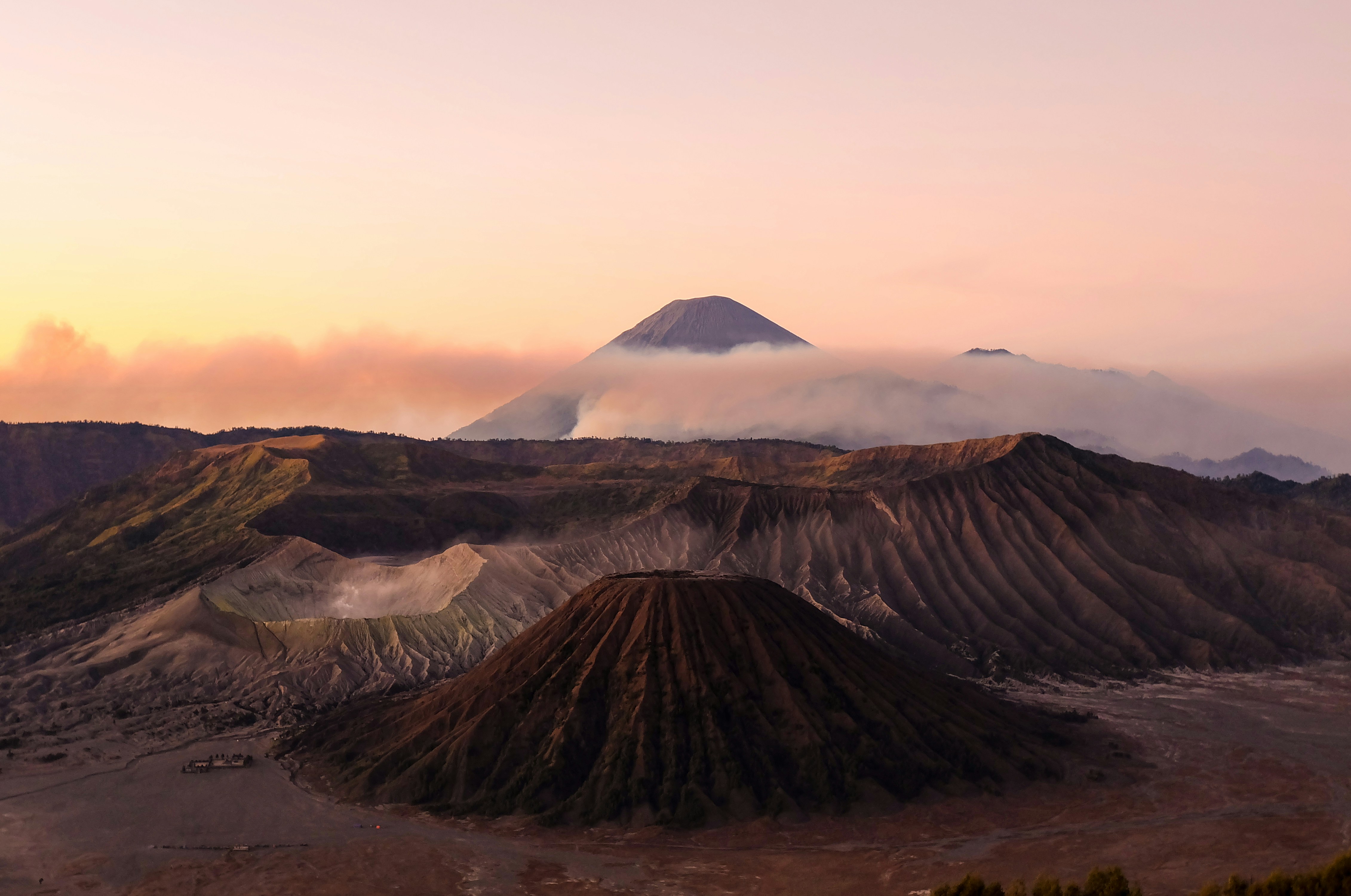
Scaling this 5,600-foot volcanic marvel is a rite of passage. The 2-hour ascent is manageable for most fitness levels. However, for 2026, keep an eye on local alerts—there have been discussions about limiting access to sacred peaks. Always hire a local guide; community-led tourism initiatives in North Bali have reported a 40% increase in local income when travelers choose local experts over international packages.
III. Coastal Respite: Secluded Sands
If you think Bali's beaches are all grey sand and trash, you're looking in the wrong places. You just have to work for the good ones.
Nyang Nyang Beach
Located at the base of Uluwatu’s towering limestone cliffs, Nyang Nyang requires a grueling 500-step descent (and ascent). The reward? A mile-long stretch of white sand, turquoise water, and a few rusted shipwrecks. It is one of the last truly quiet shores in the south.
Suluban Beach (Blue Point)
This isn't your typical "lay out and tan" beach. You access it by walking through a narrow cave opening. It’s the heart of Bali’s surfing culture. Watch world-class surfers tackle the "Uluwatu Break" from the cliffside cafes, or explore the tide pools during low tide.
Melasti Beach
While it has become more accessible recently, Melasti remains visually striking due to the road cut through high limestone walls. To avoid the day-trip crowds, head to the far left or right of the main beach area. The water here is some of the clearest on the island.
IV. Artisan Heritage & Sustainable Shopping
Authenticity isn't just about where you go; it's about what you support.
| Feature | Tegalalang Rice Terraces | Jatiluwih Rice Terraces (UNESCO) |
|---|---|---|
| Vibe | Social media hub, highly manicured | Expansive, traditional, peaceful |
| Activities | Swings, zip-lines, photo spots | Hiking, cycling, learning about Subak |
| Crowds | Extremely high | Low to moderate |
| Sustainability | Commercialized | Protected UNESCO Heritage Site |
John Hardy Kapal Bamboo
For a look at high-end sustainable craftsmanship, visit the John Hardy workshop near Mambal. The entire structure is built from bamboo (Kapal Bamboo), and you can watch 600 artisans hand-craft jewelry using ancient Balinese techniques. It’s a masterclass in how to scale a business while staying rooted in local culture.
Sukawati Art Market
Skip the Ubud Market. Sukawati is where the locals go. It’s quieter, significantly cheaper, and the wood carvings and textiles here are often of a higher traditional quality. It’s the perfect place to practice your bargaining skills with a smile.
V. 2026 Cultural Calendar: Nyepi and Local Life
If your trip aligns with Nyepi 2026 (the Balinese Day of Silence), do not cancel your plans. It is the most profound experience you can have on the island. For 24 hours, the entire island shuts down—no lights, no fire, no travel, and even the airport closes.
The night before, the streets erupt with the Ogoh-Ogoh parades—giant, grotesque statues representing demons that are paraded and then burned to purify the island. The day of Nyepi itself is a day of self-reflection. With no light pollution, the Milky Way is visible to the naked eye, stretching from horizon to horizon.
Essential 2026 Logistics for the Conscious Traveler
Navigating Bali in 2026 requires a bit more foresight than it used to. Here’s how to do it right:
- The Bali Tourism Levy: As of 2024/2025, international visitors are required to pay a one-time levy (approx. $10 USD). This money is specifically earmarked for cultural preservation and waste management. Pay this online before you arrive to save time at the airport.
- Choose Private Drivers over Scooters: While scooters are tempting, the traffic in 2026 is no joke. Hiring a private driver for the day (roughly $40-$60 USD) is not only safer but provides a local livelihood. My best "insider tips" have always come from my drivers—they know the best Warungs (local eateries) that aren't on Google Maps.
- Sustainable Stays: Look for homestays or community-led lodges in the north. Choosing these over international resort packages ensures that 40% more of your money stays within the local community.
FAQ: Navigating Bali Authentically
Is Bali still worth it in 2026 with the crowds? Absolutely, but you have to change your geography. If you spend your whole trip in Seminyak, you’ll see the crowds. If you spend four days in Munduk or Sidemen, you’ll see the Bali of thirty years ago.
What is the best way to see the "Hidden Gems"? Hire a driver for a "North Bali Loop." Start at 6:00 AM to beat the heat and the few tourists who do make the trek. Focus on the Bangli and Buleleng regencies.
How do I ensure I'm being respectful during rituals? Always ask before taking photos, especially during ceremonies. If you are participating in a Melukat, follow the lead of your guide or the locals. Silence is your best friend in sacred spaces.
Start Your Journey Beyond the Grid
Bali is a victim of its own beauty, but its heart is remarkably resilient. Whether you’re standing under the canyon falls of Sala or watching the sunrise from Batur, the "Real Bali" isn't hidden—it’s just waiting for those willing to look past the screen.
If you’re ready to trade the beach clubs for the jungle trails, the adventure of a lifetime is waiting just north of the crowd.