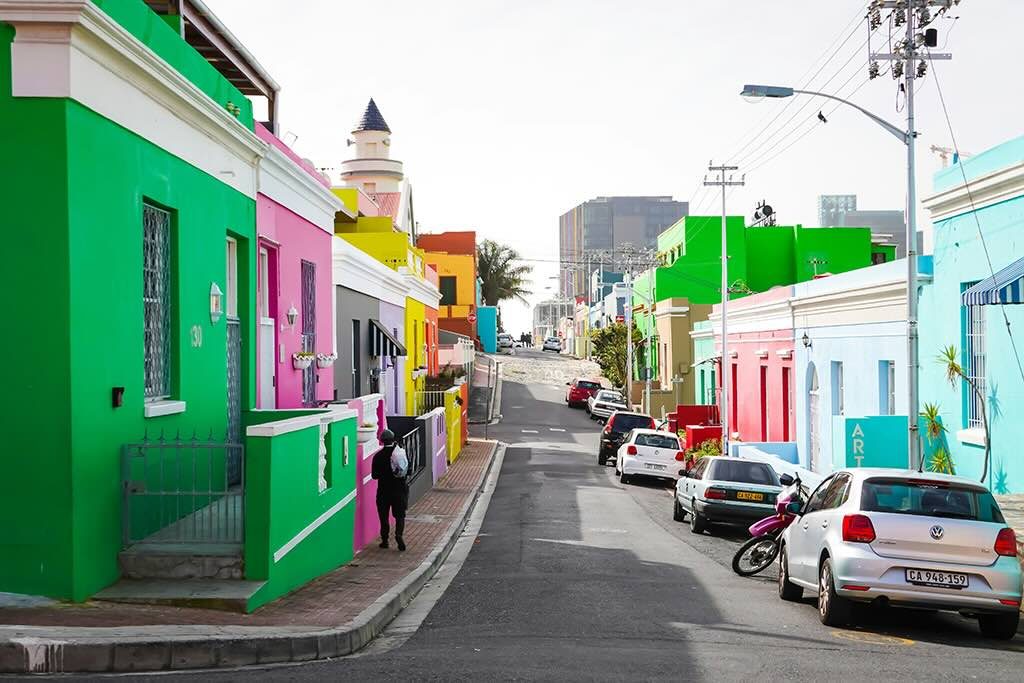
To walk through the Bo-Kaap is to wander through a palette of sorbet-colored history. The sun reflects off lime-green facades and lavender-painted stoeps, while the call to prayer from the Auwal Mosque—the oldest in South Africa—anchors the neighborhood in a profound, centuries-old rhythm. But for the modern traveler seeking the true pulse of the Cape Malay community, these iconic cobblestones are merely the prologue.
The Cape Malay people are a vibrant South African ethnic group of Indonesian, Malaysian, African, and European descent. This unique Creole identity was forged from the arrival of enslaved people and political exiles in the 17th and 18th centuries, bringing with them a sophisticated understanding of spices, textiles, and craftsmanship. Today, a "New Wave" of creatives is reclaiming this heritage, moving beyond the traditional boundaries of the Bo-Kaap and into the industrial lofts of Woodstock and the high-fashion storefronts of Bree Street.
The Sartorial Resurgence: From Tailors to Trendsetters
For generations, the Cape Malay community was the backbone of South Africa’s garment industry. Grandfathers were master tailors; grandmothers were the seamstresses who brought the intricate designs of the "Klopse" (minstrel carnival) to life. Today, that legacy has been distilled into high-concept luxury streetwear and avant-garde fashion.
On Bree Street, the city’s undisputed corridor of cool, you’ll find the Pot Plant Club. More than just a retail space, it is a cultural incubator. Here, labels like Leaf Apparel, founded by Salik Harris, represent a shift in the Cape Malay creative consciousness. Harris combines high-quality fabrication with a street-smart aesthetic that reflects the urban grit and natural beauty of Cape Town. It’s not just clothes; it’s an assertion of belonging.
Further east in the industrial enclave of Woodstock, designer Asa Sadan is redefining the modern Muslim silhouette. Her work is a dialogue between modesty and modernity, characterized by architectural lines and heritage-inspired textiles. The global significance of this movement cannot be understated: during the 2021-2022 resurgence of Cape Malay fashion, Sadan’s work transitioned from her Woodstock studio to the global stage, featured in exhibitions at London’s Victoria and Albert Museum.
"We are no longer just the makers for other brands; we are the architects of our own aesthetic," says one local designer. "Our history is woven into every stitch, but the silhouette is entirely the future."
A Culinary Revolution: Reimagining the Cape Table
To understand Cape Town, you must eat it. Traditional Cape Malay cuisine is a sensory map of the Indian Ocean trade routes: the heat of Indonesian chili, the warmth of Indian turmeric, and the sweetness of Dutch dried fruits.
The classics remain essential. At Rose Corner Cafe in Bo-Kaap, the air is thick with the scent of Koeksisters—spicy, braided doughnuts soaked in ginger-infused syrup and rolled in desiccated coconut. For a main course, nothing rivals Bobotie, a fragrant curried mince topped with a savory egg custard and served with yellow rice and raisins.
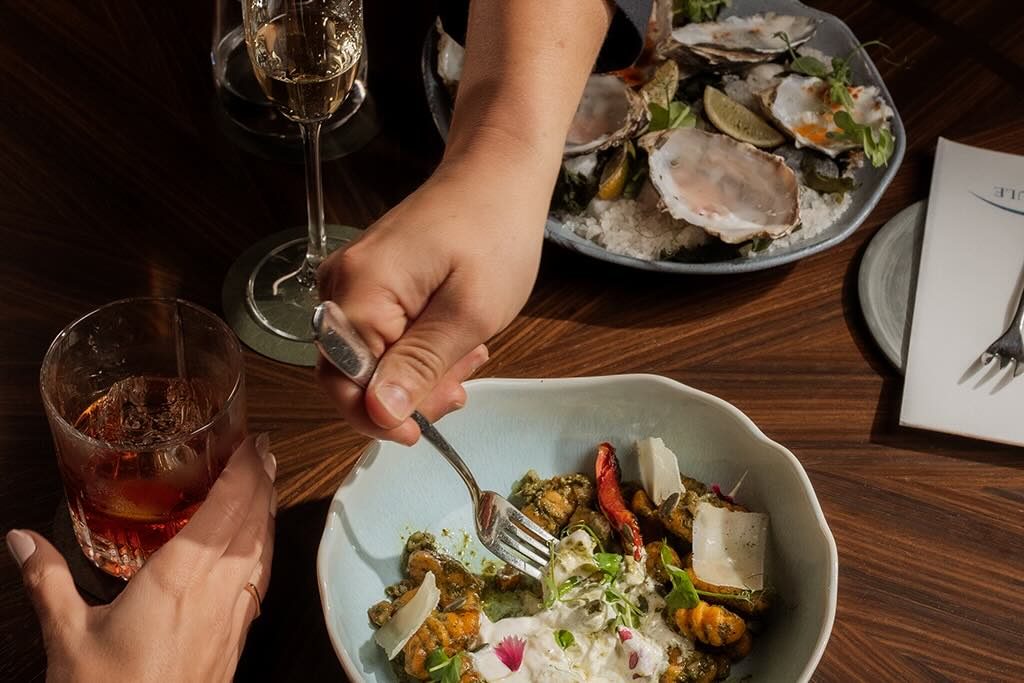
However, the "New Wave" is taking these flavors into the realm of fine dining. In the gritty-chic neighborhood of Salt River, The Happy Uncles has shattered the ceiling of what halal dining can be. As the city’s first 100% halal fine-dining establishment, they offer an eight-course tasting menu that reimagines childhood staples through modern techniques. Imagine a traditional Bredie (stew) deconstructed into a sophisticated plate of slow-cooked lamb, textures of pumpkin, and concentrated spice oils.
For those who want to bring these flavors home, the shift is toward authentic, community-based education. Home-based cooking classes in the Bo-Kaap and Walmer Estate have become a vital part of the local economy.
- Cooking with Love: Average rates range from R650 to R850 per person.
- What you learn: The art of folding a perfect samosa triangle and the "slap" technique for flaky rotis.
- The Impact: These fees go directly to the households, preserving culinary secrets that were once passed down only through oral tradition.
The Visual Language: Contemporary Art and Film
The Cape Malay creative spirit is perhaps most visible in the city's galleries and on its cinema screens. At the Zeitz MOCAA (Museum of Contemporary Art Africa), the residency programs frequently feature artists like Igshaan Adams. His work—large-scale tapestries and installations—uses linoleum flooring and beads to explore the "dust tracks" of his upbringing in the Cape Flats, turning domestic materials into celestial maps of identity.
Photographer and multimedia artist Thania Petersen is another powerhouse. Her work, often displayed at the Silo Hotel and global art fairs, uses self-portraiture to confront the exoticized "Malay" identity created by colonial narratives. By dressing in ornate, theatrical costumes, she reclaims the dignity of her ancestors.
The shift is also cinematic. The 2021 film Barakat, directed by Amy Jephta, was South Africa’s first Muslim-focused Oscar submission. It captured the nuances of a Cape Malay family gathering, moving away from stereotypes and focusing on the universal complexities of love and grief through a distinctly local lens.
Top Creative Spots Beyond Bo-Kaap
| Venue | Neighborhood | What to Experience |
|---|---|---|
| Pot Plant Club | Bree Street | High-end local streetwear and independent labels. |
| The Happy Uncles | Salt River | Eight-course halal tasting menu (reservation required). |
| Asa Sadan Studio | Woodstock | Modern modest fashion and bespoke tailoring. |
| Zeitz MOCAA | V&A Waterfront | Contemporary installations by Cape Malay residency artists. |
| Charly’s Bakery | District Six | Iconic cakes and a glimpse into the creative resilience of the area. |
Planning Your Cultural Journey: Practical Tips for 2026
If you are planning a visit in 2026, the cultural landscape of Cape Town will be more accessible than ever, but it requires a thoughtful approach.
- Best Time to Visit: September to November. You’ll catch the spring wildflowers and avoid the intense heat of the peak summer months, making it ideal for walking tours of Salt River’s murals.
- Transportation: While the MyCiTi bus is reliable, Uber is the preferred method for hopping between creative hubs like Woodstock and the Waterfront for safety and speed.
- Budgeting for 2026:
- Mid-range Cultural Traveler: Estimate a daily spend of R1,500–R2,500 ($80–$135). This includes a fine-dining experience, museum entries, and artisanal shopping.
- Tip: Always carry a small amount of cash (R10-R50 notes) for tipping street performers or buying snacks from local "aunties" at corner shops.

How to Visit Respectfully
As the Cape Malay creative scene gains global traction, the risk of "Instagram tourism" increases. Respectful exploration is paramount.
- Ethical Consumption: Prioritize family-owned businesses. When you buy a hand-sewn garment in Woodstock or book a cooking class in a private home, you are directly countering the effects of gentrification that have displaced many families from the city center.
- Sacred Spaces: If you visit a mosque, such as the Auwal Mosque, ensure your shoulders and legs are covered. Women should carry a light scarf to cover their hair.
- Photography Etiquette: The Bo-Kaap is a living neighborhood, not a film set. Always ask permission before photographing residents or their homes. In creative spaces like Pot Plant Club, photography is usually welcomed, but it’s polite to engage with the staff first.
FAQ
Is Cape Malay cuisine always spicy? It is aromatic rather than "hot." While it uses chili, the focus is on a complex blend of spices like cinnamon, cardamom, turmeric, and cumin. It is significantly sweeter and milder than traditional Durban curries.
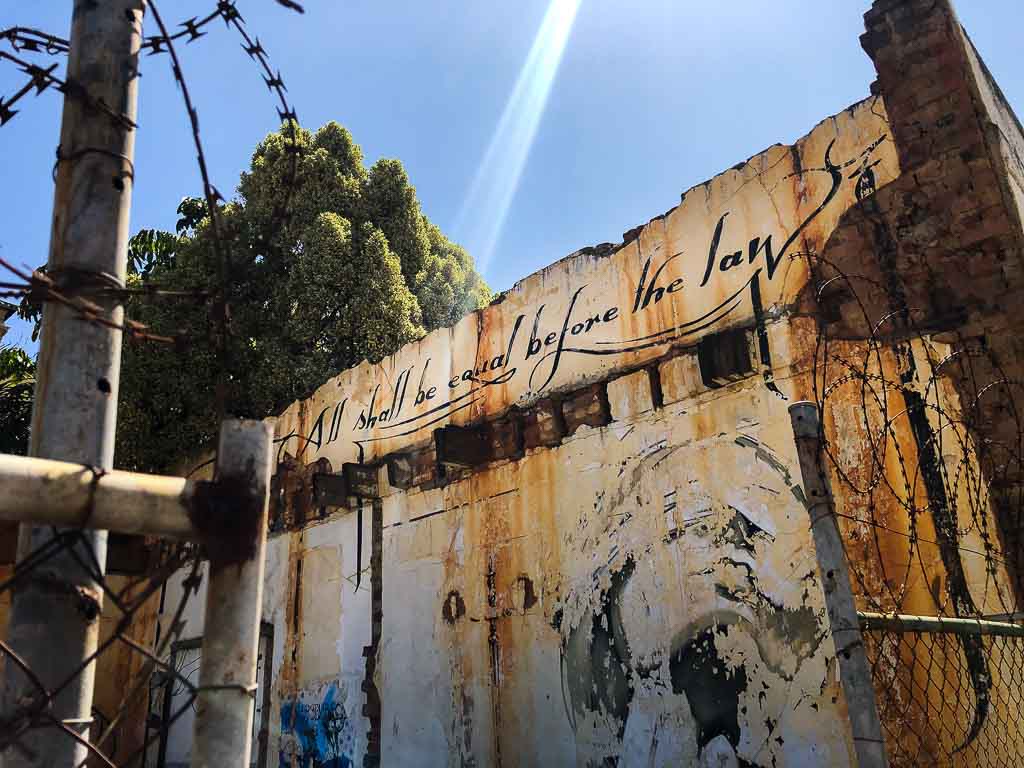
Where is the best place to see Cape Malay art for free? While major museums have entry fees, the streets of Salt River and Woodstock are home to incredible public murals curated by local artists that reflect the community’s history and social struggles.
Is it safe to walk between these creative hubs? It is generally better to take an Uber between neighborhoods (e.g., from Bo-Kaap to Salt River). While walking within the Bo-Kaap or Bree Street during the day is safe, the industrial areas of Woodstock can be quiet, and it's best to move with intention or in a group.
The Cape Malay creative movement is a testament to the power of heritage transformed. It is a story of a community that was once defined by its exclusion, now defining the very essence of Cape Town’s "cool." To visit Cape Town and only see the rainbow houses of Bo-Kaap is to miss the masterpiece being painted across the entire city.