Forget the champagne-drenched bush-glam for a second. If you’ve spent any time tracking the luxury safari circuit, you know the script: high-priced exclusivity in the Okavango Delta, white-glove service, and a price tag that feels more like a down payment on a house than a vacation. But as we look toward 2026 and 2027, there’s a massive "vibe shift" happening in the industry. Seasoned adventurers are trading the glitz of Botswana for the raw, unfiltered grit of Zambia.
Zambia is the ultimate safari alternative to Botswana because it offers a more intimate, "feet-on-the-ground" wildlife experience at a price point that remains accessible without sacrificing the wildness. While Botswana is famous for its lush waterways and high-end privacy, Zambia is the birthplace of the walking safari—a place where the barrier between you and the African bush isn't a Land Rover door, but the soles of your boots. For the 2026-2027 season, Zambia is also leading the charge in "Silent Safaris," utilizing electric vehicle (EV) technology and solar power to ensure your presence doesn't disturb the very ecosystem you came to see.
1. The Birthplace of the Walking Safari: Why South Luangwa Wins
I remember the first time I stepped out of a safari vehicle in South Luangwa. The air felt different. Without the hum of an engine, your senses sharpen. You hear the rhythmic crunch of the dry mopane leaves underfoot, the distant warning call of a Puku, and the unmistakable scent of the African potato bush. This is where the legendary Norman Carr pioneered the walking safari, and in my opinion, it remains the gold standard for anyone who wants to truly feel the wilderness rather than just observe it.
In Botswana’s Okavango Delta, the experience is often passive—you’re being punted in a mokoro or driven through floodplains. In Zambia, it’s active. You’re learning to read the "morning newspaper" written in the dust: the drag mark of a leopard’s tail, the frantic scuffle of a dung beetle, or the fresh tracks of a pride of lions that passed through your camp an hour ago.
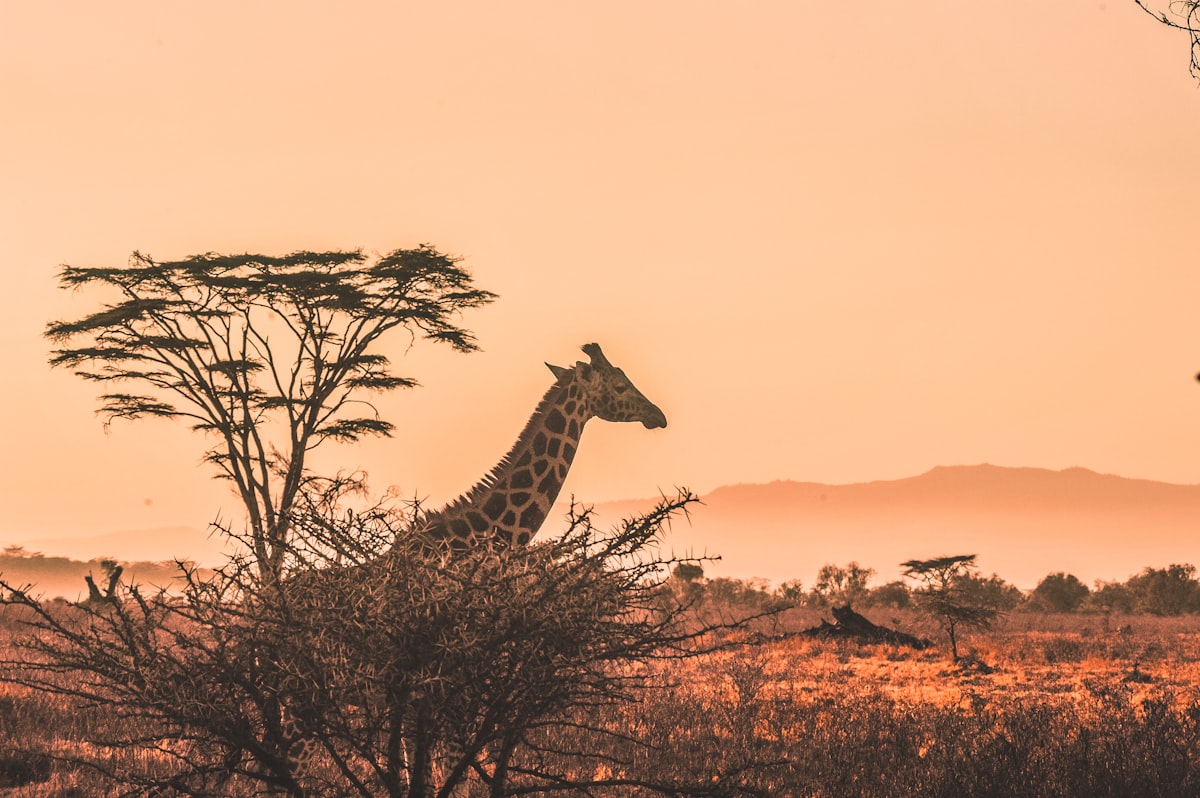
But don't think "raw" means "low wildlife density." In fact, South Luangwa is nicknamed the "Valley of the Leopard" for a reason.
Field Note: South Luangwa National Park maintains one of the highest leopard densities in Africa. Professional guides in the region report a staggering 94% success rate for leopard sightings on multi-day night drives. If you want to see a predator in its element, this is the place.
2. The Sustainability Revolution: Zambia’s 'Silent Safaris'
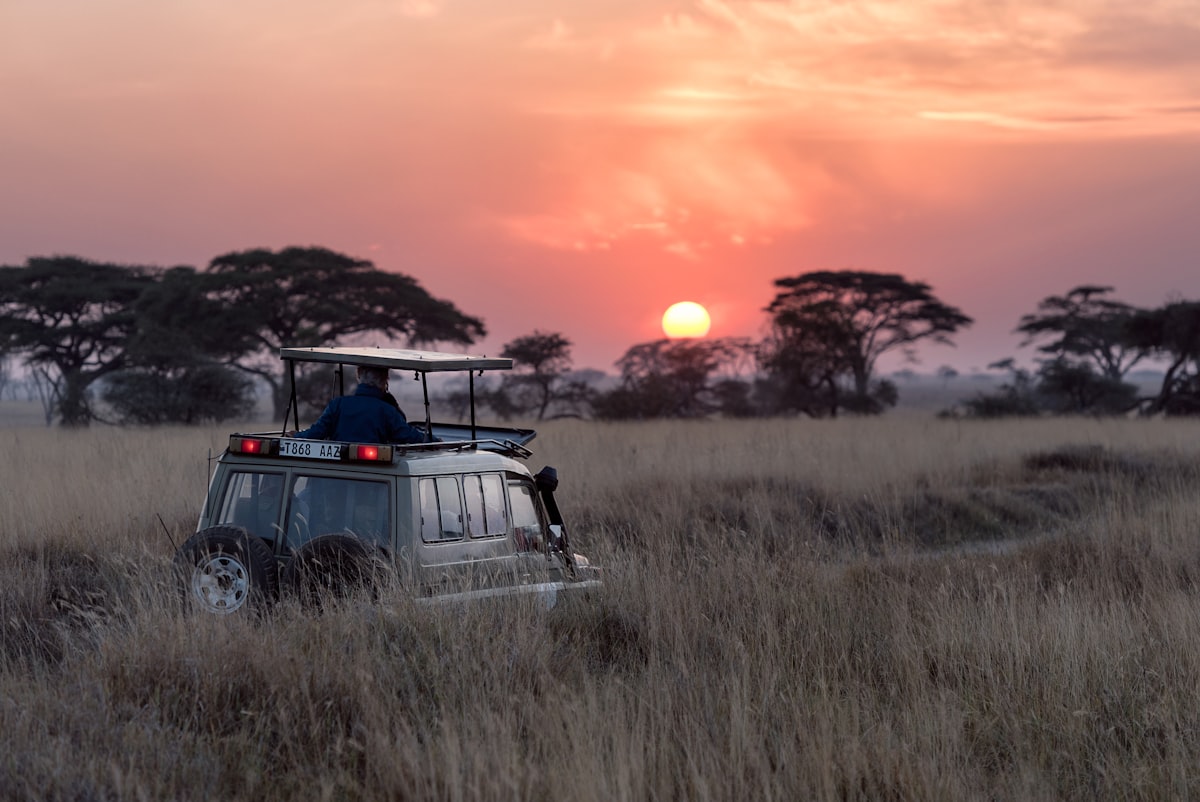
If there’s one reason to prioritize Zambia in 2026, it’s the innovation in sustainable travel. The country has seen a 40% increase in sustainable lodge investments since 2022, and the results are game-changing. We’re talking about "Silent Safaris"—a movement that replaces traditional diesel engines with solar-powered electric vehicles and boats.
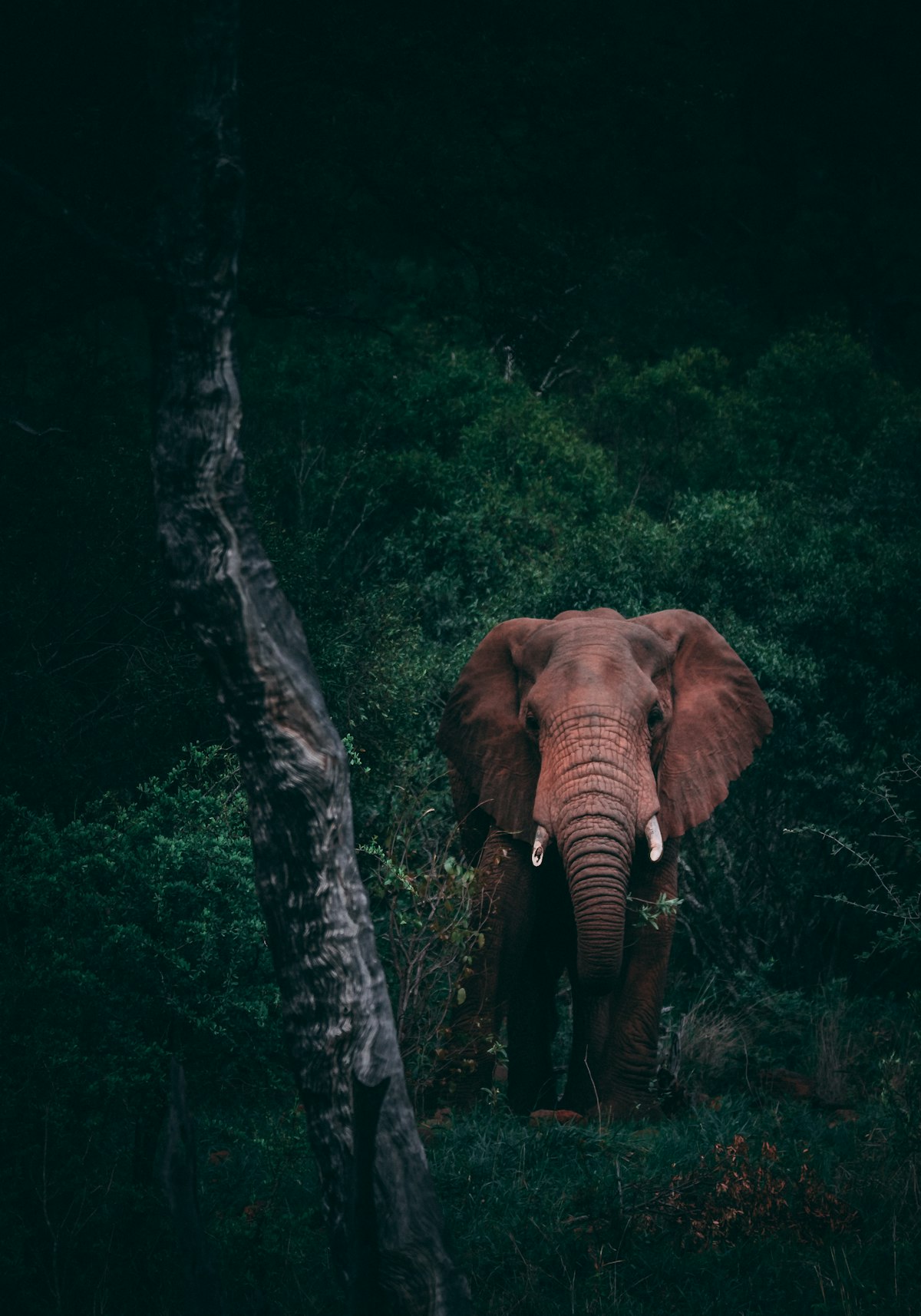
I recently visited the Busanga Plains in Kafue National Park, where the "Silent Safari" concept is in full swing. Floating across the plains in an electric safari vehicle is an almost spiritual experience. You can approach a herd of elephants or a group of lounging lions in near-total silence. Without the vibration and noise of a combustion engine, the animals are noticeably more relaxed, allowing for behavior sightings that were previously impossible.
Lodges like Chisa Busanga have taken this a step further with their "Nest" accommodations—lofty, woven structures that mimic weaver bird nests, powered entirely by the sun. It’s carbon-neutral luxury that doesn't feel like a compromise; it feels like the future. By 2027, these "Silent Safaris" are expected to be the industry standard across Zambia’s premier parks, putting the country years ahead of its neighbors in eco-innovation.
3. Zambia vs. Botswana: The 2026 Side-by-Side Comparison
While Botswana will always be a heavyweight in the safari world, the logistics and costs are shifting the favor toward Zambia for the next few years.
Here is how the two giants stack up for your 2026 planning:
| Feature | Zambia (The Challenger) | Botswana (The Icon) |
|---|---|---|
| Primary Activity | Immersive walking safaris & night drives | Mokoro (canoe) trips & game drives |
| Wildlife Focus | High predator density (Leopards/Wild Dogs) | Mega-herds of Elephants & Lions |
| Sustainability | Industry leader in EV "Silent Safaris" | Focus on low-impact, high-cost exclusivity |
| Atmosphere | Raw, authentic, and adventurous | Polished, exclusive, and "glitzy" |
| Accessibility | Growing hub via Lusaka/Livingstone | Mostly remote fly-in camps |
| Cost (USD) | $600 - $1,200 per night (Mid to High-end) | $1,200 - $3,500+ per night (Ultra-Luxury) |
Water Safaris: A Different Kind of Flow
While Botswana offers the serene, slow-paced mokoro rides through the Delta's narrow channels, Zambia’s Lower Zambezi provides a shot of adrenaline. Here, you can paddle a canoe down the mighty Zambezi River, drifting past pods of hippos and watching elephants cross the water just yards away. It’s a more visceral, active way to experience the water.
4. The Essential 2026-2027 Planning Guide
If you're ready to pull the trigger on a Zambian expedition, timing and location are everything. Unlike some destinations that claim to be "year-round," Zambia’s personality shifts dramatically with the seasons.
- When to Go: The absolute best time for wildlife viewing is the dry season from June to October. As the smaller water holes dry up, animals congregate around the Luangwa and Zambezi rivers. October is known as "Suicide Month" because of the heat, but the predator action is unparalleled.
- The "Big Three" Parks:
- South Luangwa: For the quintessential walking safari and leopard sightings.
- Lower Zambezi: For water-based adventures and dramatic landscapes where the escarpment meets the river.
- Kafue: For the vast, remote Busanga Plains and the cutting-edge "Silent Safaris."
- Getting There: Most travelers fly into Lusaka (LUN) and then take domestic charter flights into the parks. Pro tip: If you're coming from Victoria Falls, use the Kazungula Bridge—it’s a marvel of engineering that connects Zambia, Botswana, Namibia, and Zimbabwe.
5. Ethical Travel: Contributing to the Zambia Carnivore Program
In 2026, travel isn't just about what you see; it's about what you leave behind. One of the most compelling reasons to choose Zambia is the deep integration of conservation into the guest experience. Many top-tier camps work directly with the Zambia Carnivore Program (ZCP).
During your stay, you might find yourself joining a "research drive" where you help track wild dog packs or monitor lion prides alongside scientists. These aren't just staged tourist activities; they are vital anti-poaching and community-led initiatives. Your park fees and lodge stay directly fund the collars, vehicles, and scouts needed to protect these species. It’s a transparent, impactful way to ensure that the Africa we love today is still here in 2030 and beyond.
FAQ: Zambia Safari vs. Botswana
Is Zambia cheaper than Botswana for a safari? Generally, yes. While both countries offer high-end luxury, Zambia provides a more "middle-ground" price point for authentic, remote wilderness. You can find world-class lodges in Zambia for $700-$900 a night that would easily cost $1,500+ in Botswana's Okavango Delta.
Is it safe to go on a walking safari in Zambia? Absolutely, provided you are with a licensed guide. Zambian guides are widely considered some of the best-trained in Africa. They undergo rigorous testing and years of apprenticeship before they are allowed to lead guests on foot in big game territory.
What should I pack for a 2026 Zambian safari? In addition to your standard neutral-toned clothing, prioritize high-quality walking shoes (not necessarily heavy boots, but sturdy trail runners) and a good pair of binoculars. Since more lodges are moving to solar power, bring a portable power bank, though most modern Zambian lodges now offer USB charging in-room.
Plan Your 2026 Unfiltered Adventure
Zambia is no longer the "best-kept secret" of Africa—it’s the new frontier for those who find traditional luxury a bit too quiet. If you want the grit, the soul, and the silence of the true African bush, it's time to look beyond the Delta.