There is a specific, haunting silence that only exists where the pavement ends and the human footprint vanishes. It is the sound of a breeze catching the canvas of a safari tent, the distant call of a sandhill crane, and the crackle of a juniper-wood fire under a sky so dark it feels like velvet.
For the modern traveler, the dream of the Great Outdoors has recently been shadowed by a harsh reality: the "National Park Paradox." As we seek the solace of the wild, we find ourselves in traffic jams of RVs in Yellowstone or jostling for a view of the Grand Canyon. In 2026, the definition of luxury travel has shifted away from mere opulence toward exclusion. The ultimate frontier is no longer just a destination; it is the privilege of being the only one there to witness it.
Private glamping safaris have emerged as the antidote to the crowded public lodge. By utilizing vast, privately owned lands—such as the 550,000-acre Vermejo reserve in New Mexico—these experiences bypass the noise of public lands entirely. Here, the "light-on-the-land" principle allows for bespoke, pop-up accommodations to be placed in the most remote, pristine corners of the earth, offering an intimacy with nature that a traditional hotel simply cannot replicate.
The Luxury of Silence: Why Private Land Trumps National Parks
The allure of a private concession lies in its ability to offer what public parks cannot: control over the environment. When you step onto private land, the rules of engagement with the wild change. There are no "no-entry" hours, no restricted corridors shared with thousands of other vehicles, and no pre-packaged "scenic viewpoints."
"True luxury in 2026 is measured in hectares per guest, not just thread count," notes Justin Chapman, a veteran safari expert. "When you are on a private reserve, the wildlife hasn't been 'seen by millions.' The animals are calmer, the sightings are more profound, and the experience is entirely unscripted."
The shift toward these exclusive enclaves is driven by a desire for "light-on-the-land" tourism. This philosophy ensures that luxury doesn't come at the cost of the environment. High-end pop-up camps are designed to be temporary yet indulgent, featuring en suite toilets, hot pressurized showers, and gourmet kitchens, all while leaving zero trace once the season ends.
| Feature | Public National Parks | Private Glamping Safaris |
|---|---|---|
| Crowd Levels | High; shared with thousands of daily visitors | Exclusive; often restricted to 10-12 guests |
| Wildlife Access | Restricted to paved roads and designated trails | Off-road tracking; private guided encounters |
| Accommodation | Standardized lodges or crowded campsites | Bespoke luxury tents with en suite amenities |
| Flexibility | Rigid schedules and permit requirements | Fully customized itineraries and locations |
| Noise Pollution | High (RVs, generators, tour buses) | Zero (only the sounds of the wilderness) |
The North American Frontier: Vermejo and Bespoke Pop-Ups
While many associate the term "safari" with the plains of Africa, some of the most exciting developments for 2026 are happening in the American West. Leading this charge is the Vermejo private reserve in New Mexico. Spanning an incredible 550,000 acres, Vermejo is larger than the Great Smoky Mountains National Park, yet it welcomes only a fraction of the visitors.
On this vast expanse, the "safari" takes the form of tracking North American megafauna—bison, elk, and mountain lions—across landscapes that look exactly as they did in the 19th century. The experience is anchored by partnerships with operators like American Safari Camp, who specialize in high-end pop-up accommodations.
The logistics of these camps are a marvel of modern engineering and conservation. Establishing a high-end private camp partnership often requires over five years of collaboration between tour operators and wildlife scientists. This ensures that the placement of a luxury tent doesn't disrupt local migration patterns or biodiversity. For the guest, this means waking up in a tent positioned directly in the path of a bison grazing corridor or beside a remote 19th-century charcoal kiln, miles from the nearest road.
The interiors of these "pop-ups" defy their temporary nature. Imagine mahogany writing desks, hand-woven rugs, and plush bedding that rivals any five-star suite in Manhattan. The sensory experience is heightened by the lack of traditional barriers; the sounds of the New Mexican night are filtered only by a layer of high-grade canvas, creating a romantic connection to the land that a brick-and-mortar hotel can never provide.
Explore the Vermejo Wilderness →
The 2026 African Horizon: Most Anticipated Openings
As we look toward 2026, the African continent is redefining the safari once again. The trend is moving away from the "Big Five" checklist and toward community-owned and rewilded sanctuaries. These are places where conservation is the primary goal, and the luxury lodge is the engine that funds it.
Several key openings are set to define the 2026 season:
- Singita Elela (Okavango Delta, Botswana): Located in a private concession that offers some of the most exclusive water-based wildlife viewing in the world. The focus here is on "slow safari"—exploring the papyrus-fringed waterways by silent solar-powered boats.
- Toro River Lodge (South Africa): Nestled within a private reserve that limits vehicle density to just two per sighting, ensuring that your encounter with a leopard or a pride of lions is shared only with the stars.
- Thitaka Lodge (Namibia): Situated at the dramatic intersection of the Chobe and Zambezi systems, this lodge focuses on the intersection of luxury and indigenous culture, offering guests a chance to engage with local communities in a meaningful, non-performative way.
- Sandringham Private Game Reserve (South Africa): A stunning example of rewilding, this former hunting block has been transformed into a sanctuary for rhino and cheetah. The 2026 opening will focus on "conservation glamping," where guests can participate in wildlife monitoring alongside world-class biologists.
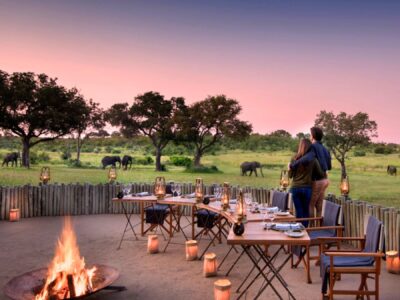
The common thread among these new openings is the concept of "full-board" being elevated to an art form. We are talking about bush dinners where the table is set with crystal and silver in the middle of a dry riverbed, and sundowners that involve artisanal gins infused with local botanicals.
The Logistics of Bespoke Luxury: What to Expect
Planning a private glamping safari for 2026 requires more than just a credit card; it requires foresight. Because these experiences are so exclusive—often limited to a handful of tents—the best locations book out 12 to 18 months in advance.
The Financial Investment Exclusivity carries a premium. For a top-tier private safari in 2026, expect to invest between $1,500 and $2,500 per person, per day. This rate is generally all-inclusive, covering:
- Private charter flights or helicopter transfers (essential for reaching remote camps like Batoka Gorge).
- All gourmet meals and premium beverages.
- Private guides and custom-tailored daily activities.
- The "invisible" cost of conservation levies that protect the land you are visiting.
The Arrival Experience In the world of private glamping, the journey is as curated as the destination. Forget the dusty shuttle bus. The 2026 standard involves private transfers, often by helicopter. Arriving at your camp from the air provides a perspective on the vastness of the private reserve that you simply cannot get from the ground. It reinforces the sense of isolation and the "secret" nature of your location.
"There is no better way to start a romantic getaway than a helicopter arrival over the Victoria Falls directly into your private camp," says Emma Chen. "It sets a tone of adventure and exclusivity that lingers long after you've returned home."
Essential FAQ for Private Glamping Safaris
Do private glamping camps have real bathrooms? Yes. In 2026, the "glamping" standard for private safaris includes fully plumbed en suite bathrooms. You can expect hot pressurized showers, flushing toilets, and often, copper soaking tubs with views of the wilderness.
Is it safe to stay in a canvas tent in areas with predators? Absolutely. These camps are managed by professional rangers and trackers. While the tents are canvas, they are often built on raised wooden platforms and secured with sophisticated safety protocols. On private reserves, the wildlife is accustomed to the camps and generally keeps a respectful distance.
How far in advance should I book for a 2026 expedition? Due to the extremely limited capacity of private concessions (often only 6 to 10 tents per camp), we recommend booking at least 12 to 14 months in advance, especially for peak seasons like the Great Migration in Africa or the autumn elk rut in New Mexico.
Redefining the Wild
The shift toward private glamping safaris is more than just a travel trend; it is a reclamation of the wilderness experience. It is an admission that the most precious resource we have is not gold or diamonds, but space—the space to breathe, the space to observe, and the space to be alone with the people we love.
As we look toward 2026, the true connoisseur of travel will look beyond the gates of the national parks. They will seek out the silent corners of the Vermejo, the hidden channels of the Okavango, and the rewilded plains of the Karoo. In these private sanctuaries, the wild doesn't just put on a show; it invites you in to stay a while.