The air in Istanbul is a heavy, intoxicating perfume of sea salt, roasted coffee, and the ancient dust of a thousand years. For centuries, the city’s creative heartbeat was confined within the labyrinthine walls of the Grand Bazaar, where the Usta (master artisan) reigned supreme over gold, leather, and silk. But today, a new Renaissance is unfolding. While the Bazaar remains a rite of passage, the true soul of contemporary Turkish craft has migrated. It has breathed new life into Ottoman-era post offices, nestled into the neoclassical apartments of Nişantaşı, and hidden itself in the winding, cobblestone alleys of Beyoğlu.
To truly understand Istanbul now, one must look beyond the souvenir stalls. We are witnessing a moment where heritage meets the avant-garde—where the meticulous techniques of the Ottoman courts are being reimagined by a generation of designers who are as comfortable in a Parisian showroom as they are in a dusty Anatolian workshop. This is a guide for the discerning traveler, the one who seeks the story behind the object and the hands that shaped it.
The Evolution of the 'Usta': From Grand Bazaar to Global Stage
For half a millennium, the Usta-Çırak (master-apprentice) relationship was the bedrock of Istanbul’s economy. To be an Usta was to hold a sacred trust, a lineage of knowledge passed down through generations. However, the modern era has demanded a evolution. The contemporary Turkish aesthetic is no longer just about replicating the past; it is about distilling its essence into something strikingly modern.
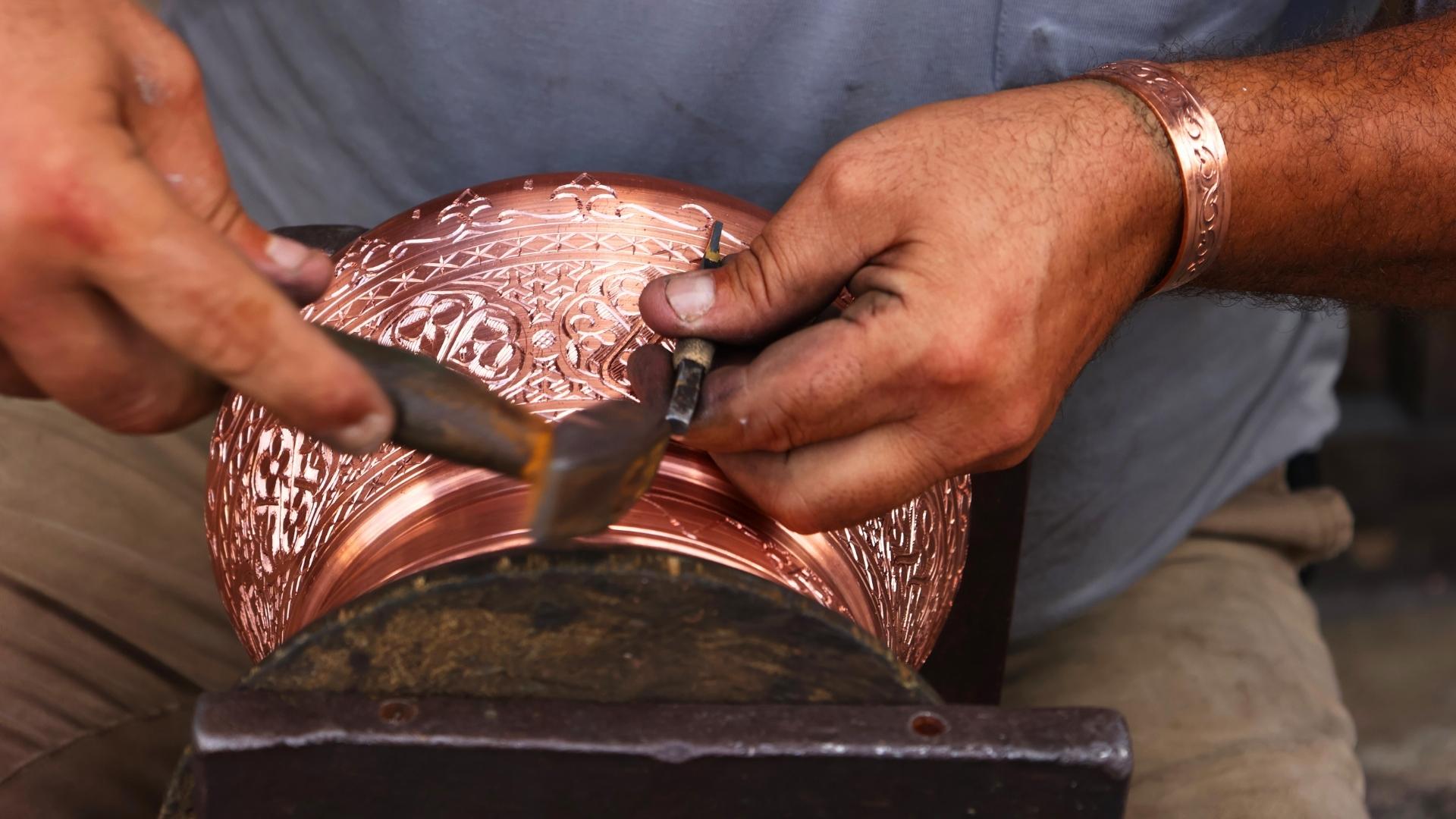
In the workshops of Han-style buildings, you might still hear the rhythmic tapping of a copper-smith’s hammer, but the designs being produced are often destined for the concept stores of London or New York. This shift represents a "New Ottoman" chic—a blend of heavy textures, bold geometries, and a deep, visceral connection to the land.
Galataport: The Modern Heartbeat of Turkish Design
If you are looking for the definitive answer to where the modern Turkish creative spirit currently resides, look no further than the Bosphorus waterfront. Galataport, specifically the revamped Ottoman-era Packet Post Office (Paket Postanesi), has become the premier modern destination for homegrown talent. This isn't a shopping mall in the traditional sense; it is a curated temple of Turkish excellence.
What is the best modern location to find homegrown Turkish brands? Galataport is the undisputed center, featuring a stunningly restored heritage building that now houses approximately 250 dedicated stores exclusively for homegrown Turkish brands. From high-end fashion to artisanal apothecary labels like Atelier Rebul, which has been perfecting heritage scents since 1895, this complex offers a concentrated look at the nation's design prowess.
Walking through the slate-grey corridors of the Post Office, the scent of kolonya (traditional lemon cologne) mixes with the salt spray of the Bosphorus. Here, you can find Vakko, the titan of Turkish luxury, alongside smaller, boutique labels that specialize in everything from hand-poured candles to minimalist ceramics.
The Design Districts: Nişantaşı, Beyoğlu, and Beşiktaş
To find the vanguard of contemporary Turkish fashion and jewelry, one must venture into the "Design Triangle." These districts are where the city’s elite shop and where the most exciting independent designers have established their flagship ateliers.
The Jewelry Queen: Begüm Khan (Nişantaşı)
Tucked away in the ritzy lanes of Nişantaşı, Begüm Khan creates jewelry that feels like it was plucked from a surrealist Ottoman dream. Her pieces—often featuring oversized beetles, frogs, and botanical motifs in gold and precious stones—are a favorite among the global fashion set. Each piece is handcrafted by local artisans, bridging the gap between high-fashion whimsy and ancient metalworking techniques.
Artisanal Leather: Misela (Beyoğlu)
In the artistic heart of Beyoğlu, Misela is redefining what a luxury handbag can be. Founded by Serra Türker, the brand uses the highest quality leather and Anatolian-inspired patterns to create customizable bags that are both timeless and deeply rooted in Turkish identity. Their Pera flagship is a masterclass in boutique interior design, reflecting the "Cabinet of Curiosities" aesthetic that dominates the area.
Modern Statement Wear: Nackiyé (Beşiktaş)
Located in the leafy, upscale neighborhood of Beşiktaş, Nackiyé is the brainchild of sisters Basak and Defne Kocabiyikoglu. Their designs are a love letter to the relaxed, Mediterranean lifestyle of their childhood, featuring harem-inspired silhouettes and wallpaper-print jacquards. It is fashion that feels like a holiday, yet possesses the structural integrity of a tailored suit.
The Curator’s Eye: Fey (Nişantaşı)
Founded by the legendary Fatoş Yalın, former editor of Marie Claire Turkey, Fey is more than a store—it is a perspective. Located in Nişantaşı, it curates a mix of vintage-inspired Turkish designs, impeccable Italian tailoring, and unique accessories. It is the place to go if you want to dress like the most sophisticated woman in Istanbul.
Explore the Istanbul Design Map →
| Feature | Traditional Bazaar Shopping | Contemporary Design Districts |
|---|---|---|
| Experience | Haggling, sensory overload, historic hans | Curated boutiques, personalized service, modern cafes |
| Pricing | Variable (depends on negotiation) | Fixed, luxury price points |
| Key Districts | Eminönü, Fatih | Nişantaşı, Beyoğlu, Beşiktaş |
| Best For | Rugs, spices, bulk antiques | Fashion, luxury jewelry, modern home decor |
Hands-On Heritage: Traditional Artisan Workshops
For those who wish to go beyond mere acquisition, Istanbul offers the chance to step into the role of the apprentice. Participating in a workshop is a way to touch the history of the city, to feel the resistance of the clay or the tension of the water.
What traditional craft workshops are available in Istanbul for tourists? Visitors can participate in immersive, hands-on sessions for Ebru (Turkish Water Marbling), Mosaic Lamp making, traditional Iznik Tile painting, and the art of Turkish Coffee making. These sessions are primarily located in the historic Sultanahmet and Galata areas, providing a serene escape from the bustling streets.
Local Tip: Authentic Istanbul cultural workshops for traditional crafts like Ebru and ceramics typically offer immersive sessions ranging from 1.5 to 3 hours in duration. It is highly recommended to book at least 48 hours in advance, especially for small-group studios like the Caferağa Madrasah.
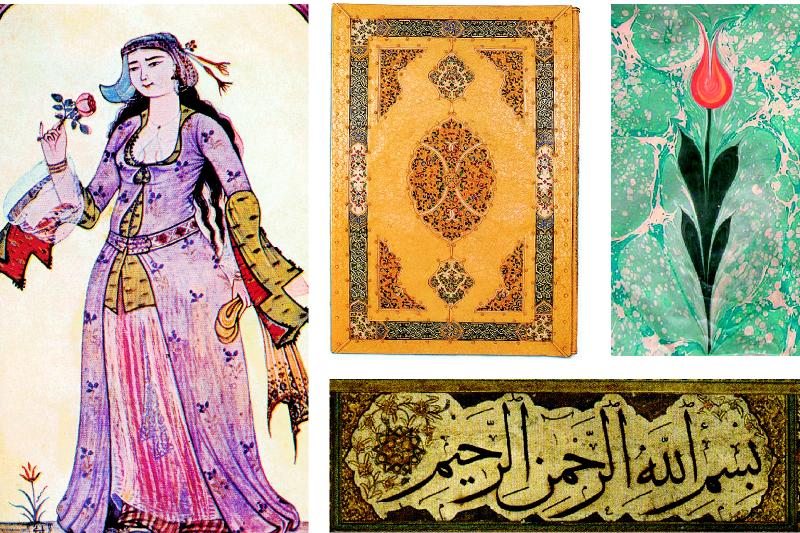
At the Istanbul Handicrafts Center near the Hagia Sophia, you can watch masters at work before trying your hand at Çini (tile work). The process of painting a traditional Iznik floral pattern—a tulip or a carnation—requires a meditative focus that connects you directly to the craftsmen of the 16th century.
Curated Antiquities: Finding the One-of-a-Kind
For the collector of stories, the neighborhood of Çukurcuma is a treasure chest. Its steep, cobblestone lanes are lined with antique shops that feel more like museums. This is where you find the objects that have witnessed the city's many lives.
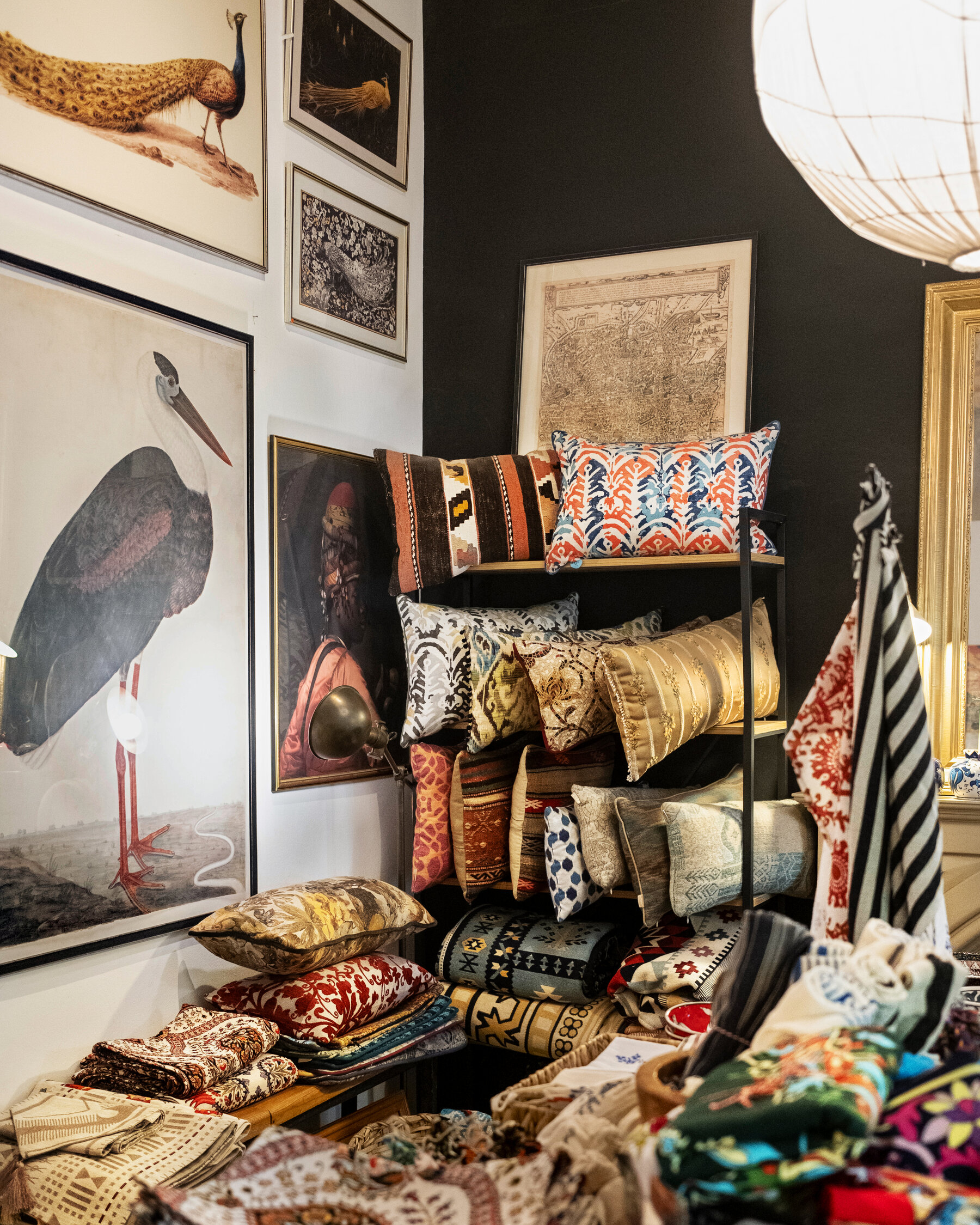
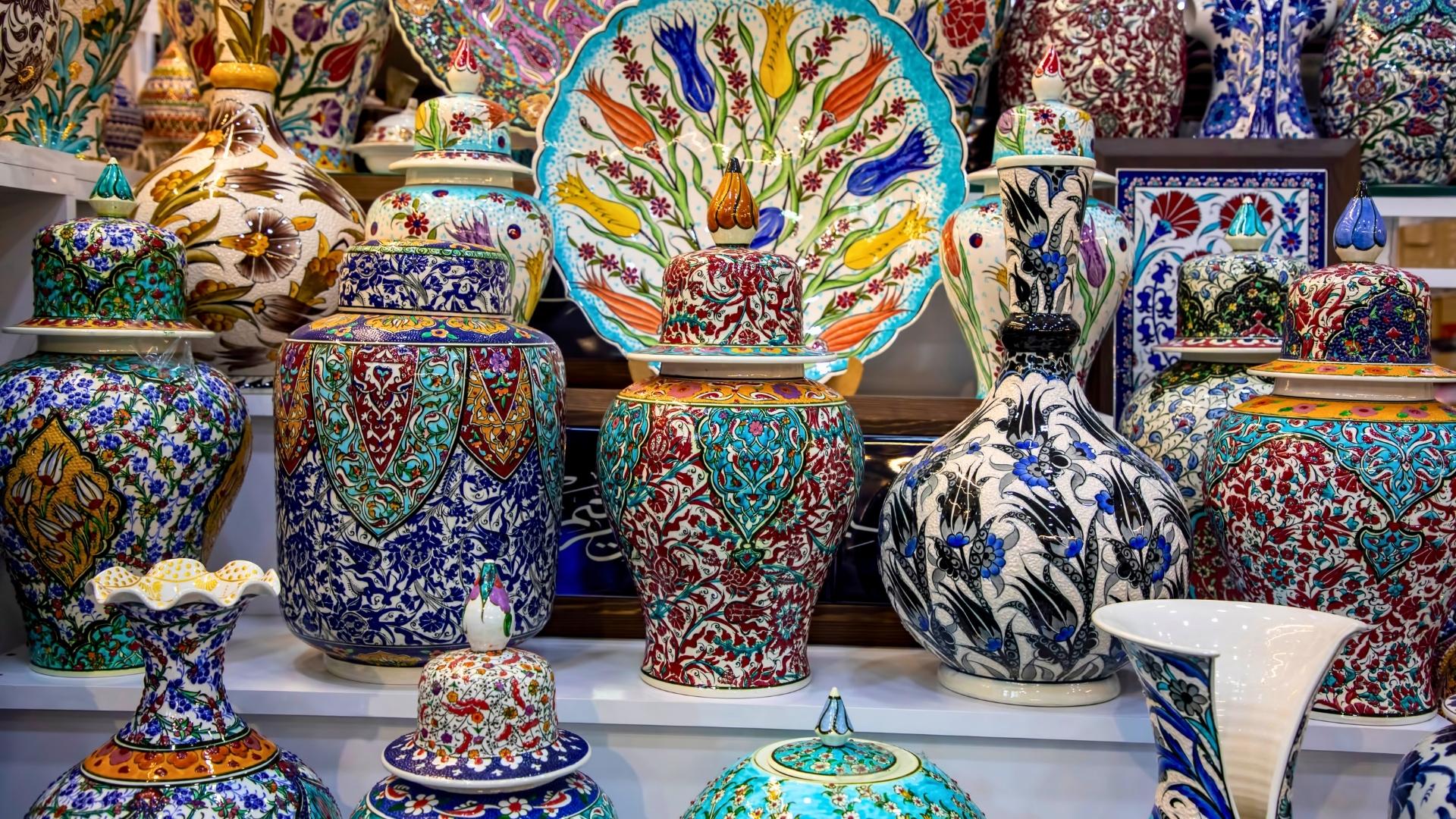
The highlight of the district is undoubtedly A La Turca. Housed in a grand, multi-story townhouse, the owner Erkal Aksoy has curated a breathtaking collection of Anatolian kilims, oversized ceramic urns, and Ottoman-era furniture. Every corner of the shop is a vignette of a forgotten lifestyle.
Further afield in Zekeriyaköy, House of Junk offers a different kind of vintage experience. It is a villa-turned-emporium where mid-century modern furniture meets quirky Turkish ephemera, perfect for those looking for a piece of Istanbul that doesn't fit the "traditional" mold.
Fragrance and Flavor: The Sensory Artisans
Istanbul is a city of layers, and the most evocative layers are often those we cannot see, only smell or taste. The culinary arts in Turkey are treated with the same reverence as the fine arts.
Take, for instance, the gender-neutral perfumes of Nishane. As the first Istanbul-based niche perfume house to gain global acclaim, their scents like 'Hacivat' and 'Ani' are olfactory poems dedicated to the city’s history. They capture the smoky kiss of çay (tea) and the sweetness of the spice markets in a bottle that is unmistakably modern.
In the world of sweets, the "Usta" tradition lives on at Marsel Delights. They have taken the traditional lokum (Turkish Delight) and elevated it with sophisticated flavor profiles like Earl Grey and lemon oil or hibiscus and pomegranate. It is a far cry from the dusty boxes found in tourist traps—this is the secret of the Istanbul elite.
FAQ
Are reservations required for workshops? Yes, for the most authentic experiences in small studios like Caferağa Madrasah or private Ebru ateliers, reservations are essential. Most studios require 2-3 days' notice to prepare materials like the specially treated "thickened" water used in marbling.
Where to ship large items like carpets or furniture? Most high-end dealers in Çukurcuma and Nişantaşı (like A La Turca) have long-standing relationships with international shipping agents. They can handle the crating, insurance, and customs paperwork for door-to-door delivery. Always ensure you receive a "Certificate of Origin" for antique items.
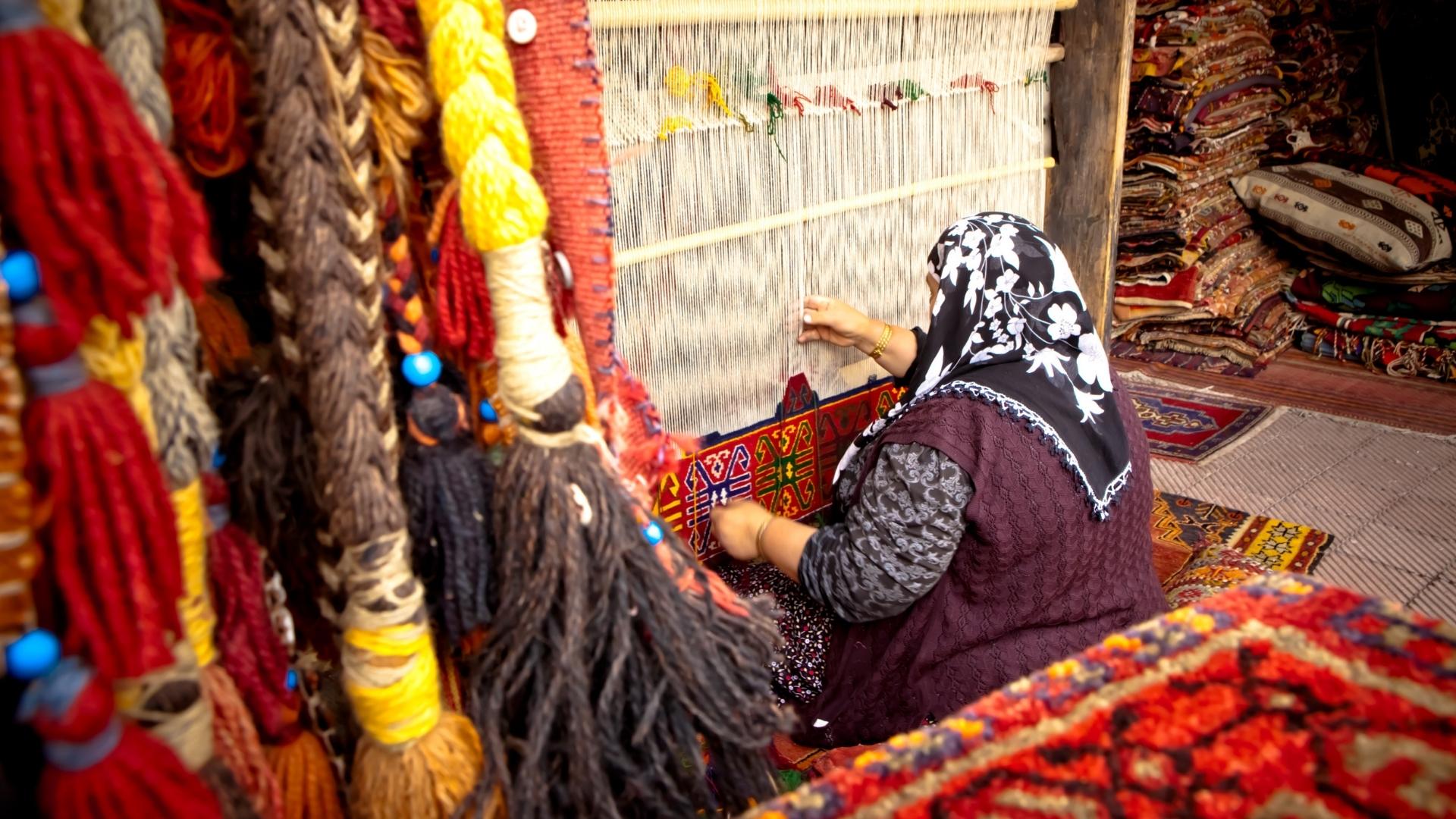
How to verify the authenticity of hand-woven carpets? Look for the "weaving irregularities." A machine-made rug is perfect; a hand-knotted one will have slight variations in the pattern and the dye (often called abrash). Reputable dealers will always be happy to show you the back of the rug, where the hand-tied knots should be visible and slightly uneven.
Join the Artisan Map
Istanbul is not a city that reveals its secrets all at once. It requires a willingness to wander, to climb the hills of Beyoğlu, and to sit for a cup of tea in a designer's studio. We invite you to step away from the crowds of the Sultanahmet and discover the new generation of masters who are shaping the future of Turkish culture.