There is a specific kind of quiet that only exists in the heart of the Okavango Delta. It’s not a true silence—it’s filled with the rhythmic splash of a poler’s oar, the distant honk of a hippo, and the frantic chirping of reed frogs—but it is a silence from the "noise" of modern life. In my years as a travel editor, I’ve seen families chase the "Big Five" across the continent, checking off lions and leopards like items on a grocery list. But as we look toward 2026, the tide is shifting. We are no longer just looking for sightings; we are looking for connection.
Recent travel data confirms what many of us feel: there has been a 20% increase in multi-generational safari bookings for the 2026/2027 season. Perhaps more tellingly, 85% of families now prioritize "meaningful connection" over high-volume wildlife sightings. Botswana is the ultimate answer to this craving. Because of its remote exclusivity and a deliberate lack of digital distractions in many camps, Botswana fosters deeper emotional ties. It forces us to put down the phones, look our children in the eye, and share the wonder of a world that feels entirely untouched.
Why Botswana is the 2026 Multi-Generational Choice
The "Beyond the Big Five" philosophy isn't about ignoring the lions—it’s about what happens in the spaces between the sightings. In Botswana, the "low volume, high value" tourism model means you aren't jostling with twenty other Land Cruisers to see a pride of lions. Instead, it’s just your family, a guide, and the vastness of the Kalahari or the Delta.
Quick Fact: Mashatu Game Reserve encompasses 104,000 acres (42,000 hectares) of private wilderness. This provides families with exclusive access to the largest herds of elephants in a private African reserve, ensuring your "elephant encounter" isn't shared with a crowd.
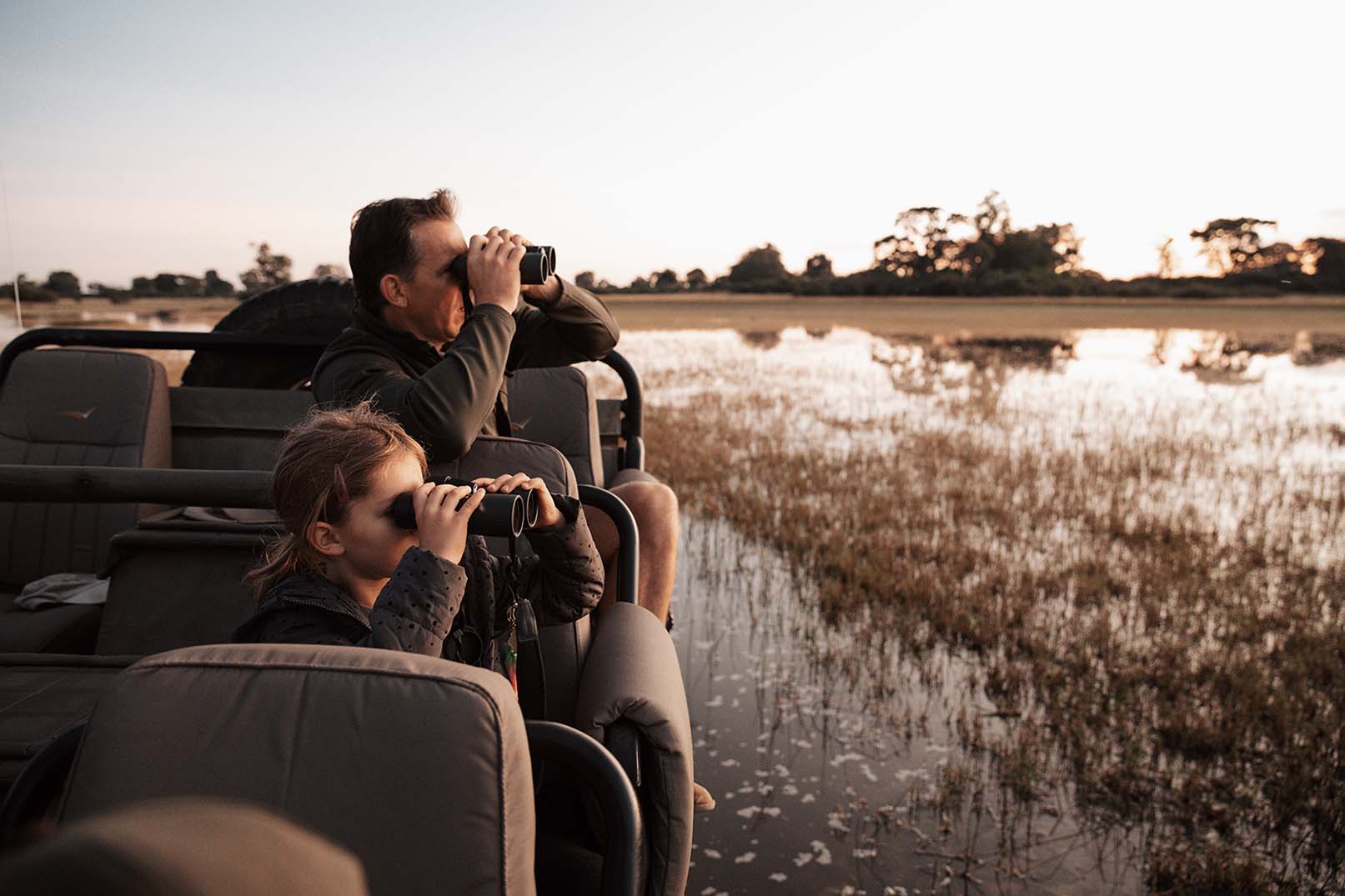
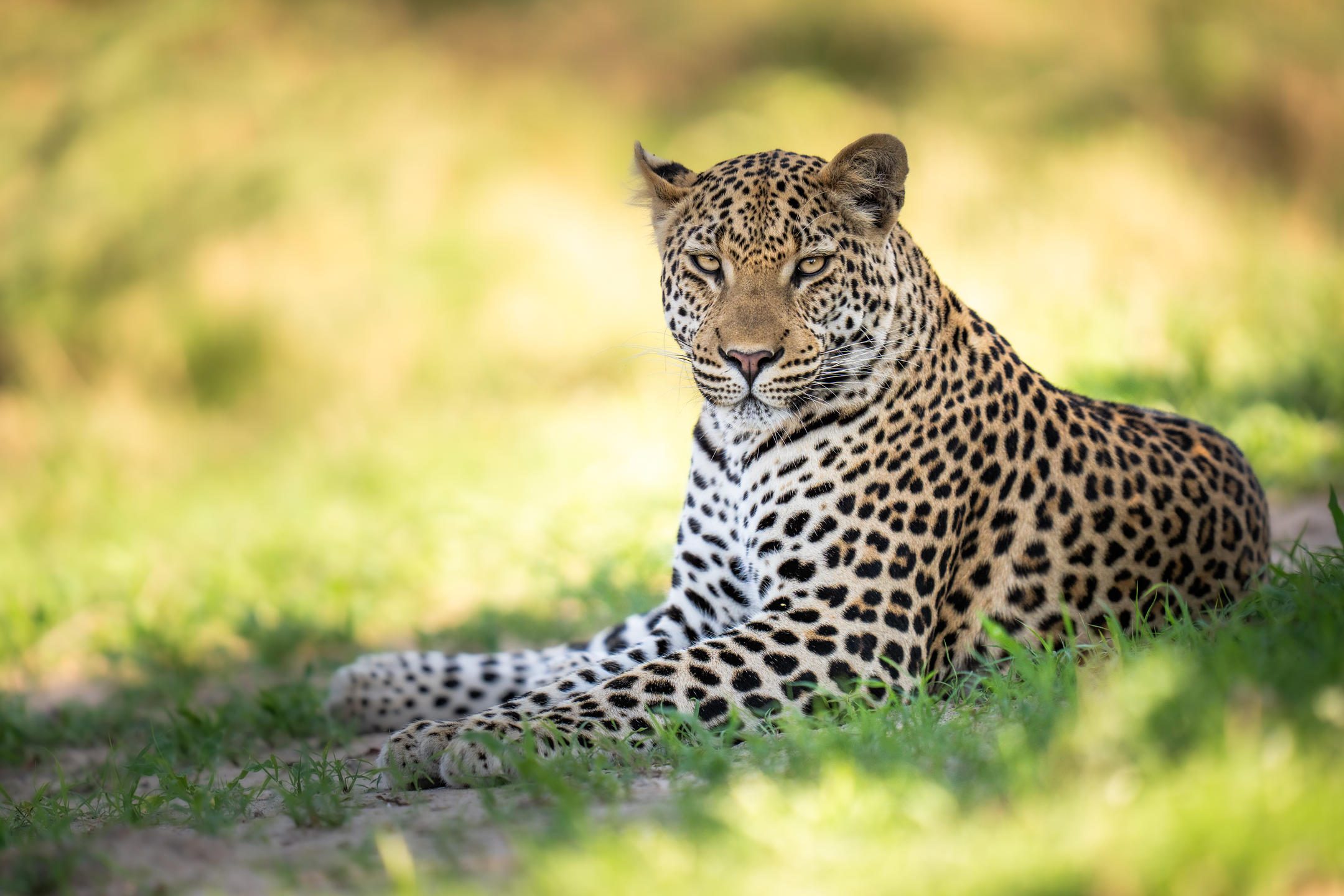
When we travel with our children and parents, we are looking for shared body language—the collective intake of breath when a leopard descends from a tree, or the shared laughter when a dung beetle rolls its prize across the path. Botswana’s landscape requires a slower pace, which is exactly what a modern family needs to reconnect.
Planning for the Right Age: Is Your Family Ready?
While I’m a firm believer that travel is the best education, Botswana requires some logistical honesty. This is a destination best suited for older children, typically ages 6 to 12 and up.
Why the age limit? Botswana’s camps are often unfenced and deeply remote. Travel between reserves involves small light aircraft where weight limits are strict and "bathroom breaks" are non-existent. Furthermore, many of the most iconic experiences—like mokoro (dugout canoe) excursions or walking safaris—have strict age restrictions (often 12+ or 16+) for safety reasons. If you are traveling with younger children, you’ll want to look for "lodge-based" experiences rather than mobile camps, and always verify the "Bush Buddy" or junior ranger programs available.
Top Regions for Family Bonding
Botswana is a tapestry of distinct ecosystems. Choosing the right one depends on what kind of "connection" your family is looking for.
The Okavango Delta: Navigating the Waterways Together
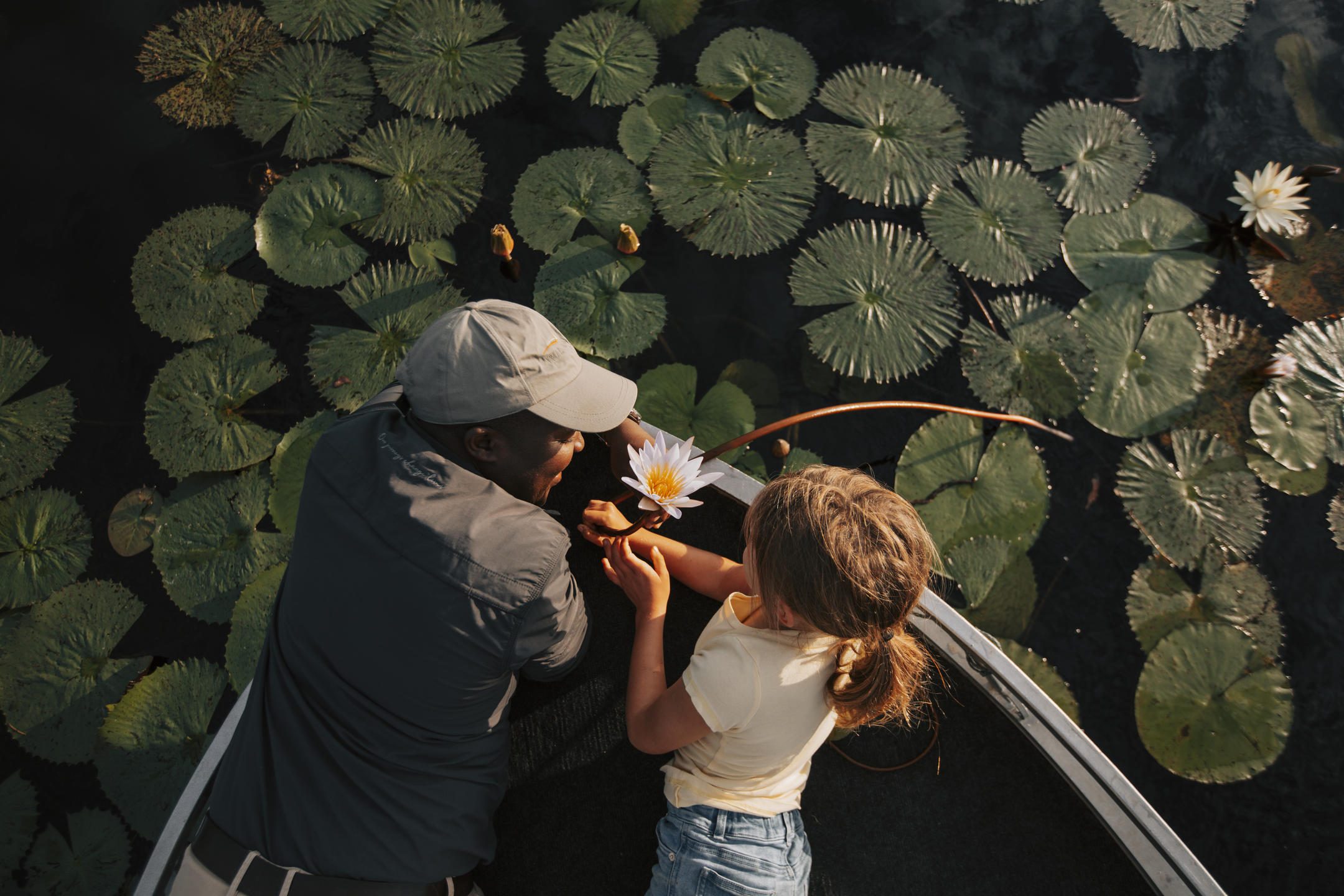
The Delta is the soul of Botswana. It’s a labyrinth of lagoons and hidden channels. For families, the water safari is a game-changer. Unlike the rumble of a jeep, a boat or mokoro allows for conversation. You can hear your child’s questions and the guide’s whispered answers.
For first-timers, I always point toward Wilderness Mombo Camp. Known as the "Place of Plenty," it sits on Chief’s Island and offers some of the most consistent wildlife sightings in Africa. It’s a "safe bet" for families who want to ensure the kids see the highlights while enjoying world-class luxury.
The Linyanti & Chobe: Witnessing the Giants
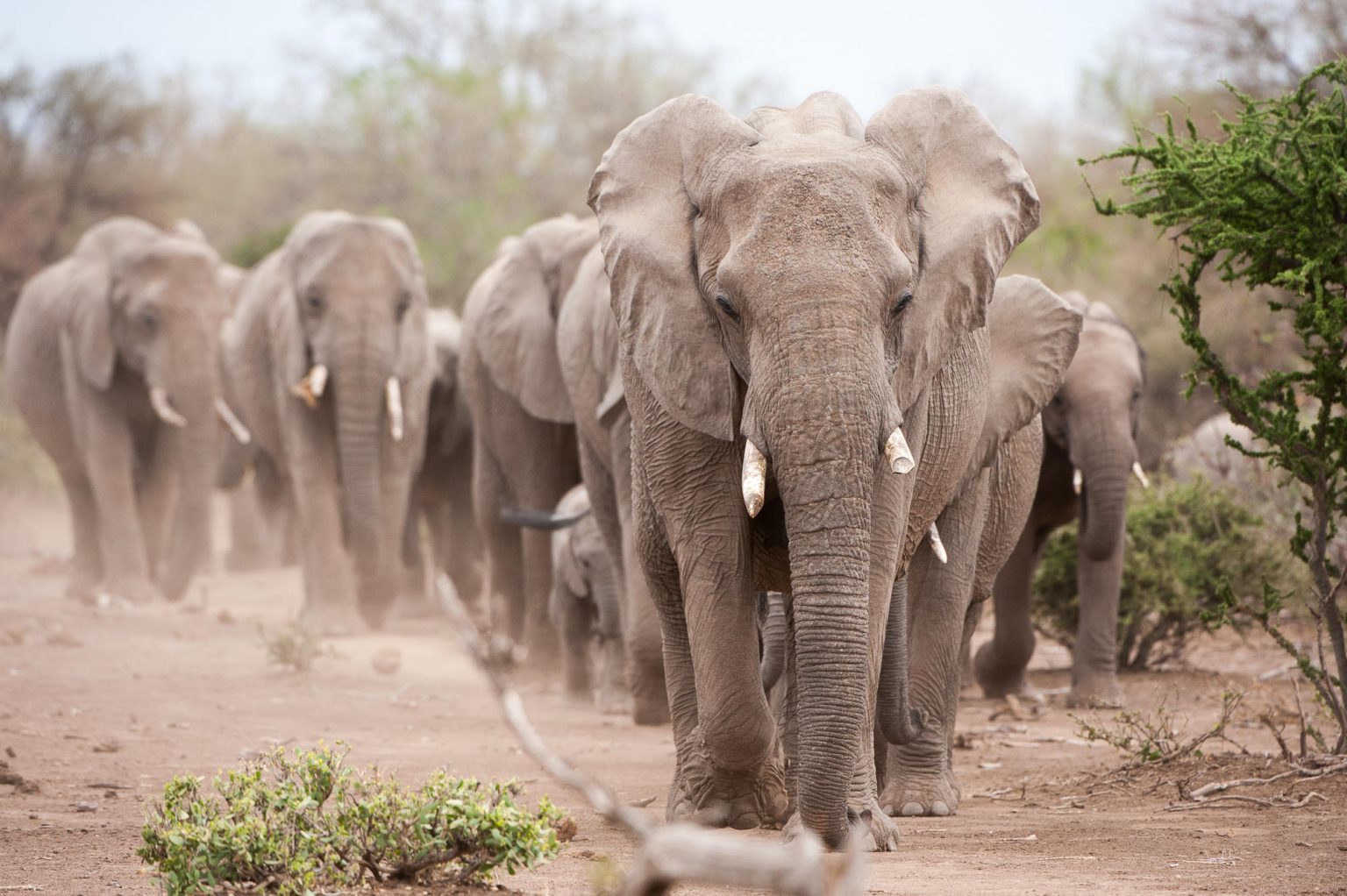
If your family is obsessed with elephants, this is your pilgrimage. The Linyanti and Chobe regions host the world’s largest concentrated elephant populations. There is something profoundly moving about watching a matriarch lead her herd to the water’s edge—a mirror of our own family structures.
The Makgadikgadi & Kalahari: Cultural Immersion
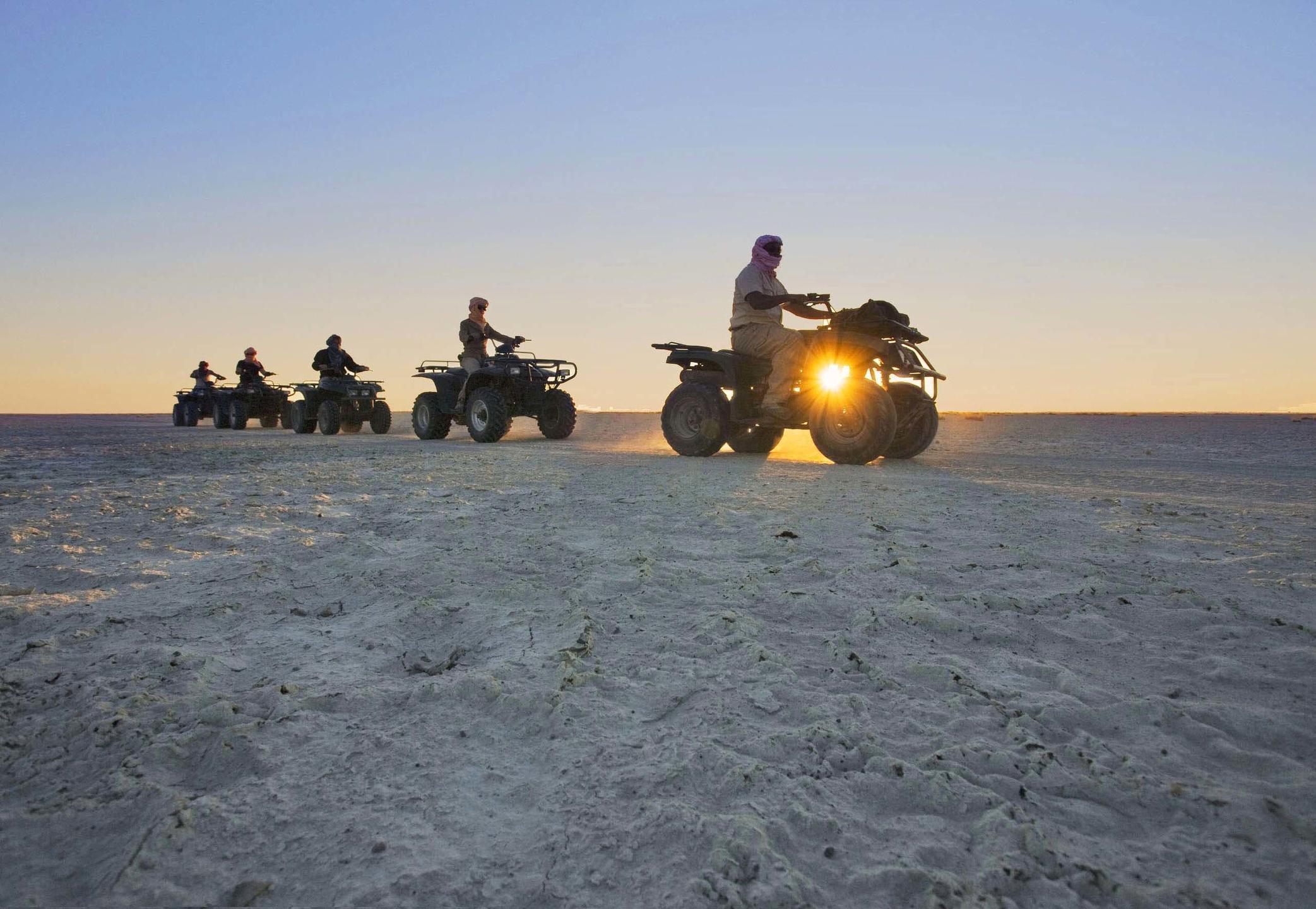
For a complete change of pace, the salt pans of the Makgadikgadi offer a lunar landscape that feels like another planet. Here, the connection is cultural. Meeting the San people and learning how they have tracked animals and found water for millennia is a humbling experience for tech-savvy teenagers. And of course, there are the meerkats—habituated neighbors who might just use your head as a lookout post.
Regional Comparison for Families
| Region | Best for Age Group | Key Activity | Bonding Vibe |
|---|---|---|---|
| Okavango Delta | 8+ | Mokoro & Boat Safaris | Serene, lush, and intimate |
| Linyanti/Chobe | All Ages | Elephant Tracking | High-energy, awe-inspiring |
| Kalahari/Pans | 6+ | Meerkat encounters & San walks | Educational, quirky, and vast |
Hand-Picked Family Lodges for 2026
Mashatu Lodge: Space for the Whole Tribe
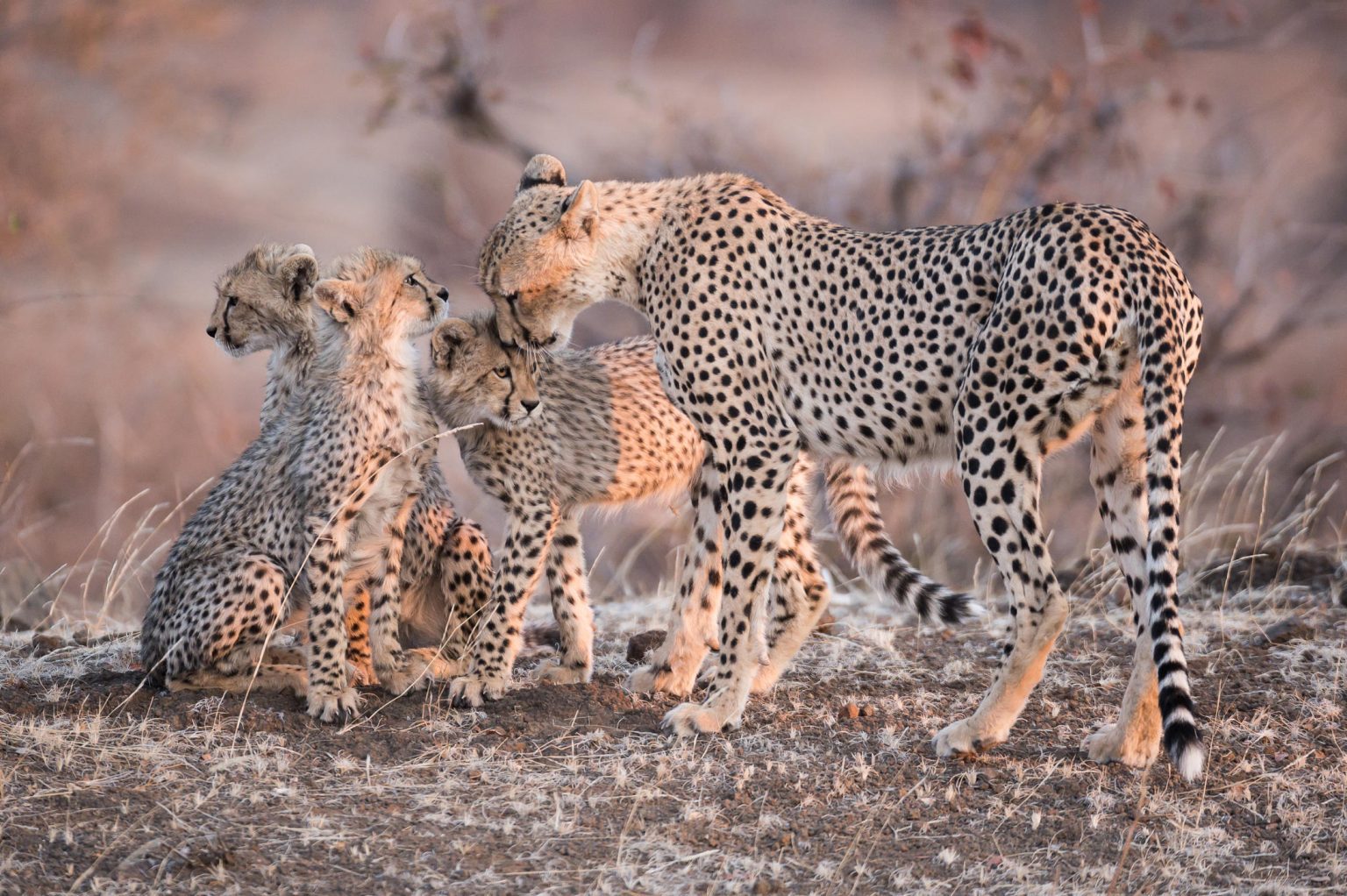
In the Tuli Block, Mashatu is a godsend for families. The suites are spacious enough for real relaxation, and the 104,000-acre private reserve means you have the land to yourselves. They offer predator research drives, which are fantastic for teens who want to see the "science" behind the safari.
Duba Plains: Storytelling through the Lens
If your family has a creative streak, Duba Plains (a Great Plains Conservation property) is a dream. Founded by National Geographic filmmakers, the camp provides professional-grade camera gear for guests. Working on a family "photography project" throughout the week is a wonderful way to engage kids with the environment.
andBeyond Nxabega: For the Aspiring Anglers
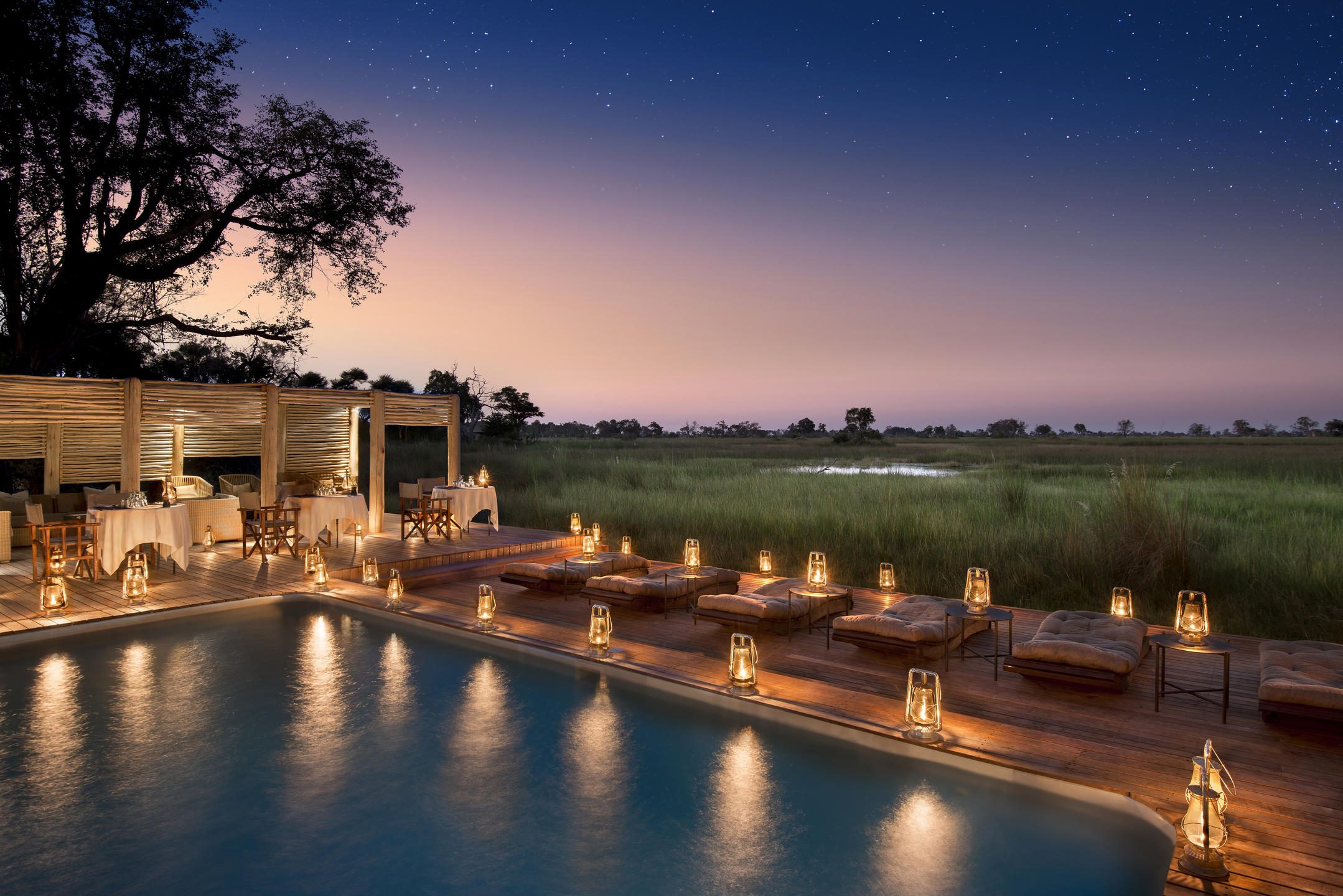
Located in a private concession in the Delta, Nxabega is perfect for families who enjoy a bit of activity. They offer catch-and-release fishing, which can become a fun, lighthearted family competition during the afternoon lull.
Discover Nxabega Tented Camp →
Designing Your Itinerary: Land, Water, and Air
A successful Botswana safari is all about the rhythm. The 5:30 AM wake-up calls are non-negotiable—that’s when the magic happens—but the afternoon siesta is equally vital.
Most high-end lodges now offer "Bush Buddies"—specialized guides who understand that an eight-year-old’s attention span is different from an adult’s. While you might want to spend three hours tracking a single leopard, your child might be more interested in learning how to make fire with sticks or identifying tracks around the camp.
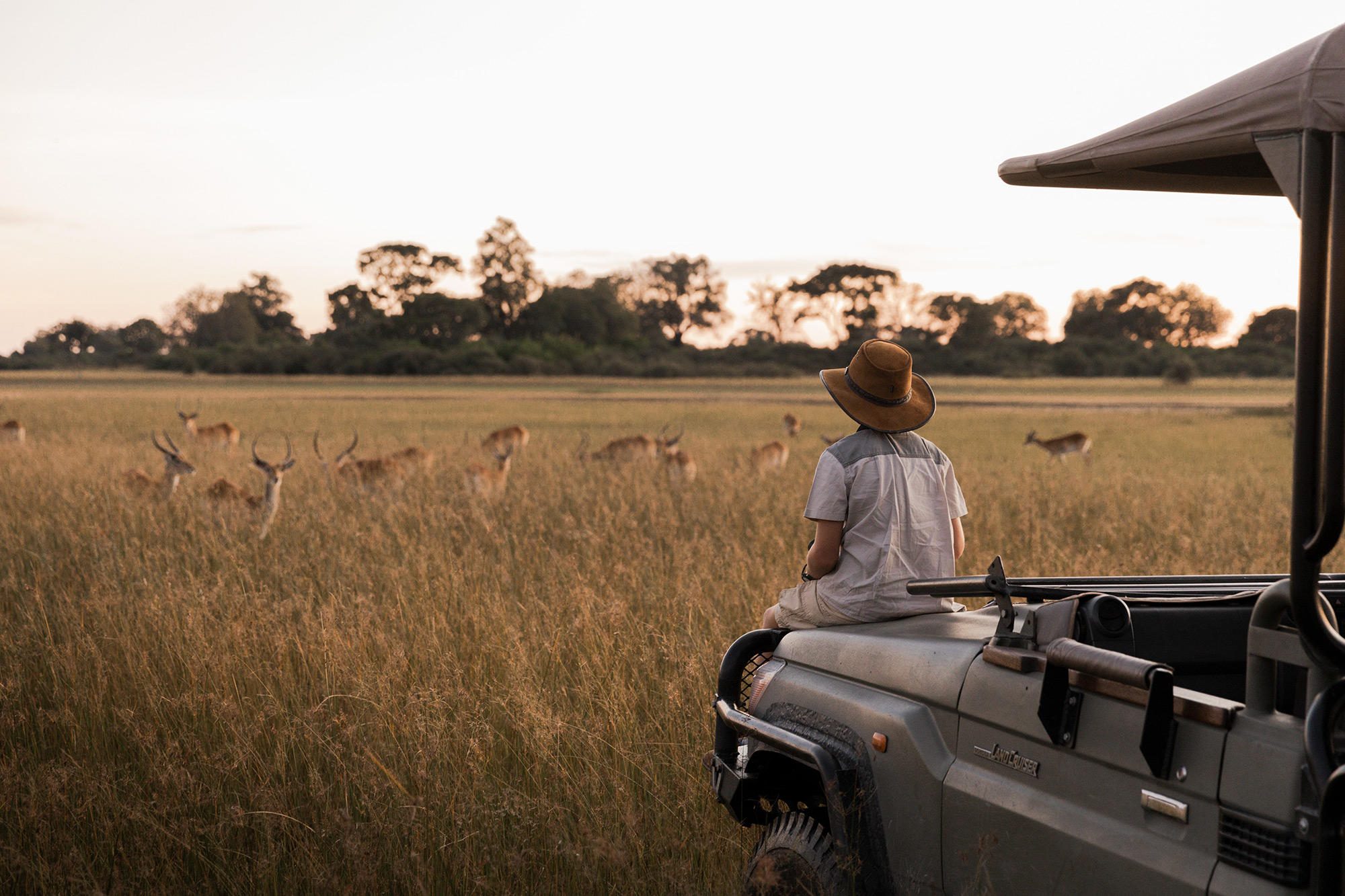
Pro Tip: Intersperse your itinerary with different modes of transport. Do two days of game drives, one day of boating, and perhaps a helicopter transfer. The change in perspective keeps the "safari fatigue" at bay for younger travelers.
Essential Preparation for 2026 Safaris
- The Two-Pairs Rule: Even if your lodge provides them, bring two pairs of high-quality, child-sized binoculars. There is nothing that causes a family rift faster than a child missing a rare bird sighting because Dad wouldn't hand over the glass.
- The "Secret Season": While June to October is the peak dry season, consider the "Green Season" (November to March). It’s more budget-friendly, the colors are vibrant for photos, and it’s the time of year when many animals have their young—a huge hit with kids.
- Connectivity: Warn the family (especially teens) that Wi-Fi is often restricted to the main lounge or non-existent. Frame this as a "Digital Detox" challenge.
FAQ
Is Botswana safe for a family safari? Yes, extremely. The main risks are environmental (sun, dehydration) and wildlife-related. Staying at reputable lodges with professional guides ensures that safety protocols are strictly followed. Always follow your guide’s instructions—they are the experts.
What is the best age for a child to visit the Okavango Delta? While many lodges accept children from age 6, I find that age 8 to 10 is the "sweet spot." At this age, children can better handle the long drives and are old enough to appreciate the educational aspects of the bush.
How do we handle the malaria risk? Most of Botswana is in a malaria zone. It is essential to consult a travel clinic well in advance. Lodges are very diligent about mosquito nets and sprays, but preventative medication is usually recommended for families.
Ready to Reconnect?
Botswana is not just a trip; it’s an investment in your family’s shared history. In 2026, as the world moves faster and becomes more digital, the vast, slow, and wild spaces of the Okavango and the Kalahari offer something priceless: the time to simply be together.