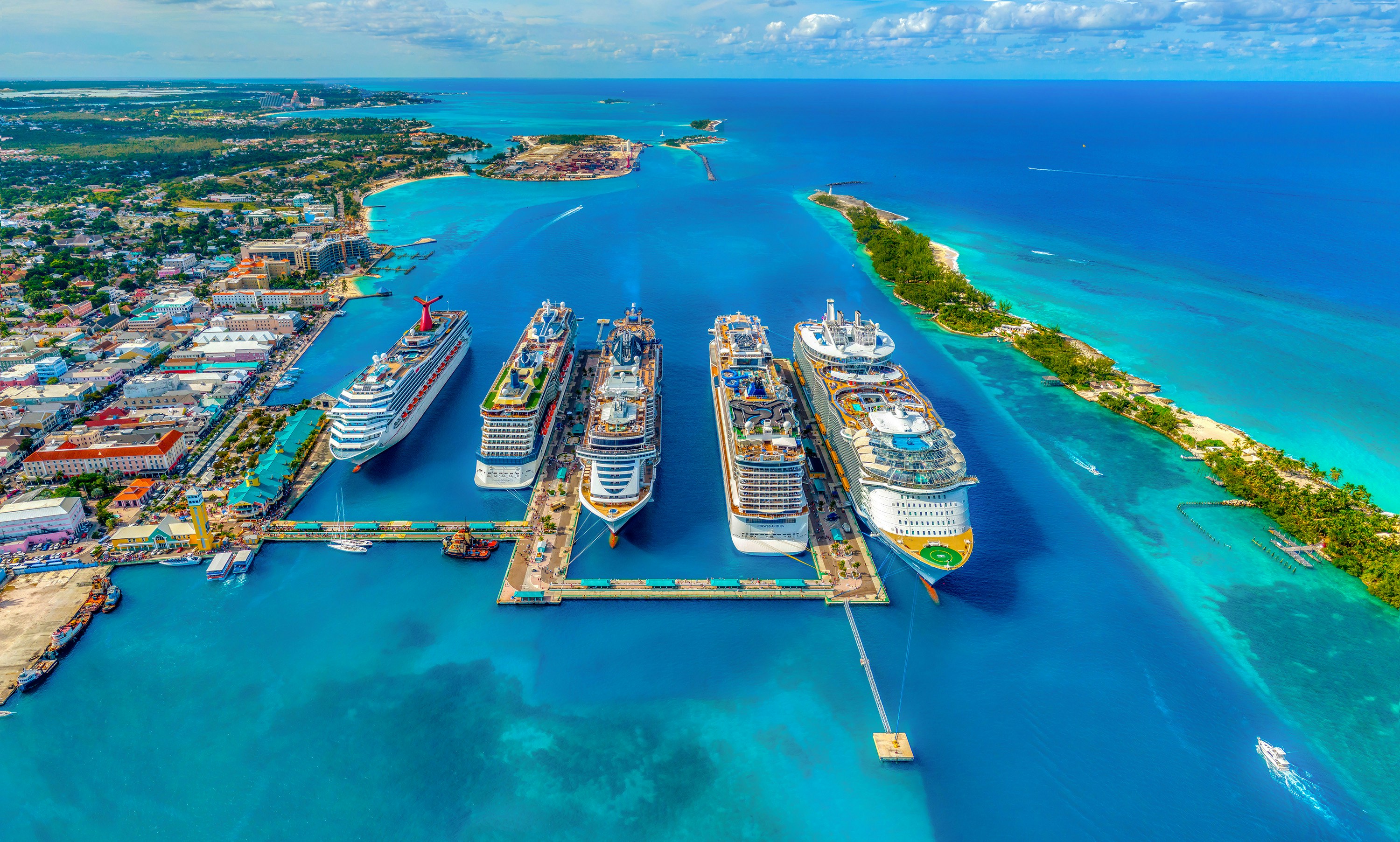
Quick Answer: In 2026, "all-inclusive" is a spectrum, not a guarantee. Truly all-inclusive lines like Regent Seven Seas and Silversea cover airfare, transfers, excursions, and premium beverages. Most mass-market lines (Royal Caribbean, Carnival) cover only basic meals and entertainment, where onboard spending often inflates the base fare by 40% to 60%. To avoid hidden fees, watch for new $150–$400 beach club passes, tiered Wi-Fi traps, and port tax surges.
The "vacation mode" mindset is a cruise line’s greatest financial asset. There is a specific psychological phenomenon that occurs the moment a passenger steps across the gangway: the "swipe and forget" culture. By decoupling physical currency from the experience—replacing cash with a plastic keycard or a wearable medallion—cruise lines have mastered the art of the frictionless transaction. In 2026, this has evolved further. We are seeing a strategic shift where the traditional a la carte model is being replaced by complex, tiered "bundles" that can make it nearly impossible to calculate the true cost of a voyage until the final bill slides under your stateroom door on the last night.
According to recent industry data, passengers on mass-market lines are now spending an average of 40% to 60% more than their initial cruise fare on "extras." Whether it is a $15 surcharge for a "premium" steak in a supposedly included dining room or a $30 daily fee for Wi-Fi that only works when the ship is at sea, the "nickel-and-diming" has become more sophisticated. As a travel critic, my role is to peel back these layers of marketing and show you where your money is actually going.
Decoding the Labels: What Does 'All-Inclusive' Actually Mean?
The term "all-inclusive" is one of the most abused phrases in the travel industry. To navigate the 2026 landscape, you must understand that the industry is strictly divided into three tiers of inclusion.
The Luxury Tier: The "Truly" All-Inclusive
If you want to walk off the ship without a single additional charge, you must look at the ultra-luxury segment. Lines like Regent Seven Seas and Silversea remain the gold standard. Their fares include:
- Roundtrip airfare (often in Business Class for higher suites).
- Private executive transfers from your home to the airport and ship.
- Unlimited shore excursions in every port.
- Premium spirits, fine wines, and champagnes.
- All gratuities and high-speed Wi-Fi.
While the "sticker price" for a 7-day Mediterranean sailing might look staggering—often $6,000 to $10,000 per person—the math often favors the traveler when compared to a premium line where every drink and tour is billed separately.
The Premium Tier: The "High Inclusions" Model
Lines such as Crystal, Seabourn, and Oceania occupy a middle ground. They offer an elevated experience with most amenities included, such as specialty dining and open bars. However, they frequently exclude shore excursions or airport transfers from the base fare. In 2026, we are seeing these lines move toward "choice" models, where you can opt-out of inclusions for a lower fare—a move that sounds consumer-friendly but often results in a higher total cost if you eventually decide to add those services back.
The Mass-Market Reality: The A La Carte Struggle
For Royal Caribbean, Carnival, and Norwegian Cruise Line (NCL), the base fare covers little more than your room, basic "buffet-style" meals, and theater entertainment. Everything else—from soda and specialty coffee to the fitness classes and the "dry" slides—can carry a price tag.
| Feature | Mass-Market (e.g., Carnival) | Premium (e.g., Oceania) | Luxury (e.g., Regent) |
|---|---|---|---|
| Base Fare | $800 - $1,500 | $2,500 - $4,500 | $6,000 - $12,000 |
| Beverages | Extra (approx. $60-$100/day) | Mostly Included | Fully Included |
| Wi-Fi | Extra (approx. $20-$30/day) | Included (Standard) | Included (Streaming) |
| Excursions | Extra ($75-$250 each) | Extra | Included |
| Gratuities | Extra ($16-$20/day) | Included | Included |
| Total Value | Low Transparency | Moderate Transparency | High Transparency |
The 2026 'Hidden Fee' Rewire: 5 Sneaky Costs to Watch
The cruise industry is currently undergoing a "pricing rewire." As base fares remain competitive to lure bookings, lines are finding creative new ways to extract revenue.
- The Beach Club Upcharge: In previous years, a visit to a cruise line’s private island (like Perfect Day at CocoCay) was largely "free." In 2026, the best parts of these islands are being gated. Access to "Branded Beach Clubs" or "Hideaway" zones now costs between $150 and $400 per person, per day. If you don't pay, you are relegated to the overcrowded public beaches.
- Tiered Wi-Fi Traps: Lines are moving away from flat-rate Wi-Fi. Many now offer "Basic" (email only) vs. "Premium" (streaming). However, a new 2026 trend is "port-day throttling," where speeds are intentionally slowed down when the ship is docked to encourage you to buy the ship’s expensive local data roaming packages.
- Micro-charges in "Included" Dining: Watch out for the "Blue Plate" surcharge. Even in the main dining room, which is supposed to be free, you may see items like "Chef's Selection Filet Mignon" or "Signature Lobster Tail" for a $15–$30 add-on.
- Port Tax Surges: Beyond Hawaii and the Caribbean, several European and Alaskan ports have introduced "Daily Passenger Levies." These are often calculated based on the number of days the ship is docked and are passed directly to the passenger, often appearing as a surprise "adjustment" on the final bill.
- Medical & Mobility Gating: New for 2026, some lines have introduced "administration fees" for processing specialized medical documentation or for the rental of required safety equipment for mobility-impaired guests if not booked through the ship’s preferred (and more expensive) vendors.
Pro-Tip: The "Magic Phrase" for Pricing When calling a cruise line or travel agent to book, always use this specific script to avoid hidden fees: "Can you provide the 'Gross Fare' inclusive of all port fees, taxes, non-optional gratuities, and the specific Wi-Fi tier required for video calls?" If they hesitate, they are likely hiding a secondary fee structure.
The Deposit Gamble: Saving 15% vs. Losing 100%
One of the most significant shifts in 2026 booking policies is the aggressive push toward non-refundable deposits. To keep their "from" prices low, cruise lines offer a discount—typically around 15%—if you agree to a non-refundable deposit.
Data shows that while this saves travelers an average of $300 per cabin on the initial booking, it carries a 100% loss risk. If you need to cancel for a reason not covered by basic insurance, that money is gone. In 2026, non-refundable is becoming the default setting on many booking engines. You must actively "opt-out" to get a refundable rate, which will immediately see the price jump. Unless you are booking less than 90 days before sailing, I strongly recommend paying the premium for the refundable option.
2026 Budget Hacks: How to Outsmart the Cruise Line
You do not need to book a $10,000 luxury cruise to avoid being nickel-and-dimed. You simply need to be more prepared than the cruise line's revenue management software.
Use Virtual SIMs vs. Ship Wi-Fi
Avoid the $30/day ship Wi-Fi for port days. Services like GigSky or Airalo allow you to download an eSIM that provides local data for as little as $5/GB. Many modern ships now have "Free Wi-Fi" zones in the port terminals—wait until you are off the ship to upload your photos.
The BYO Rule (Check the Fine Print)
Many lines still allow you to bring a limited amount of your own beverages. Royal Caribbean and Disney Cruise Line, for instance, allow two 750ml bottles of wine or champagne per stateroom. Some lines also allow a 12-pack of soda or canned water. Bringing these on board can save you upwards of $150 over a week-long sailing.
Third-Party Excursions
The cruise line will tell you that you "risk being left behind" if you don't book their tours. While true in theory, reputable third-party providers like Shore Excursions Group or TripAdvisor offer "Back to Ship" guarantees and are often 50% cheaper than the ship’s identical tours.
Leveraging the "Group Rate" Advantage
Booking through large-scale travel consortia or retailers like Costco Travel often provides "Shop Cards" or shipboard credit that offsets the cost of gratuities. Frequently, these agencies have "blocked space" on popular 2026 sailings, meaning they can offer a price lower than the cruise line's own website.
Choosing the Right Ship for Your Lifestyle
Ultimately, the best way to avoid hidden fees is to choose a ship that aligns with your spending habits.
If you are a family with children, a mass-market line like Royal Caribbean is often the best value, despite the potential for extras. Why? Because the "free" onboard activities—flow-riders, rock climbing, and massive water parks—are included. On a smaller, more "inclusive" ship, your children might be bored, leading you to spend more on external entertainment at each port.
Conversely, if you are a couple that enjoys three cocktails a day, a specialty coffee in the morning, and at least two guided tours per week, the "expensive" Regent Seven Seas cruise may actually be $500–$1,000 cheaper than a "budget" cruise once all those add-ons are tallied.
FAQ
Q: Are drink packages always worth the cost? A: Rarely. On most mass-market lines in 2026, you need to consume 6–9 alcoholic drinks per day just to break even. If you are a light drinker or spend most of your time in port, you are better off paying by the drink.
Q: Does "all-inclusive" include the medical center? A: Almost never. Even on ultra-luxury lines, shipboard medical consultations and medications are billed separately and can be extremely expensive. Always carry independent travel insurance that includes "Primary" medical coverage.
Q: Can I remove the automatic gratuities from my bill? A: While most lines allow you to adjust or remove gratuities at the guest services desk, it is socially discouraged as it impacts the crew’s base pay. A better strategy is to choose a line like Virgin Voyages or Silversea where gratuities are already built into the fare.
The "all-inclusive" dream is still alive in 2026, but it requires a discerning eye. Don't be seduced by a low lead-in price; instead, look at the "Total Cost of Vacation." In the world of high-seas travel, the most expensive cruise is often the one that looked the cheapest on the day you booked it.