I’ve spent the better part of a decade navigating the striated sandstone of the American Southwest, and I’ll tell you right now: the Zion National Park I fell in love with ten years ago isn’t the one you’ll find today if you just show up and hope for the best. With the park now attracting an average of 5 million visitors per year, the experience has shifted from a quiet wilderness trek to something resembling a high-stakes logistics operation. If you hit the park entrance at 10:00 a.m. without a plan, you aren’t exploring nature—you’re standing in a shuttle line.
But here is the secret the crowds don’t want you to know: Zion is still magical, provided you know where the park boundaries blur and when the "theme park" gates actually close. To experience the vermilion cliffs like a local in 2026, you have to stop thinking like a tourist and start thinking like an expeditionist.
Quick Facts: The 2026 Zion Cheat Sheet
| Category | Requirement / Stat |
|---|---|
| Peak Congestion | Daily between 9:00 a.m. and 3:00 p.m. |
| Shuttle Dates | March through late November (Mandatory) |
| Angels Landing | Permit required (Lottery 1–3 months in advance) |
| 2026 International Fee | $100 per vehicle (Single entry) |
| Intl. Annual Pass | $250 (Recommended for multi-park trips) |
| Tunnel Rerouting | Begins June 7, 2026 for oversized vehicles |
The Core Strategy: How to Outsmart the 5 Million
If you want the "insider" version of Zion, you need to commit to one of two paths. First, the Winter Pivot: The absolute best time to avoid crowds is during the winter months from December to February. This is the only time the shuttle service pauses, allowing you to drive your own vehicle into the main canyon. Imagine having a private view of the Great White Throne with a dusting of snow on the peaks and zero idling diesel buses.
Second, the Geographic Pivot: To escape the masses in the main Zion Canyon, head to the Kolob Canyons or Kolob Terrace sections. These areas provide the same jaw-dropping red rock vistas but receive only a fraction of the foot traffic. While 90% of visitors are fighting for a spot in the Narrows, you could be scrambling up North Finger in near-total solitude.
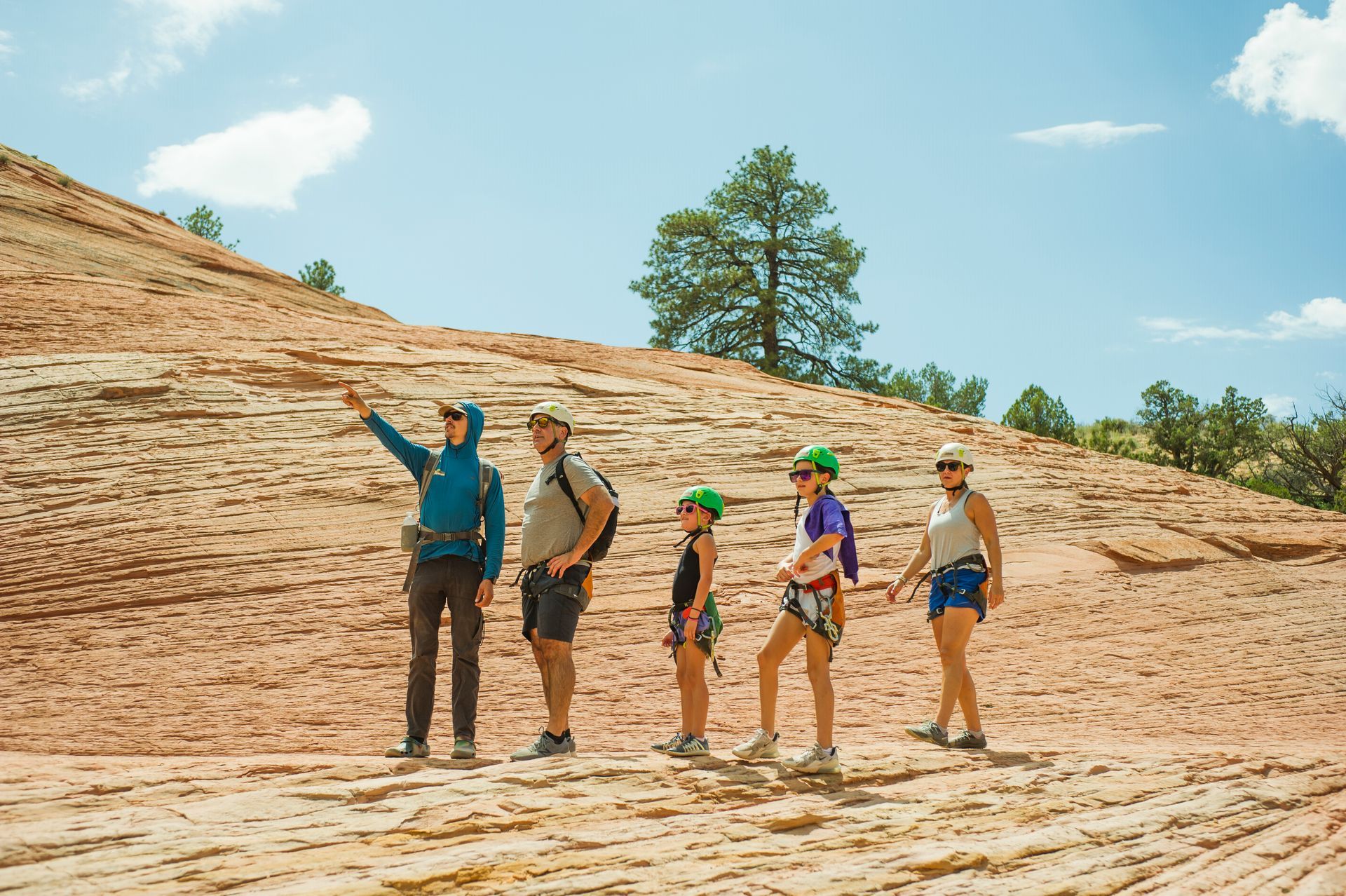
Lastly, the Permit Pivot: If you have your heart set on the chains of Angels Landing, you can no longer "wing it." In 2026, you must secure a permit via the seasonal lottery system 1 to 3 months in advance. If you missed that window, there is a day-before lottery, but the odds are slim. Your best bet? Hire a local guide service. Professional outfitters often have specialized access or can help you pivot to equally spectacular, non-permitted ridges that the "bucket-list" crowds don’t even know exist.
Check Angels Landing Lottery Dates →
The New 2026 Rulebook: Permits, Fees, and Tunnels
Zion is evolving, and the 2026 regulations are the strictest we’ve seen yet. If you haven't visited since 2020, forget what you know.
The International Surcharge For our global readers, take note: the 2026 International Fee Structure has officially shifted. A single-vehicle entry for non-U.S. residents is now $100. If you are planning to hit the "Grand Circle" (Zion, Bryce, Arches, Canyonlands), I strongly suggest the $250 International Annual Park Pass. It covers your vehicle and all passengers for a full year and pays for itself after just three park visits.
The Tunnel Bottleneck The historic Zion-Mount Carmel Tunnel is undergoing a major logistics shift. Starting June 7, 2026, new rerouting protocols for oversized vehicles (RVs, campers, and large trailers) will be in effect to reduce the multi-hour wait times at the tunnel mouth. If you’re driving a rig, check the daily "Tunnel Clock" on the park’s app before you leave Springdale, or you’ll find yourself turned around at the kiosk.
Mandatory Shuttles The Zion Canyon Scenic Drive—the vein that leads to the Temple of Sinawava—is restricted to shuttle-only access for approximately 9 months of the year, typically from March through late November. If you’re visiting during this window, your "local" move is to be on the very first shuttle at 6:00 a.m. (or earlier, depending on the season). If you aren't at the visitor center while the stars are still out, you're already behind.
Timing the Canyon: Your Watch is Your Best Partner
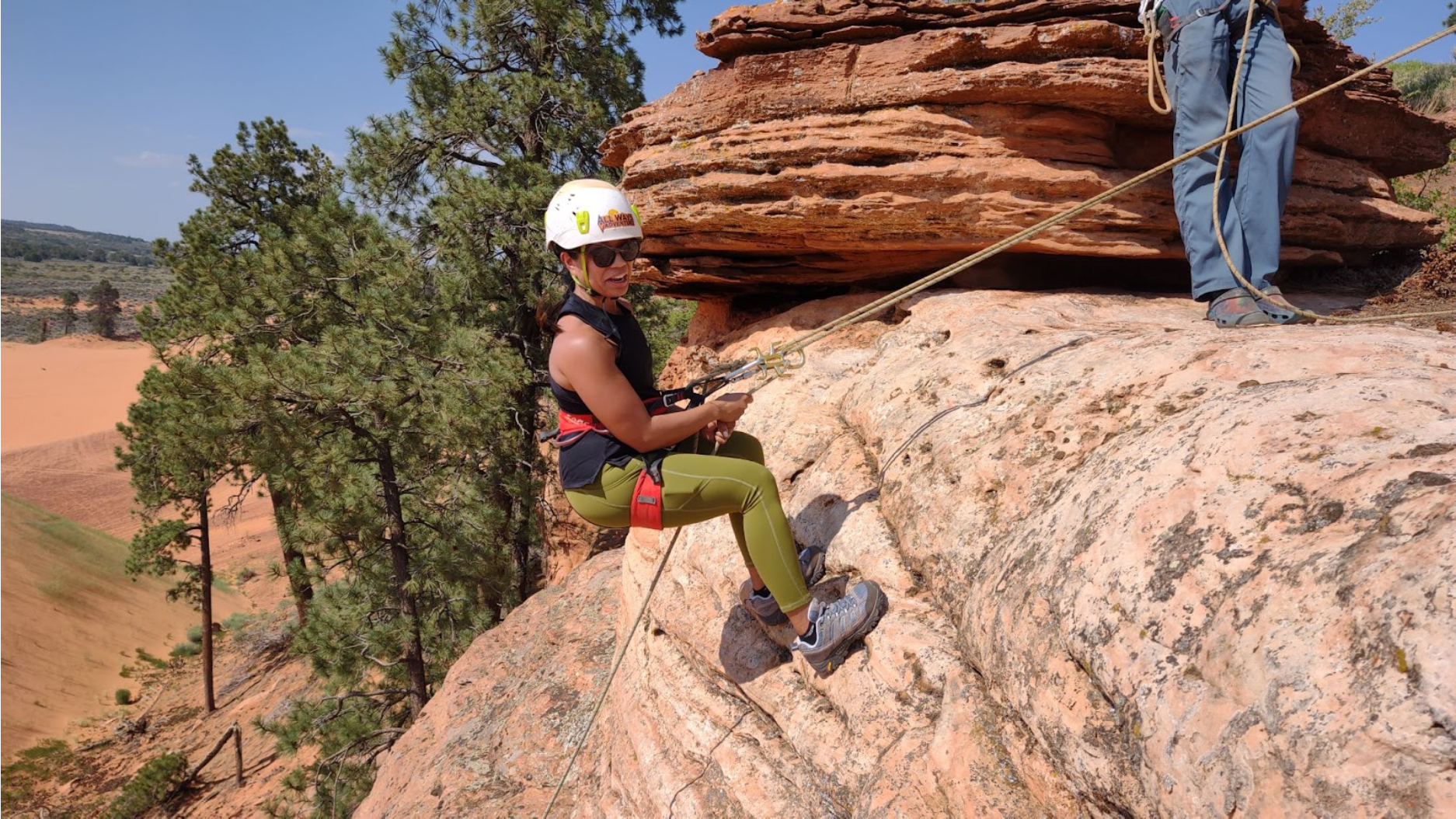
In Zion, timing isn't just about lighting; it's about survival. I’ve seen hikers head into the Narrows at 1:00 p.m. only to be caught in the heat and the mid-day "Disney" rush.
Marcus’s Pro-Tip: The "Golden Hour" in Zion isn't just about photography; it's the hour before the shuttles start and the hour after they stop. If you have a bike (or rent an e-bike in Springdale), you can enter the canyon at 5:30 a.m. and have the road—and the sunrise—entirely to yourself.
If you aren't an early bird, consider the Stargazer Strategy. Most tourists clear out by 6:00 p.m. to find dinner in Springdale. This is when I head to the Pa’rus Trail. It’s paved, easy, and offers an unobstructed view of the Watchman as the sky turns into a velvet blanket of stars. Since Zion is a certified International Dark Sky Park, the celestial show is often better than the daytime views.
Beyond Zion Canyon: The Trails Locals Actually Hike
When I want to feel the raw power of Utah without the selfie sticks, I head North.
Kolob Canyons (The North Entrance)
Located 40 minutes north of the main south entrance, Kolob Canyons is the park's best-kept secret. These are high-alpine red rocks, where the cliffs are even more vertical and the air is noticeably cooler. There are no buses here. You drive the 5-mile scenic road and hike the Taylor Creek Middle Fork trail to see double arch alcoves that will make you forget about the main canyon entirely.
Canyon Overlook Trail
If you want the "Angels Landing View" without the 1,500-foot drop-offs and the three-hour wait, head to the East Side. Just past the tunnel, the Canyon Overlook Trail is a 1-mile round trip that delivers a spectacular panorama of the lower Zion Canyon. It’s high-reward, low-risk, and perfect for a sunrise coffee.
Observation Point via East Mesa
This is the ultimate "cheat code." While the traditional trail from the canyon floor is often closed due to rockfalls, you can access Observation Point from the "top-down" via the East Mesa Trail. You start at a higher elevation, hike through a ponderosa pine forest, and end up at a viewpoint that is actually higher than Angels Landing. You’ll look down on the hikers at Angels Landing like they’re ants.
Real Risks: It’s Not Just About the Views
I’ve seen too many "ego" rescues in Zion. This terrain is gorgeous, but it’s indifferent to your fitness level.
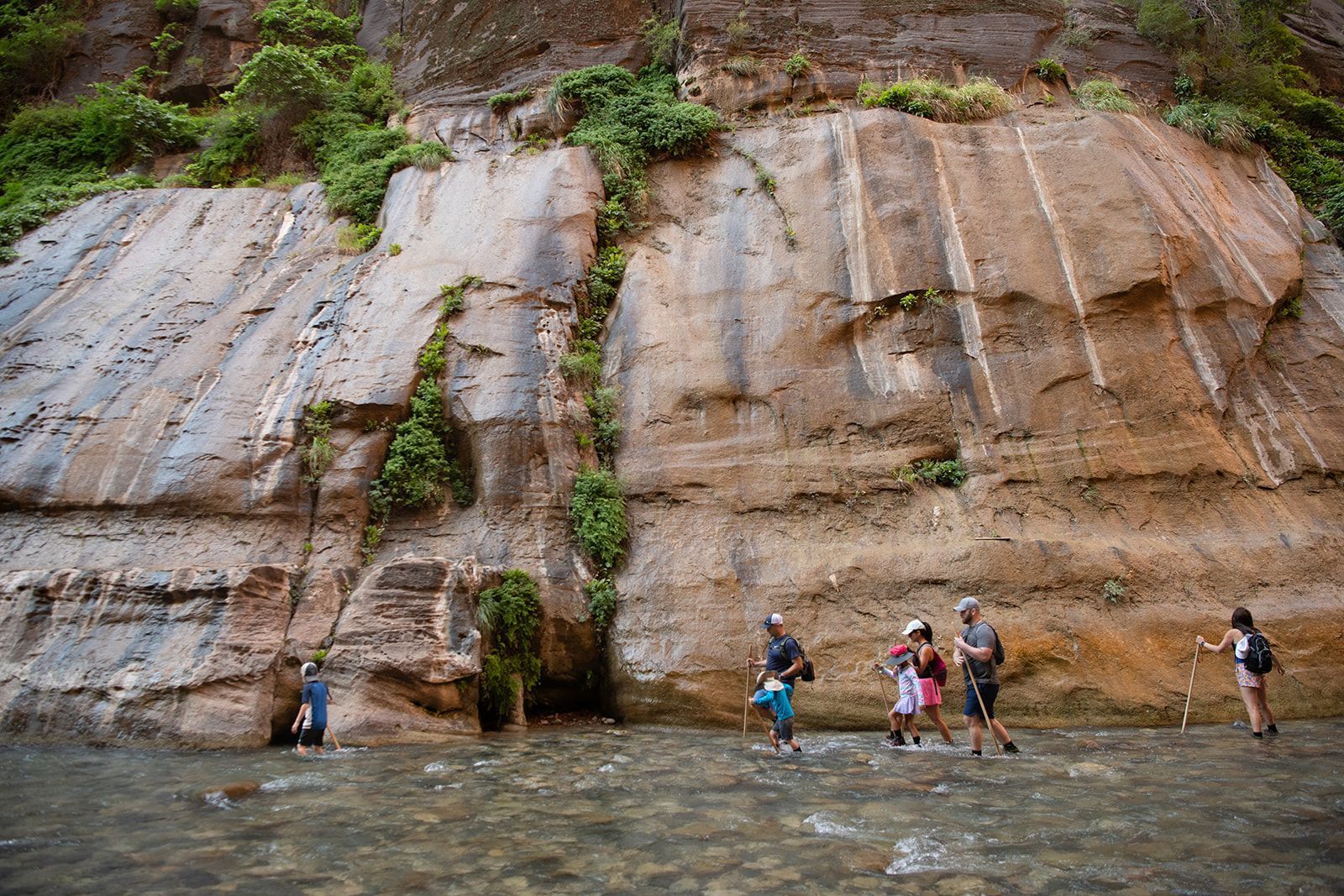
- Flash Flood Season (July-September): Monsoon season is no joke. A storm 20 miles away can send a wall of water down The Narrows in minutes. If the park service says "Caution," it means stay out. I never enter a slot canyon if there is even a 20% chance of rain in the regional forecast.
- The Heat & Altitude: Zion’s floor is at 4,000 feet, and the rims are much higher. You will dehydrate faster than you realize. I carry a minimum of 2 liters of water and electrolyte tablets for even "short" hikes.
- The Ego Factor: About 90% of search-and-rescue incidents in Zion are caused by overconfidence. Respect the heat, respect the chains on Angels Landing, and know your limits. There is no shame in turning back if the vertigo hits.
Logistics & Basecamps: Where to Stay
Choosing where to sleep will dictate your entire experience.
- Springdale: It’s the gateway. You can walk or take a town shuttle to the park entrance. It’s incredibly convenient but expect to pay a premium. It’s the "luxury" basecamp.
- Hurricane & La Verkin: About 20 minutes away, these towns offer budget-friendly hotels and local diners. You’ll save roughly 40% on lodging, which pays for your park pass and a few rounds of local craft beer.
- Kanab: This is my personal favorite. Known as "Little Hollywood," Kanab is about an hour from Zion's east entrance. Staying here allows you to pivot between Zion, Bryce Canyon, and the North Rim of the Grand Canyon with ease.
If you're looking for something more rugged, look into glamping options along Kolob Terrace Road. There are several boutique canvas-tent setups that offer the "outdoors" experience with a real mattress—perfect for resting your legs after a 12-mile day.
FAQ: Zion 2026
Q: Do I really need a permit for the Narrows? A: Not for the standard "bottom-up" hike from the Temple of Sinawava. However, if you plan on hiking the full 16 miles "top-down" as an overnight trip, you definitely need a wilderness permit.
Q: Is the $250 International Pass worth it for just one park? A: If you are only visiting Zion, no—stick to the $100 entry. But if you are visiting more than two U.S. National Parks (like Bryce and the Grand Canyon), the International Annual Pass is a massive money-saver.
Q: What happens if I show up to the tunnel in an RV after June 7, 2026? A: You will be subject to the new "timed-entry" rerouting. Expect to be staged in a holding area until a specific window opens for oversized vehicle passage. Plan for an extra 45–60 minutes of travel time.
Ready to Crunch Some Sandstone?
Zion is a masterpiece of geology, but in 2026, the masterpiece is crowded. To see the "real" park, you have to be willing to wake up earlier, drive a little further north, and respect the lottery systems that keep the park sustainable.
Grab your boots, pack more water than you think you need, and I’ll see you at the trailhead—hopefully at 5:45 a.m.