To drive the Sea-to-Sky Highway is to trace a ribbon of asphalt between the churning emerald of the Salish Sea and the jagged, snow-dusted peaks of the Coast Mountains. Most travelers see it as a mere corridor to the alpine playgrounds of Whistler, a scenic route of breathless vistas and hairpin turns. But for those who look closer—who read the signs and listen to the wind through the Douglas firs—the journey reveals a far deeper narrative. This is a landscape where the ancient and the modern do not merely coexist; they are being painstakingly rewoven.
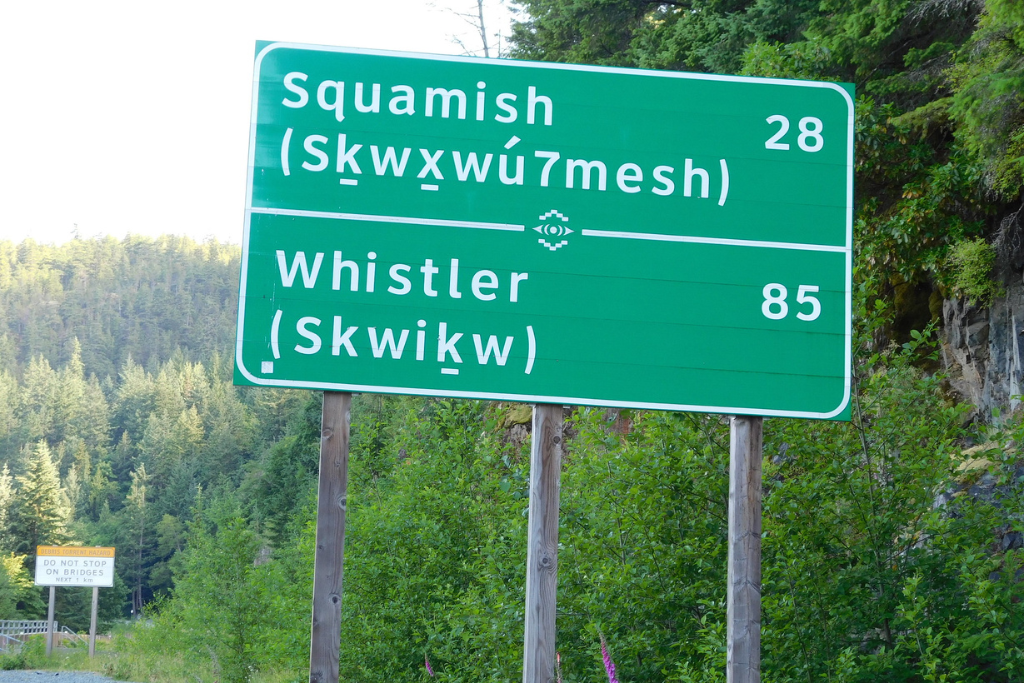
As you depart the glass skyline of Vancouver (K’emk’emeláy̓) and head north on Highway 99, you will notice something distinct about the road signs. Alongside the English names are the lyrical, consonant-rich words of the Sḵwx̱wú7mesh (Squamish) and Lil̓wat7úl (Lil’wat) peoples. You’ll see the numeral ‘7’ appearing in names like Sḵwx̱wú7mesh. Far from a typo, the ‘7’ represents a glottal stop—a rhythmic pause in the breath, essential to the local First Nations languages. These dual-language signs are a visual heartbeat, a constant reminder that this land has been stewarded for millennia by the original inhabitants, and that your road trip is moving through unceded traditional territories.
Vancouver: Where the Journey Begins
The cultural immersion begins before you even leave the city limits. Vancouver is a culinary crossroads, but for a true taste of the land, one must visit Salmon n’ Bannock Bistro. As British Columbia’s only First Nations fine-dining establishment, it serves as a sensory introduction to the region. The air here smells of toasted grain and sage. Do not miss the signature Sockeye salmon paninis or the bison back ribs, glazed in a rich, dark berry reduction that tastes of the forest floor.
Direct Answer: For travelers seeking an authentic culinary connection, Salmon n’ Bannock offers a sophisticated exploration of Indigenous ingredients, while Talaysay Tours provides "Talking Trees" walks in Stanley Park to understand the medicinal and spiritual uses of local flora.
A short drive away, Stanley Park offers more than just seawall views. Joining a "Talking Trees" tour with Talaysay Tours transforms a simple walk into an ethnobotanical masterclass. Your guide, often a member of the Squamish or Shíshálh Nations, will point out how the western red cedar—the "Tree of Life"—was used for everything from massive seafaring canoes to delicate waterproof clothing.
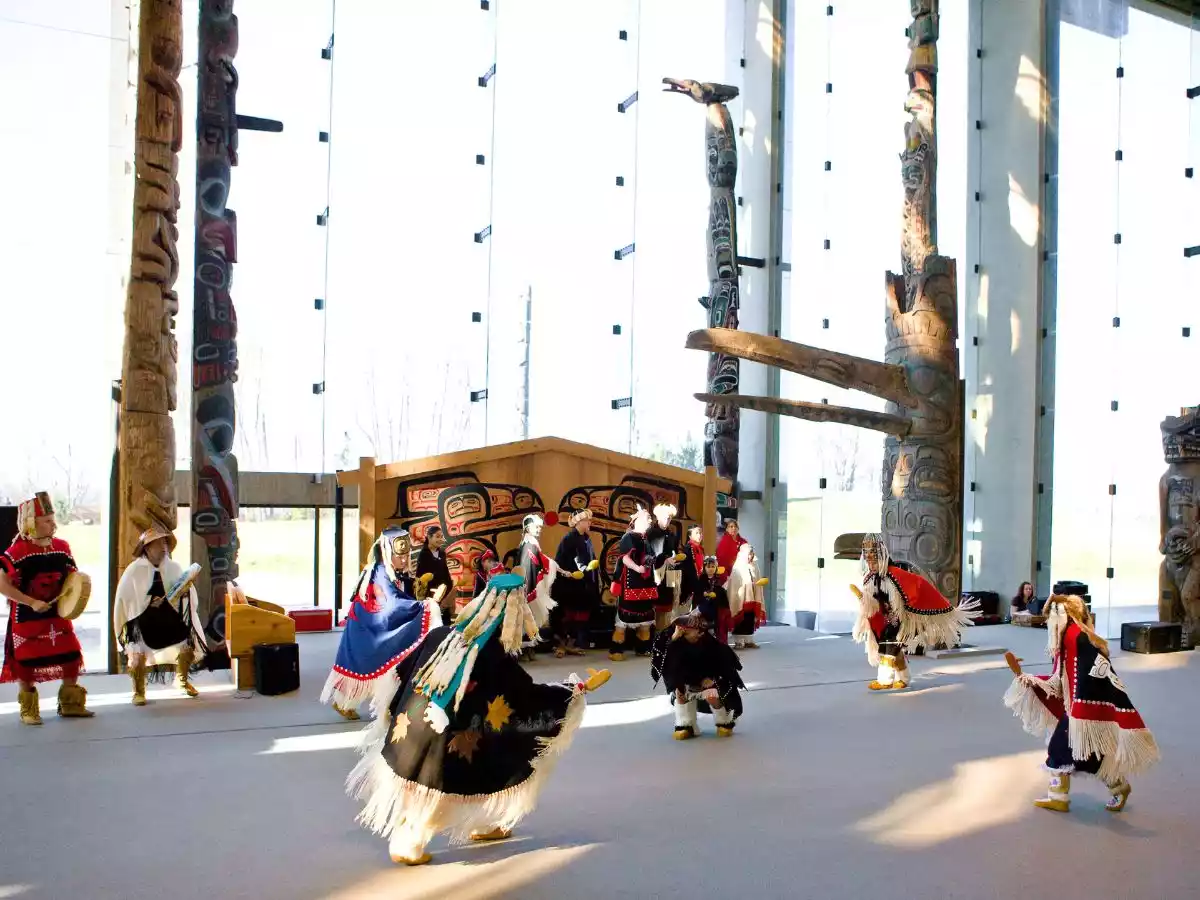
Before heading north, spend an afternoon at the Museum of Anthropology (MOA) at UBC. Here, the soaring glass walls house monumental totem poles and the legendary 29-foot Bill Reid canoe. It is a place of quiet power, where the craftsmanship of the Haida and Coast Salish peoples tells stories of lineage, transformation, and resilience.
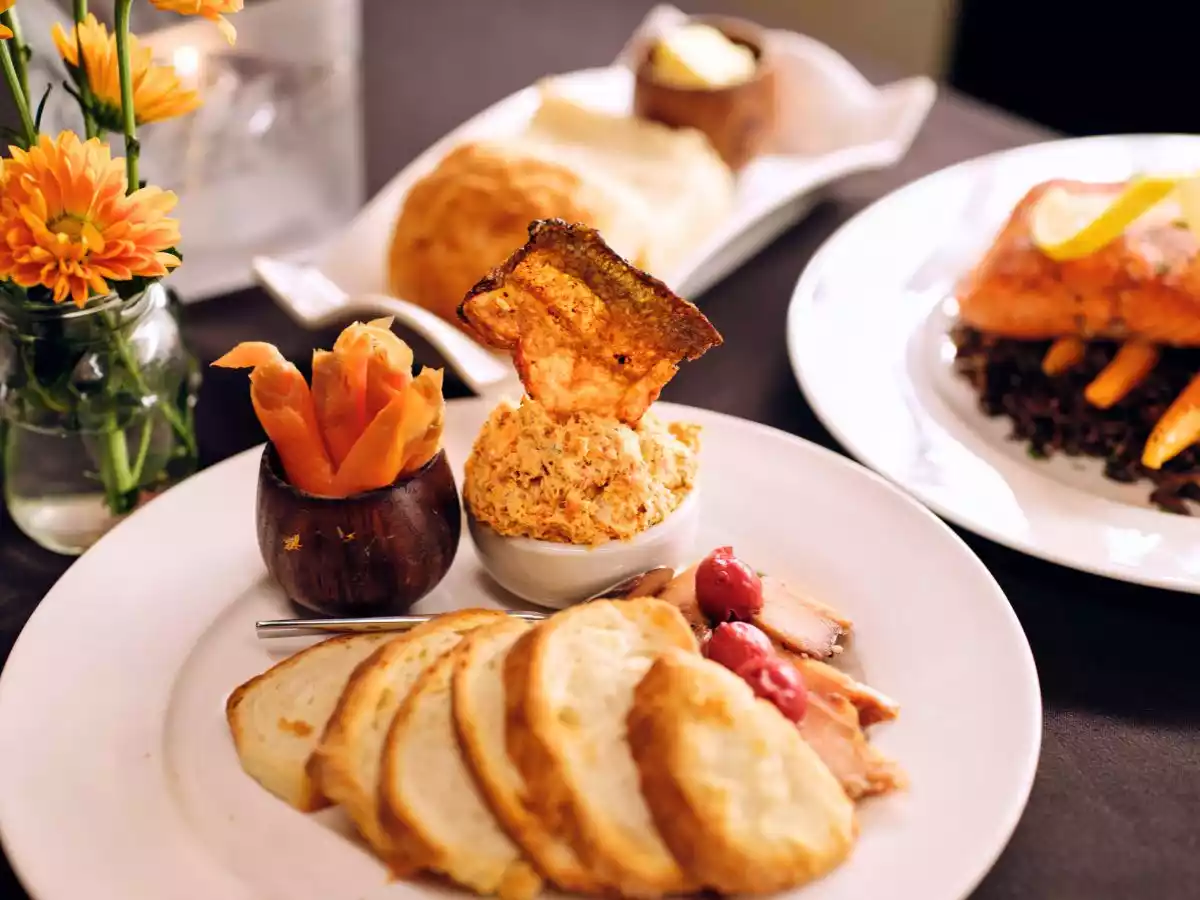
Book a Table at Salmon n' Bannock →
The Drive: Squamish and the Sacred Water
As the highway hugs the coastline of Howe Sound (Átl’ḵa7tsem), the mountains begin to crowd the horizon. You are entering the heart of Sḵwx̱wú7mesh territory. The town of Squamish is guarded by the Stawamus Chief (Siám’ Smánit), a massive granite monolith that is both a world-class climbing destination and a sacred spiritual site.
In 2024, the opening of Sp’akw’us Feather Park added a new dimension to the Squamish waterfront. This 11-acre reclaimed oceanfront space is a triumph of Indigenous-led design. Walking through the cultural gardens, you’ll encounter art installations created in collaboration with local Indigenous youth, depicting the sp’akw’us (bald eagle) and the salmon that sustain this ecosystem.
For those who wish to experience the water as the Coast Salish have for generations, Takaya Tours offers traditional canoe excursions. Paddling a massive cedar-style canoe through the Burrard Inlet or the waters near Squamish, accompanied by traditional songs and legends, offers a perspective of the coastline that no car window can provide. It is a rhythmic, meditative experience that grounds you in the flow of the tides.
Linguistic Guide: Reading the Land
| English Name | Indigenous Name | Meaning / Pronunciation Tip |
|---|---|---|
| Squamish | Sḵwx̱wú7mesh | Skwah-mish (The '7' is a quick stop in the throat) |
| Whistler | Sḵwú7mesh / L̓il̓wat7úl | A shared territory of the two nations |
| Mount Garibaldi | Nch’ḵay̓ | N-ch-kay (The Great Peak) |
| Howe Sound | Átl’ḵa7tsem | At-kat-sum |
Whistler: The Heart of Two Nations
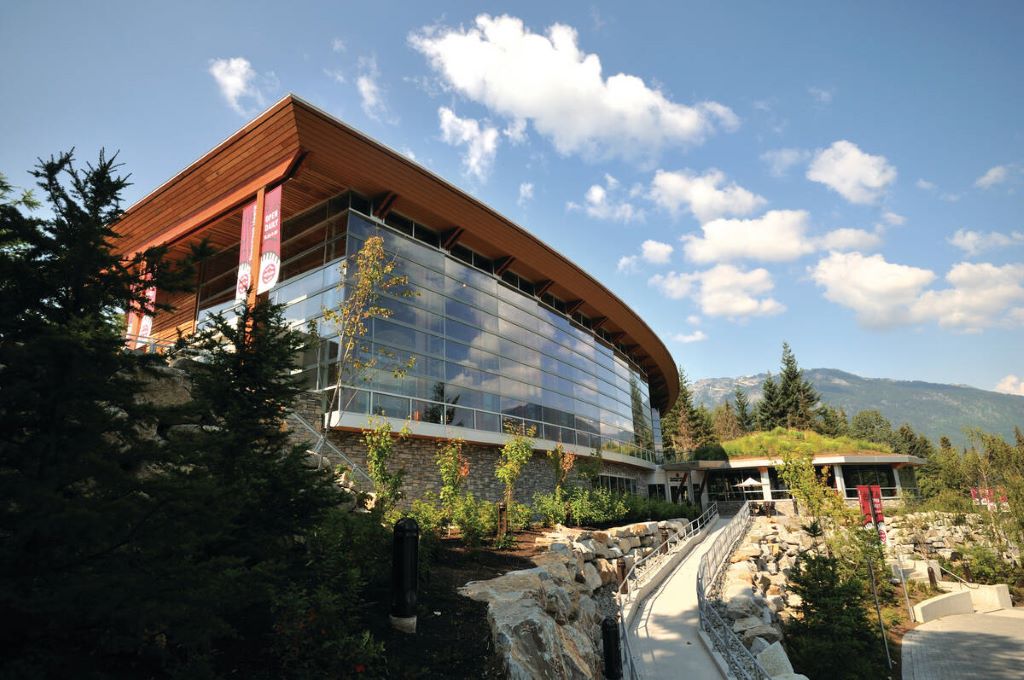
Arriving in Whistler, the air grows crisp, scented with subalpine fir. While the world knows this place for its 8,100 skiable acres—all of which sit on the unceded traditional territories of the Lil̓wat7úl and Sḵwx̱wú7mesh peoples—the true soul of the village is the Squamish Lil’wat Cultural Centre (SLCC).
The SLCC is an architectural marvel designed to evoke both a Squamish Longhouse and a Lil’wat Istken (earthen dwelling). Upon entering, you are greeted with a traditional song and the heartbeat of a drum. The Great Hall, with its floor-to-ceiling windows looking out toward the mountains, houses masterfully carved canoes and weaving.
Direct Answer: The Squamish Lil’wat Cultural Centre (SLCC) in Whistler's Upper Village is the premier destination for First Nations culture. It offers guided "What We Treasure" tours, live craft demonstrations, and a distinct culinary experience at the Thunderbird Café.
After exploring the exhibits, stop at the Thunderbird Café. Here, the menu reflects the flavors of the land: bannock tacos topped with local venison or wild salmon chowder that warms the soul after a morning in the mountains.
Whistler’s commitment to Indigenous visibility extends to the very peaks of the mountains. If you ride the PEAK 2 PEAK Gondola, look for the special "Gondola Gallery" cabins. These feature stunning, full-wrap artwork by Indigenous artists like Levi Nelson and Chief Janice George, turning a mountain transit into a floating art gallery.
Visit the Squamish Lil’wat Cultural Centre →
Immersive Stays: Connecting with the Land
To truly absorb the spirit of the Sea-to-Sky, consider a stay that prioritizes cultural connection. For those willing to venture slightly further afield or seeking a more secluded experience, the Klahoose Wilderness Resort in Desolation Sound offers an off-grid, Indigenous-owned sanctuary. Here, the days are measured by the tides and the stories shared around the evening fire.
If you prefer to stay in the heart of Whistler, the Four Seasons Resort Whistler partners with the SLCC to offer guests guided tours and cultural workshops. Even their spa treatments incorporate local wisdom, using Sḵwálwen Botanicals—a luxury Indigenous skincare line that harvests plants like sage, rosehip, and nettle according to traditional protocols.
Practical Tips for Respectful Exploration
Exploring Indigenous culture requires a mindset of "Visiting Well." This means moving through the land with respect and an open heart.
- When to Visit: Summer (July–August) is spectacular for cultural festivals, such as the Squamish Arts Festival. However, winter offers a unique stillness at the SLCC, and the Indigenous art on the mountains stands out brilliantly against the white snow.
- The 7 Affirmations: The Sea-to-Sky region encourages travelers to follow the '7 Affirmations for 7 Generations' regional pledge. This involves traveling sustainably, respecting wildlife, and acknowledging the deep history of the First Nations stewards.
- Photography: Always ask for permission before photographing cultural performances or individual artists at work.
FAQ
What does the '7' mean on the road signs in British Columbia? The '7' is a phonetic symbol used in the Sḵwx̱wú7mesh sníchim (Squamish language) to represent a glottal stop. It sounds like the pause in the middle of the English expression "uh-oh." Its inclusion on Highway 99 signs is part of a broader effort toward linguistic revitalization and reconciliation.
Do I need a ticket for the Squamish Lil’wat Cultural Centre? Yes, admission tickets are required and include a guided tour, a short film, and access to all galleries. It is recommended to book in advance during peak summer and winter seasons.
Are these experiences family-friendly? Absolutely. Places like the SLCC and the Talaysay "Talking Trees" tours are incredibly engaging for children, offering hands-on learning about nature, art, and storytelling.
Start Your Journey
The Sea-to-Sky Highway is more than a road; it is a bridge between worlds. By taking the time to stop, taste, and listen, you transform a scenic drive into a profound cultural journey. Are you ready to discover the stories etched into the mountains?