Quick Facts
- Total Coastline: 3,478 miles of tidewater coastline, including jagged peninsulas and hidden coves.
- Inland Waters: Home to over 6,000 lakes and ponds, offering a unique blend of maritime and freshwater environments.
- The Ultimate Destination: Acadia National Park, featuring Cadillac Mountain (1,530 ft), the highest point on the North Atlantic coast between the U.S. and Rio de Janeiro.
- Recommended Duration: 9 days for a comprehensive 3-region road trip.
- The "Sunrise" Claim: Between October and March, Cadillac Mountain is the first place in the United States to see the sun rise.
There is a long-standing adage among Northeastern travelers: there is New England, and then there is Maine. While its neighbors offer rolling greens and white-steepled villages, Maine provides something more primal—a rugged, granite-strewn frontier where the Atlantic doesn't just meet the shore; it commands it. To truly understand this landscape, one must look beyond the postcard-perfect lighthouses. This is a state defined by its 3,478 miles of tidewater coastline and an interior spirit fueled by over 6,000 lakes and ponds.
A Maine coast road trip is a journey of transitions. It begins with the soft, sandy horizons of the Southern Coast, moves through the sophisticated, salt-sprayed culinary hub of Portland, and finally culminates in the dramatic, shingle-style wilderness of the Mid-Coast and Acadia National Park. Planning this route requires an appreciation for the "slow-burn" charm of the North; it is a drive best taken with the windows down and a map that allows for frequent, unplanned detours into lobster shacks and hidden nature preserves.
Region 1: The Southern Coast – Sandy Beaches and Historic Charm
The journey begins just after Interstate 95 crosses the Piscataqua River from New Hampshire into Kittery. This region serves as the state’s front porch, characterized by expansive sandy beaches that feel world’s away from the rocky crags further north. Towns like Ogunquit and Kennebunkport offer a polished version of the Maine experience, where historic sea captains' mansions have been meticulously preserved as luxury inns.
Ogunquit, which means "beautiful place by the sea" in the indigenous Abenaki language, lives up to its name. The centerpiece of any visit here is the Marginal Way, a 1.25-mile paved cliff walk that meanders between the town’s center and the fishing cove of Perkins Cove. As you walk, the scent of wild rugosa roses mixes with the bracing Atlantic air, offering a sensory introduction to the state's natural beauty.
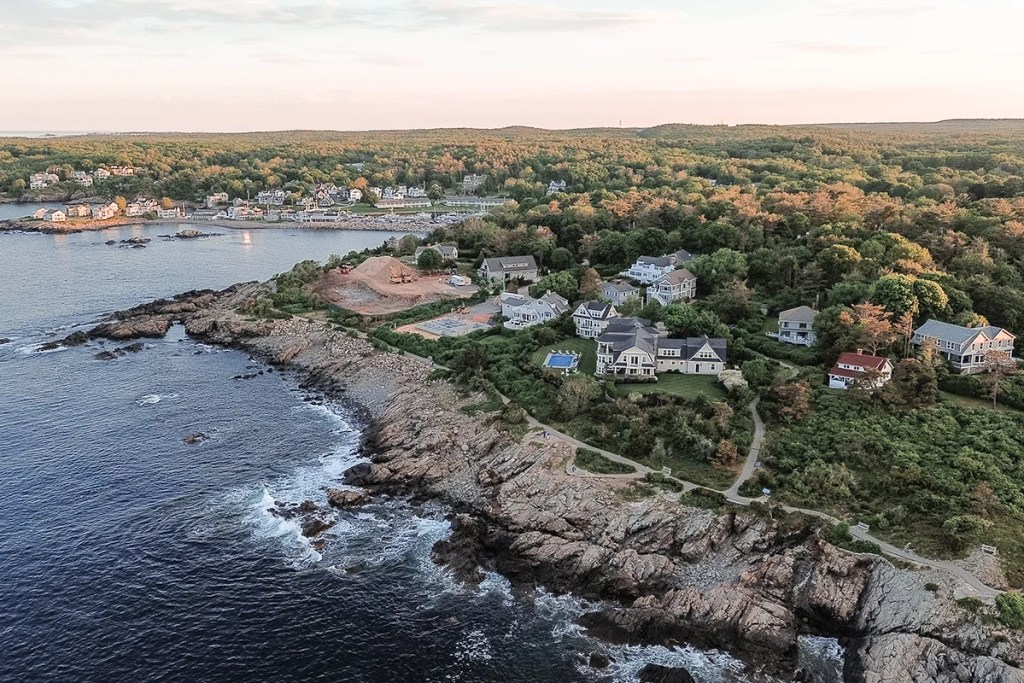
For those seeking a more secluded experience, the Rachel Carson National Wildlife Refuge offers miles of hiking trails through salt marshes and estuaries. It is a vital reminder of the delicate ecosystems that define this coastline. When it comes to lodging, the region offers two distinct flavors of Maine hospitality:
- Cliff House Maine (Cape Neddick): Perched atop Bald Head Cliff, this resort offers modern luxury with panoramic ocean views that are unrivaled in the region.
- Nonantum Resort (Kennebunkport): A historic gem on the Kennebunk River that captures the classic "summer colony" vibe of the late 19th century.
Pro Tip: Parking in Kennebunkport’s Dock Square can be notoriously difficult during peak summer months. Aim to arrive before 10:00 AM, or better yet, stay at an inn within walking distance and explore the boutiques and galleries on foot.
Region 2: Portland – The Northeast’s Premier Foodie Hub
Continuing north, the landscape begins to shift as you enter Portland, Maine’s largest city and arguably the most influential culinary destination in the Northeast. Portland manages a rare feat: it feels like a bustling international port while maintaining the intimacy of a neighborhood town. The heart of the city is the Old Port, where cobblestone streets are lined with 19th-century brick buildings that house James Beard Award-winning restaurants and independent bookstores.
Portland’s food scene is built on a foundation of hyper-local sourcing. Here, the "farm-to-table" ethos is not a marketing slogan but a way of life, dictated by the seasons of the Atlantic and the surrounding farmland. From the legendary brown butter lobster rolls at Eventide Oyster Co. to the Belgian fries cooked in duck fat at Duckfat, the city is a pilgrimage site for anyone who takes flavor seriously. For a truly local morning ritual, wait in line for a potato-based donut from The Holy Donut—the dark chocolate sea salt is a revelation.

A Guide to Portland Dining: Casual vs. Fine Dining
| Experience Type | Recommended Spot | Signature Dish/Feature |
|---|---|---|
| Casual/Iconic | The Holy Donut | Potato-based donuts (Dark Chocolate Sea Salt) |
| Gourmet Casual | Duckfat | Hand-cut fries fried in duck fat with truffle mayo |
| Seafood Modern | Eventide Oyster Co. | Brown Butter Lobster Roll on a steamed bao bun |
| Upscale/Historic | Fore Street | Wood-fired heritage meats and local seafood |
| Refined Coastal | Scales | Pan-seared scallops with seasonal local greens |
Beyond the plate, Portland offers a gateway to the islands of Casco Bay. A ride on the Casco Bay Ferry to Peaks Island provides a stunning perspective of the city skyline and the surrounding lighthouses. For those who prefer land-based exploration, the West End neighborhood offers a quieter look at the city’s Victorian architecture. Stay at Blind Tiger, a guest house that embodies the city’s blend of historic bones and contemporary design.
Region 3: Mid-Coast & Beyond – Rugged Landscapes and Acadia
As you leave Portland and head north on Route 1, the "real" Maine begins to assert itself. The beaches disappear, replaced by jagged peninsulas that reach into the sea like fingers. This is the Mid-Coast, a region of shipbuilders, artists, and the famous L.L.Bean Flagship Store in Freeport. Open 24 hours a day, 365 days a year, the store is a testament to Maine’s outdoor heritage—though it’s also the only place where you can buy a kayak and a flannel shirt at 3:00 AM.
The drive north through Wiscasset, often called the "Prettiest Village in Maine," requires a stop at Red’s Eats (be prepared for the line) before heading toward Camden. In Camden, the mountains literally meet the sea. Camden Hills State Park offers a hike or drive up Mount Battie, providing a panoramic view of the harbor dotted with windjammers.
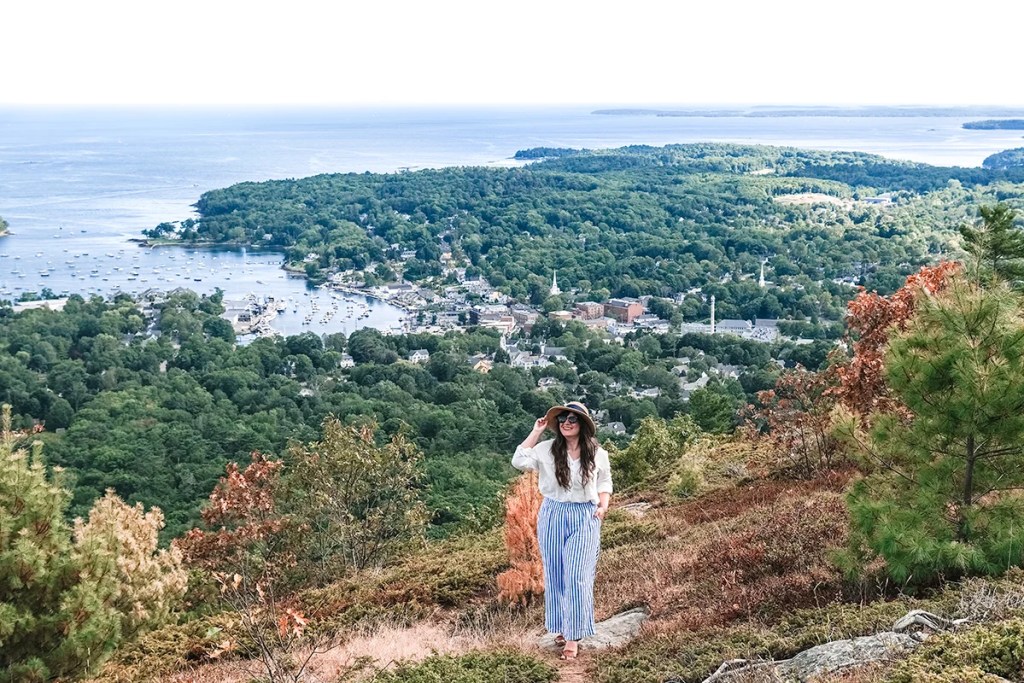
The journey’s crescendo is Mount Desert Island, home to Acadia National Park. Encompassing nearly 50,000 acres, Acadia is a masterpiece of conservation and natural architecture. The park’s Loop Road guides visitors through a diverse array of landscapes, from the thunderous waves at Thunder Hole to the serene, glacier-carved Jordan Pond.
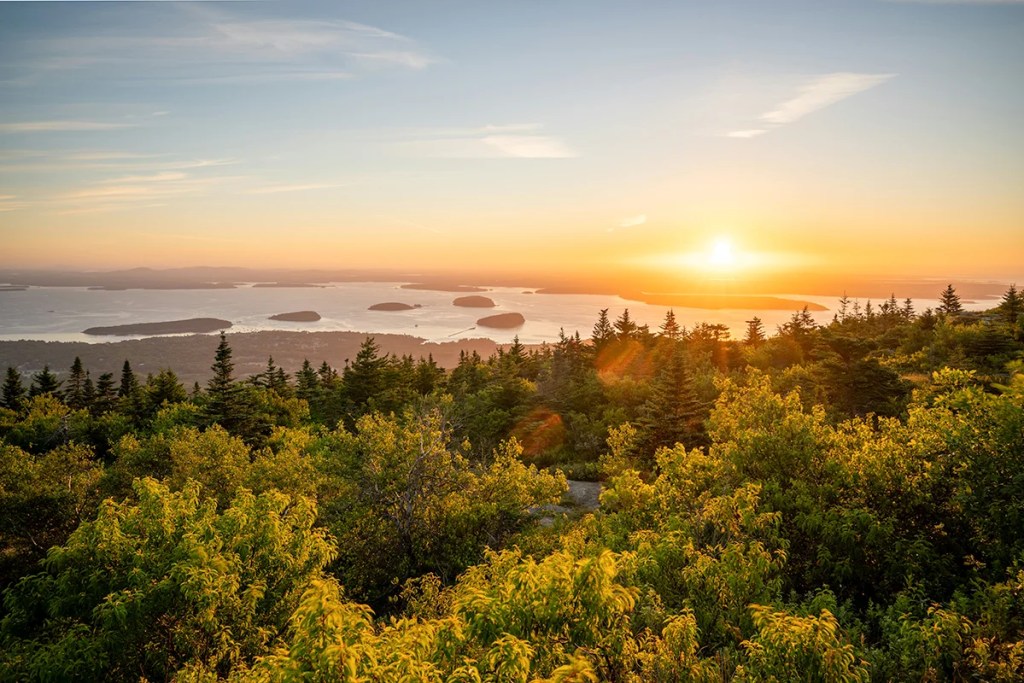
The ultimate Maine experience, however, takes place at the summit of Cadillac Mountain. Reaching an elevation of 1,530 feet, it is the tallest peak on the North Atlantic seaboard. Watching the sunrise from this vantage point is a rite of passage. In the early morning light, the granite rocks glow pink, and the Atlantic stretches out in an endless, shimmering expanse.
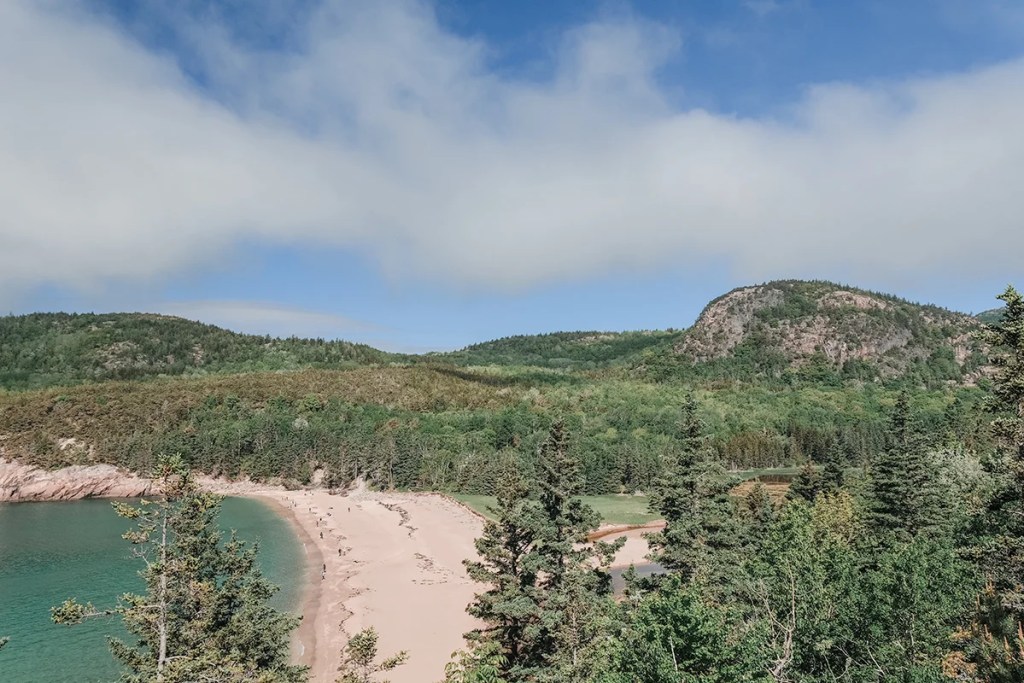
For those who prefer to keep their feet closer to sea level, the Ocean Path offers a gentle four-mile round-trip walk along the dramatic pink granite cliffs. It leads you past some of the park's most iconic spots, including Sand Beach—a rare stretch of sand in a land of rock.
The Perfect 9-Day Itinerary Summary
To truly experience the depth of the Maine coast without the rush, a nine-day itinerary is recommended. This allows for a balance of transit and deep exploration.
- Days 1-3: Southern Coast & Portland Base
- Start in Kittery/Ogunquit for a beach day.
- Move to Portland for a two-night stay. Focus on the Old Port, the breweries (over 60 in the area!), and a ferry ride to the islands.
- Days 4-6: The Mid-Coast (Boothbay & Camden)
- Drive Route 1. Stop in Freeport and Wiscasset.
- Base yourself in Camden or Boothbay Harbor. Spend a day sailing on a historic schooner or hiking Mount Battie.
- Days 7-9: Bar Harbor & Acadia National Park
- Drive to Mount Desert Island.
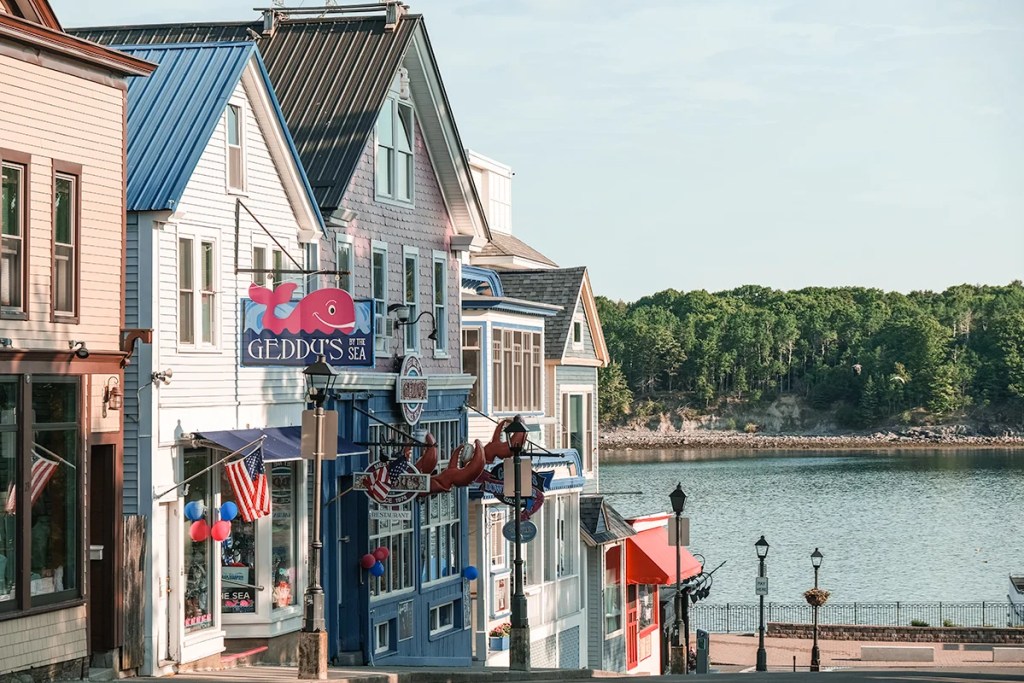
- Use Bar Harbor as your base for dining and shopping.
- Dedicate two full days to Acadia: one for the Loop Road and Cadillac Mountain, and one for the quieter "Quiet Side" of the island (Southwest Harbor).
Practical Road Trip Logistics
Best Time to Visit
Maine is a seasonal state.
- June - August: The peak "Summer Season." Everything is open, the weather is perfect for swimming, but the crowds are at their highest.
- September: The "Local's Secret." The water is still warm, the crowds thin out, and the air turns crisp.
- October: Prime "Leaf-Peeping." The contrast between the red maples and the blue Atlantic is spectacular, though many seasonal businesses begin to close after Indigenous Peoples' Day.
Transportation
While an RV provides freedom, Maine’s coastal roads (especially in the Mid-Coast) can be narrow and winding. A standard SUV or a well-equipped sedan is usually the best choice for navigating the small town harbors and steep park roads.
FAQ
When is the best time for a Maine road trip? September is widely considered the best month. You avoid the heavy humid heat of July and the thick summer crowds, but you still enjoy warm days and cool, comfortable nights.
How many days do I need for the Maine coast? While you can see Portland in a weekend, a full coastal experience from the Southern beaches to Acadia requires at least 7 to 9 days to account for the slow speed limits on Route 1.
Is Acadia National Park dog-friendly? Yes! Acadia is one of the most dog-friendly national parks in the U.S., with over 100 miles of hiking trails and 45 miles of carriage roads open to pets on leashes.
Whether it’s your first time crossing the bridge into Kittery or your tenth, the Maine coast offers a unique brand of restorative travel. It is a place that demands you slow down, eat well, and look toward the horizon.