There’s a reason why John Muir called Yosemite a "living laboratory" and the "grandest of all the special temples of Nature." Even after a dozen solo expeditions into the Sierra Nevada, that first glimpse of the Valley through Tunnel View—where El Capitan and Half Dome stand like ancient sentinels guarding a glaciated kingdom—never fails to stop my breath. As we head into 2026, Yosemite National Park remains the gold standard of the American wilderness, but the experience is evolving. With the return of managed access and major trail restorations, 2026 is shaping up to be the best year in a decade to witness the thunderous cascades and granite cathedrals without the soul-crushing traffic of years past.
Whether you’re here to scale the granite monoliths or simply soak in the silence of the Mariposa Grove, this guide is built from boots-on-the-ground experience to help you navigate the wild heart of California.
Quick Planning Guide for 2026
Before you lace up your boots, let’s talk logistics. Yosemite isn’t a place where you can just "show up" anymore—and frankly, the park is better for it.
Pro Tip: The 2026 Entry Rule For the 2026 peak season (May through September), a mandatory "Peak Hours Plus" reservation is required to enter the park between 5:00 AM and 4:00 PM. Reservations open early in the year on recreation.gov, and they go fast. If you miss out, consider taking the YARTS bus or booking a guided tour, which often includes entry.
| Category | Details |
|---|---|
| Entrance Fee | $35 per vehicle (valid for 7 days) |
| Closest Major Airport | Fresno Yosemite International (FAT) — 90 mins to gate |
| Best Waterfall Window | Late May through early June (Peak snowmelt) |
| Trail Mileage | 800+ miles of developed trails |
| Shuttle System | Free Valley Shuttle runs year-round |
Getting There: Your Gateway to the High Sierra
Most travelers fly into Fresno Yosemite International (FAT). It’s the closest major hub, located approximately 90 minutes from the park boundary and about 2.5 hours from the Yosemite Valley floor. If you're coming from the Bay Area, San Francisco (SFO) is a four-hour haul, but it offers more international connections.
If you want to bypass the parking headache entirely—and trust me, even with reservations, parking in the Valley can be a sport—utilize the YARTS (Yosemite Area Regional Transportation System). It’s a clean, reliable bus system that runs from Merced and Fresno directly into the heart of the park. You can nap, look out the window at the Merced River, and arrive at the trailhead fresh.
Best Hikes in Yosemite: Categorized by Challenge
Yosemite’s 800 miles of developed trails range from 0.3-mile accessible loops to high-altitude wilderness treks reaching over 10,000 feet. Here is how I’d break down your trekking itinerary.
? Easy & Family-Friendly Loops
If you’re traveling with kids or just want a recovery day, start with the Lower Yosemite Fall Trail. It’s a one-mile paved loop that puts you right at the base of the tallest waterfall in North America. In early June, the spray is so powerful it feels like a tropical storm—bring a shell!
For a brush with ancient history, head to Mariposa Grove. The Big Trees Loop (0.3 miles) is fully accessible, but I recommend pushing a bit further to the Grizzly Giant Loop (2.0 miles). Seeing a 3,000-year-old Sequoias is a humbling reminder of our place in the timeline of the planet.
? Moderate Adventures
If your knees are feeling good and you want a workout, the Mist Trail to Vernal Fall is non-negotiable. It’s a "stair-step" masterclass of over 600 granite steps. You will get wet, your calves will burn, and you will love every second of it.
For those chasing epic views without a 2,000-foot vertical climb, head to Sentinel Dome. From the parking lot on Glacier Point Road, it’s a relatively easy 2.2-mile round trip. At the top, you get a 360-degree vista of the entire park. It’s the best "bang-for-your-buck" hike in the Sierra.
? Strenuous & Bucket List Treks
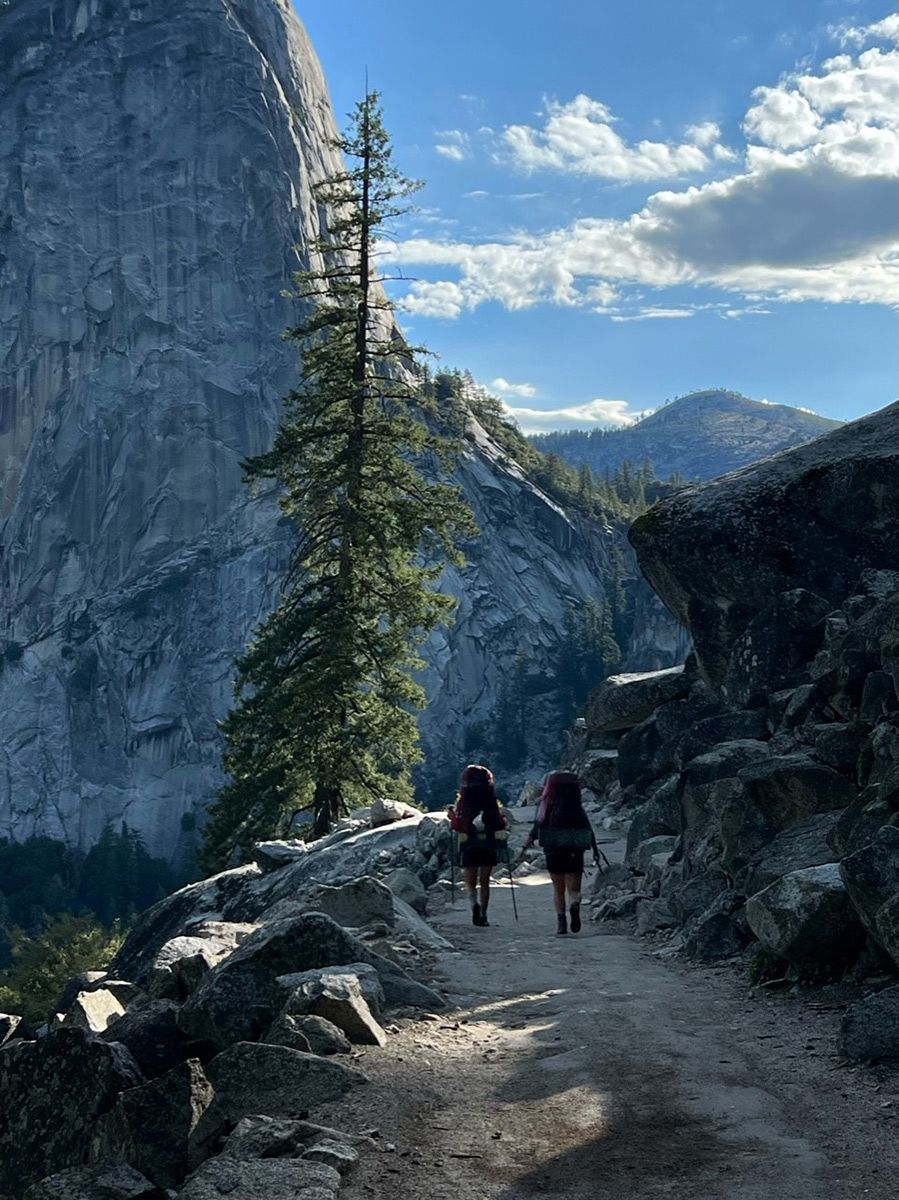
Now, for the hardcore. Half Dome is the one everyone talks about. To climb the cables, you need a permit (distributed via lottery), and you need nerves of steel. It’s a 14-to-16-mile grueling day. If you didn't snag a permit, don't worry—Clouds Rest is actually my preferred alternative. It’s a 12-mile trek from Tioga Road that takes you higher than Half Dome, offering a literal bird’s-eye view of the dome itself and the entire Valley floor.
For a true vertical challenge, the Upper Yosemite Fall Trail is a 2,600-foot gain over 3.6 miles (one way). It’s a relentless switchback marathon, but standing at the lip of the falls as the water plunges 2,425 feet into the abyss is a spiritual experience.
Expert Recommendation: If you missed the Half Dome lottery or feel intimidated by the logistics of a high-country trek, I highly suggest booking with an expert outfit like Four Season Guides. They handle the permits, the gear, and the safety protocols, letting you focus on the scenery rather than the map.
Scenic Drives: Exploring Beyond the Valley Floor
While the Valley is the crown jewel, you’re doing yourself a disservice if you don't explore the high country.
- Tioga Road (Highway 120): This is the highest trans-Sierra crossing in California. It typically opens in late June. It takes you past Olmsted Point (where you can see Half Dome from the "back") and into Tuolumne Meadows, a vast sub-alpine meadow surrounded by jagged peaks. It’s quieter, colder, and wildly beautiful.
- Glacier Point Road: This takes you to the most iconic overlook in the park. From Glacier Point, you’re looking straight across at Half Dome, Nevada Fall, and Vernal Fall. It’s the perfect spot for sunset, though you should expect company.
- Hetch Hetchy: Often called the "Quiet Corner" of Yosemite, this reservoir-filled valley was once a twin to Yosemite Valley. It’s home to Wapama Falls, which can be so high in the spring that the water actually flows over the footbridges.
Where to Stay: Lodges, Glamping, and Camping
Choosing your basecamp is the most critical part of your Yosemite travel guide 2026 planning. The park offers 13 car-accessible campgrounds, but high-demand sites in the Valley often book to capacity within minutes of their release five months in advance.
| Accommodation | Style | Why Stay Here? |
|---|---|---|
| The Ahwahnee | Ultra-Luxury | Historic "National Park Architecture"; stunning views of Royal Arches. |
| Yosemite Valley Lodge | Mid-Range | Located at the base of Yosemite Falls; great for families. |
| AutoCamp Yosemite | Glamping | Luxury Airstreams and tents located just outside the park in Midpines. |
| Rush Creek Lodge | Upscale Resort | Just outside the Big Oak Flat entrance; incredible pool and spa. |
| Valley Campgrounds | Authentic | Nothing beats waking up to the smell of pine in North Pines or Upper Pines. |
If you’re a camper, mark your calendar for exactly five months before your arrival date at 7:00 AM PST. Use recreation.gov and have your finger on the "Book" button. If you prefer a real bed and a hot shower, Rush Creek Lodge is my top pick for 2026. It’s located just minutes from the gate and offers a refined "mountain-modern" vibe that’s perfect after a long day on the trail.
Pro Tips for Beating the 2026 Crowds
- The 7:00 AM Rule: If you aren't inside the park gates by 7:00 AM, you've already lost the morning. The light is better, the air is crisper, and the wildlife (including bears and mule deer) is much more active.
- Ride the Shuttle: Once you find a parking spot in the Valley, stay there. The free shuttle system is efficient and takes you to all the major trailheads and lodges.
- Golden Hour at Tunnel View: For that "National Geographic" shot, head to Tunnel View about 45 minutes before sunset. As the sun dips, the granite of El Capitan turns a deep, glowing orange. It’s the quintessential Yosemite moment.
FAQ
What is the best month to visit for waterfalls? Late May through early June is the peak. By August, many of the falls (including Yosemite Falls) can reduce to a mere trickle or dry up entirely depending on the previous winter’s snowpack.
Do I need a permit for every hike? No. Most hikes, including the Mist Trail and Upper Yosemite Falls, do not require permits. You only need permits for Half Dome cables and any overnight backpacking trips.
How do I secure a campsite in the Valley? Log onto recreation.gov exactly five months in advance at 7:00 AM PST. Create an account and have your dates selected beforehand. They usually sell out in less than three minutes.
Yosemite isn't just a destination; it’s a rite of passage for anyone who loves the outdoors. It’s a place that demands respect, rewards effort, and stays with you long after you’ve washed the Sierra dust off your boots. Start your planning now, respect the "Leave No Trace" principles, and I’ll see you on the trail.