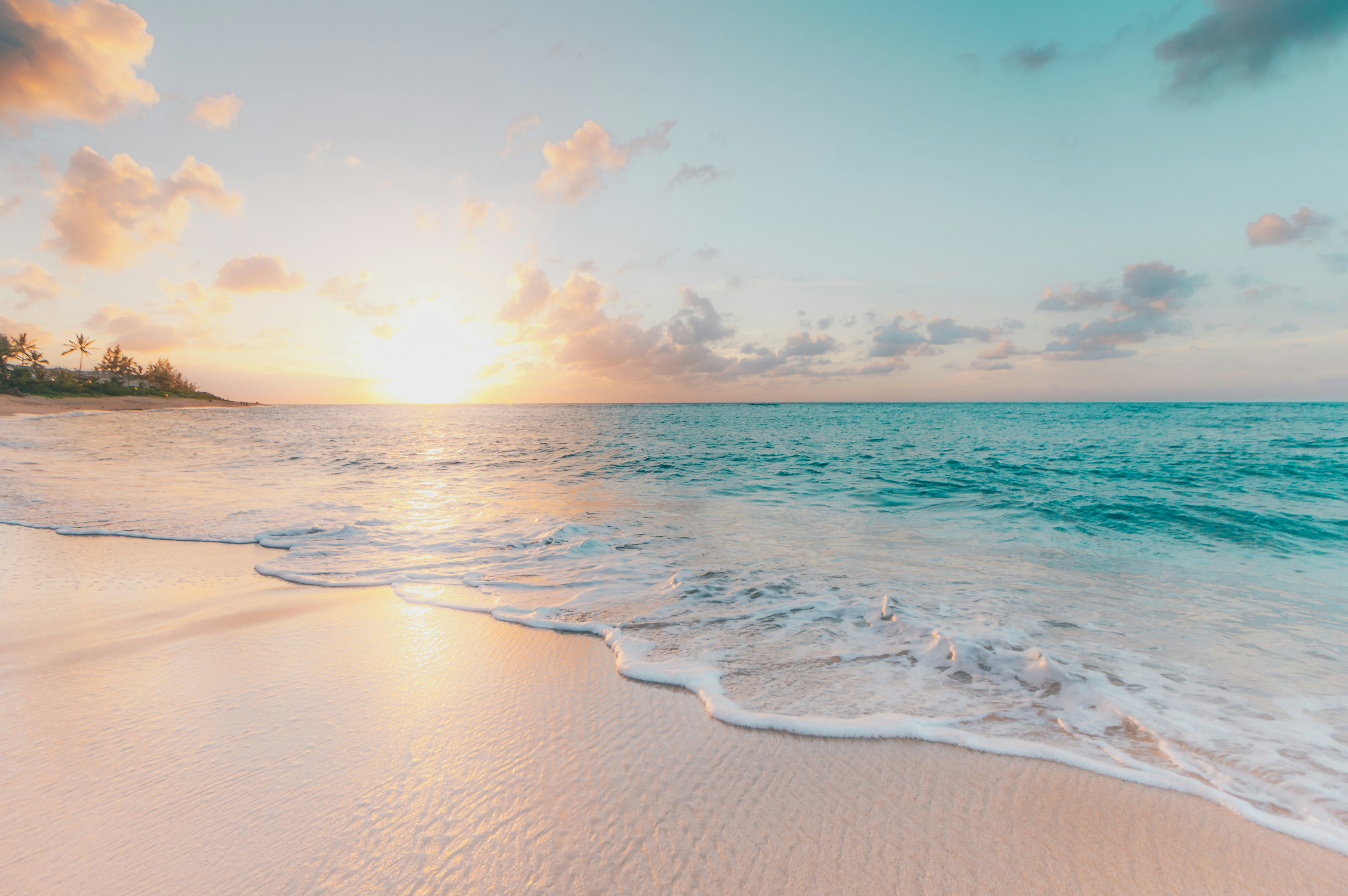
The first thing I felt was the grit of sand between toes that hadn't touched anything but institutional concrete or rubber shower shoes in over 3,000 days. It was 6:15 AM at South Pointe Park, and the Atlantic Ocean was doing something the beige walls of Everglades Correctional Institution never could: it was breathing. I stood there, a man recently released into a world that felt both impossibly bright and terrifyingly loud, realizing that travel wasn't just a luxury for my new life—it was my most essential tool for re-entry.
Leaving incarceration is often described as a "re-entry," but for those of us who have spent a decade or more behind bars, it is more like landing on a different planet. The transition from long-term confinement to a high-density tourist hub like Miami requires a specific strategy. Experts and formerly incarcerated writers often cite a 72-hour rule: it takes roughly three days of gradual sensory re-adjustment to manage the situational awareness stress that comes with newfound freedom.
To navigate those first days of freedom in Miami, the key is to prioritize sensory grounding. Take barefoot walks on Ocean Drive to reclaim your physical self, explore the geometric symmetry of Art Deco architecture to soothe the mind, and seek out natural sanctuaries like Biscayne Bay. This isn't just a vacation; it’s a recalibration of the soul.
The 72-Hour Rule: Managing the Sensory Shock
When you walk out of the gates, your nervous system is still tuned to the frequency of a cage. Every loud noise is a threat; every crowd is a potential conflict. Statistically, this is a documented phenomenon. According to qualitative analysis from contributors to the Prison Journalism Project, 92% of formerly incarcerated individuals cite "reconnection with nature" as the single most critical element in their first week of freedom.
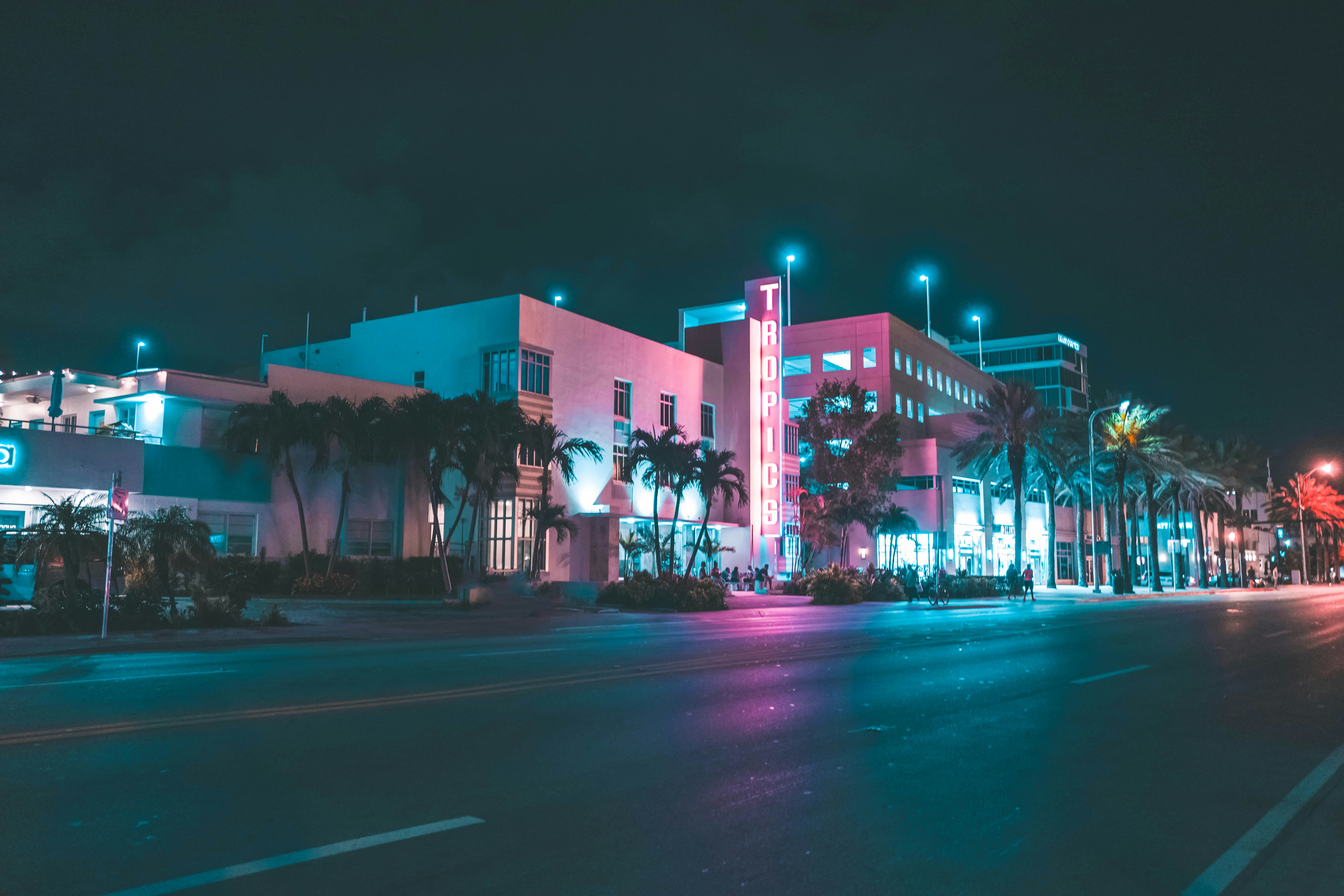
In Miami, the sensory overload can be overwhelming. The neon lights of South Beach are the polar opposite of "prison beige." To survive the first 72 hours without a panic attack, you need to bridge the gap between confinement and the chaos of the world.
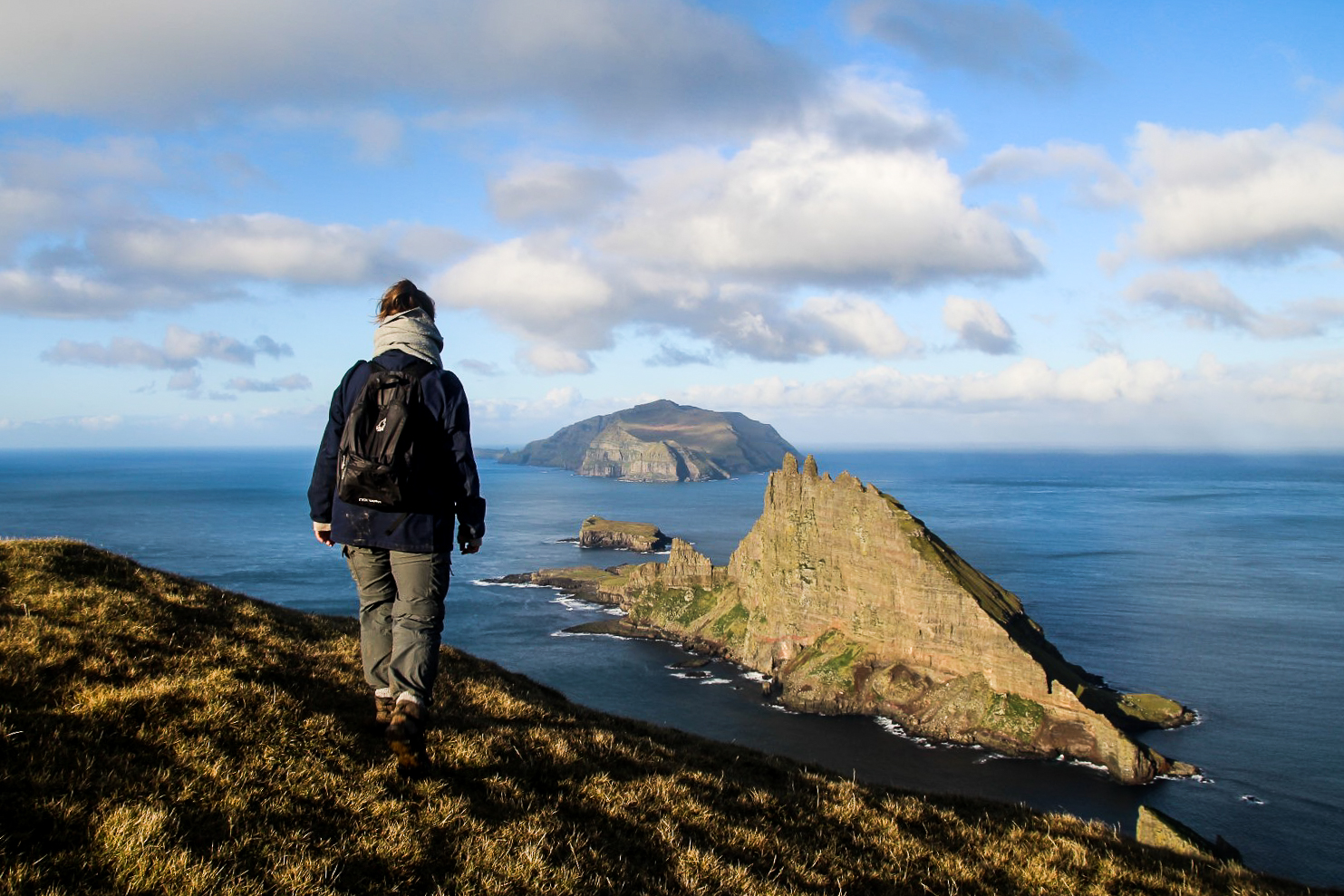
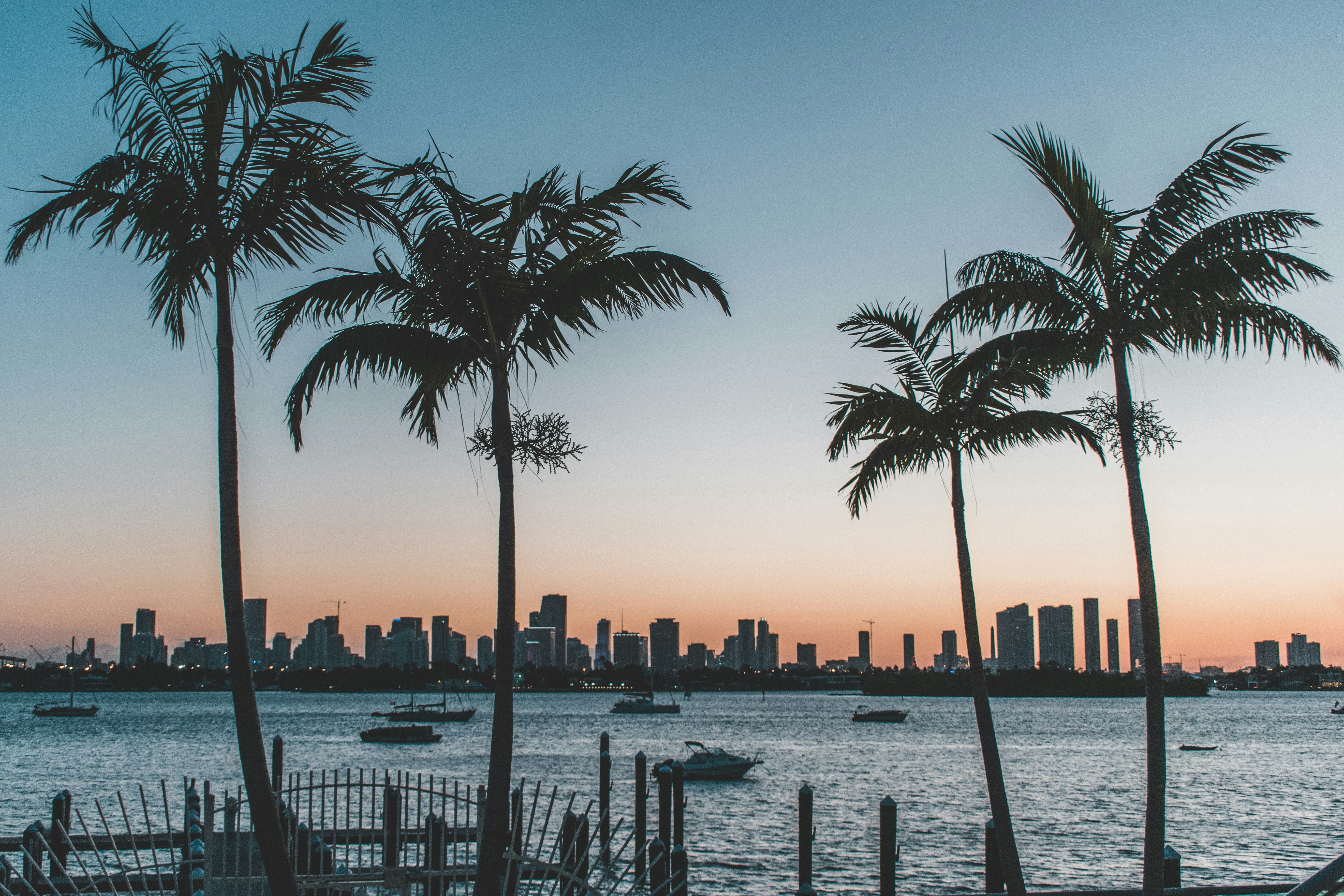
Re-entry Tip: Sensory Grounding If you are transitioning from long-term incarceration (3,000+ days), avoid the mid-day crowds at Bayside Marketplace initially. Spend your first 48 hours at "edge spaces"—places where the city meets the water. The horizon line acts as a psychological anchor, reminding your brain that the walls are truly gone.
Day 1: Grounding in South Beach
My first day was about movement. In prison, your world is measured in paces—ten steps to the door, five steps to the bunk. On South Beach, the world is infinite.
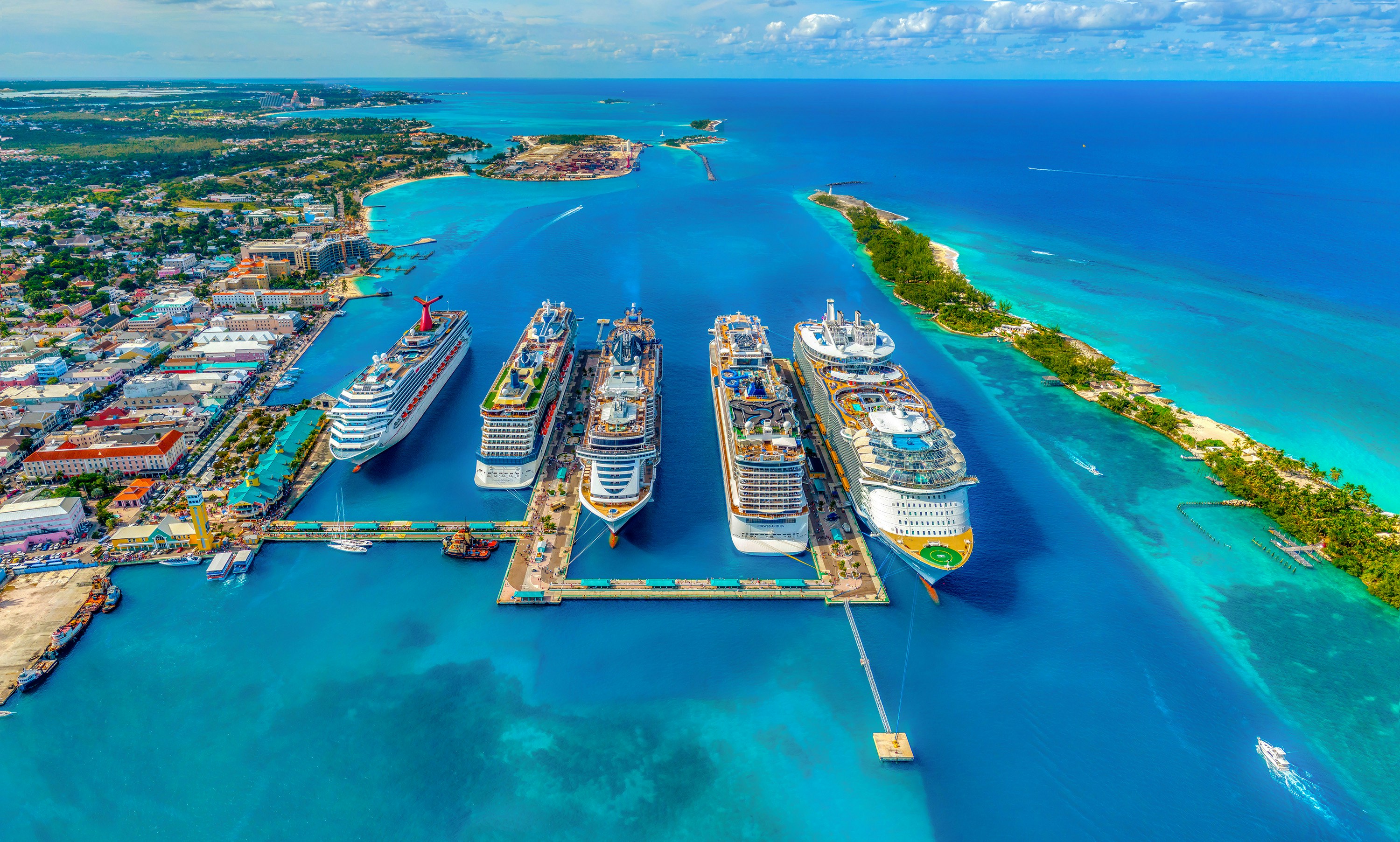
Sunrise at South Pointe Park Start your journey at the southernmost tip of the island. Watching the massive cruise ships glide out to sea is a powerful metaphor for movement and the vastness of the world you now inhabit. It’s a free public space where you can sit on the grass and just be without anyone asking for your ID or telling you where to stand.
The Barefoot Walk on Ocean Drive I remember looking at my shoes—state-issued and stiff—and tossing them onto the sand. Walking barefoot from 1st Street up to 15th Street is a tactile necessity. The heat of the sand and the cool shock of the tide provide a "sensory reset."
Solo Dining on Española Way For your first meal, head to Española Way. It’s a pedestrian-only street modeled after a Mediterranean village. Choosing what to eat is one of the most stressful parts of freedom because, for years, that choice was stolen from you.
- The Experience: Sit outside. Order something with fresh ingredients—a ceviche or a crisp salad.
- The Lesson: Practice "active observation." Watch the tourists, the waiters, and the birds. You are no longer a number; you are a patron of the world.
Day 2: Perspective in the Everglades
The irony of my second day wasn't lost on me. I headed toward the Everglades, the very region where I had been confined. But this time, I wasn't behind the wire. I was in the wild.
The Swap for the Cell Traveling after prison serves as a vital re-entry tool because it replaces the "culture shock" of a high-tech society with the primal peace of the natural world. A 3-day Miami itinerary for solo travelers must include a trip to the Glades. The vastness of the sawgrass marshes helps minimize that lingering feeling of confinement.
Solo Reflection on an Airboat I took a mid-morning airboat tour. As the boat accelerated and the wind whipped past my face, I felt the last of the "prison dust" blow off. It’s hard to feel like a convict when you’re staring at an alligator in the wild.
- Budget Tip: Many operators offer discounts for solo travelers or early-bird slots.
- Practicality: It’s a five-hour round trip from the city. Use this time to process the transition. The Everglades remind you that life is resilient, messy, and uncontained.
Day 3: Color and Culture in Wynwood & Little Havana
By the third day, the "72-hour rule" starts to kick in. Your situational awareness begins to shift from "threat detection" to "curiosity." It’s time to re-enter the multicultural heartbeat of Miami.
Wynwood Murals: Replacing Gray Walls In prison, the walls are designed to be forgotten. In Wynwood, the walls demand to be seen. Walking through the Wynwood Walls is a spiritual experience for someone who has lived in a world of gray. Every mural represents a canvas for a new personal narrative. You aren't just looking at art; you're looking at the possibility of transformation.
Little Havana: Reconnecting with Human Rhythm Finish your 3-day journey on Calle Ocho. Order a cafecito from a walk-up window (a ventanita). The rhythmic clacking of dominoes in Maximo Gomez Park and the distant sound of salsa music provide a human pulse that prison lacks.
- Goal: Practice small talk. It sounds simple, but after years of "prison speak," a simple conversation with a barista about the weather is a victory.
Navigating the New World: Practical Re-entry Tips
The world doesn't just look different; it functions differently. If you’ve been away for a long time, the "New Tech" shock is real.
| Challenge | Strategy |
|---|---|
| Smartphone Overwhelm | Use a physical map alongside your phone. It keeps you grounded in your physical location if the screen becomes too much. |
| Rideshare Apps | Miami’s "Freebee" service offers free, electric short-range rides in many neighborhoods. It's a great way to practice using apps without high costs. |
| Crowd Anxiety | If South Beach feels too "loud," head to Crandon Park on Key Biscayne. It’s a massive public beach with far fewer tourists. |
| Budgeting | Stick to free public spaces like the Miami River entrance or the Art Deco architecture tours (self-guided) to avoid the "tourist trap" drain on your re-entry funds. |
Traveling solo after prison isn't about running away from your past; it’s about walking toward your future. Miami, with its blend of harsh neon and soft ocean, provides the perfect landscape for that walk. The multicultural immersion helps rebuild a sense of belonging in a society that often tells formerly incarcerated people they don't fit in.
FAQ
Is Miami safe for someone traveling solo right after prison? Yes, but it requires planning. Stick to well-lit, public areas like South Pointe Park and Wynwood during the day. Avoid high-stress nightlife environments for the first few days while your sensory awareness recalibrates.
How much does a 3-day "Freedom Trip" in Miami cost? By focusing on free public parks, the beach, and local spots in Little Havana, you can manage on a budget of $50–$75 a day (excluding lodging). Utilize the free trolleys and the "Freebee" app to save on transportation.
What is the best way to handle 'New Tech' shock while traveling? Don't be afraid to ask for help. Most people in the travel industry (hotel staff, transit workers) are happy to explain how an app or a kiosk works. Take it one step at a time and don't rush the learning process.
Are you ready to start your next chapter? The world is wider than you remember, and your journey is just beginning. Whether you're navigating re-entry or just looking for a soul-searching solo adventure, the horizon is waiting.