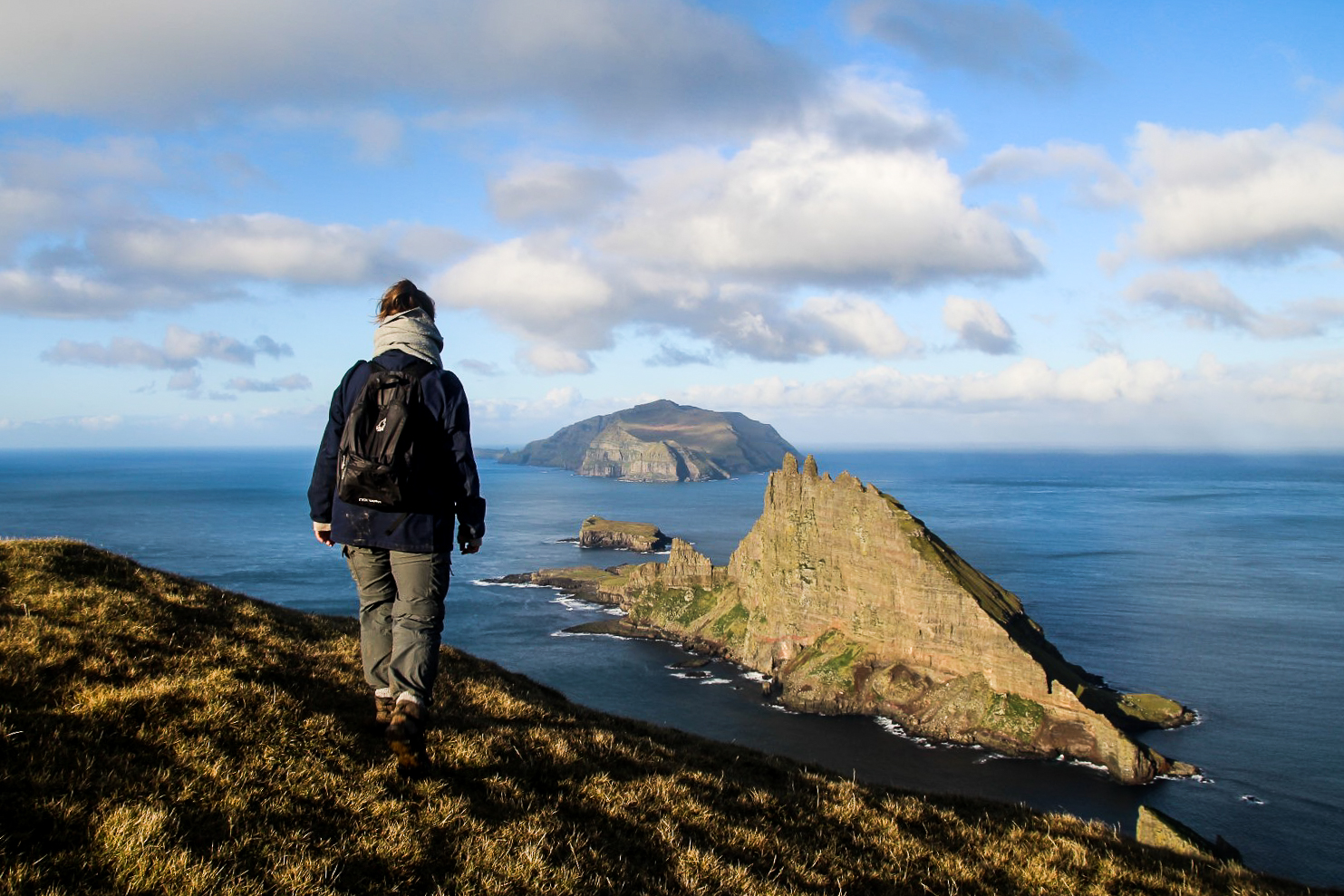
The mist clings to the jagged peaks of the Great Western Tiers, a soft, damp veil that smells of ancient earth and sodden eucalyptus. To walk here is to step into a landscape that feels unchanged for millennia—a rugged sanctuary of temperate rainforests, alpine moors, and windswept coastlines. In Tasmania, bushwalking is more than a national pastime; it is a profound act of connection with one of the last great wildernesses on Earth. With over 50% of the island’s land area officially protected within national parks, public reserves, and UNESCO World Heritage Sites, the trail is often the only way to witness the rare, endemic life that calls this island home.
Yet, as the climate shifts and the threat of catastrophic bushfires looms over these delicate ecosystems, the act of walking has taken on a new, more urgent purpose. Today, bushwalking in Tasmania is evolving into a vital tool for conservation through groundbreaking citizen science programs. On remote trails, hikers are no longer just observers; they are active participants, working alongside botanists to collect seeds from rare and at-risk native flora. This collaborative effort is creating a living insurance policy for the island’s botanical heritage, ensuring that even if a forest is lost to flame, its legacy is preserved in the cold vaults of a seed bank.
The Urgent Need: Seed Banking in a Changing Climate
For the eco-conscious traveler, the beauty of Tasmania’s flora lies in its exclusivity. Many of the species found here are "paleo-endemics"—biological fossils that have survived since the time of Gondwana. However, these ancient lineages are increasingly vulnerable. The frequency and intensity of climate-driven bushfires have increased, threatening habitats that have not seen fire in centuries.
This is where the Tasmanian Seed Conservation Centre (TSCC), based at the Royal Tasmanian Botanical Garden (RTBG), steps in. Seed banking is the process of collecting, cleaning, and drying seeds to store them at sub-zero temperatures. It provides a safeguard against extinction, offering a way to reintroduce species should a wild population be decimated. But the challenge lies in the geography: many of Tasmania’s rarest plants live in "the back of beyond," accessible only by multi-day treks through challenging terrain.
"Seed banking isn't just about storage; it's about resilience. By capturing the genetic diversity of our native flora now, we give these ecosystems a fighting chance to recover from the environmental shifts of the future." — Botanical Insight
The logistics of professional seed collection are immense. Botanists cannot be everywhere at once, especially when the "seeding window" for certain alpine shrubs might only last a few weeks. This geographical hurdle has paved the way for a unique partnership between science and sustainable tourism.
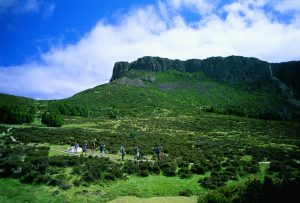
The Citizen Scientist Trek: A New Model of Travel
In a pioneering collaboration, the Tasmanian Walking Company has joined forces with the Royal Tasmanian Botanical Garden to offer specialized conservation treks. These are not your standard guided walks. Led by expert guides and often accompanied by botanists like James Wood from the TSCC, these journeys invite hikers to become "citizen scientists."
The impact of this program is staggering. During one inaugural seed-collecting bushwalk in the Cradle Mountain–Lake St. Clair National Park, a small group of hikers managed to collect 270,000 seeds from a single endemic shrub species. To put that in perspective, a solo botanist might have spent weeks attempting to gather a fraction of that amount.
On these treks, the "slow travel" philosophy is put into practice. You aren't rushing to the next campsite; you are pausing to examine the underside of a leaf, learning to identify the subtle difference between a common heath and a rare orchid, and meticulously labeling small collection envelopes. It is a deeply meditative process that fosters a sense of stewardship. You leave the trail not just with photos, but with the knowledge that you have contributed to the literal survival of the landscape you just traversed.
Where to Walk: Conservation Highlights and Iconic Flora
If you are looking to align your next journey with Tasmania’s conservation efforts, several key regions offer both breathtaking scenery and high botanical significance. Each area presents a different set of rare native flora that citizen scientists and researchers are working tirelessly to protect.
Cradle Mountain–Lake St. Clair National Park
This is the heart of the Tasmanian Wilderness World Heritage Area. Hikers here focus on alpine and sub-alpine species that are particularly sensitive to warming temperatures.
- The Target: Rare willow herbs (Epilobium) and the iconic Pencil Pine (Athrotaxis cupressoides).
- The Experience: Navigating glacial carved valleys and ancient rainforests where the Fagus (Nothofagus gunnii)—Australia’s only cold-climate deciduous tree—turns the hillsides gold in autumn.
The Bay of Fires
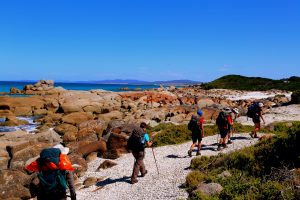
Famous for its orange-lichen-cloaked rocks and turquoise waters, this coastal stretch is also a haven for unique heathland species.
- The Target: The 'Wedding Bush' (Ricinocarpos pinifolius). Known for its brilliant white blossoms, researchers track its health and seed production to monitor coastal biodiversity.
- The Experience: Walking along sugar-white sands and through fragrant, shoulder-high shrubs that burst into color during the spring.
takayna / Tarkine
Located in the northwest, the Tarkine contains Australia’s largest temperate rainforest. It is a place of deep moss, towering Huon Pines, and ancient Gondwanan species.
- The Target: Epiphytic orchids and rare ferns that thrive in the cool, humid microclimates of the rainforest floor.
- The Experience: A journey through a "lost world" atmosphere where the silence is only broken by the calls of the yellow-tailed black cockatoo.
How to Participate: Booking Your Conservation Journey
Participating in Tasmania’s citizen science movement requires a blend of physical preparation and an open mind. While some treks are specifically designated as "Seed Collection" expeditions, almost any walk in Tasmania can be an exercise in responsible tourism if approached with the right mindset.
| Trek Type | Level of Involvement | Difficulty | Focus |
|---|---|---|---|
| Specialized Seed Trek | High: Direct collection & data entry | Grade 3-4 | Endemic alpine & coastal flora |
| Guided Eco-Walk | Medium: Flora identification & reporting | Grade 2-3 | Biodiversity education |
| Independent Bushwalk | Low: 'Leave No Trace' & 'iNaturalist' logging | Varies | Personal stewardship |
When booking a specialized trek, expect to work in small groups. You will be provided with the necessary tools—magnifying loops, collection bags, and GPS loggers. It is important to note that these treks usually require a "Level 2 to Level 3+" physical fitness rating, meaning you should be comfortable walking 10-15 kilometers a day with a pack over uneven terrain.
Explore Citizen Science Treks →
Practical Tips for the Eco-Conscious Hiker
To be a truly responsible traveler in Tasmania, your preparation must start before you even hit the trail. The island’s ecosystems are pristine but fragile, and "biosecurity" is a word you will hear often.
1. Best Time to Visit:
- Alpine Regions (Cradle Mountain, Walls of Jerusalem): December to April. This is when the alpine flowers are in bloom and seed collection is most active.
- Coastal Tracks (Bay of Fires, Freycinet): October to May. The weather is milder, and the spring bloom in October is spectacular.
2. Essential Gear: The weather in Tasmania is notoriously unpredictable—locals joke that you can experience all four seasons in a single afternoon.
- Sturdy Boots & Gaiters: Essential for protecting your ankles and keeping the famous Tasmanian mud out.
- Scrub Your Gear: Before entering any national park, ensure your boots and tent pegs are scrubbed clean. This prevents the spread of Phytophthora cinnamomi (root rot), a fungus that can devastate native plant communities.
- Waterproof Layers: High-quality GORE-TEX or equivalent is non-negotiable, even in summer.
3. Leave No Trace: Beyond the standard "pack it in, pack it out," being an eco-conscious hiker in Tasmania means staying on the boardwalks and hardened paths to avoid crushing delicate cushion plants, which can take decades to recover from a single footstep.
FAQ
Can I collect seeds on my own while hiking? No. It is illegal to collect seeds or plant material in Tasmanian National Parks without a scientific permit. To participate in seed collection, you must be part of an authorized program like those run by the Tasmanian Walking Company in partnership with the RTBG.
Do I need to be a scientist to join a citizen science trek? Not at all. The programs are designed for laypeople. You will be given all the training and supervision needed to contribute meaningfully to the research.
What is the 'iNaturalist' app and should I use it? iNaturalist is a great tool for independent hikers. By uploading photos of the plants you see and tagging your location, you provide valuable data points for botanists tracking the distribution and flowering times of rare species.
Join the Movement
Tasmania offers a rare opportunity to move beyond the role of a tourist and into the role of a guardian. By choosing a journey that supports citizen science, you aren't just seeing the wilderness—you are helping to ensure its survival for generations to come. The next time you lace up your boots, remember that every step is a chance to tread lightly, and every seed collected is a promise to the future.