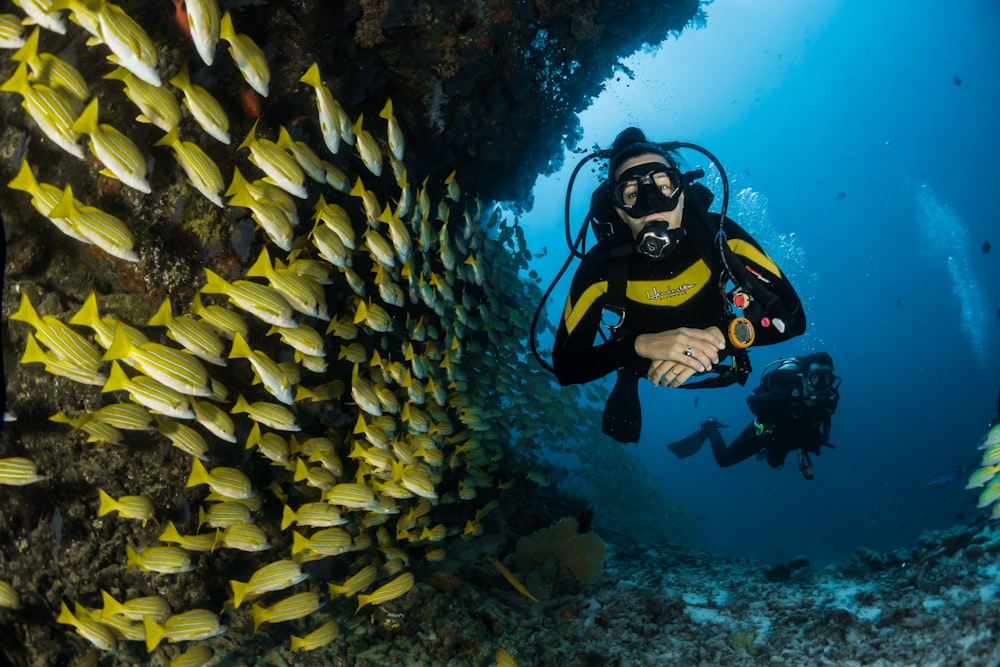
The sun rises over the Coral Sea, casting a liquid gold light across the rhythmic swell of the Great Barrier Reef. To most, this is a postcard-perfect wonder of the world. But to the Aboriginal and Torres Strait Islander peoples, this is "Sea Country"—a living, breathing relative that has been part of their identity for over 40,000 years. However, the reef is currently gasping for air. Rising ocean temperatures and frequent coral bleaching events have placed this UNESCO World Heritage site in a precarious position.
Amidst these environmental trials, a transformative movement is taking hold on the shores of Queensland. The Queensland Indigenous Women Rangers Network (QIWRN), launched in 2018, is rewriting the narrative of conservation. By empowering Indigenous women to take up the mantle of environmental stewardship, the network is proving that the most effective way to save our planet’s future is to listen to its original guardians.
The Original Stewards: A Legacy of 40,000 Years
The relationship between Indigenous Australians and the Great Barrier Reef isn't merely historical; it is foundational. For millennia, Traditional Owners have managed these ecosystems through sophisticated systems of seasonal hunting, controlled burning, and protected "taboo" areas that allowed species to regenerate.
In recent decades, however, the management of the reef became increasingly Western-centric, often sidelining the very people who knew the land best. Furthermore, conservation roles were frequently perceived as "men’s business" within many communities. The QIWRN was established to bridge these gaps, providing a dedicated space for women to lead land mapping, ecosystem tracking, and cultural preservation.
Sustainable Travel Fact: The Queensland Indigenous Women Rangers Network has trained over 60 Indigenous women from regions across the Lake Eyre Basin to the Torres Strait in just four years, providing them with both high-tech skills and traditional accreditation.
Meet Larissa Hale: A Vision for the Future
At the heart of this movement is Larissa Hale, a proud Yuku Baja Muliku woman and the managing director of Yuku Baja Muliku Landowners and Reserves. Larissa grew up at Archer Point, North Queensland, where the rainforest meets the reef. She saw firsthand how the environment was changing and realized that for the reef to survive, women needed a seat at the table.
Larissa’s journey hasn't been without its hurdles. In many Indigenous cultures, certain roles are gender-specific. By stepping into the ranger space, Larissa and her peers have had to navigate complex cultural protocols while proving that women possess the unique resilience and perspective necessary for long-term conservation.
Tech Meets Tradition: Modern Tools in Ancient Hands
One of the most fascinating aspects of the QIWRN’s work is the seamless integration of Traditional Ecological Knowledge (TEK) with cutting-edge technology. These women aren't just walking the land; they are flying drones to monitor coral bleaching and using Google Earth Pro to create digital maps of "Bush Tucker" trails and sacred sites.
By using drones, rangers can capture high-resolution imagery of remote reef sections that are difficult to reach by boat. This data allows them to identify "hot spots" of coral stress much faster than traditional methods. Meanwhile, digital mapping ensures that thousands of years of oral history—where to find specific medicinal plants or the locations of ancient firebreaks—are preserved for future generations.
Old Ways vs. New Tools: A Hybrid Approach to Conservation
| Conservation Goal | Traditional Method | Modern Technology |
|---|---|---|
| Coral Health Monitoring | Physical observation by divers and elders. | Drones and underwater ROVs for real-time data. |
| Land Management | Traditional knowledge of seasonal cycles. | Satellite imagery and GIS (Geographic Information Systems). |
| Cultural Preservation | Oral storytelling and songlines. | Google Earth Pro for mapping Ancestral Trails. |
| Species Tracking | Tracking footprints and migratory patterns. | GPS tagging and acoustic monitoring. |

Critical Conservation Work: Beyond the Coral
The work of these women rangers extends far beyond the reef’s coral structures. They understand that the health of the ocean is inextricably linked to the health of the coastline. Their daily operations include:
- Seagrass Bed Monitoring: Seagrass is the primary food source for Dugongs (sea cows) and Green Sea Turtles. Rangers monitor these underwater meadows to ensure they aren't being smothered by sediment or destroyed by pollution.
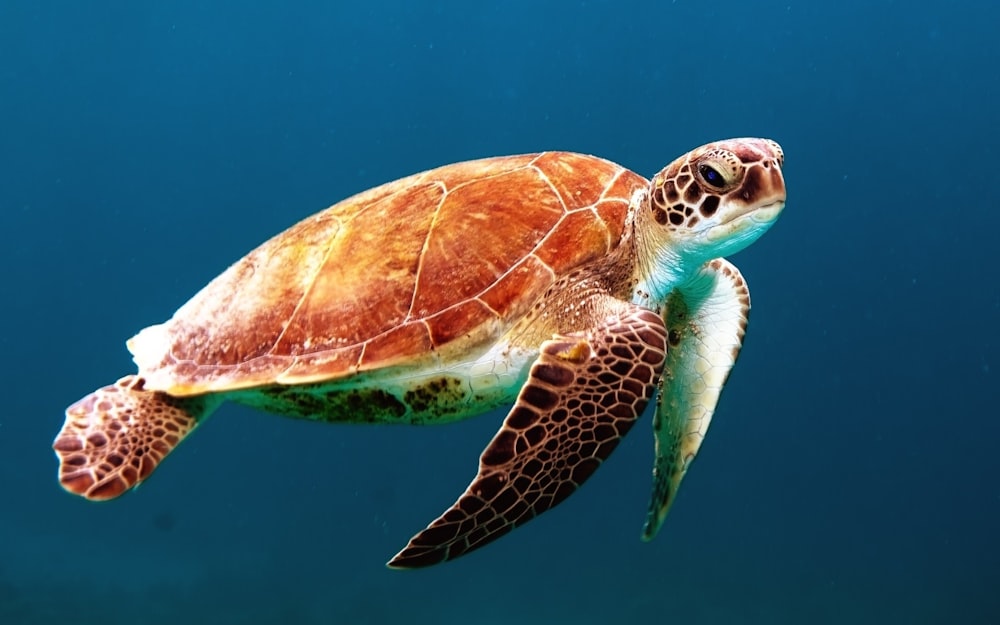
- Turtle Rehabilitation: Many rangers operate "turtle hospitals," where they rescue and rehabilitate sea turtles suffering from "floating syndrome" or injuries from ghost nets.
- Fire Management: In the Wet Tropics of Queensland, rangers use "cultural burning"—low-intensity fires that clear undergrowth without harming the canopy—to prevent the massive, destructive wildfires that lead to erosion and reef-damaging runoff.
The Earthshot Prize and Global Impact
In 2022, the world took notice. The Queensland Indigenous Women Rangers Network was named a winner of the prestigious Earthshot Prize in the "Revive Our Oceans" category. Founded by Prince William, the prize celebrates innovative solutions to the world’s greatest environmental challenges.
Conservation Milestone: In 2022, the Queensland Indigenous Women Rangers Network won the Earthshot Prize, receiving $1.18 million (£1 million). This funding is being used to scale their training programs and expand their network across Australia and globally.
The prize money is not just a financial boost; it is a validation of Indigenous knowledge on the global stage. Currently, women represent only about 20% of Indigenous rangers in Queensland. The QIWRN’s goal is to use this momentum to reach gender parity, ensuring that women have equal access to the jobs and leadership roles that protect their Ancestral lands.
Visiting the Reef Responsibly in 2026
As a traveler, your choices have a direct impact on the success of these programs. When planning a trip to the Great Barrier Reef in 2026, the goal should be "regenerative travel"—leaving the place better than you found it.
Choose Indigenous-Led Experiences
Gateway cities like Cairns and Port Douglas are excellent starting points. Look for tour operators that are either Indigenous-owned or work in direct partnership with Traditional Owners. These tours often provide a deeper, more spiritual connection to the reef, explaining the cultural significance of the marine life you see.
Timing Your Visit
To see the reef at its most vibrant while minimizing your impact:
- April to November: This is the "dry season." The water visibility is at its peak, and the weather is pleasant.
- June to July: This is whale watching season, where you might spot Dwarf Minke Whales.
- November: If you’re lucky, you might witness the annual coral spawning—a spectacular underwater "snowstorm" that signifies the reef's renewal.

Sustainable Travel Tips
- Use Reef-Safe Sunscreen: Traditional sunscreens contain oxybenzone, which is toxic to coral. Look for mineral-based (zinc or titanium) alternatives.
- Support Carbon-Neutral Operators: Choose boat operators that offset their carbon emissions and use sustainable waste management practices.
- Give Back: Consider a small donation to the Queensland Indigenous Women Rangers Network to support their ongoing training programs.
FAQ
How can I support the Indigenous Women Rangers? The best way to support them is by booking tours with Indigenous-led operators who employ or partner with these rangers. You can also follow the Queensland Indigenous Women Rangers Network (QIWRN) on social media and donate directly to their programs.
Are the rangers' tours different from standard reef tours? Yes. While standard tours focus on snorkeling and diving as recreational activities, Indigenous-led tours incorporate storytelling, cultural history, and "Sea Country" management principles. You’ll learn not just what the fish are, but what they mean to the local culture.
Is it safe to visit the reef given the reports of bleaching? Yes, it is safe and highly encouraged. While bleaching is a serious threat, the Great Barrier Reef is massive—larger than Italy—and many parts remain incredibly vibrant and healthy. Your tourism dollars provide the funding needed for the conservation efforts that keep the reef resilient.
Join the Movement for a Greener Future
The story of the Indigenous Women Rangers is a reminder that conservation is not just about science; it’s about connection. By supporting these stewards, we aren't just saving a reef—we are honoring a legacy of care that has survived for forty millennia.