I’ve spent my life chasing peaks and mapping out remote trailheads, but I’ve rarely seen a mountain town undergo a transformation as profound as Park City, Utah. We usually talk about this place in the context of the 2002 Winter Olympics or the glitz of the Sundance Film Festival. But there is a different kind of revolution happening on these slopes—one that isn't about celebrity sightings, but about radical inclusion.
Park City is currently setting a new global standard for adaptive sports. This isn’t just about putting a ramp next to a staircase; it’s about a comprehensive, high-tech, and heart-led ecosystem that ensures the "Great Outdoors" are truly great for everyone. Anchored by the world-renowned National Ability Center (NAC), the city provides year-round programs including skiing, horseback riding, and white-water rafting for individuals with physical, sensory, and cognitive disabilities.
In the most recent operating year alone, the NAC served more than 5,000 individuals. When you spend time here, you realize that Park City isn't just a destination with accessible features; it is a city built on the belief that adventure is a human right.
The McGrath Mountain Center: A 9,400-Square-Foot Game Changer
For years, the heart of adaptive skiing in Park City operated out of what could generously be described as weather-beaten trailers. That changed in October 2023 with the opening of the McGrath Mountain Center. This 9,400-square-foot facility, located right at the base of Park City Mountain, is a marvel of inclusive architecture.
I recently walked through the facility, and the technical intentionality is staggering. We’re talking about a space designed from the ground up to eliminate the "friction" that often accompanies adaptive travel. The center features:
- Slope-Side Access: No more navigating treacherous parking lots. You transition from the locker room directly onto the snow.
- Heated Equipment Storage: Keeping specialized gear like monoskis and outriggers at the optimal temperature to prevent freezing and mechanical failure.
- Sensory Rooms: Quiet, controlled environments for athletes with neurodivergence or sensory processing needs to decompress between sessions.
- State-of-the-Art Locker Rooms: Designed with extra-wide turning radiuses and specialized benches for competitive adaptive athletes.
Marcus’s Pro Tip: If you’re a competitive athlete or just looking to level up, ask about the NAC’s high-performance camps. They don't just teach you how to "get down the hill"—they train you to dominate it.
Winter Adventures: Beyond Traditional Skiing
The real magic happens when you see the gear in action. In Park City, "adaptive skiing" covers a massive spectrum. I watched a veteran instructor work with a first-time monoskier last winter, and the technical precision of the equipment is mind-blowing.
A monoski consists of a molded seat mounted to a single ski with a high-end spring and shock absorber system. To see someone carve a turn using only their upper body and "outriggers" (handheld skis used for balance) is to witness pure physics and grit in motion. For those requiring more stability, bi-skis and dual-skis offer various levels of support, often paired with "tethers" held by an instructor.
The NAC’s philosophy is "anything is possible," and they back that up with a robust scholarship program. They believe that financial barriers should never be the reason someone stays off the mountain. This commitment to accessibility—both physical and financial—is what separates Park City from other luxury ski hubs.
Summer in the Mountains: Adaptive Sports for Every Season
When the snow melts, the momentum doesn’t stop. The NAC’s 26-acre ranch becomes a hub for equestrian therapy, featuring horse-height ramps that allow wheelchair users to mount horses with dignity and ease. But the innovation extends beyond the ranch and into the very fabric of the local environment.
Take the Swaner Preserve & EcoCenter, for example. It’s a 1,200-acre refuge that proves "wildlife viewing" doesn't have to mean trekking through deep mud.
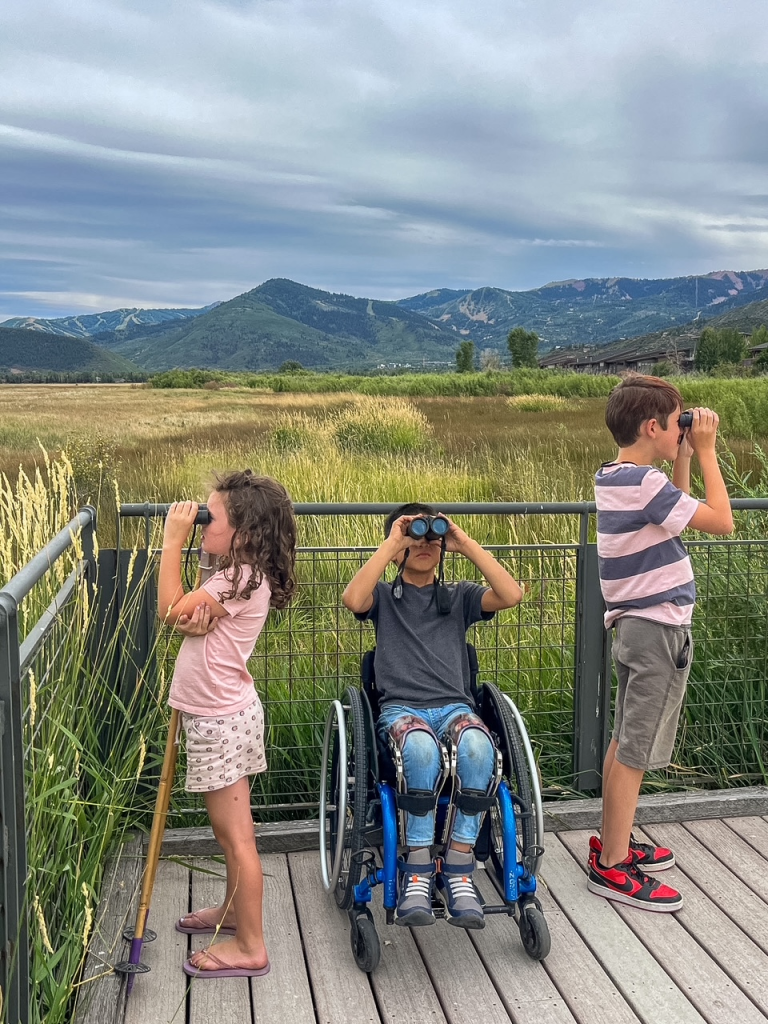
The preserve features extensive, flat boardwalks that cut through the wetlands, offering a quiet, sensory-rich experience. They even provide "adventure backpacks" for kids that include binoculars and field guides, making it a perfect spot for families with varying mobility needs.
Another must-visit is the Utah Olympic Park. While it serves as a training ground for elite athletes, the facility was designed with the public in mind.
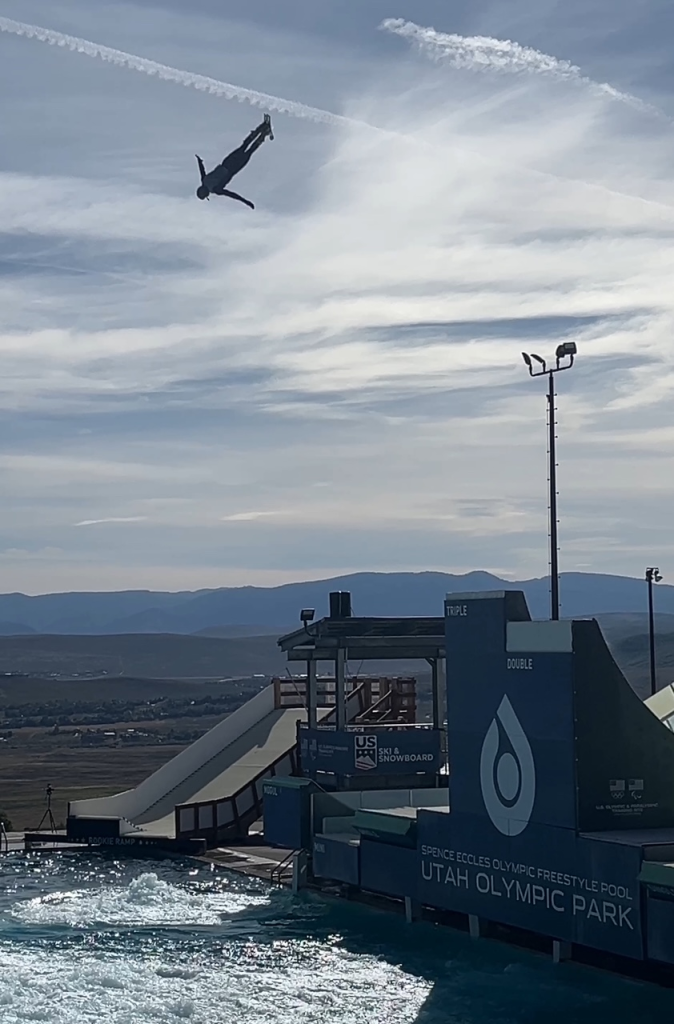
Standing on the accessible viewing platforms, you can watch the U.S. Olympic Team practice their freestyle jumps into a massive pool during the summer. The history of the 2002 Games is preserved here, and the museum is fully ADA-compliant, offering a deep dive into the technical evolution of winter sports.
Navigating the City: Seamless Accessibility
One of the biggest hurdles for wheelchair-friendly travel is the "last mile"—getting from your hotel to the mountain or a restaurant. Park City has solved this better than almost any city I’ve visited.
Is Park City wheelchair accessible? In a word: Absolutely. The city operates a free, fully wheelchair-accessible bus and trolley system.
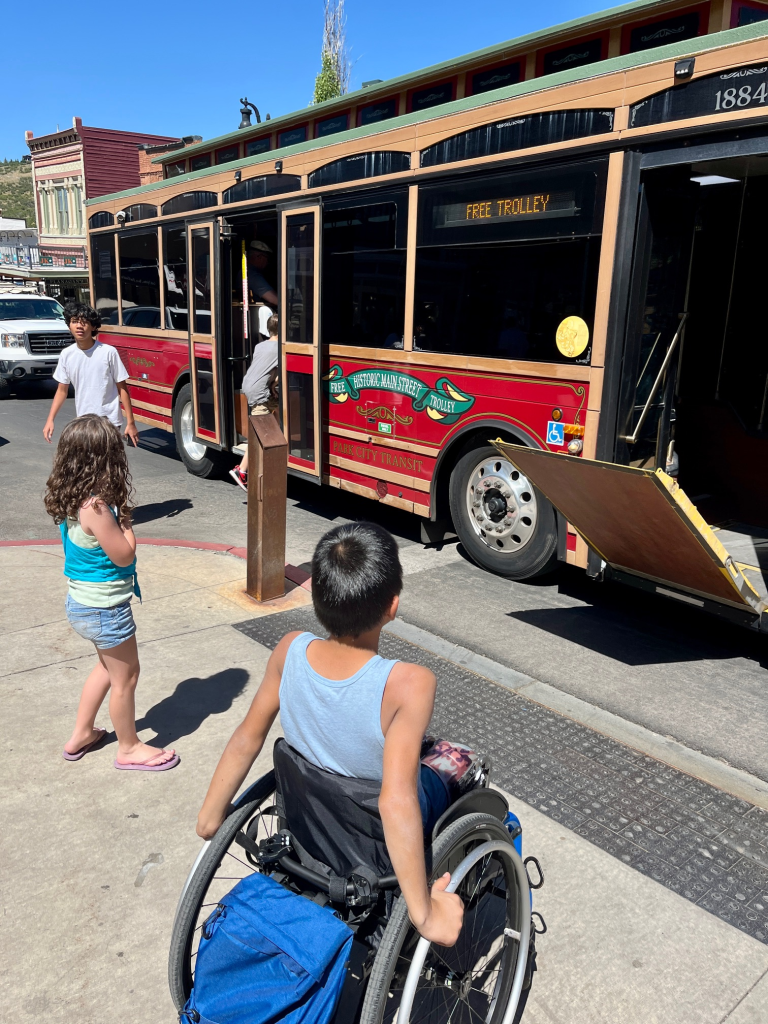
The drivers are trained in rapid-deploy ramps and securement, and because the buses run on a high-frequency schedule, you never feel stranded. Even the historic Main Street, which sits on a significant incline, is manageable thanks to the trolley that shuttles visitors up and down the hill.
For those arriving from out of state, the logistics have never been smoother.
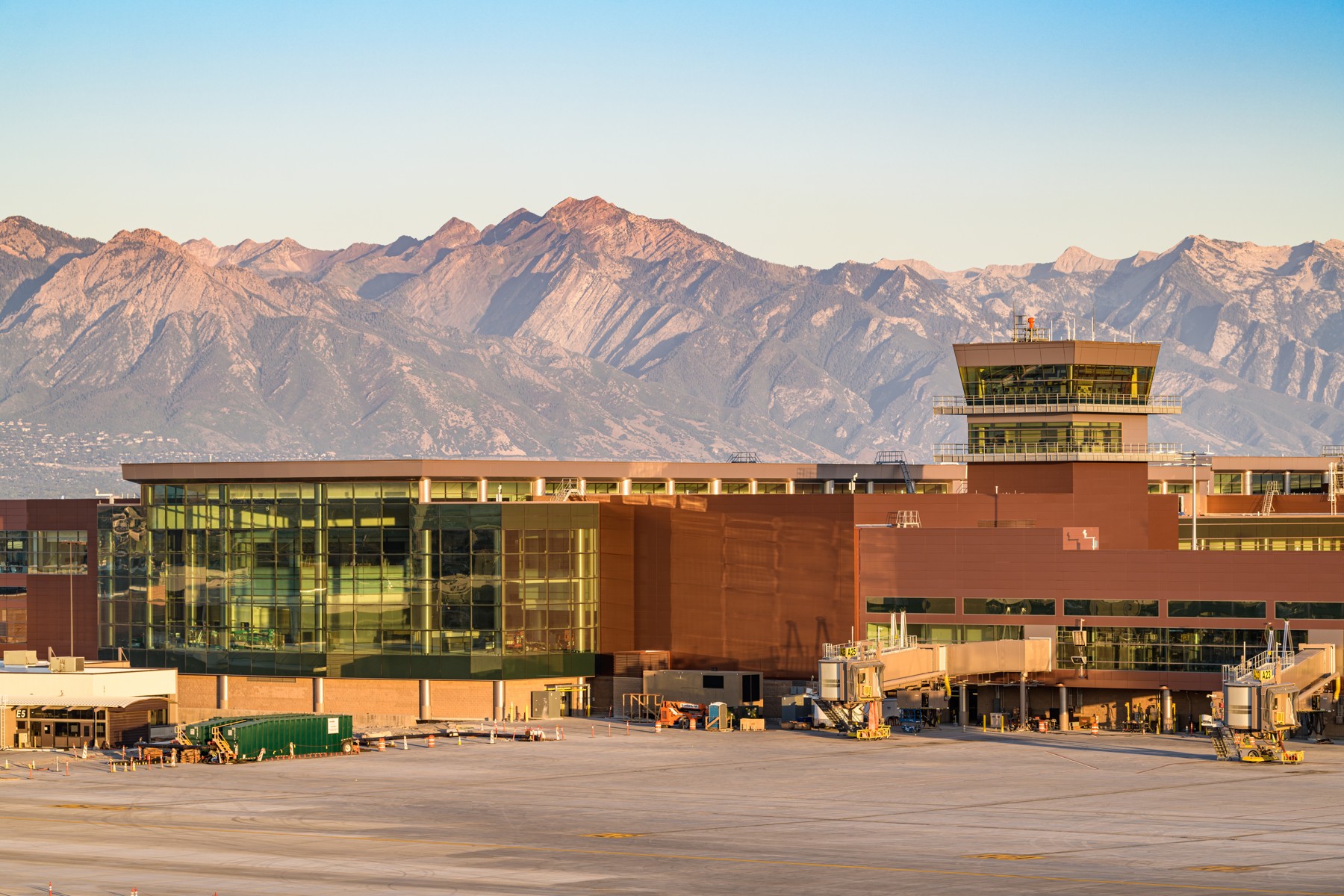
The "all-new" Salt Lake City International Airport (SLC) was designed with the latest ADA standards, featuring massive elevators, level boarding, and dedicated service animal relief areas. From the airport, several shuttle companies, such as Canyon Transportation, offer specialized vans with lifts to bring you directly to Park City.
Where to Fuel and Rest
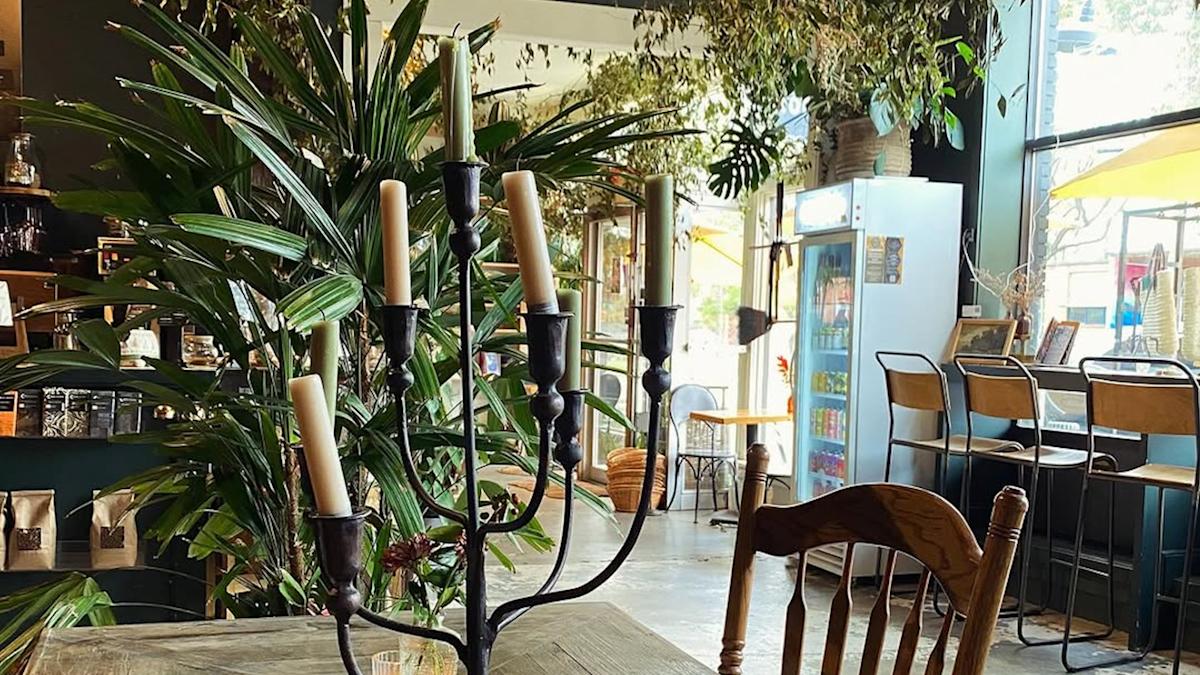
After a day of monoskiing or exploring the preserve, you need a place that’s as accommodating as the trails. Park City’s dining scene has evolved to be incredibly spacious and welcoming.
Top Accessible Dining Picks
| Venue | Best For | Accessibility Highlight |
|---|---|---|
| Vessel Kitchen | Healthy, scratch-made bowls | Wide aisles, low-profile ordering counters, and plenty of accessible parking. |
| Salt Box | Sustainable brunch & coffee | A bright, airy space with an open floor plan and easy-access outdoor seating. |
| The Eating Establishment | Classic Main Street comfort food | Despite being on the historic hill, it offers a level entry and accessible restrooms. |
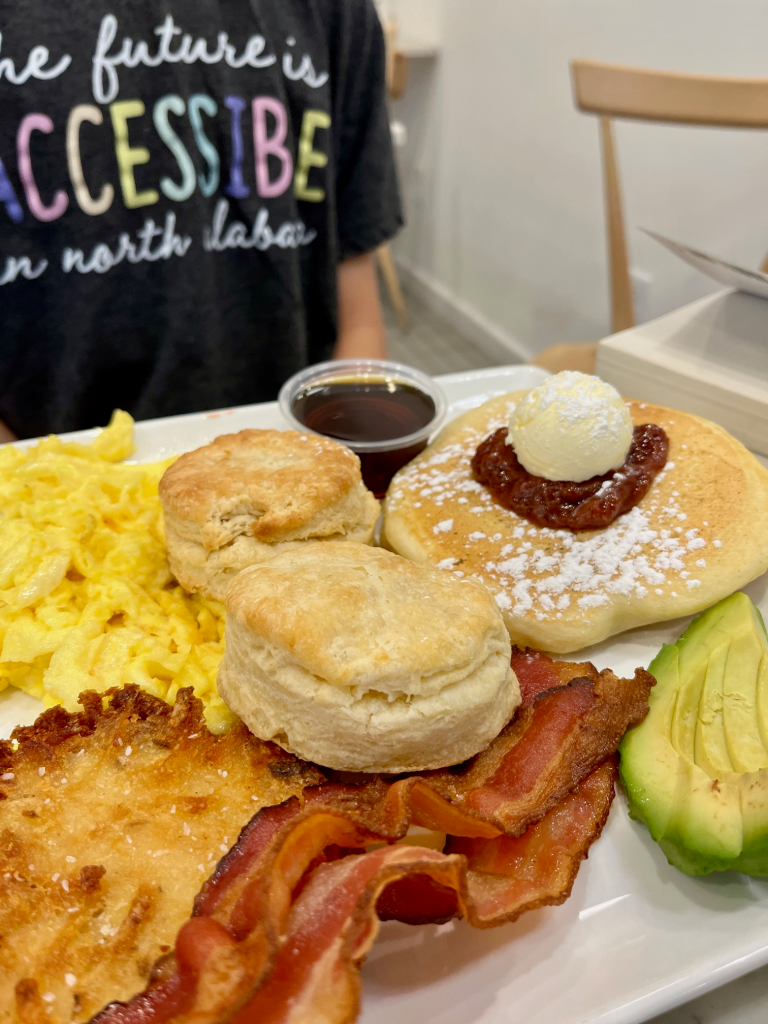
When it comes to lodging, you have two distinct paths. If you want to be in the center of the action, the Sheraton Park City offers high-end ADA rooms with roll-in showers and proximity to the free bus lines. However, for a more immersive experience, the National Ability Center’s McGrath Family Mountain Lodge offers specialized housing on their ranch, designed specifically for individuals and families participating in their programs.
Marcus’s Pro Tip: If you are flying with a power chair or require supplemental oxygen, always call your airline at least 48 hours in advance. While SLC is modern, giving the ground crew a heads-up ensures your equipment is handled with the care it deserves.
FAQ
1. Do I need to book adaptive lessons in advance? Yes, absolutely. Because the National Ability Center provides one-on-one instruction and specialized equipment tailored to your specific needs, it is highly recommended to book at least 2-4 weeks in advance, especially during peak winter and summer seasons.
2. Is the free bus system really wheelchair friendly? Yes. Every bus in the Park City transit fleet is equipped with low-floor entry and ramps. The drivers are exceptionally helpful with securing chairs, and the system connects all major resorts, Main Street, and the outlying shopping districts.
3. Are scholarships available for international visitors? The NAC’s mission is to serve everyone regardless of their ability to pay. While many scholarships are focused on local residents or veterans, they encourage all participants to apply for financial aid if needed.
Park City is no longer just a "ski town." It is a blueprint for what a modern, inclusive mountain community should look like. Whether you're carving through fresh powder on a monoski or watching the sunset from the Swaner boardwalk, the message here is clear: the mountain belongs to everyone.