Most travelers visit Cape Town for the iconic silhouette of Table Mountain or the windswept beauty of Cape Point. But for those willing to look a little closer—and perhaps get their ankles wet—a different kind of wonder awaits. Beneath the surface of the Atlantic and Indian Oceans, within the sway of giant bamboo kelp, lies one of the world’s most productive and diverse wild food landscapes.
This is the world of coastal foraging, an ancient practice that is seeing a vibrant resurgence along the South African coastline. It’s a journey that challenges what we call "seaweed blindness"—the tendency to see the shoreline as a backdrop rather than a pantry. In Cape Town, the coastline isn't just a view; it's a grocery store.
The best coastal foraging experiences in Cape Town are concentrated along the False Bay coastline, specifically around the rocky shores of Simon's Town, Scarborough, and Smitswinkel Bay. Here, organizations like Veld & Sea and RE Wild Food lead guided workshops that teach travelers how to ethically identify and harvest everything from protein-rich seaweed to invasive mussels and indigenous fynbos. It is a sensory immersion where the barrier between nature and plate disappears.
The Marine Supermarket: Biodiversity by the Numbers
Cape Town’s coastal waters are a biological miracle. Because the city sits at the confluence of the cold Benguela current and the warmer Agulhas current, the marine ecosystem is incredibly diverse.
Statistical research shows that South Africa’s coastal waters host over 900 species of seaweed. Perhaps more surprising is that 99.8% of these species are either edible or non-toxic to humans. In fact, there is only one known species—the "Acid Weed" (Desmarestia firma)—that is inedible due to its sulfuric acid content, which can cause an upset stomach. This makes the Cape Peninsula one of the safest places in the world for a novice forager to start their journey.
However, "edible" doesn't always mean "accessible." The waters here are bracing. Foraging and diving temperatures typically range between 14°C and 18°C (57-64°F) year-round. While the cold is invigorating, a 4mm or 5mm wetsuit is highly recommended if you plan on doing more than just rock-pooling. The cold water is exactly what makes the seaweeds so nutrient-dense, packed with minerals and vitamins absorbed directly from the pristine swells of the Southern Ocean.
Sustainable Tip: Safety is the first rule of foraging. Always avoid foraging near urban drainage pipes, harbors, or heavy industrial zones like Sea Point or Muizenberg beach. The most pristine "ingredients" are found in the conservancy areas of the South Peninsula.
Guided Immersions: Where to Forage in Cape Town
For the conscious traveler, foraging shouldn't be a solo DIY project on the first go. The intertidal zone is a delicate ecosystem, and navigating it requires local knowledge.
Veld & Sea (Cape Peninsula)
Founded by Roushanna Gray, Veld & Sea is arguably the gold standard for wild food education in South Africa. Based at a beautiful nursery in Cape Point, their workshops often begin with a walk through the coastal fynbos before heading to the rock pools of Smitswinkel Bay. You won’t just learn about seaweed; you’ll learn how it pairs with heritage spices and indigenous plants like buchu and wild rosemary.
RE Wild Food (Scarborough/False Bay)
If you are looking for a more "submerged" experience, RE Wild Food, led by Justin Williams and Lindy Taverner, offers snorkel foraging. They take guests into the Great African Seaforest—the only forest of giant bamboo kelp on earth. Here, you learn the art of shoreline "pruning," identifying the best parts of the kelp to harvest while floating in the cathedral-like light of the underwater forest.
The Forager’s Code: Sustainability and Legality
As an editor focused on responsible tourism, I cannot stress this enough: foraging is an act of stewardship, not consumption. In South Africa, foraging is regulated to prevent over-exploitation.
To forage legally, you must obtain a Mollusk and Seaweed Permit from a local Post Office (it costs around R100 and is valid for a year). This permit allows you to harvest specific amounts of different species.
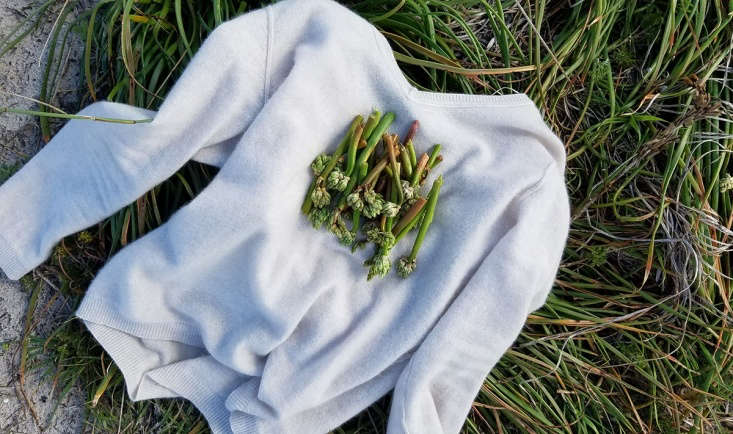
The most important ethical guideline is the "One-Third Rule". When harvesting a plant or seaweed:
- Take only one-third of the individual plant (e.g., snip the tips of the fronds).
- Leave one-third for the plant to regenerate.
- Leave one-third for the other creatures that depend on it for food or shelter.
Sustainability also means knowing when to be "aggressive." Foragers are encouraged to harvest the Mediterranean Mussel, an invasive species that outcompetes the indigenous black mussel. By harvesting these for your dinner, you are actively helping to restore the balance of the local rock pool ecosystem.

What’s in Your Mesh Bag? Species Guide
To help you identify your "groceries," here is a quick reference for the most common and delicious seaweeds found during a Cape Town low tide.
| Name | Taste Profile | Best Season | Culinary Use |
|---|---|---|---|
| Sea Lettuce (Ulva) | Salty, fresh, similar to sorrel | Year-round | Dried into flakes or fresh in salads |
| Nori (Porphyra) | Nutty, savory, high umami | Winter/Spring | Toasted into chips or used in stocks |
| Sea Bamboo (Ecklonia) | Mildly salty, crunchy | Year-round | "Sea noodles" or pickled stalks |
| Alikreukel | Sweet, meaty snail | All year (with permit) | Braised in butter and garlic |
Nori (Porphyra Capensis)
Often found as a dark, almost black film on the rocks at high tide, Cape Nori turns a vibrant purple-green when dried. It is incredibly rich in protein and Vitamin C. During RE Wild workshops, you might learn to press it into thin sheets or flash-fry it for a delicate tempura.
Kelp (Ecklonia maxima)
Known as the "architect" of the sea forest, kelp is the most versatile find. The long, hollow stipes (stems) can be sliced into rings to create "sea noodles." Because kelp contains natural glutamic acid—the source of umami—it acts as a natural flavor enhancer.
From Tide to Table: The Culinary Reward
The true magic of coastal foraging happens after the harvest. Back at the workshop kitchen or a beach-side fire, the day's "bounty" is transformed. You might find yourself stirring Mediterranean mussels into a spicy coconut milk broth, or whisking dried Sea Lettuce into a sourdough batter.
There is a profound connection to history here. Foraging in the Cape honors the heritage of the Khoisan and Strandloper people, the original inhabitants of this coast who lived off the "intertidal pantry" for millennia. Eating a foraged meal feels like listening to an "ancestral choir" of flavors—the salt, the crunch, and the deep mineral richness of the earth and sea combined.
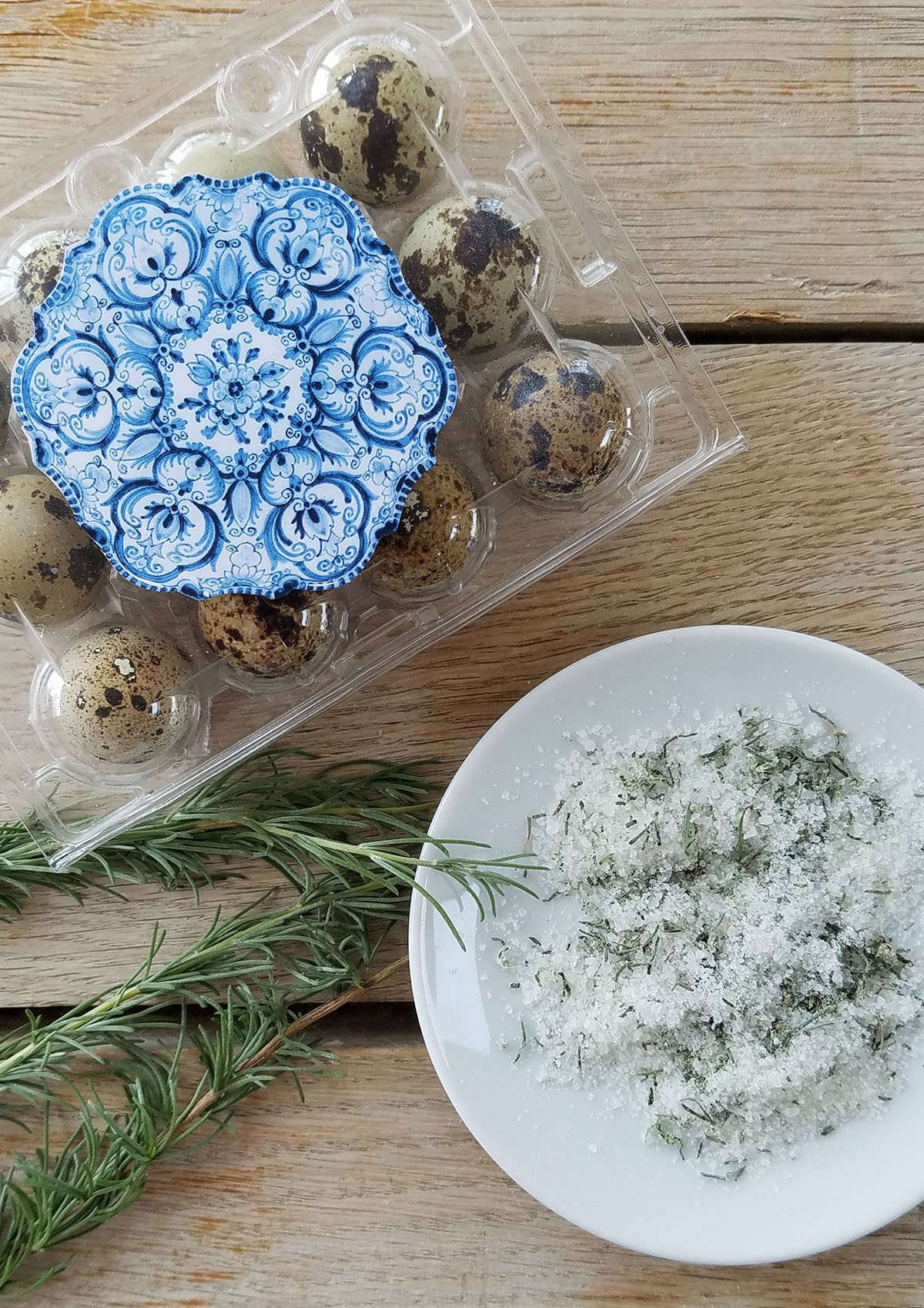
One of the most popular ways to preserve the experience is by creating Wild Rosemary Salt. By blending foraged sea salt with sun-dried coastal rosemary (Eriocephalus africanus), you capture the scent of the Cape dunes in a jar.
Practical Tips for Your First Forage
Before you head out to the rocks, keep these practical tips in mind:
- Check the Moon: Foraging is entirely dependent on the tides. The "Golden Hour" for foragers is during Spring Tide (which occurs around the full moon and new moon), when the low tide is at its lowest, exposing species that are usually submerged.
- Essential Gear:
- Scissors: Never pull seaweed off the rocks; you’ll destroy the holdfast (the "roots"). Snip it cleanly.
- Mesh Bags: Plastic bags cause seaweed to sweat and lose texture. Use mesh bags to allow the salt water to drain.
- Footwear: Rock pools are slippery and often home to sea urchins. Non-slip water shoes or old sneakers are non-negotiable.
- Sun Protection: The reflection of the sun off the water can be intense, even on cool days. Wear a hat and reef-safe sunscreen.
FAQ
Is it safe to eat seaweed raw right off the rocks? While most are non-toxic, it’s best to rinse them in fresh water first. Some species can be quite tough or salty when raw; cooking or drying them often improves the texture and concentrates the flavor.
Do I really need a permit for just a few handfuls? Yes. South African law requires a permit for any harvesting of marine life. It’s a small price to pay to support the conservation efforts of the Department of Forestry, Fisheries and the Environment.
Can I forage anywhere in Cape Town? No. You cannot forage in Marine Protected Areas (MPAs) where all extraction is prohibited. Always check the boundaries of the Table Mountain National Park marine zones before you head out.
A New Way to See the Sea
Coastal foraging in Cape Town is more than just a culinary trend; it is a gateway to environmental literacy. When you learn to identify the difference between Sargassum and Ulva, you stop being a spectator and start being a participant in the ecosystem.
Next time you stand on the shores of False Bay, don't just look at the horizon. Look down at the shimmering pools at your feet. There is a feast waiting to be discovered, provided you approach with a pair of scissors, a permit, and a heart full of respect for the wild.