The name "Dry Tortugas National Park" is, quite frankly, one of the greatest misnomers in the entire U.S. National Park system. When I first stepped off the seaplane and felt the salt spray hit my face, I realized that "Dry" is the last word that should describe this place. In reality, this is America’s wettest national park. Nearly 99% of its 100-square-mile territory is submerged beneath the crystalline turquoise waters of the Gulf of Mexico. The "Dry" part of the name was actually a warning left by early Spanish explorers: these islands have no fresh water. If you get stranded here, you’re in trouble.
Dry Tortugas National Park is located approximately 70 miles west of Key West, Florida, and is accessible only via the Yankee Freedom ferry, private seaplane, or chartered boat. It is a remote, hauntingly beautiful archipelago of seven keys that feels worlds away from the neon lights of Duval Street. Because of its isolation, it remains one of the least visited national parks in the country, seeing roughly 84,000 visitors annually. To put that in perspective, that’s an average of just 230 people per day—roughly the capacity of a single mid-sized airplane—sharing an entire marine paradise.
Getting There: Choosing Your Expedition Vessel
Getting to the Dry Tortugas is half the adventure. You can’t just hop in a car and drive; you have to commit to the journey across the open Gulf. Most travelers choose between the high-speed ferry or the luxury of a seaplane. In my experience, each offers a completely different perspective of the Florida Keys' transition into the deep blue.
The Yankee Freedom Ferry is the most common route. It’s a 2 hour and 15 minute journey each way. While it’s the more affordable option at roughly $200 per adult, it’s also a full-day social affair. You’ll get breakfast and lunch included, along with complimentary snorkel gear. However, if you have the budget, I always recommend the Seaplane. Flying at just 500 feet, you can spot shipwrecks, massive loggerhead turtles, and even pods of dolphins through the clear water. Plus, you get to the park in 40 minutes, beating the ferry crowds to the best snorkeling spots.
| Feature | Yankee Freedom Ferry | Seaplane Charters |
|---|---|---|
| Approximate Cost | $200 per adult | $360 (Half-day) to $650 (Full-day) |
| Travel Time | 2 hours 15 minutes | 40 minutes |
| Daily Capacity | Up to 175 passengers | Very limited (10-15 per flight) |
| Inclusions | Breakfast, lunch, snorkel gear, fort tour | Snorkel gear, coolers with ice, aerial tour |
| Check-in Time | 7:00 AM for 8:00 AM departure | 30 minutes before flight |
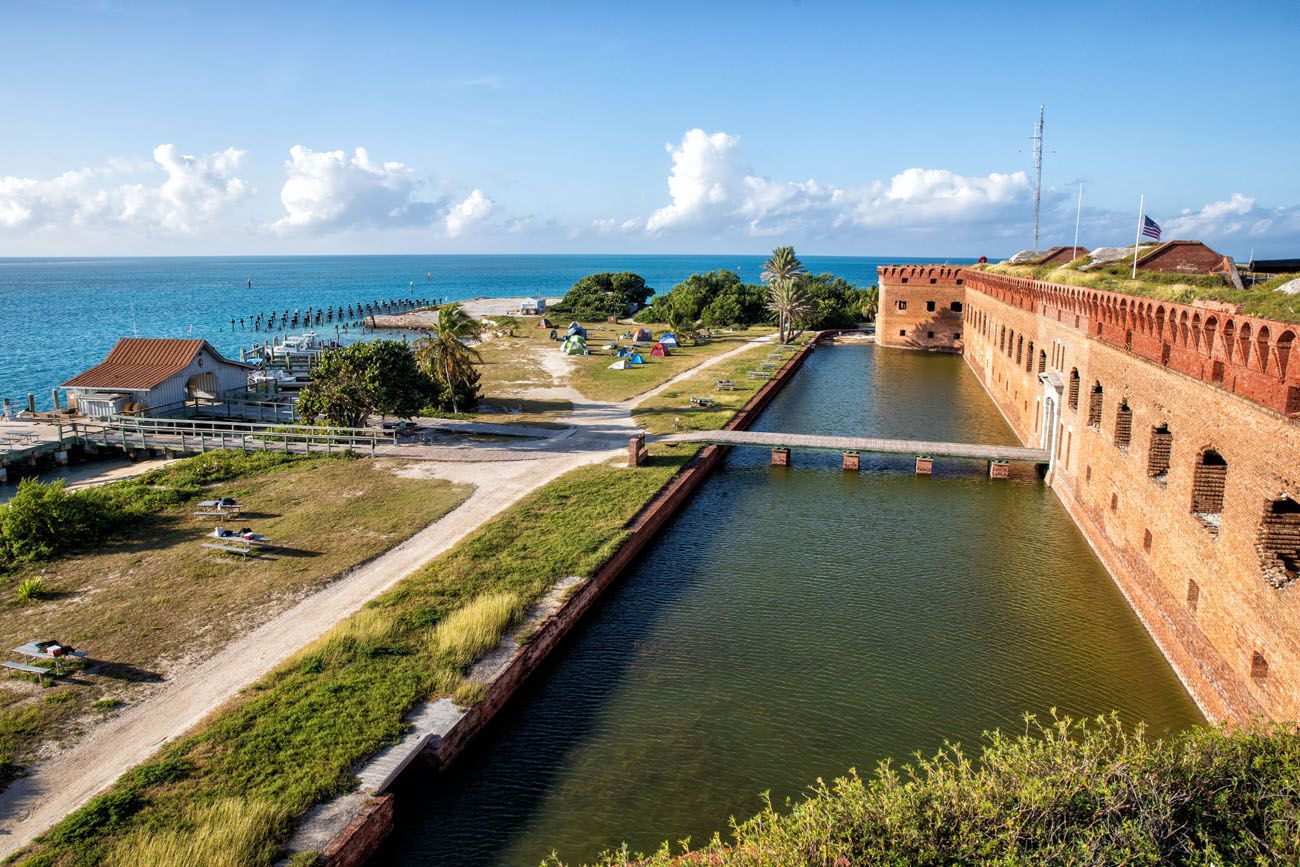
Pro-Tip: Book Your Transit Yesterday Whether you're taking the ferry or the seaplane, reservations often fill up 6 to 9 months in advance, especially during the peak spring season. If you plan on camping, you need to book the ferry even earlier, as they only allow 10 campers per day on the boat.
Exploring Fort Jefferson: The ‘Guardian of the Gulf’
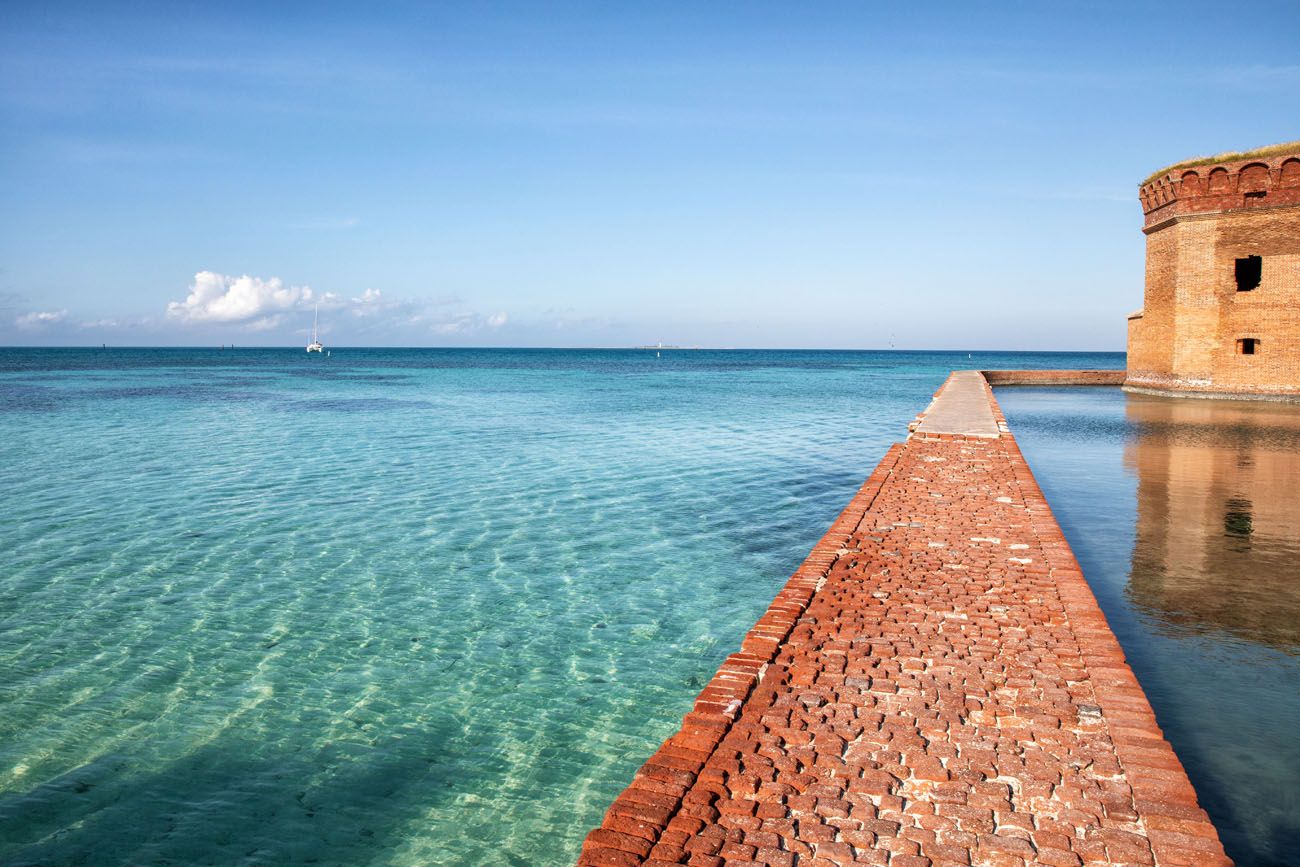
The primary attraction at Dry Tortugas is Fort Jefferson on Garden Key. Standing in the middle of the ocean, this massive 19th-century coastal fortress looks like a hallucination. Built with over 16 million bricks, it is one of the largest masonry structures in the Western Hemisphere. It was designed to protect the strategic deep-water harbor and control the ship traffic entering the Gulf of Mexico.
Walking through the sally port and into the parade grounds, you feel the weight of maritime lore. The fort once served as a federal prison, most notably for Dr. Samuel Mudd, the physician who treated John Wilkes Booth after the assassination of Abraham Lincoln. You can still visit his cell, a somber reminder of the fort's harsh history.
I spent hours wandering the three levels of the fort. My favorite spot? The third-level roof. There are no guardrails here, so watch your step, but the 360-degree views of the surrounding turquoise reefs are unparalleled. From this vantage point, you can truly see how the fort earned its nickname as the "Guardian of the Gulf."
Beneath the Surface: Snorkeling & Marine Life
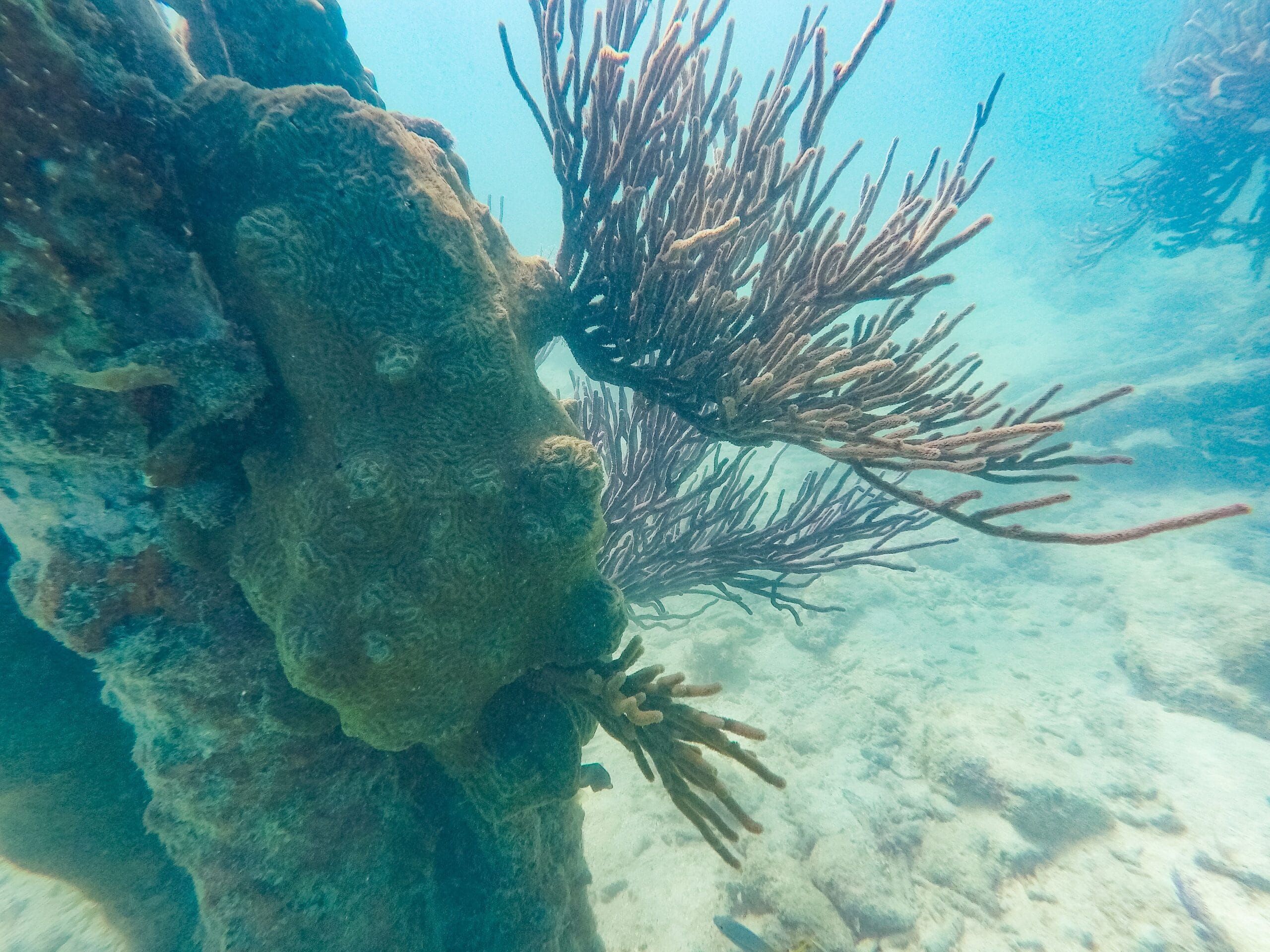
While the fort is a marvel of human engineering, the real soul of the park lies beneath the waves. Because less than 1% of the park is dry land, the Dry Tortugas National Park guide experience is fundamentally an underwater one. The park sits at the end of the Florida Reef Tract, the third-largest barrier reef system in the world.
The water here is exceptionally clear, often providing 60 to 80 feet of visibility. You don’t even need a boat to find world-class snorkeling. Some of the best spots are accessible right off the beach at Garden Key:
- The Moat Wall: This is perfect for beginners. As you swim alongside the exterior of the fort’s moat wall, you’ll find vibrant corals growing directly on the bricks. Keep an eye out for reef squid—they are masters of camouflage but often hover in small groups near the wall.
- South Coaling Dock Ruins: These massive iron pilings are now encrusted with brain coral and sea fans. This area is a magnet for larger marine life; I’ve spotted nurse sharks and Goliath groupers lurking in the shadows of the ruins.
- North Coaling Dock Ruins: Expect high concentrations of snapper, grunts, and parrotfish. This is also a prime spot to see pelicans diving for their lunch from the pilings above.
Beyond Garden Key: Bush Key and Loggerhead Key
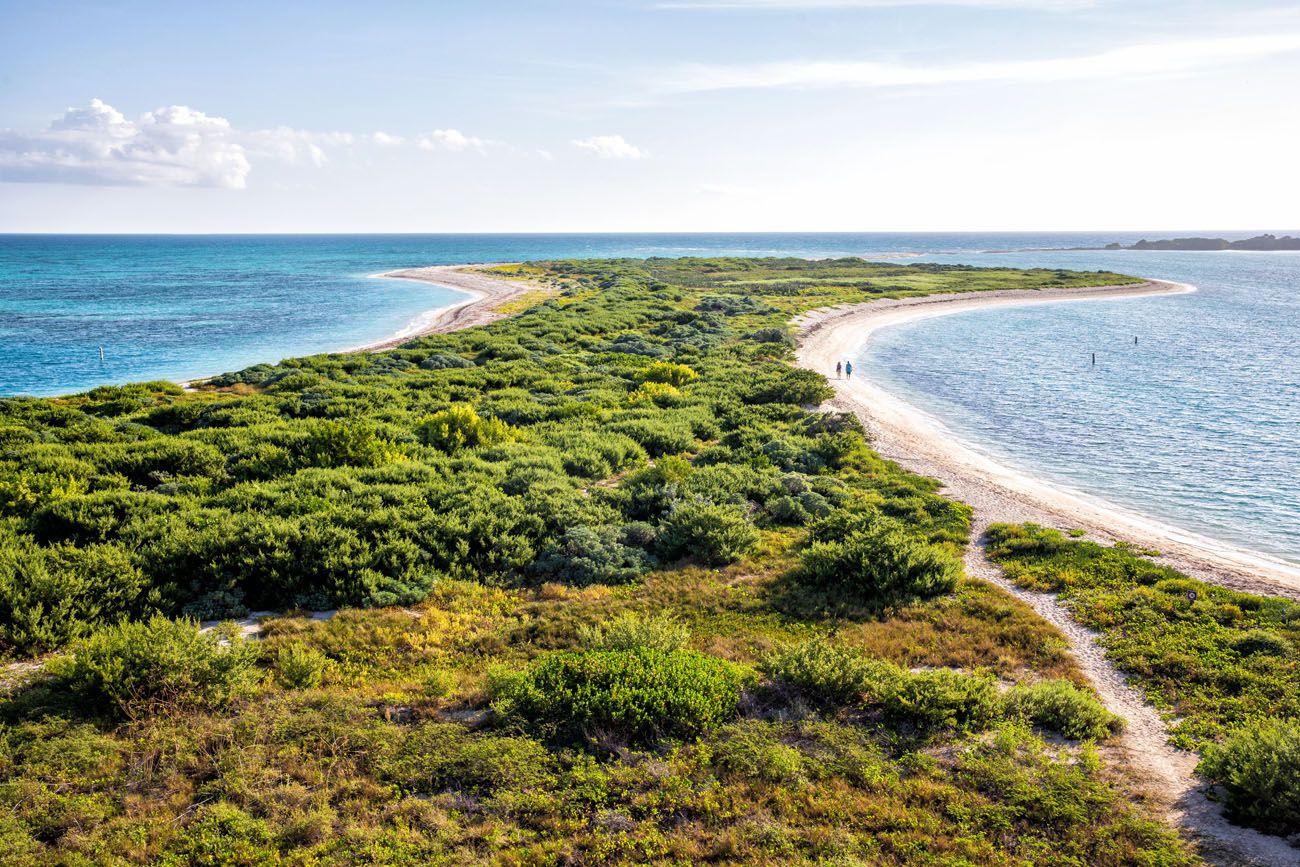
While Garden Key is the hub, the surrounding islands offer a deeper dive into the archipelago’s biodiversity. Bush Key is connected to Garden Key by a narrow sandbar. It is a primitive, raw stretch of land that serves as the only significant nesting colony of Sooty Terns in the United States.
From February through September, the island is closed to protect the nesting birds, but you can still view the spectacle from the fort’s ramparts. Seeing tens of thousands of birds swirling above the white sand is a scene straight out of a National Geographic documentary.
If you have more time (and a private boat or a kayak reservation), head 3 miles west to Loggerhead Key. It’s the largest island in the park and home to the iconic Loggerhead Lighthouse. The snorkeling at "Little Africa" on the west side of Loggerhead Key is arguably the best in the park, featuring massive coral heads that resemble the continent of Africa when viewed from above.
Keep your eyes peeled for the four species of sea turtles that frequent these waters: Green, Hawksbill, Leatherback, and the namesake Loggerhead. These ancient mariners are the reason Ponce de León named the islands "Las Tortugas" back in 1513.
Surviving the Night: Camping on Garden Key
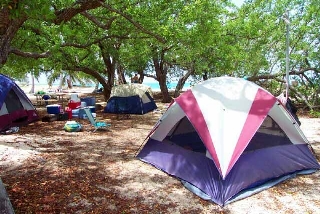
For the truly adventurous, day-tripping isn't enough. To experience the Dry Tortugas in their purest form, you have to stay the night. Camping here is primitive and requires military-grade preparation. There is a $15 fee, but the real cost is the logistics: there is no running water, no electricity, no cell service, and no trash cans. Everything you bring in, you must pack out.
When the Yankee Freedom ferry pulls away at 3:00 PM, the atmosphere on Garden Key shifts. The crowd of 200+ people vanishes, leaving only a handful of campers to inherit the island.
The reward for your effort is some of the best stargazing in the Northern Hemisphere. Because the park is 70 miles from the nearest city light, the Milky Way appears with a clarity that is almost disorienting. I remember sitting on the moat wall at midnight, the only sound being the rhythmic lapping of the Gulf against the bricks, watching satellites streak across a sky so thick with stars it looked like spilled salt.
Practical Trip Planning
Before you pack your bags, you need to time your visit. The peak season is January through March, when the weather is mild, but these months can also bring high winds that make the ferry ride a bit "sporty."
Hurricane season (June through November) is the biggest gamble. While the water is at its warmest and clearest for snorkeling, a single storm can cancel all trips for a week. I personally prefer the "shoulder" months of April and May—the water is warming up, the winds have calmed, and the bird nesting is in full swing.
Essential Packing List
- [ ] Reef-Safe Sunscreen: Traditional sunscreens contain chemicals that kill the coral. Look for non-nano zinc oxide formulas.
- [ ] Polarized Sunglasses: Essential for spotting marine life from the fort walls.
- [ ] Change of Clothes: The ferry has freshwater showers; you’ll want dry clothes for the ride back.
- [ ] Hydration: If you're camping, you need at least 2 gallons of water per person per day.
- [ ] Underwater Camera: A GoPro is a must for capturing the coaling dock ruins.
Plan Your Dry Tortugas Adventure →
FAQ
Can I visit Dry Tortugas in a single day? Yes, most visitors take the Yankee Freedom ferry from Key West, which gives you about 4 to 5 hours on the island. This is enough time to tour Fort Jefferson and do some snorkeling, but it will feel fast!
Is there food available at the park? No. There are no concessions, restaurants, or stores on the islands. If you take the ferry, breakfast and lunch are provided on the boat. If you arrive via seaplane or private boat, you must bring all your own food and water.
What is the best way to see sea turtles? While you might spot them while snorkeling, the best way to see them is from the air on a seaplane flight or by walking the moat wall during the early morning or late afternoon when the water is calm.
The Dry Tortugas is a reminder of what the world looks like when nature is left to its own devices. It’s a place where history is being slowly reclaimed by the sea, and where the line between the sky and the water disappears into a thousand shades of blue. Whether you’re a history buff, a birdwatcher, or a hardcore snorkeler, this remote outpost is a mandatory pilgrimage for anyone who loves the Great Outdoors. Don’t just read about it—get out there and experience the "wettest" national park for yourself.