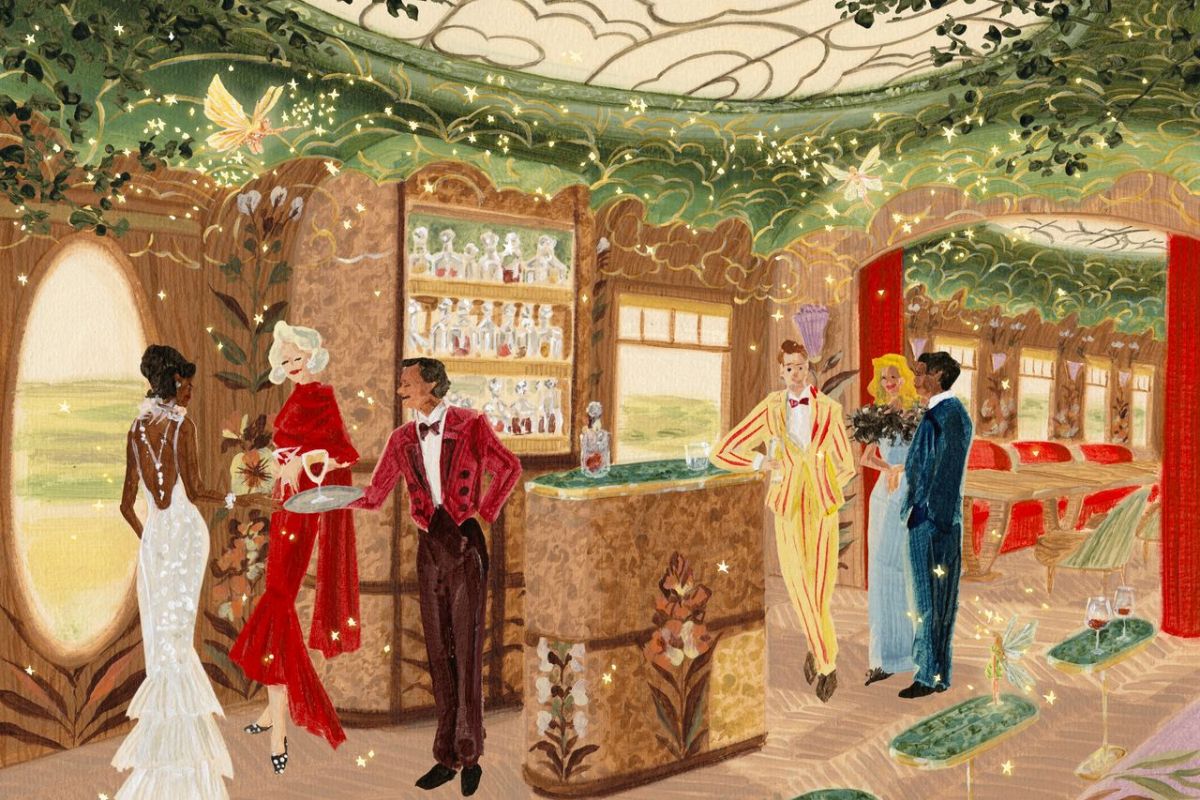
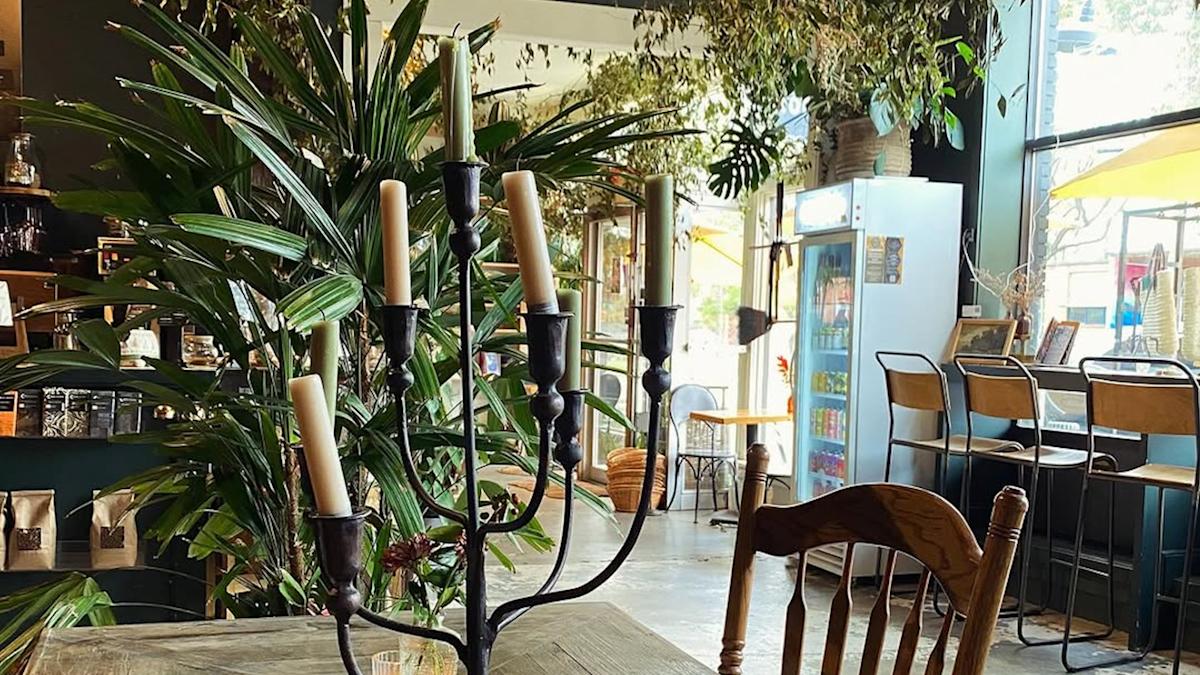
I remember my first morning in the 11th Arrondissement, standing before a boulangerie window as a fine, "dishwater gray" mist settled over the zinc rooftops. I had arrived with the romanticized vision of a solo traveler—the kind seen in vintage films—only to find that Paris, at first glance, felt like a beautifully locked box. The city didn't adjust its rhythm for me; it expected me to learn its tempo. This is the "French Nut"—that perceived barrier of aloofness and rigid social codes that can make a solo traveler feel like a ghost in a crowded room.
Yet, as we look toward 2026, the landscape of the city has softened without losing its soul. Recent data suggests that the accessibility of English-speaking services in Parisian artisan shops has increased by an estimated 65% since 2005. This shift has significantly lowered the barrier for international solo travelers, but the core challenge remains: how do you move from being a spectator to a participant? The secret to cracking the French nut isn't about finding the loudest tour guide; it is about the investment of Time.
Cracking the Cultural Nut: The Secret of 'Time'
To thrive in Paris alone, one must understand that "Time" is a functional asset, not a passive wait. In many global hubs, efficiency is the ultimate courtesy. In Paris, efficiency is often viewed as a lack of respect for the experience. Cracking the French nut requires a shift from "eating" to "dining," and from "touring" to "observing."
The foundation of every successful interaction in Paris is the "Bonjour" Protocol. This is not a mere greeting; it is a social contract. Whether you are entering a high-end boutique on Rue du Faubourg Saint-Honoré or a tiny cheese shop in the Marais, silence is seen as an intrusion. By saying "Bonjour, Madame" or "Bonjour, Monsieur" before you even look at a price tag, you acknowledge the individual's humanity. Only then do you earn the right to ask for a croissant or a recommendation.
The Secret Ingredient: Etiquette Tips
- The 10-Second Rule: Never rush into a question. Enter, say "Bonjour," wait for the acknowledgment, and then proceed.
- The Eye Contact Myth: Parisians aren't avoiding your gaze because they are rude; they are respecting your privacy. If you need help, a polite "Excusez-moi" paired with a smile will break the ice.
- The Volume Check: Paris is a city of hushed tones. Speaking loudly on the Metro or in a bistro marks you as an outsider faster than any map could.
Navigating the 'Villages' of Paris (Best Solo Neighborhoods)
When I counsel solo travelers, I tell them to stop looking at Paris as a monolithic city and start seeing it as a collection of villages. The grand boulevards are for transit; the backstreets are for living. For an authentic Paris experience in 2026, you must venture beyond the 1st and 7th Arrondissements.
- Belleville (20th): This is where the city’s multicultural energy vibrates. It’s gritty, artsy, and unpretentious. For a solo traveler, the Parc de Belleville offers a stunning view of the Eiffel Tower that feels earned, shared only with locals drinking wine on the grass.
- Butte-aux-Cailles (13th): This hilltop neighborhood feels like a time capsule. With its community-focused businesses, low-rise houses, and winding cobblestone streets, it is one of the few places where the "village" feel is literal. It is exceptionally safe and welcoming for solo explorers.
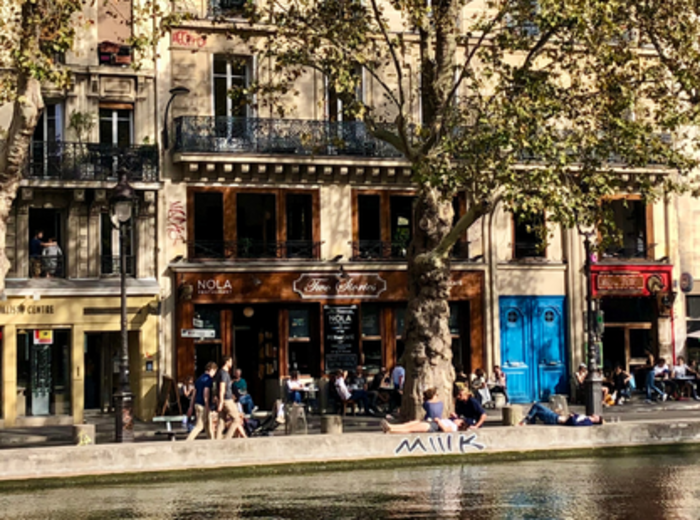
- Canal Saint-Martin (10th): This is the artery of daily Parisian life for the under-40 crowd. On a sunny afternoon, the banks are lined with solo locals reading, sketching, or simply dangling their legs over the water. It’s the perfect place to exist without the pressure of "doing."
While the 16th and 17th Arrondissements offer affluence and stunning architecture, they can feel sterile for someone traveling alone. The 10th, 11th, and 13th are where the social fabric is most accessible, allowing you to blend into the scenery.
The Solo Dining Survival Guide
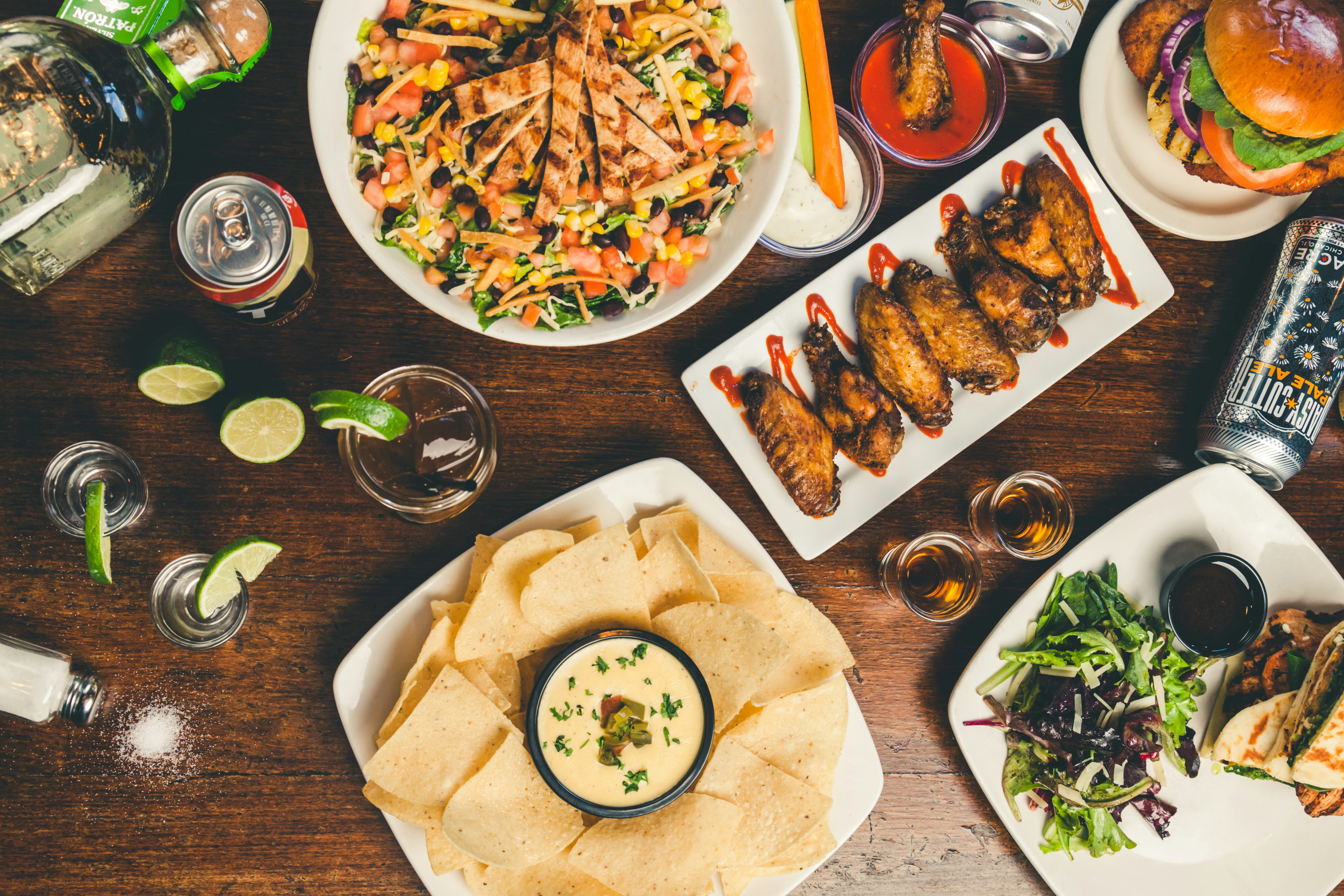
The greatest fear of the solo traveler is often the bistro table for one. However, in Paris, solo dining is not just socially acceptable; it is an art form. Unlike the "conveyor belt" service common in North America, where waitstaff aim to flip tables quickly, a French bistro is your living room for the duration of the meal.
To dine comfortably, remember that you are dining, not just eating. You are expected to take your time. You will rarely be brought the bill (the l'addition) until you ask for it. This isn't neglect; it’s a courtesy. Bringing the bill unprompted is considered a polite way of saying "get out."
Solo-Friendly Spots for 2026:
- Le Comptoir de la Gastronomie (Les Halles): Sit at the bar. The staff are bustling but kind, and watching the chefs plate foie gras is dinner and a show.
- Marché des Enfants Rouges (Le Marais): The oldest covered market in Paris. You can grab a plate of Moroccan tagine or Japanese bento and find a spot at a communal table.
- Café de Flore (Saint-Germain): Yes, it’s iconic, but it is also the ultimate spot for "people-watching-as-an-activity." Bring a book, order a chocolat chaud, and stay for two hours. No one will mind.
Beyond Sightseeing: Memory-Based Tourism
The modern solo traveler in Paris is moving away from the "checklist" and toward "acquisition." Data from local culinary workshops indicates that 'Memory-Based' tourism now accounts for 40% of activity bookings for solo travelers in the 1st and 4th Arrondissements.
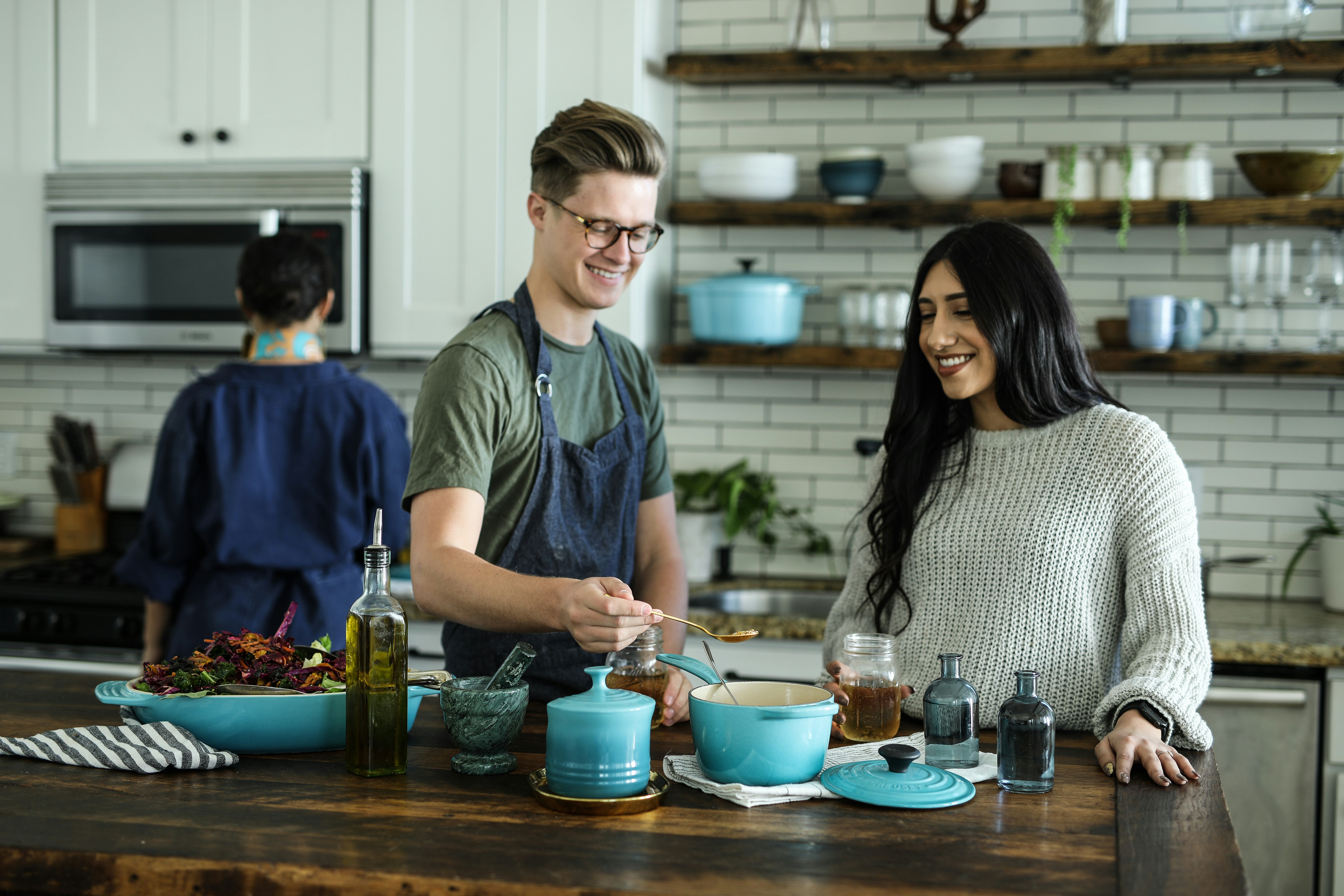
Instead of standing in line for the Louvre for three hours, soloists are choosing to spend those three hours in a basement in Le Marais, learning the precise chemistry of a perfect macaron or the history of French sauce-making. These interactive workshops act as a bridge, allowing you to interact with experts and fellow travelers in a structured, low-pressure environment. It transforms you from an outsider into a temporary "expert" in a specific niche of French culture.
Pro Tip: Look for classes that include a market visit. Walking through a neighborhood with a chef who knows every cheese monger by name is the fastest way to feel like you "belong" to the city.
Safety and Logistics for the Soloist
Paris is generally safe, but navigating the logistics in 2026 requires a bit of foresight. The transit system is excellent, but your choice of ticket can define your stress levels.
Metro Mastery 2026
| Pass Type | Best For | Estimated Cost |
|---|---|---|
| Navigo Découverte | Stays of 5+ days (Mon-Sun cycle) | ~€35/week + €5 card fee |
| Navigo Easy | Short stays; reloadable 10-packs | ~€17 for 10 rides |
| Single Tickets | Rare users; purchased via app | ~€2.15 per ride |
A Note on Scams: Be wary of the "Gold Ring" scam (where someone "finds" a ring and tries to give it to you) or the "Friendship Bracelet" around Sacré-Cœur. A firm "Non, merci" and continued walking is your best defense. Also, while cards are king, keep a €150 cash reserve. Small boulangeries or flea market stalls sometimes have a €10 or €15 minimum for card payments.
Finding Your 'Proustian Moment' in Hidden Gems
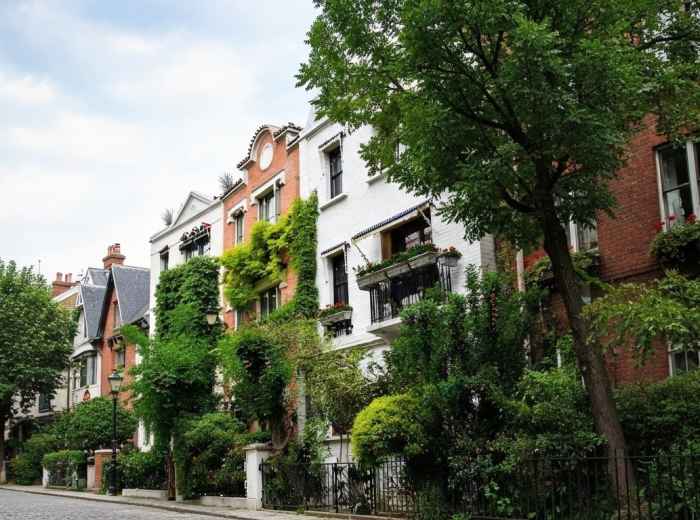
To truly crack the French nut, you must seek what I call "wonky perfection." It’s the charm of the imperfect. You find it at Marché d'Aligre, where the produce isn't photogenic but tastes of the earth. You find it in the ivy-covered lanes of Villa Léandre in Montmartre, away from the selfie-sticks of Place du Tertre.
One of my favorite solo rituals is the Hammam experience at the Grande Mosquée de Paris. It is a half-day self-care ritual that is deeply communal yet profoundly private. Sitting in the steam with local Parisian women, sipping mint tea afterward in the courtyard—it is a moment where the city’s layers of history, immigration, and tradition coalesce into something beautiful.
FAQ
Is it safe for a woman to travel solo in Paris at night? Yes, Paris is very walkable at night. Stick to well-lit main boulevards and be aware of your surroundings, especially around major transit hubs like Gare du Nord. The 11th and 10th Arrondissements are usually bustling with people until late.
Do I really need to speak French? While 65% of shops have English-speaking services now, knowing basic phrases like "Je voudrais..." (I would like...) and "S'il vous plaît" (Please) is essential for social grease. It shows you are making an effort to respect their culture.
How do I handle the "rude" waiter? Usually, it’s a misunderstanding of service styles. If you feel ignored, catch their eye and raise your hand slightly. Remember, they aren't ignoring you; they are giving you "space."
Ready to Write Your Own Paris Story?
Cracking the French nut isn't about breaking down a door; it's about waiting for the city to open its heart to you. Whether you’re sipping a glass of Chablis alone at a zinc bar or mastering the art of the puff pastry, your solo journey is an investment in your own perspective.