I have spent the better part of two decades reviewing luxury destinations and analyzing the shifting tides of global travel policy, but nothing prepared me for the sheer economic disparity of the fertility market. For many professionals in their 30s, the "biological clock" isn't just a physiological pressure; it is a financial one. In major American hubs like New York or Los Angeles, the price of proactive family planning is often prohibitive, forcing a choice between a down payment on a home or reproductive security. However, when you apply the same critical eye used to evaluate international business hubs to the world of reproductive science, a clear outlier emerges: Barcelona.
The decision to travel for medical care—often termed "fertility tourism"—is no longer a fringe movement. It is a calculated, data-driven strategy for those who refuse to accept the $30,000 baseline of the American healthcare system. By shifting the "retrieval site" from a US-based clinic to a top-tier facility in Catalonia, I discovered that one can achieve a superior medical experience while realizing a cost reduction of over 80%. This isn't just about a "medical vacation"; it is about a $20,000 arbitrage on the most important investment of your life.
The Financial Breakdown: Barcelona vs. Major US Cities
When we look at the raw data, the US fertility market operates on a model of extreme fragmentation and high pharmaceutical markups. In cities like San Francisco or Chicago, a single cycle of egg freezing rarely exits the door for less than $25,000 once you factor in the "mandatory extras."
How much does egg freezing cost in Barcelona compared to the US? A single cycle in Barcelona costs under €4,000 (approx. $4,300) including medication, whereas the same procedure in major US cities averages between $25,000 and $30,000. This disparity isn't a reflection of quality, but rather of a regulated European market where pharmaceutical prices are capped and clinical efficiency is maximized.
| Expense Category | Major US City (Average) | Barcelona, Spain (Average) | Savings (%) |
|---|---|---|---|
| Medical Procedure (Retrieval) | $12,000 – $15,000 | $3,200 – $3,800 | ~75% |
| Medications/Hormones | $5,000 – $8,000 | $1,100 – $1,500 | ~80% |
| Initial Testing/Ultrasounds | $1,500 – $3,000 | $500 – $800 | ~70% |
| Annual Storage Fee | $1,500 – $2,500 | $430 – $540 | ~75% |
| Total Per Cycle | $20,000 – $28,500 | $5,230 – $6,640 | Over 75% |

By choosing Barcelona over Los Angeles, patients can achieve a cost reduction of over 80% on medical procedures and medication, totaling roughly $20,000 in savings per cycle. Even when factoring in a three-week stay in a high-end Eixample apartment and round-trip business class airfare, the total expenditure remains less than half of a standard US cycle.
Why Barcelona? More Than Just the Price Tag
While the financial incentive is the primary driver, Barcelona’s dominance in the fertility sector is built on medical excellence. Spain has long been the "California of Europe" regarding reproductive rights and scientific innovation.
Is egg freezing in Spain accessible for single women? Yes, Spain is one of the most progressive destinations globally for single women and international patients. Unlike some European neighbors that restrict fertility treatments to heterosexual married couples, Spanish law (Law 14/2006) ensures that all women—regardless of marital status or sexual orientation—have equal access to reproductive technology.
Medical Excellence
The clinics in Barcelona are not "budget" alternatives; they are world-class institutions. Most top clinics hold ESHRE (European Society of Human Reproduction and Embryology) accreditation and adhere to rigorous ISO standards. The high volume of international patients means that doctors here are exceptionally skilled in the latest vitrification (flash-freezing) techniques, which are crucial for egg survival rates during thawing.

The Recovery Backdrop
From a critic's perspective, the "environment" of a medical procedure significantly impacts the patient outcome. The stress of navigating US traffic and the high-pressure work culture can negatively affect hormone levels during the stimulation phase. Barcelona, by contrast, offers a walkable, low-stress environment.
The city’s layout allows patients to stroll between their appointments and the beach or a quiet park. The Mediterranean diet—rich in healthy fats and fresh produce—aligns perfectly with the nutritional recommendations for those undergoing hormone stimulation. This "recovery backdrop" transforms a clinical burden into a period of self-care and reflection.

Storage Costs: The Long-Term Value Proposition
A common oversight in fertility planning is the "subscription model" of egg storage. In the US, the bill doesn't stop after the retrieval. Patients are often locked into annual storage fees that can reach $2,500, creating a significant long-term financial liability.
What are the storage costs for frozen eggs in Spain? Many clinics in Barcelona include up to four years of storage within the initial package price; subsequent years cost roughly €400 to €500 ($430 - $540), compared to the $1,500–$2,500 per year standard in the United States.
While US patients often pay $1,500+ annually for egg storage, Spanish fertility packages frequently offer 48 months of complimentary storage, providing an additional $6,000 in long-term value. Over a ten-year horizon, the storage savings alone could pay for an entire second retrieval cycle in Spain.

Logistics: Planning Your 3-Week 'Fertility Moon'
To execute this successfully, one must treat the trip with the precision of a business expedition. The typical stay requires 18 to 21 days in Barcelona, covering the stimulation phase through the retrieval and the mandatory 24-hour recovery period before flying.
The Timeline
- Month 1-2: Virtual consultations and initial screening.
- Day 1 of Cycle: Arrive in Barcelona (or have medications shipped to you to start at home).
- Day 1-10: Hormone stimulation with monitoring appointments every 48 hours.
- Day 12-14: The "Trigger Shot" and Egg Retrieval.
- Day 15-18: Recovery and flight home.

Pre-Travel Requirements
Before you board the plane, you must complete a "Fertility Panel." This typically includes an AMH (Anti-Müllerian Hormone) test to assess your ovarian reserve and an antral follicle count via ultrasound. Performing these in your home country allows the Spanish clinic to tailor your medication protocol before you even arrive, ensuring you hit the ground running.

Pro Tip for Remote Workers: Barcelona is 6 to 9 hours ahead of US time zones. This is a strategic advantage. You can attend your clinical monitoring appointments in the morning (Spain time) and be back at your laptop by 2:00 PM—just as the East Coast of the US is waking up. You can maintain a full-time 9-to-5 job without taking a single day of "sick leave" until the actual retrieval day.
The Retrieval Process: What to Expect
The medical process in Spain is remarkably efficient. The stimulation phase involves self-administered injections of FSH (Follicle Stimulating Hormone). In the US, these drugs—like Gonal-F or Menopur—can cost upwards of $6,000. In Spain, the exact same brands, manufactured in the same European labs, are available at local pharmacies for roughly $1,200.
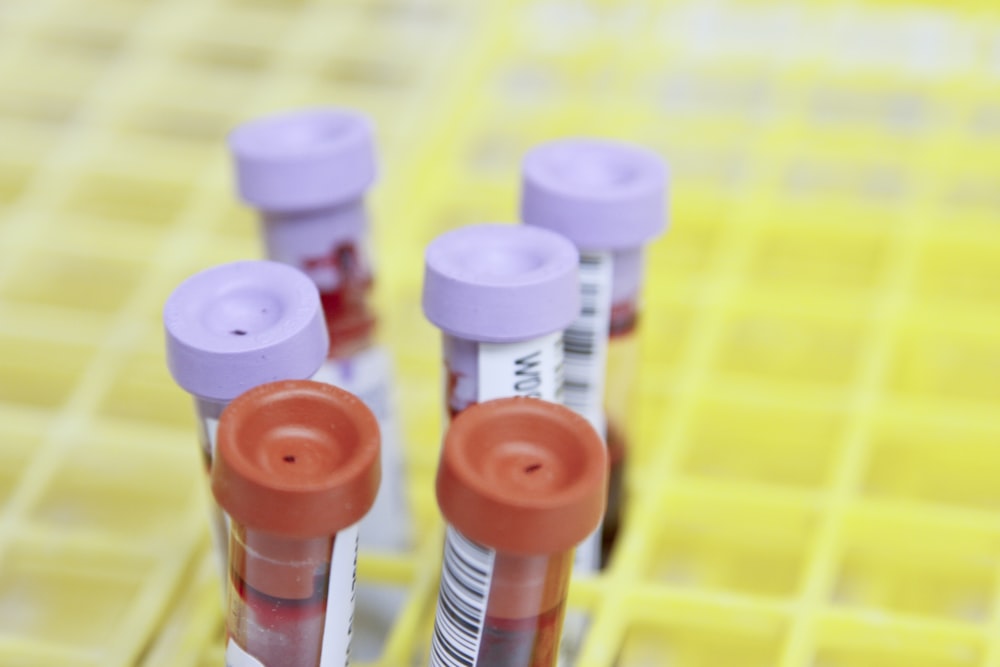
The retrieval day itself is a minor surgical procedure. It is performed under "deep sedation" (conscious sedation), meaning you are asleep but not intubated. The procedure takes approximately 20 minutes. At top-tier Barcelona clinics, the staff is typically polyglot, and the level of personalized "concierge" care often exceeds the standard of care in overburdened US hospital systems.
Future Planning: Transporting vs. Returning
The most common question I encounter is: “What happens when I want to use the eggs?” You have two primary options:
- Return to Barcelona: For many, the most logical path is to return to the same clinic for IVF and embryo transfer. The cost of an IVF cycle in Spain is approximately $5,000, compared to $20,000+ in the US.
- Cryoshipping: It is legally possible to move genetic material across borders. Specialized medical couriers (like Cryoport) can transport your eggs in nitrogen-cooled tanks. While this costs roughly $2,000–$4,000, it is a viable option if you prefer to perform the transfer in the US. However, Spanish government approval is required for export, a process your clinic will handle for you.
Conclusion
Fertility planning should not be a debt-inducing crisis. By applying a global perspective to healthcare, we can bypass the inefficiencies of domestic markets. Barcelona offers a rare intersection of high-tech medicine, progressive legal frameworks, and extraordinary value. Saving $20,000 isn't just about the money—it’s about the freedom that money buys: the freedom to pursue a second cycle if needed, the freedom to travel, and the peace of mind that comes from knowing your future is secured without compromising your present financial stability.
FAQ
Can I do my initial tests in the US and send them to Spain? Absolutely. In fact, most clinics prefer this. You will need a recent AMH blood test and an AFC (Antral Follicle Count) ultrasound. These results allow the doctor to create your "protocol" (medication dosages) remotely.
Is there a language barrier in Spanish fertility clinics? Minimal. Barcelona is a global hub for medical tourism. All major clinics (such as Eugin, IVI, or Fertilab) have dedicated international departments where doctors and coordinators speak fluent English, French, and German.
How many eggs should I aim to freeze? While this depends on your age and AMH levels, the general clinical recommendation for a high probability of one live birth is 10–15 mature eggs for women under 35, and 15–20 for women aged 35–40.
Take the First Step
If you are considering egg freezing, do not limit your search to a 20-mile radius of your home. The world of reproductive science is global. Start by booking a virtual consultation with a top-rated Barcelona clinic to compare their success rates and personalized pricing.