The Rise of the 'Beak Freaks': Why Birding is 2026’s Hottest Trend
Forget the silent, solitary image of the binocular-toting hobbyist of the past. In 2026, birdwatching—or "birding," as the cool kids call it—has officially undergone a high-fashion glow-up. Driven by the viral #BirdTok movement and a global shift toward "slow travel," observing rare species has become the ultimate status symbol for the eco-conscious traveler.
Recent travel data suggests a massive cultural pivot: 55% of Gen Z and Millennial travelers are now eager to include birding in their itineraries, with 45% specifically viewing it as a "cool" and "mindful" way to connect with nature. This isn't just about ticking boxes; it's about the "main character energy" of standing in a misty rainforest, waiting for a flash of iridescent plumage that few humans have ever seen.
If you’re ready to join the "Beak Freak" movement, you need to know where the action is. While the world is full of wings, three destinations stand as the undisputed crowns of 2026: Manu National Park in Peru for pure biodiversity (it holds 10% of the world's bird species), Papua New Guinea for rare endemics found nowhere else, and The Gambia for the most accessible African migratory spectacle.
| Destination | Species Count | Endemicity Rate | Vibe |
|---|---|---|---|
| Manu National Park, Peru | 1,000+ | ~5% | Raw, deep-jungle expedition |
| Papua New Guinea | 760 | Nearly 50% | Rare, prehistoric, and wild |
| Colombia | 1,900+ | ~4% | Diverse, accessible, and vibrant |
1. Manu National Park, Peru: The World’s Biodiversity Epicenter
If there is a Holy Grail for birders, Manu National Park is it. Located at the meeting point of the tropical Andes and the Amazon Basin, this UNESCO World Heritage site contains the highest avian biodiversity of any protected area on the planet. We are talking about 1,000+ species packed into one park—representing roughly 10% of the world's total bird population.
The experience here is visceral. You’ll wake up to the deafening "dawn chorus" and spend your days navigating winding rivers to spot the Andean cock-of-the-rock, a bird so bright orange it looks like it’s been plugged into an electrical socket.
- Star Birds Checklist:
- Andean cock-of-the-rock: The national bird of Peru with a bizarre, disk-like crest.
- Amazonian umbrellabird: Famous for its Elvis-like pompadour.
- Hoatzin: A "stinkbird" that looks like a prehistoric relic.
- Best Time to Visit: Late July and August. This is the dry season, meaning white-sand beaches are exposed along the rivers, attracting migratory species and making sightings far easier.
2. Colombia: The Land of 2,000 Species
Colombia is currently having a massive moment in the travel world, and for birders, it’s the undisputed heavyweight champion. Because it sits at the intersection of the Andes, the Amazon, and both the Caribbean and Pacific coasts, it hosts nearly 2,000 bird species—the most of any country on Earth.
The infrastructure here has exploded recently. You’ll find luxury eco-lodges in the Magdalena Valley that feel more like boutique hotels, where you can sip locally grown coffee while watching hummingbirds zip past your balcony like tiny, feathered fighter jets.
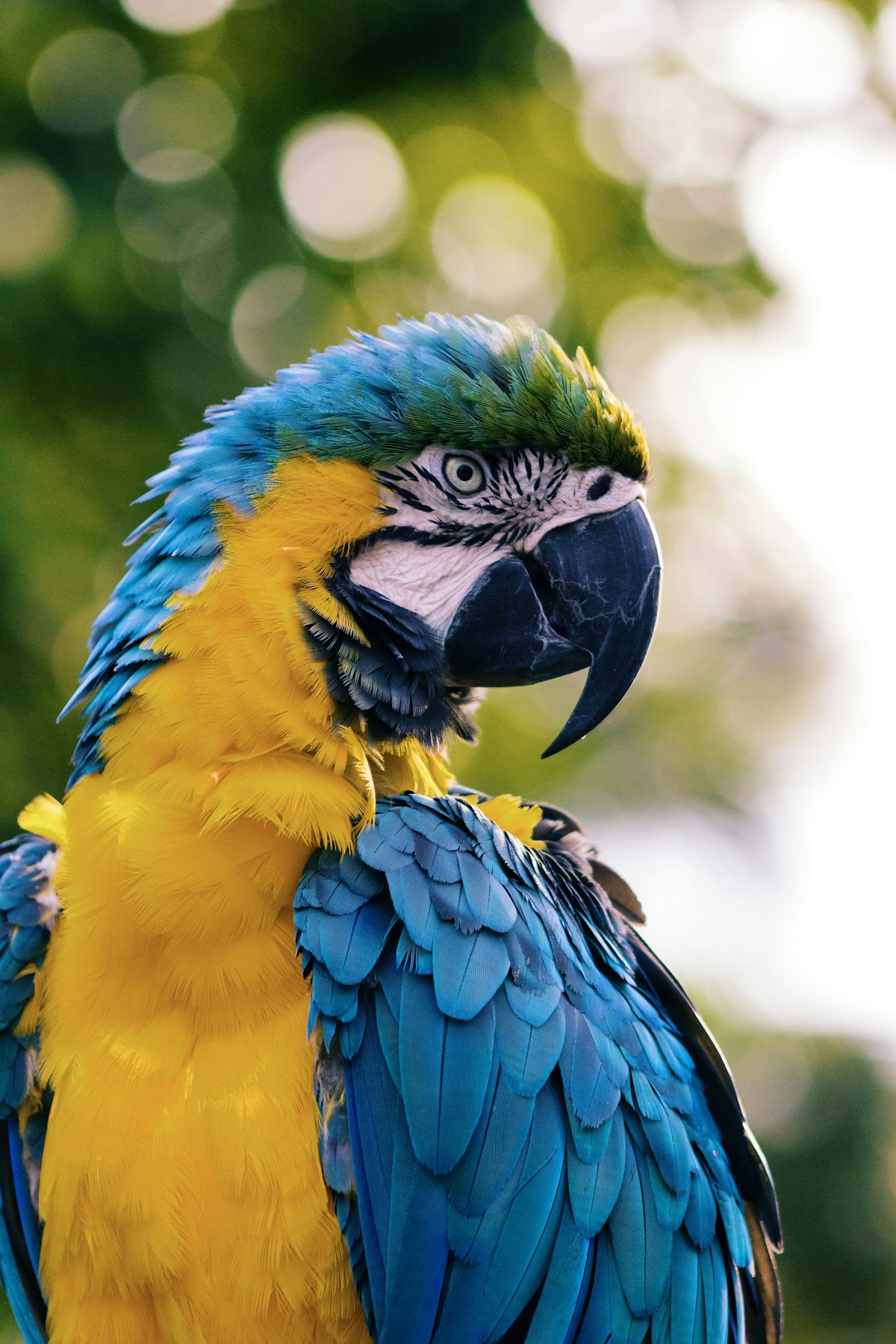
- Star Birds Checklist:
- Yellow-eared Parrot: Once thought extinct, now protected in the wax palms of the Andes.
- Sword-billed Hummingbird: The only bird with a bill longer than its body.
- Multicolored Tanager: A literal rainbow in flight.
- 2026 Outlook: Keep an eye on the "Northern Colombia Birding Trail," which is receiving significant investment to improve accessibility for high-end eco-tourism.
Plan Your Colombian Expedition →
3. Papua New Guinea: The Kingdom of Endemics
For the traveler who wants what no one else has, Papua New Guinea (PNG) is the ultimate destination. Due to its extreme geographic isolation, nearly 50% of its 760 bird species are endemic—meaning you can’t find them anywhere else on the planet.
This is the land of the Birds of Paradise. Seeing their elaborate mating dances—which involve iridescent capes, rhythmic jumping, and bizarre vocalizations—is a life-changing experience. It’s not just birdwatching; it’s a high-stakes theatrical performance in the heart of the jungle.
Isabella’s Trend Tip: "If you want the ultimate 2026 'hidden gem' experience, head to the Star Mountains. Most tourists stick to the Highlands, but the Star Mountains offer a chance to see the Baya weaver and other ultra-rare species in a landscape that feels like another planet."
4. The Gambia: Africa’s Strategic Migratory Hub
The Gambia might be Africa's smallest mainland country, but it punches way above its weight class in the birding world. Positioned strategically between the Sahara Desert and the tropical rainforests of the south, it acts as a massive "service station" for over 600 migratory and resident species.
The beauty of The Gambia is its accessibility. The Abuko Nature Reserve is just 12 miles from the capital, Banjul. You can be at your resort for breakfast and spotting the electric-blue African blue flycatcher by lunch.
- Star Birds Checklist:
- Egyptian Plover: A stunning gray, black, and white bird often found near water.
- African Blue Flycatcher: A tiny burst of sky-blue feathers.
- Bearded Barbet: A chunky, colorful bird with a distinctive "beard" of feathers.
5. Iceland: The Puffin & Seabird Sanctuary
In 2026, the trend isn't just about "rare" species, but "endearing" ones. Enter the Atlantic Puffin. Iceland is home to roughly 60% of the world’s puffin population, and these "clumsy yet endearing" creatures have become the face of Icelandic nature tourism.
Visiting the Vestmannaeyjar (Westman Islands) in the summer is like walking into a Pixar movie. Millions of puffins nest in the cliffs, and their awkward landings and colorful beaks make them the perfect subject for your travel vlog.

- Star Birds Checklist:
- Atlantic Puffin: Best seen in July during peak nesting.
- White-tailed Eagle: The massive "King of Birds" found in the Westfjords.
- Gyrfalcon: The largest falcon in the world and Iceland’s national bird.
- Expert Tip: "Don't just look at the puffins," says Rebekka, a local guide from Husavik. "The Arctic Tern migration is equally fierce—just watch your head, they’re protective of their nests!"
6. Australia: The Land of Evolutionary Wonders
Australia is like an open-air museum of evolutionary experiments. From the prehistoric-looking Southern Cassowary—a bird that looks like a dinosaur and can grow to six feet tall—to the incredibly vocal Lyrebirds, the continent is a must-visit for any serious enthusiast.
The Broome Bird Observatory is a standout spot for 2026. Between March and May, over 100,000 shorebirds gather here before their mammoth migration to the northern hemisphere. It is one of the greatest spectacles of collective movement in the natural world.

- Must-See Checklist:
- Southern Cassowary: Found in the Daintree Rainforest (approach with caution!).
- Superb Lyrebird: Capable of mimicking almost any sound, from other birds to chainsaws.
- Gouldian Finch: Perhaps the most vibrantly colored small bird in the world.
7. Andalusia, Spain: The Gateway to Europe-Africa Migration
While many think of the Mediterranean for its beaches and tapas, Andalusia is actually one of the world's most critical migratory corridors. The Strait of Gibraltar is the shortest hop between Europe and Africa, and during the spring and autumn, millions of storks, vultures, and eagles create a "bottleneck" in the sky that is nothing short of breathtaking.

- Key Spot: Doñana National Park. This marshland is the last stronghold for the Spanish Imperial Eagle, one of the rarest birds of prey in the world.
- The Experience: Imagine sitting on a sun-drenched hill with a glass of local sherry, watching thousands of Honey Buzzards spiral overhead on the thermals. That is birding in Spain.
8. Costa Rica: A Technicolor Rainforest Playground
Costa Rica is the gold standard for eco-tourism. It has the highest density of bird species in continental America, with over 936 species packed into a country the size of West Virginia. The infrastructure here is flawless, making it the perfect destination for those who want "adventure lite."
In 2026, the focus is shifting toward the El Paujil Reserve and other conservation-led sites that allow travelers to directly fund the protection of the Resplendent Quetzal, a bird so beautiful it was considered sacred by the Aztecs.

- Star Birds Checklist:
- Resplendent Quetzal: Look for them in the misty cloud forests of Monteverde.
- Scarlet Macaw: Often seen flying in pairs over the Pacific coast.
- Keel-billed Toucan: The iconic "fruit loop" bird with its multi-colored bill.
Explore Costa Rica Eco-Tours →
9. The Bale Mountains, Ethiopia: Rare Mountain Specialists
For the "Birding Hipster" who wants to get off the beaten path, Ethiopia’s Bale Mountains are the place to be in 2026. This high-altitude plateau is home to 23 endemic species that you simply cannot see anywhere else.
The landscape is hauntingly beautiful—glacial lakes, volcanic peaks, and giant lobelias. Because it remains relatively overlooked by mainstream tourism, you’ll likely have the sightings all to yourself.
- Species Spotlight: The Blue-winged Goose and the Spot-breasted Lapwing. Keep an eye out for the rare Ethiopian Wolf while you’re scanning the skies!
10. The Camargue, France: The Pink Landscape
Who says birding can't be chic? The Camargue, located on the Mediterranean coast of France, is famous for its "pink landscapes." In the spring and summer, up to 50,000 Greater Flamingos gather here to breed, turning the marshes into a sea of pastel pink.
It’s the perfect day trip from Marseille or Arles. You can spend the morning photographing flamingos and the afternoon at a vineyard enjoying a chilled glass of Provence rosé.
- The Vibe: Elegant, accessible, and highly "Instagrammable."
- Pro Tip: Rent a bicycle in Saintes-Maries-de-la-Mer to explore the dikes and get closer to the flamingo colonies without disturbing them.
Essential Gear & Responsible Birding in 2026
To truly lean into the trend, you need the right tools. Birding in 2026 is high-tech and high-ethics.
1. The Tech Stack
- Merlin Bird ID: This app is a game-changer. It uses AI to identify birds by their song or a quick photo. It’s like having a pro guide in your pocket.
- eBird: Join the global community of citizen scientists by logging your sightings. Your data helps researchers track bird populations and migration patterns.
2. The Optics
Don't settle for cheap binoculars. For a beginner, a pair of 8x42 binoculars is the sweet spot—they offer a wide field of view and plenty of light. Brands like Nikon or Vortex offer great entry-level pro gear ($150-$300), while Swarovski Optik remains the "Gucci" of the birding world for those looking to invest ($2,000+).
3. Ethical Birding
As these destinations become more popular, we must protect the very species we come to see.
- Stay on the Paths: Disturbance during nesting season can be fatal for chicks.
- No Drones: Most birds see drones as predators. Keep the flying cameras at home.
- Support Local: Always hire local guides. They have the "insider info" and your money supports the local economy and conservation efforts.
Birdwatching FAQ
Q: Do I need to be an expert to enjoy these destinations? A: Absolutely not! In fact, most of these spots (like Iceland or Costa Rica) are perfect for beginners because the birds are large, colorful, and easy to see.
Q: What is the single best country for a first-time birder? A: Costa Rica. The infrastructure is incredible, the birds are bright and "approachable," and the weather is generally traveler-friendly.
Q: Is birdwatching expensive? A: It can be as cheap or as pricey as you want. While a trip to Papua New Guinea is a major investment, spots like The Camargue in France or Andalusia in Spain are very accessible on a budget.
Start Your 2026 Birding Adventure
Whether you’re chasing the "prehistoric" vibes of a Cassowary in Australia or the "technicolor" dream of a Quetzal in Costa Rica, birding is about more than just sight-seeing. It’s a way to slow down, sharpen your senses, and realize that we share this planet with some truly extraordinary neighbors.
So, grab your binoculars, download Merlin, and get ready to see the world through a whole new lens. The 2026 birding season is calling—where will you land?