The air in Singapore’s Little India doesn’t just sit; it pulses. It is a heavy, humid curtain scented with the sharp, citrusy sting of crushed coriander seeds, the intoxicating sweetness of fresh jasmine garlands, and the earthy undertone of rain-dampened pavement. As a child, I walked these streets holding my grandmother’s hand—a hand that felt like soft parchment but held the strength of a woman who had navigated empires. She didn’t just take me for walks; she took me on expeditions of the senses.
What does it mean to travel with curiosity? To my grandmother, it was never about checking a monument off a list or securing the perfect vantage point for a photograph. Instead, it meant moving beyond the act of sightseeing to notice the "textures" of a place—the way a local artisan’s hands move, the linguistic nuances of a street vendor’s cry, and the complex stories simmering within a bowl of traditional curry. It is an intentional shift from being an observer to becoming a participant, fostering a deeper human connection that lingers long after the passport stamps have faded.

Lesson 1: Travel Starts at Home Through Family Narratives
Before I ever stepped onto a long-haul flight, I had already traveled across the Indian Ocean and through the rubber plantations of Malaya. These journeys happened in the quiet hours of the afternoon, fueled by my grandmother’s storytelling. She would describe the "prickly humidity" of her youth or the specific "zesty tang" of a lime pickle made by a neighbor who had long since passed.
Family storytelling serves as a "first journey." It builds the empathy and observation skills necessary for adult exploration. It teaches us to seek out specific sensory details rather than generic experiences. When we listen to the lived experiences of our elders, we develop a blueprint for how to engage with the world—not as a consumer of "sights," but as a seeker of stories.
Key Statistic: Research indicates that over 75% of seasoned travelers credit early family narratives as the primary influence for their adult interest in off-the-beaten-path destinations and cultural immersion.
To apply this lesson today, I encourage travelers to:
- Interview your elders: Ask about the smells, sounds, and "textures" of the places they grew up.
- Map the diaspora: Use family history to identify "legacy destinations" that hold personal, rather than just historical, significance.
- Read local memoirs: If family stories are unavailable, dive into the memoirs of locals from your destination to build that same empathetic foundation.
Lesson 2: Language is a Tool for Connection, Not Just Communication
My grandmother was a linguistic chameleon. She drifted effortlessly between the formal English of the colonial era, the rhythmic Tamil of her ancestors, the sharp staccato of Japanese learned during the occupation, and the melodic "Singlish" of the wet market. To her, language wasn't a barrier to be feared; it was a bridge to be crossed.
She taught me that you don't need fluency to find connection; you need the curiosity to try. Following her lead, I’ve found that a clumsy, heartfelt attempt at a local dialect in a Medellín coffee shop or a Kyoto tea house often opens doors that a translation app never could. It signals to the local community that you value their culture enough to stumble through it.
Lesson 3: The Art of 'Noticing' the Textures of a Place
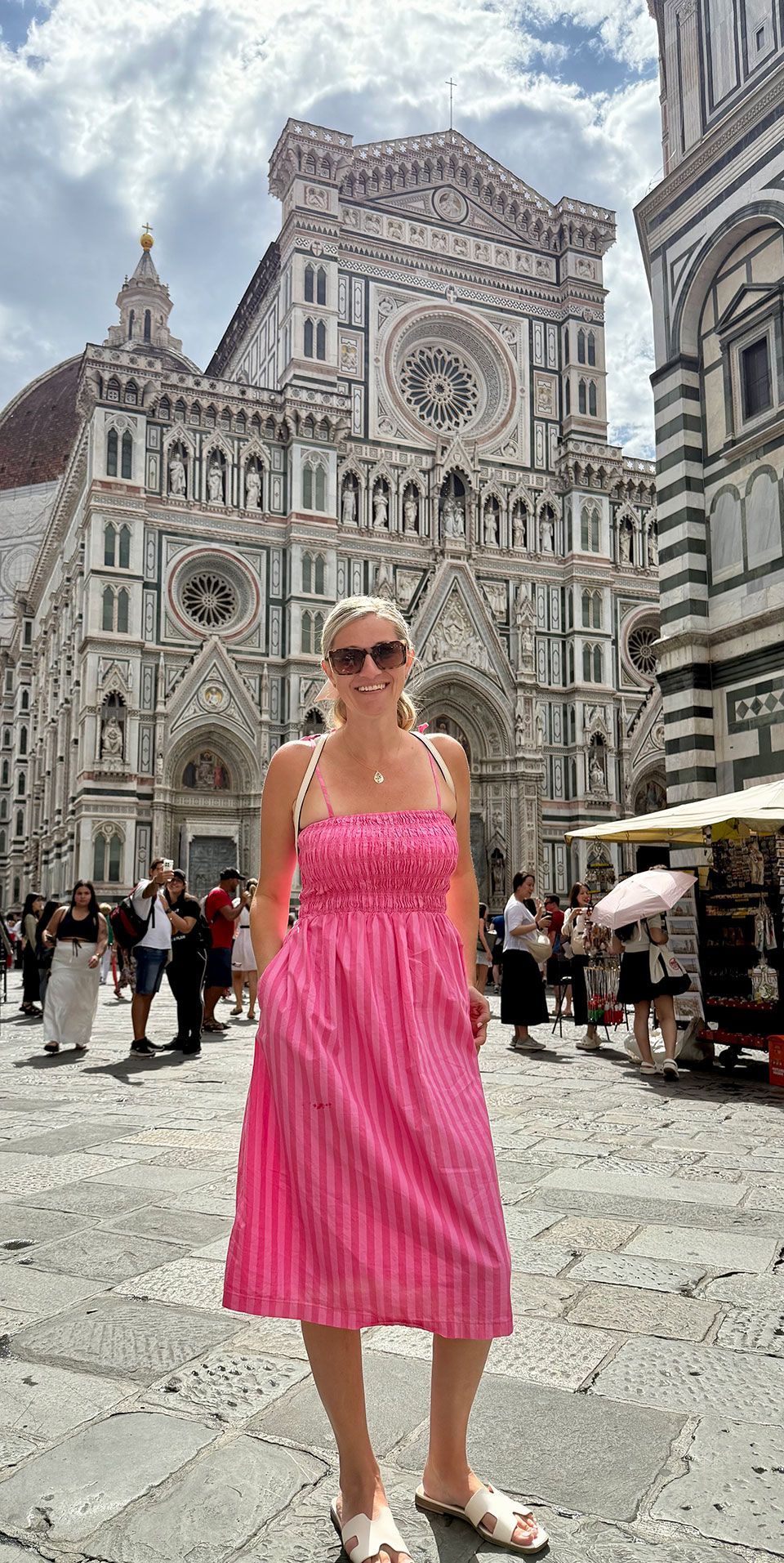
The most profound lesson I learned from those walks in Little India was the art of "noticing." My grandmother would stop to point out the specific shade of saffron silk in a shop window or the intricate, hand-carved designs of Hindu mythology on the gopurams of the Sri Veeramakaliamman Temple.
Traveling with curiosity means focusing on these linguistic nuances and architectural details. It is the difference between seeing a "temple" and seeing the "individual chisel marks of a 19th-century craftsman." When we slow down to notice the textures—the peeling paint of a colonial shophouse, the specific cadence of a morning call to prayer, the muskiness of a spice warehouse—the world becomes three-dimensional.
Key Statistic: Travelers who focus on "noticing" local details report a 40% higher rate of meaningful cultural interactions compared to those who follow standard, high-speed sightseeing itineraries.
A Checklist for the "Noticing" Traveler:
| Sensory Element | How to Engage |
|---|---|
| Sound | Sit in a park for 20 minutes without headphones. Identify three distinct local sounds. |
| Smell | Visit a local market and try to identify the "base note" of the city’s aroma (e.g., coal, jasmine, sea salt). |
| Sight | Look up. Architectural history is often hidden in the second-story windows and rooflines. |
| Taste | Ask a vendor about the origin of a single ingredient in your meal. |
Lesson 4: Solo Travel as a Catalyst for Individuality
There was a period every few years when my grandmother would pack a small, battered suitcase and disappear. She would head to the backwaters of Kerala—to Trivandrum or Alappuzha—on a solo pilgrimage of the soul. In an era when women rarely traveled alone, she insisted on it.
"You must know who you are when no one is watching," she would say. Solo travel acts as a catalyst for individuality by forcing us out of our comfort zones. It requires us to navigate new cultures independently, building a profound sense of self-reliance and confidence through cross-cultural communication.
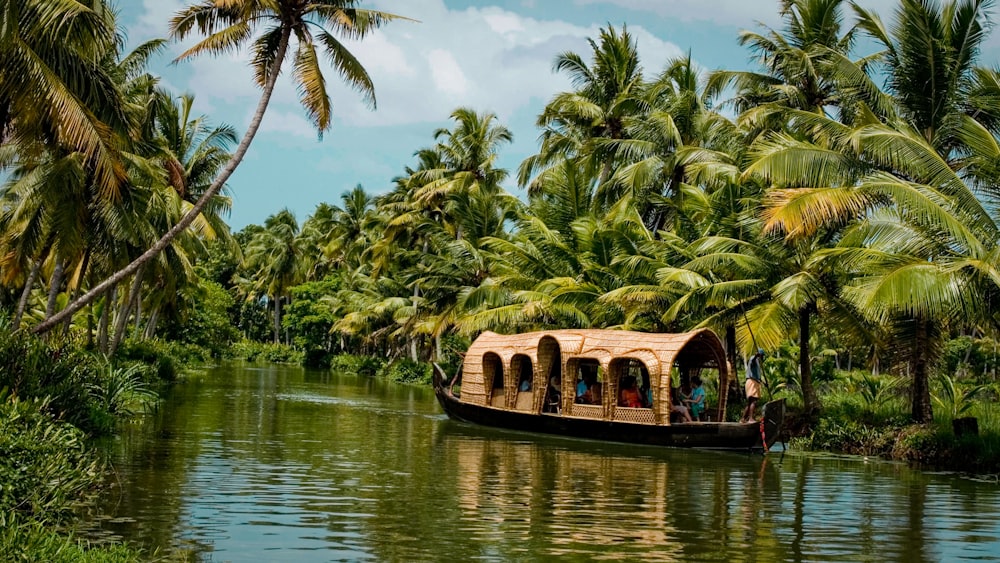
When you travel solo with curiosity, you aren't just "finding yourself"—you are allowing the world to find you. Without the safety net of a companion, you are more likely to be invited for a tea by a stranger or to wander into a local festival you didn't know existed. You learn to trust your intuition, a muscle that only grows through use.
Lesson 5: Embracing Change and 'Townsizing' Your Perspective
As I grew older, I watched the Singapore of my grandmother’s youth vanish under the weight of glass and steel. But she never mourned the change with bitterness; she met it with curiosity. She understood that places, like people, run their course and evolve.
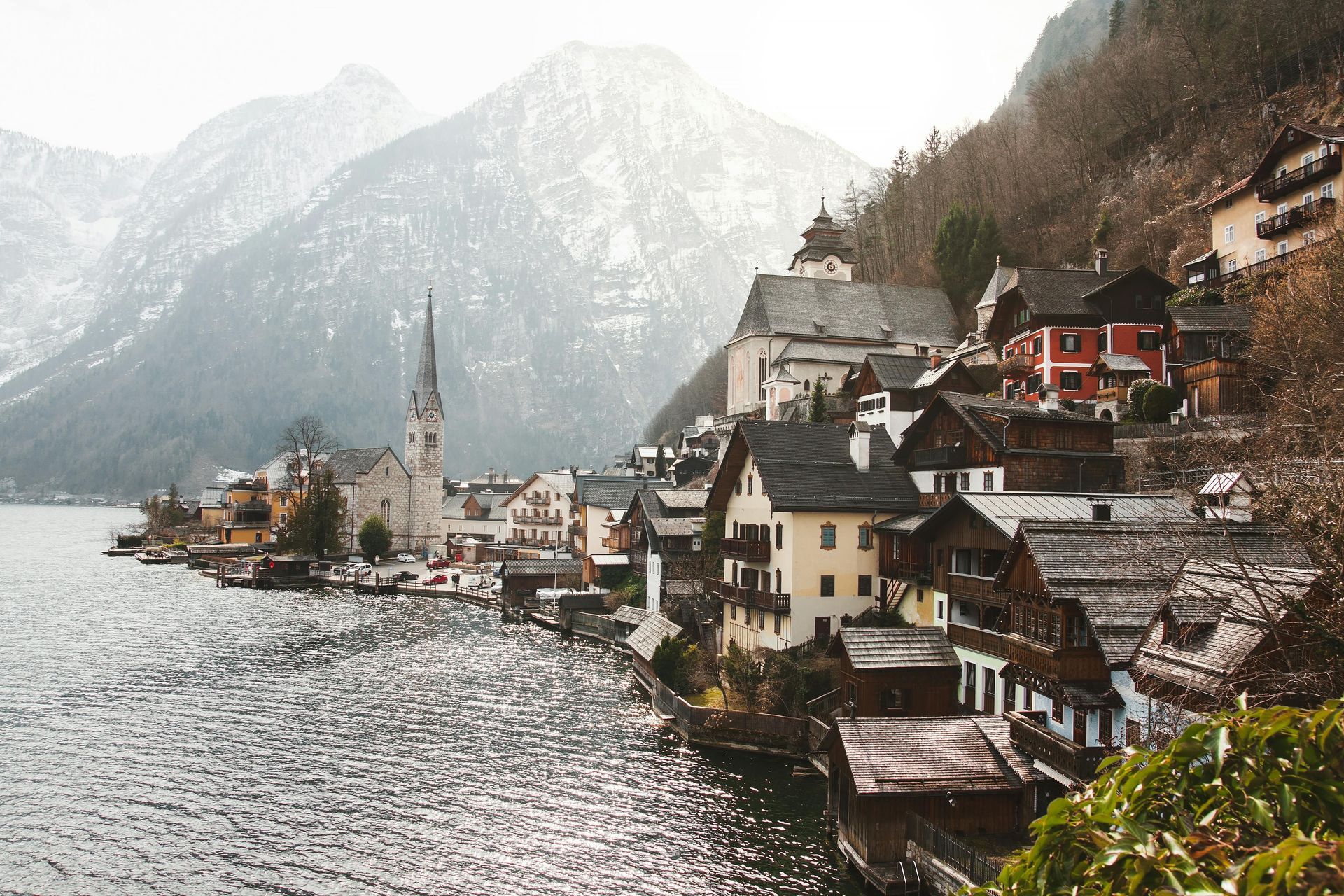
This taught me the value of "Townsizing"—a growing travel trend where explorers seek out smaller, authentic destinations over major tourist hubs. Instead of fighting the crowds in Paris, one might find more "texture" in the medieval streets of Troyes. Instead of the frantic pace of Tokyo, the quiet, moss-covered temples of Kanazawa offer a deeper resonance.
Traveling with curiosity means recognizing that the "soul" of a destination isn't found in its most famous landmarks, but in its ability to adapt and survive. It’s about finding depth in the small, the overlooked, and the evolving.
Frequently Asked Questions
How can I start "traveling with curiosity" if I’m used to strict itineraries? Start small. Dedicate one afternoon of your next trip to "unstructured wandering." Leave the map in your pocket and follow a specific scent, a sound, or an interesting architectural detail. The goal isn't to arrive somewhere, but to notice the journey.
Is solo travel safe for everyone wanting to build curiosity? Safety is a priority, but it shouldn't be a barrier. Research "curiosity-friendly" destinations known for hospitality—such as parts of Southeast Asia, Portugal, or the Kerala region mentioned above. Start with a solo weekend in a nearby city to build your "independence muscle."
How do I explain this style of travel to companions who just want to see the "top 10" sights? Suggest a "one-for-one" compromise. For every major tourist site you visit, spend an equal amount of time in a local neighborhood, a residential park, or a non-tourist market. Often, the contrast between the two makes the trip more memorable for everyone.
My grandmother didn’t leave me a fortune in gold, but she left me a map of the world drawn in scents, stories, and the courage to ask "why." To travel with curiosity is to honor the human spirit—to recognize that every street corner holds a history and every stranger holds a lesson. So, on your next journey, look past the monuments. Notice the textures. Listen to the stories. You’ll find that the world is much larger, and much more intimate, than you ever imagined.