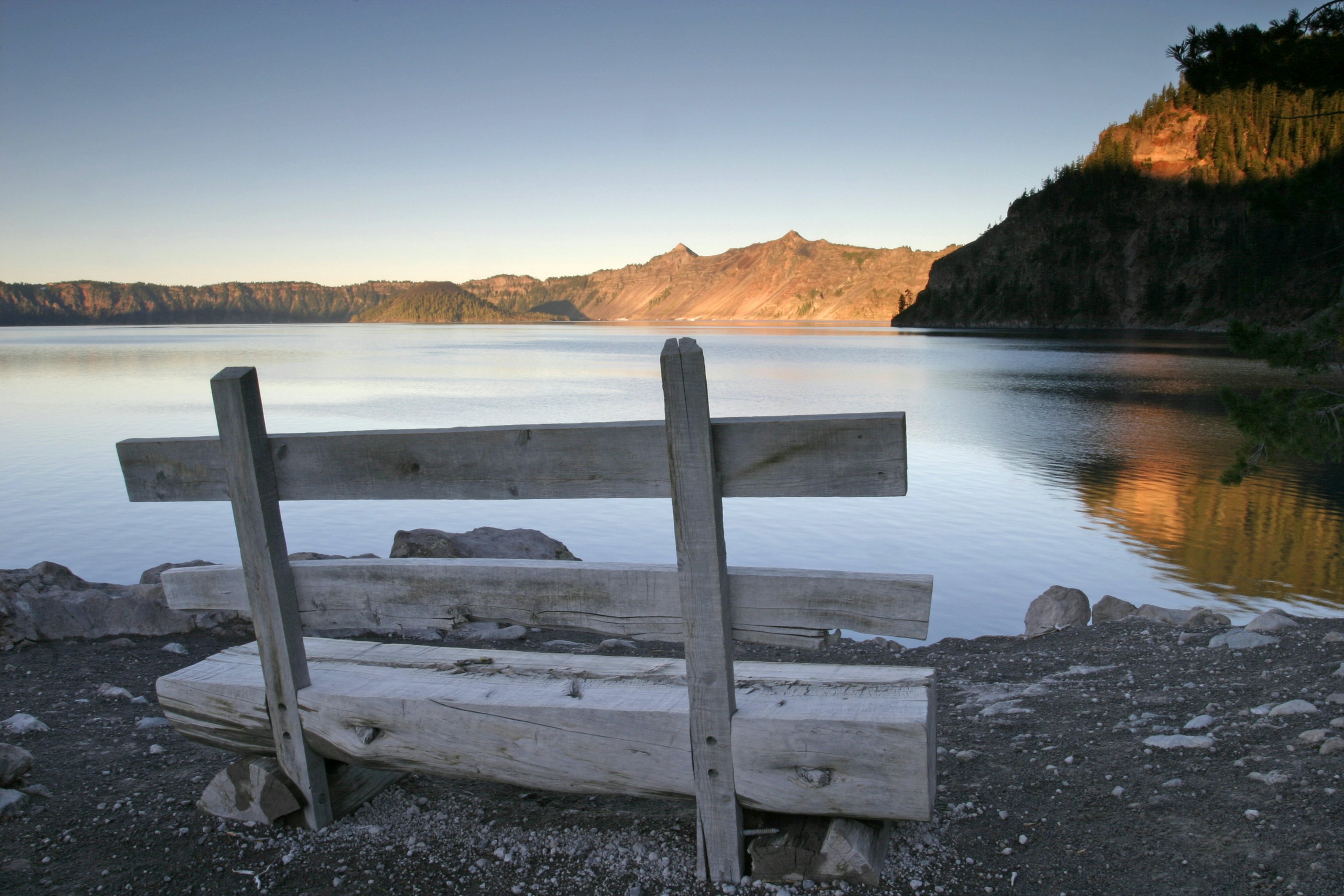
High in the Cascade Range of Southern Oregon, the earth opens into a void of such impossible color that the human eye struggles to categorize it. It isn't just blue; it is a shifting spectrum of ink, cobalt, and sapphire that seems to glow from within. This is Crater Lake, the centerpiece of Oregon’s only National Park and a geological marvel that stands as the deepest lake in the United States. To stand on the rim of this ancient caldera is to peer into the heart of a collapsed volcano, now filled with the purest water on the planet.
Whether you are a first-time visitor or a seasoned explorer of the American West, understanding the "why" behind this landscape is as rewarding as the view itself. From the physics of light scattering to the violent eruption of Mount Mazama 7,700 years ago, here is everything you need to know about the mystery and majesty of Crater Lake.
Quick Facts: Crater Lake at a Glance
| Feature | Statistic |
|---|---|
| Maximum Depth | 1,943 feet (592 meters) |
| World Ranking | 9th Deepest Lake in the World |
| Average Annual Snowfall | 43 feet (516 inches) |
| Formation Date | Approximately 7,700 years ago |
| Water Source | Rain and Snowmelt only (No inlets/outlets) |
| Surface Elevation | 6,178 feet (1,883 meters) |
The Science of the Blue: Why It Works
The most frequent question asked at the Rim Visitor Center is simple: Why is Crater Lake so blue? The answer lies in a perfect convergence of extreme depth, crystalline clarity, and the physics of light.
Unlike most lakes, Crater Lake has no rivers or streams flowing into it. This means there is no sediment, silt, or mineral runoff clouding the water. The lake is fed almost exclusively by direct snowfall and rain. Because the water is so pure, it is exceptionally clear; in fact, Secchi disks (used to measure water clarity) have been visible at depths of over 120 feet.
When sunlight hits this 1,943-foot-deep pool, the water molecules act as a filter. They absorb the longer wavelengths of the light spectrum—the reds, oranges, and yellows—quite easily. The shorter, more energetic blue wavelengths, however, penetrate deep into the water before being scattered back to the surface. Because the lake is so deep, there is no bottom near the shore to reflect other colors, leaving only the purest cerulean to reach your eyes. It is, quite literally, a giant trap for every color except blue.
Traveler’s Insight: The shade of blue changes depending on the weather and the angle of the sun. On a perfectly clear summer day at noon, the lake takes on a brilliant, electric cobalt. During the "golden hour" before sunset, it transitions into a deep, moody navy.
A Violent Past: The Story of Mount Mazama
To look at the tranquil waters today, it’s hard to imagine that this site was once the scene of one of the largest volcanic eruptions in Earth’s recent history. Thousands of years ago, a 12,000-foot peak known as Mount Mazama dominated the skyline. Around 5,700 BCE, a cataclysmic eruption emptied the magma chamber beneath the mountain. Without support, the summit collapsed into itself, creating a massive caldera nearly six miles wide.
Over the next several centuries, rain and snowmelt filled the basin. Subsequent smaller eruptions occurred within the caldera, creating cinder cones. The most famous of these is Wizard Island, which rises 763 feet above the lake's surface.
The lake remains a living geological site. At the bottom, hydrothermal vents continue to heat the water in small pockets, suggesting that while Mount Mazama is dormant, the volcanic system is not entirely extinct. For the Klamath Tribes, who have lived in the region for millennia, the eruption was recorded in oral histories as a battle between the spirit of the sky and the spirit of the mountain—a story that modern geology has largely corroborated.
Planning Your Visit: Timing and Logistics
Crater Lake is a land of extremes. Because of its high elevation, the park experiences a very short summer and a punishingly long winter.
- Summer (July – September): This is the peak season. The Rim Drive is usually fully open by early to mid-July, and the weather is ideal for hiking.
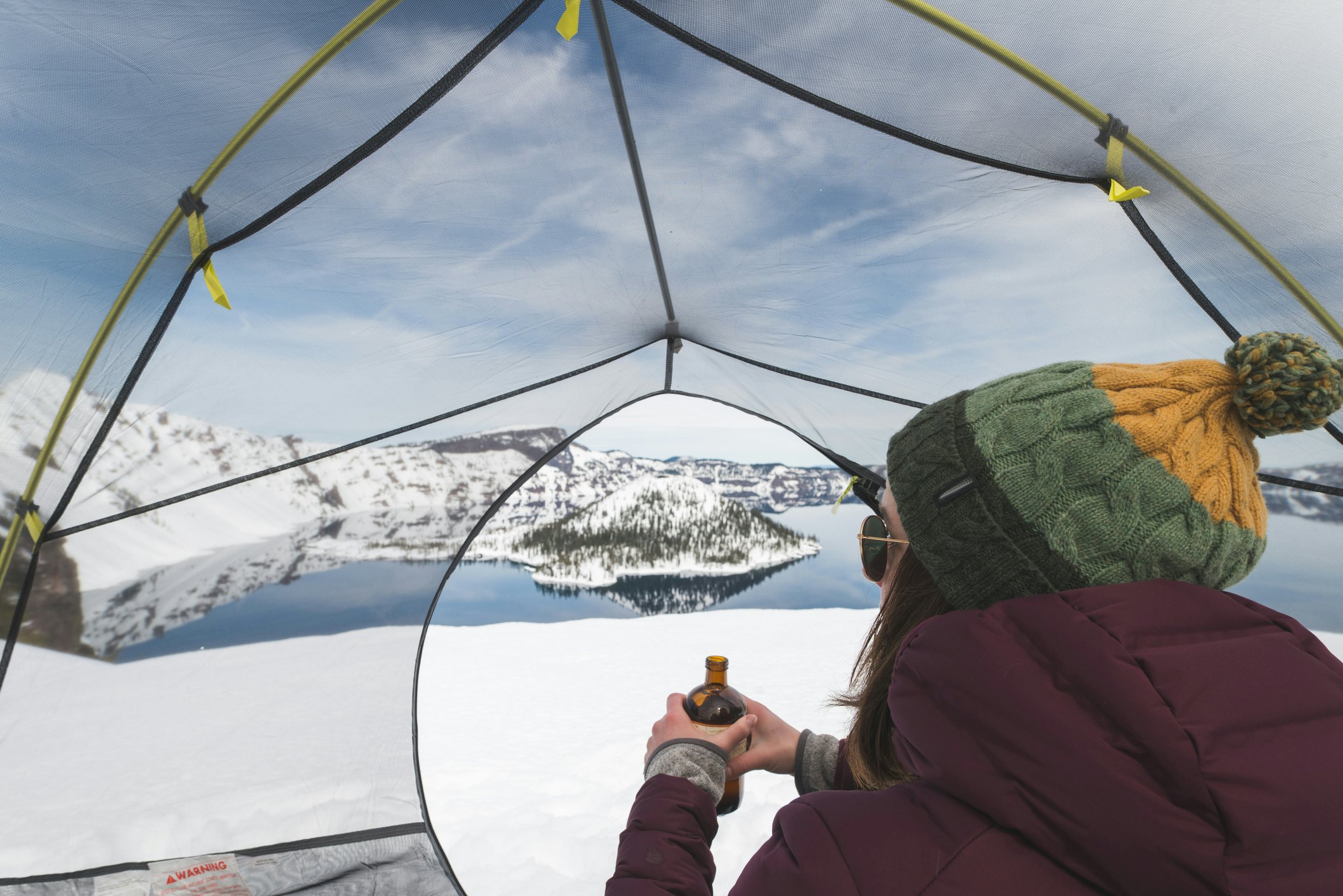
- Winter (October – June): The park receives an average of 43 feet of snow annually. While the North Entrance and Rim Drive close to vehicles, the park remains open for snowshoeing and cross-country skiing.
Getting here requires a bit of a trek. The park is approximately 75 miles from Medford and about 100 miles from Bend. If you’re driving from Portland, expect a 4.5 to 5-hour journey. Ensure your gas tank is full before entering the park, as services are limited once you ascend the mountain.
Must-Do Activities on the Rim
While the lake is the star, the surrounding rim offers several ways to experience its scale.
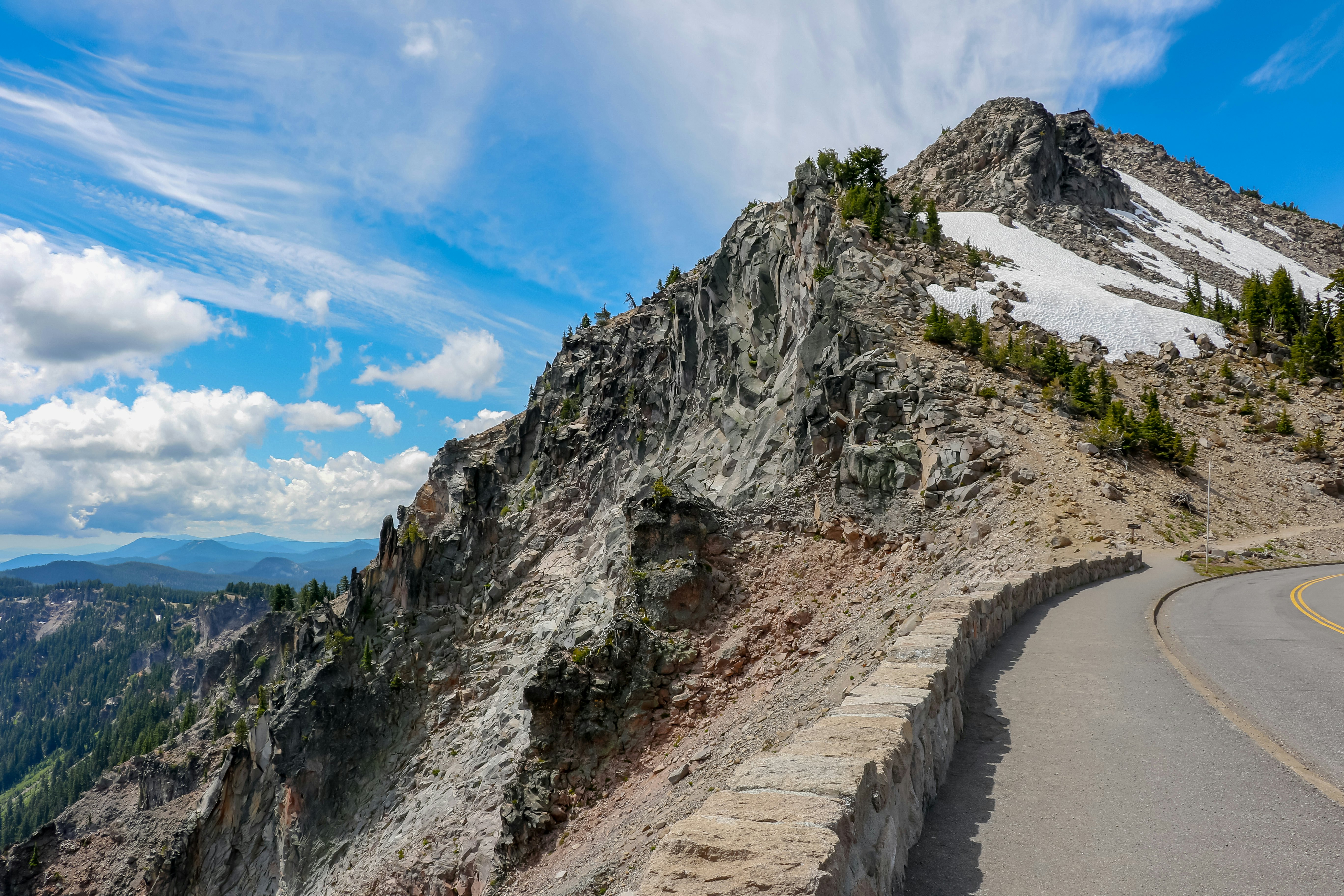
- The Scenic Rim Drive: This 33-mile loop encircles the caldera. With over 30 overlooks, you can see the lake from every possible angle. Don’t miss Cloudcap Overlook, the highest paved point in Oregon, for a staggering perspective of the depth.
- Garfield Peak Trail: For those who want to get their heart rate up, this 3.4-mile round-trip hike offers some of the best panoramic views in the park. You’ll climb about 1,000 feet, ending at a craggy summit that feels like the top of the world.
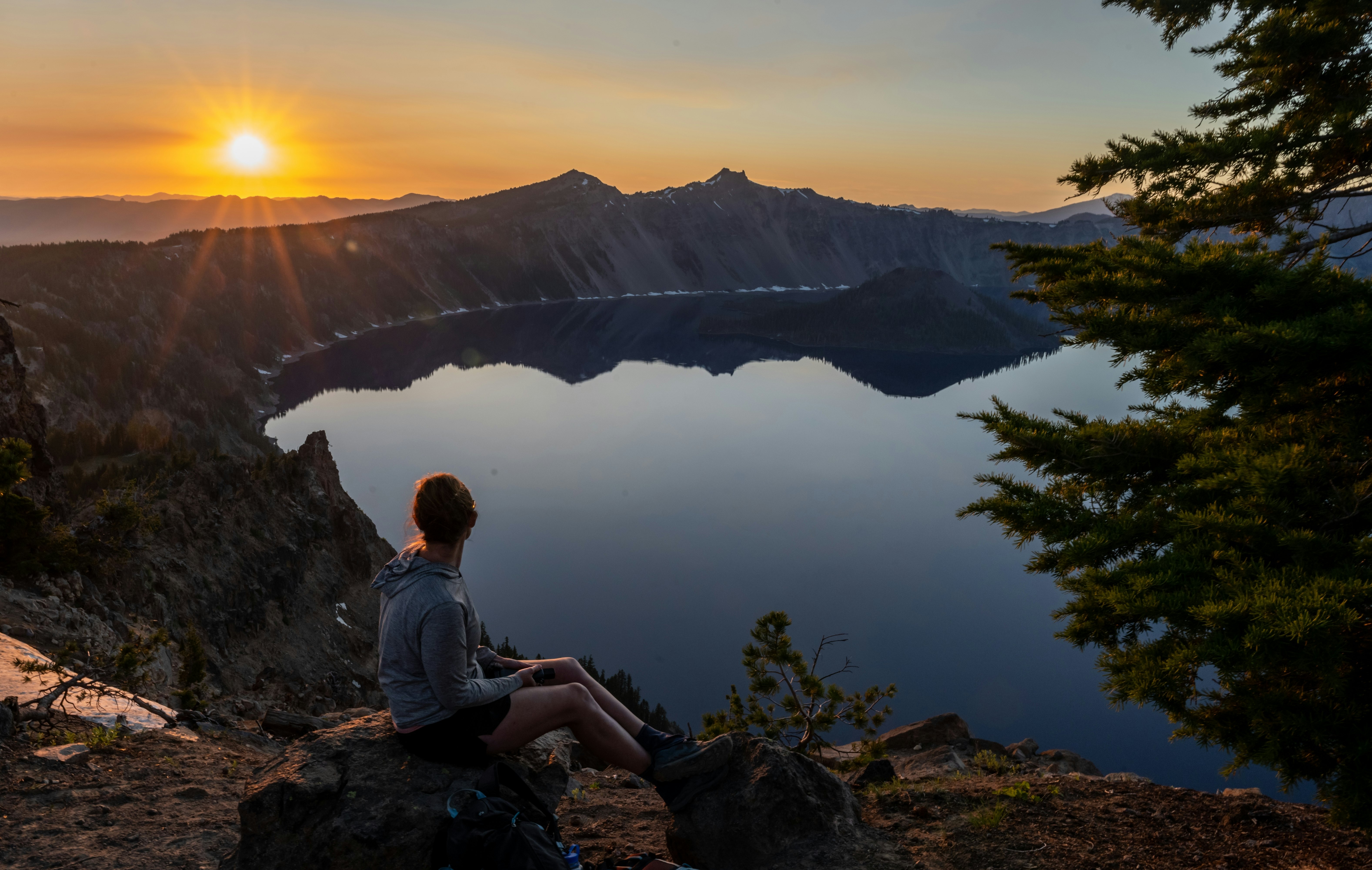
- Watchman Peak: A shorter but steeper trail (1.6 miles) that leads to a historic fire lookout. This is the premier spot for sunset photography, as the light hits Wizard Island directly.
Check Current Park Weather & Road Conditions →
2026-2029 Alert: Cleetwood Cove Trail & Lake Access Closure
If you are planning a trip to Crater Lake to swim in its famous waters or take a boat tour to Wizard Island, timing is everything.
Important Logistics Alert: The National Park Service has announced a major multi-year rehabilitation project for the Cleetwood Cove area. From the summer of 2026 through 2029, the Cleetwood Cove Trail—the only legal access to the lakeshore—will be closed.
During this window, there will be:
- No shoreline access for swimming or fishing.
- No boat tours or shuttles to Wizard Island.
- No scuba diving permits issued.
While the Rim Drive and all overlooks will remain open, the "in-water" experience will be paused to allow for essential infrastructure repairs and rockfall mitigation. If touching the water is on your bucket list, you should plan your visit for the 2024 or 2025 seasons.
Where to Stay: Historic Lodging & Camping
To truly appreciate the lake, I recommend staying within the park boundaries. There is nothing quite like seeing the morning mist rise off the caldera before the day-use crowds arrive.
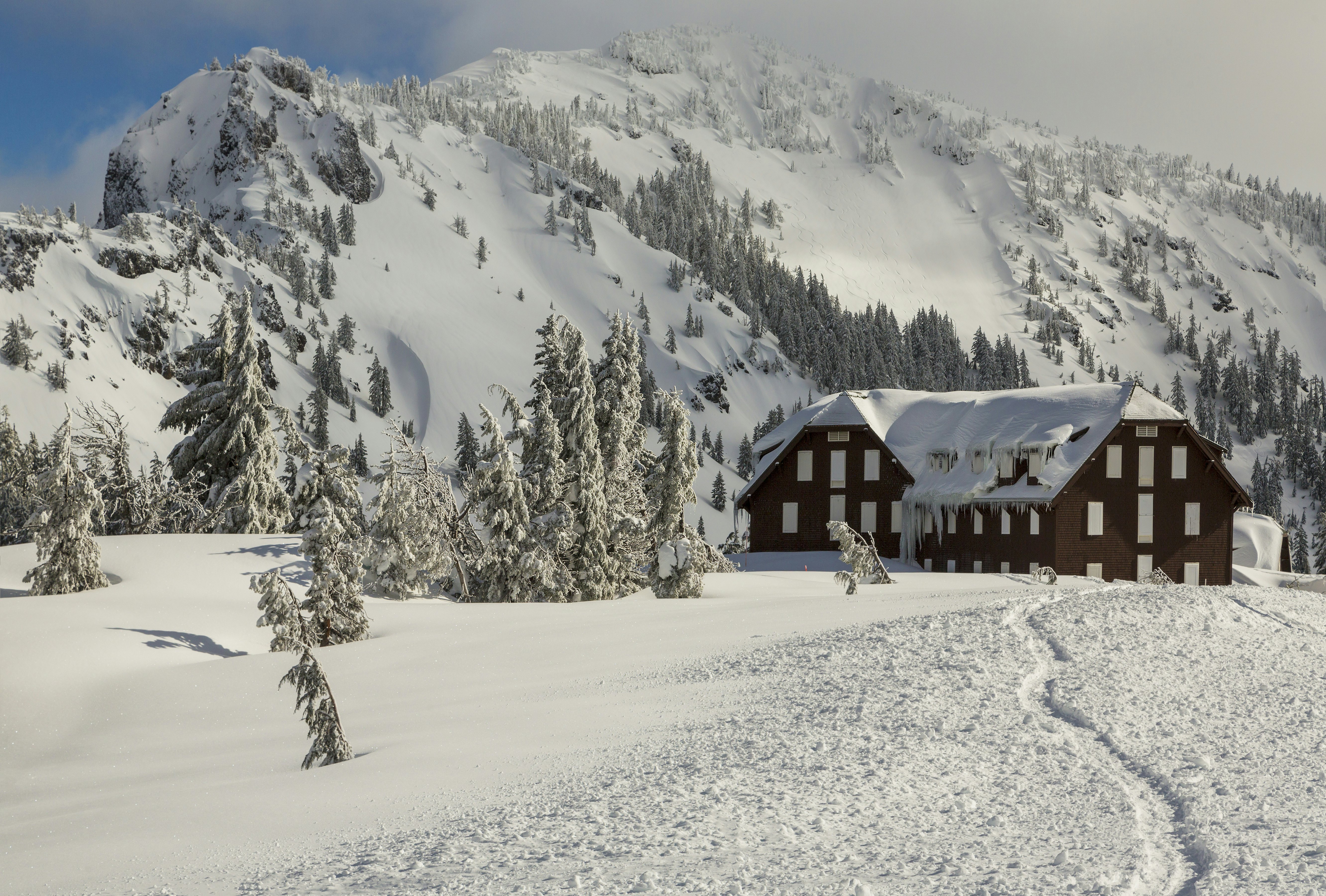
- Crater Lake Lodge: Opened in 1915, this lodge captures the "Parkitecture" style of the early 20th century. Its heavy stone walls and massive fireplaces provide a cozy atmosphere. The back porch, lined with rocking chairs overlooking the lake, is perhaps the most sought-after real estate in Oregon.
- Mazama Village: Located seven miles south of the rim, this area offers more traditional motor-lodge cabins and the park’s primary campground with 214 sites. It also hosts the park’s only gas station and a well-stocked general store.
- Lost Creek Campground: A smaller, tent-only campground for those looking for a more primitive, quiet experience away from the main village.
Book Your Stay at Crater Lake Lodge →
Beyond the Rim: Southern Oregon Adventures
If you have an extra day, explore the surrounding Volcanic Legacy Scenic Byway.
- Vidae Falls: A beautiful spring-fed waterfall that tumbles over glacier-carved bluffs right next to the road.
- Plaikni Falls: A relatively easy 2-mile round-trip hike through old-growth forest that leads to a hidden, lush waterfall fed by snowmelt.
- The Pinnacles: Located in the southeast corner of the park, these are needle-like rock spires (fumaroles) formed by volcanic gas vents during the eruption of Mount Mazama.
Frequently Asked Questions (FAQ)
Can you swim in Crater Lake?
Yes, but only via the Cleetwood Cove Trail. Be warned: the water temperature rarely rises above 55°F (13°C), even in mid-August. Note the 2026-2029 closure mentioned above.
How deep is Crater Lake compared to other lakes?
At 1,943 feet, it is the deepest in the U.S. and 9th in the world. For perspective, the Empire State Building could be submerged entirely, with hundreds of feet of water still above it.
Are there fish in the lake?
Crater Lake had no native fish. However, between 1888 and 1941, the lake was stocked with several species. Today, Rainbow Trout and Kokanee Salmon thrive there, and fishing is encouraged (no license required within park boundaries!).
Conclusion
Crater Lake is more than just a geographic superlative or a photo opportunity; it is a profound encounter with the raw power of nature. From its violent volcanic origin to its current state as a sanctuary of silence and sapphire light, it remains one of the most evocative landscapes in the American West.
While the upcoming 2026-2029 closures will limit access to the water's edge, the majesty of the rim and the depth of the "Blue" remain unchanged. Whether you’re watching a summer sunset from Watchman Peak or snowshoeing through 40 feet of winter powder, Crater Lake is a destination that demands to be seen at least once in a lifetime.
Plan your journey, respect the history of the Klamath people, and prepare to be humbled by the deepest blue you will ever witness.