To walk through the district of Zeyrek is to engage with a living palimpsest. Here, the air carries a singular perfume: the scent of damp basalt, the charred aroma of street-side kestane (chestnuts), and the faint, sweet ghost of tobacco that seems to seep from the timber of leaning Ottoman houses. Istanbul has always been a city of layers, a place where history isn't just studied but stepped upon. Yet, in the current decade, a fascinating shift is occurring. The city’s path forward—its most ambitious infrastructure and its most avant-garde creative movements—is being paved with stones laid down in the 16th century.
Istanbul’s future is no longer a frantic race toward Western homogenization. Instead, it is being shaped by a sophisticated fusion of regional multiculturalism and the meticulous restoration of landmarks. At the heart of this movement is the understanding that modern Istanbul’s cultural identity is inseparable from its Ottoman heritage. From the $1.7 billion transformation of the Karaköy waterfront to the reopening of 500-year-old bathhouses, a new generation of creatives is reinterpreting ancient techniques for a global market, proving that for this metropolis, the way ahead is a journey back.
Reclaiming the Social Hub: The Restoration of Zeyrek Çinili Hamam
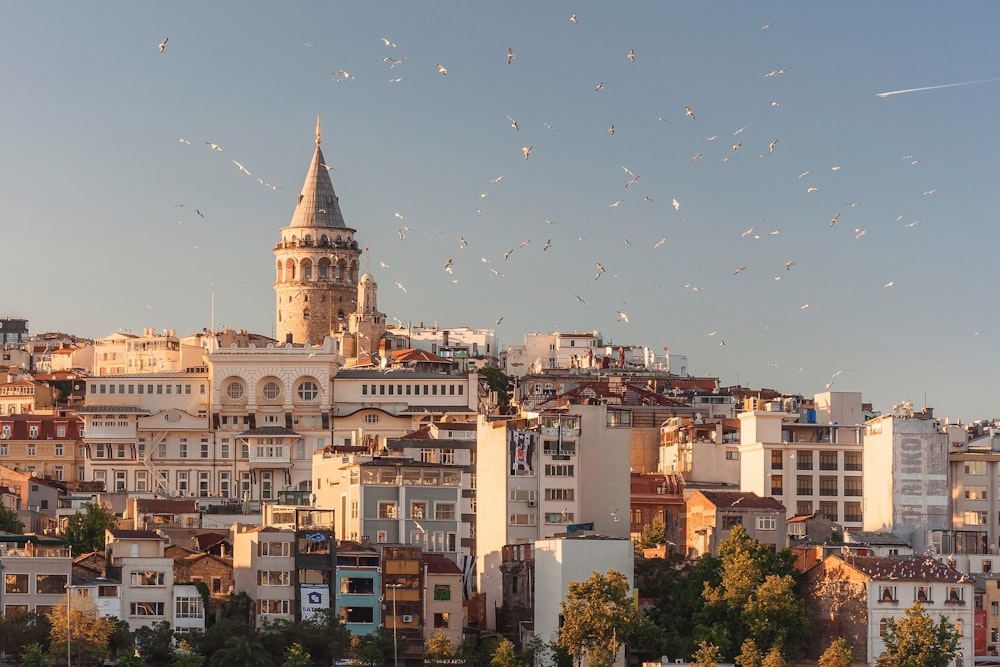
For thirteen years, a high wooden fence shielded a corner of Zeyrek from the world. Behind it, a painstaking resurrection was taking place. The Zeyrek Çinili Hamam, commissioned in the 1540s by the legendary Admiral Hayreddin Barbarossa and designed by the great architect Mimar Sinan, had fallen into a state of "ostentatious decay." Today, it stands as the premier example of how Istanbul is reclaiming its past to define its future.
The restoration was less an architectural project and more an archaeological Odyssey. During the 13-year journey, conservators discovered more than 3,000 fragments of historical Iznik tiles—shards of blue and white patterns that had been lost for centuries. These fragments are no longer hidden; they are displayed in a modern, subterranean museum integrated into the bathhouse complex.
Spotlight: Zeyrek Çinili Hamam This isn't just a museum; it’s a sensory experience. You can steam in the historic hararet (hot room) beneath a dome pierced by "elephant eye" skylights, then walk a few meters to view Byzantine cisterns unearthed during the dig. It functions as a bridge, where the ritual of the Ottoman bath meets a modern gallery space, reflecting a cultural identity that is both ancient and urgent.
This project signals a shift in Istanbul’s conservation philosophy. It is no longer enough to merely preserve a monument; the goal is to reintegrate it into the social fabric. By functioning as both a social hub and a curated museum, the hamam serves the neighborhood and the international traveler alike, proving that historical sites are the bedrock of the city's future creative scene.
The Bosphorus Reimagined: Galataport and The Peninsula
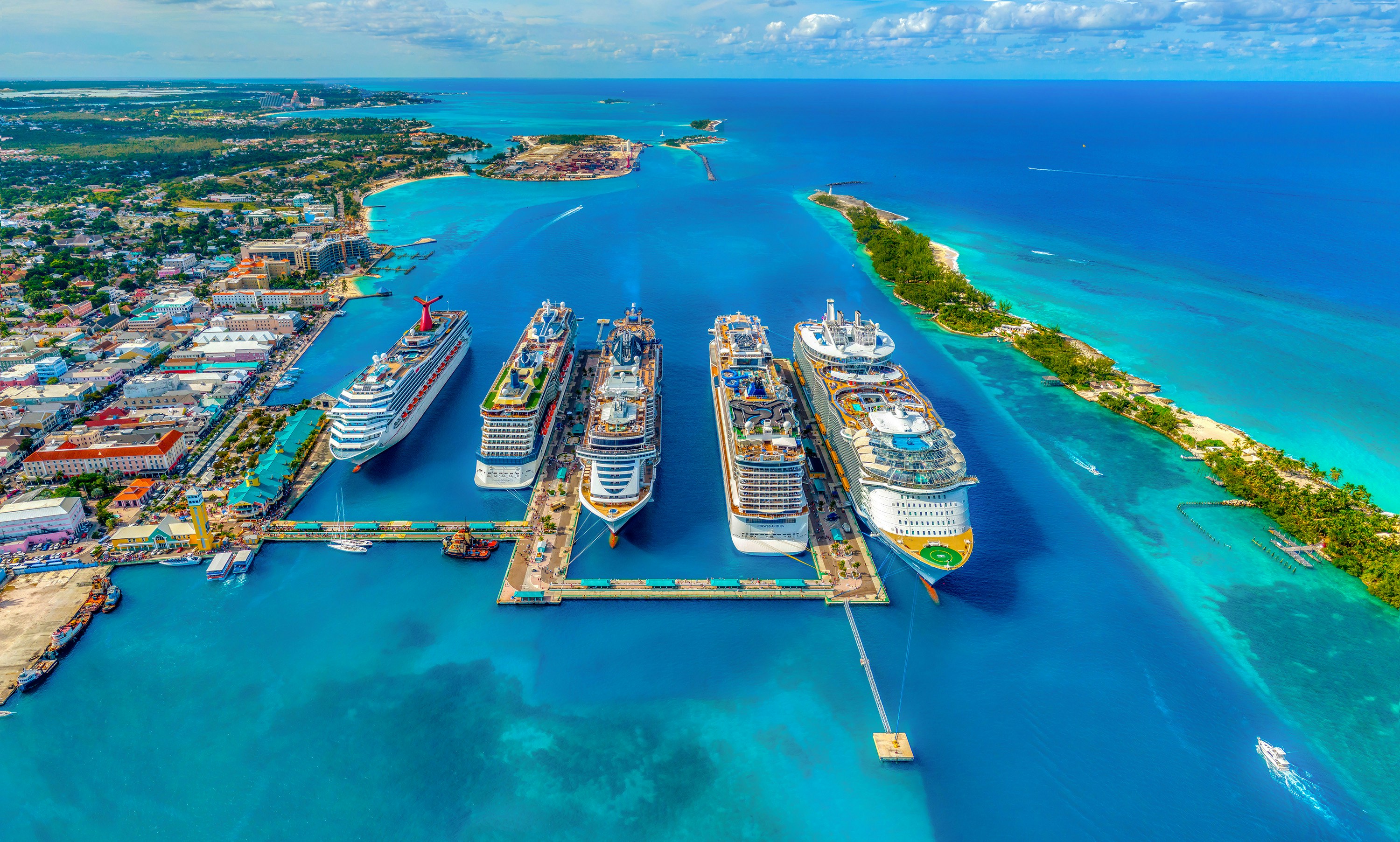
If Zeyrek represents the intimate, soulful side of Istanbul’s restoration, the Galataport development is its grand, cinematic counterpart. This $1.7 billion project has transformed a half-mile stretch of the historic Karaköy waterfront—long closed to the public—into a modern cruise and shopping terminal that feels surprisingly rooted.
The genius of Galataport lies in its "underground" innovation. By moving the cruise terminal operations beneath the surface, the city has gifted the waterfront back to its citizens. As you walk along the promenade, the view is dominated not by glass towers, but by the shimmering Bosphorus and the silhouettes of Topkapı Palace and Hagia Sophia. The development integrates history by transforming early 20th-century waterfront buildings, such as the historic Paket Postanesi (Parcel Post Office), into luxury hubs.
| Feature | The Old Karaköy Waterfront | The New Galataport / Peninsula Hub |
|---|---|---|
| Accessibility | Walled off, industrial, inaccessible to pedestrians. | 1.2km of open promenade and public squares. |
| Architecture | Decaying customs houses and warehouses. | Meticulously restored early 20th-century facades. |
| Function | Purely logistics and freight. | Mixed-use: Cruise terminal, luxury retail, and the world-class Peninsula Hotel. |
| Visual Connection | Obstructed views of the Historical Peninsula. | Uninterrupted sightlines to the Golden Horn and Ottoman landmarks. |
The Peninsula Istanbul, housed within three restored buildings (including a 1930s passenger terminal), epitomizes this marriage of eras. Here, the "kismet" of the city is palpable; guests sit in a lobby that was once a gateway for steamship travelers, looking out at the same water that carried Ottoman galleys half a millennium ago.
The New Ottoman Creatives: Design and Craftsmanship
Beyond the grand architecture, the "future-as-past" movement is vibrating through Istanbul’s creative underbelly. A new wave of designers is looking toward the Grand Bazaar—not as a tourist trap, but as a graduate school for craftsmanship.
Take, for example, the jeweler Rafael Indiana. His pieces feel like they were unearthed from a subterranean vault, yet they are worn by the city’s modern elite. He uses Ottoman-era techniques to set stones in ways that celebrate imperfection, echoing the "living artifact" narrative. Similarly, Mina Dilber, through her textile brand Anim, breathes new life into the traditional şile bezi (a light cotton fabric) and Ottoman ikat patterns, creating silhouettes that are as at home in a Soho loft as they are in a Bosphorus yalı.
The Grand Bazaar itself is evolving. Behind the counterfeit bags and neon lights, the hans (caravanserais) are being reclaimed by young artisans. They are realizing that the "modern" world is hungry for the handmade, the textured, and the storied—elements the Ottoman world mastered.
Culinary Time Travel: From Street Food to Michelin Stars
Istanbul's food scene is currently undergoing its most significant evolution since the fall of the Empire. The city’s Michelin-starred chefs are no longer looking to Paris for inspiration; they are looking to the Silk Road.
Chef Fatih Tutak, whose restaurant Gallada sits atop The Peninsula, describes his menu as a journey from the Turkic origins in Central Asia to the sophisticated kitchens of the Ottoman court. His food is a sensory bridge:
- The Experience: Dining on the rooftop while the call to prayer echoes across the water.
- The Flavor: Adana-style kebab reinterpreted with wood-fired precision, or dumplings that trace the lineage of the manti across borders.
But it isn't just high dining. Marsel Delights is revolutionizing the most traditional of Turkish treats: lokum (Turkish Delight). Instead of the cloying, neon-colored cubes of the past, Marsel creates produce-driven delights infused with wasabi, kalamansi, and sour cherry. It is a "living artifact" approach to confectionery—respecting the texture but modernizing the flavor profile to suit a global, health-conscious palate.
Curating Your Heritage Journey: Where to Stay and Eat
To truly feel the pulse of this Ottoman-rooted future, one must choose locations that inhabit history rather than merely observing it.
Where to Stay
- The Peninsula Istanbul: For those who want to be at the epicenter of the Karaköy revival. The restoration of the 1930s Karaköy Passenger Terminal into the hotel’s lobby is a masterclass in adaptive reuse. Experience The Peninsula →
- Çırağan Palace Kempinski: The ultimate Ottoman fantasy. Staying in a 19th-century imperial palace on the Bosphorus reminds you that in Istanbul, luxury has always been about the water.
Where to Dine
- Gallada: Located at The Peninsula, this is where Silk Road flavors meet modern technique. The views of the Old City are unparalleled.
- Karaköy Lokantası: A modern classic. Its turquoise Iznik-style tiles and traditional meyhane (tavern) culture represent the enduring soul of the city’s culinary social life.
- Zeyrek Çinili Hamam Café: After a soak in the hamam, sip a Turkish coffee in the courtyard and feel the 500-year-old walls breathe around you.
FAQ
Why is Ottoman architecture so important to modern Istanbul? Ottoman architecture provides a unique aesthetic anchor that distinguishes Istanbul from other global megacities. By restoring these sites, Istanbul maintains its competitive edge in cultural tourism and provides its citizens with a sense of continuity amidst rapid modernization.
What is the best way to see these "modern-meets-ancient" sites? The best route is to start at the Galataport waterfront in Karaköy, walk through the restored Paket Postanesi, and then take a short taxi or ferry ride to the Zeyrek district to experience the Çinili Hamam. This contrast between the "grand" and the "intimate" offers the best perspective on the city's evolution.
Is the "New Ottoman" movement just a design trend? No, it is a deeper cultural shift. It involves the preservation of nearly lost artisanal skills—such as tile making, hand-weaving, and traditional metalworking—and integrating them into sustainable, modern business models.
Istanbul is a city that refuses to be simplified. It is a place where a $1.7 billion cruise terminal can coexist with a 500-year-old bathhouse, and where a chef can find the future of Turkish cuisine in a recipe from the 16th century. To visit Istanbul now is to witness a city finally comfortable in its own skin—a skin that is beautifully, stubbornly, and brilliantly Ottoman.
Ready to walk the layers of history? Start your journey in the heart of Karaköy and see how the past is shaping the future.