For decades, the phrase "African safari" evoked a singular image: a dust-covered 4x4 traversing the golden plains of the Serengeti or the Kruger, in search of the elusive Big Five. But as we look toward 2026, a new paradigm is shifting the epicenter of conservation-led travel eastward. Mozambique, with its 1,500-mile ribbon of wild coastline and extraordinary rewilding successes, is reimagining the safari not just as a land-based pursuit, but as a "Blue Safari" that bridges the gap between the savanna and the sea.
What makes a Mozambique safari unique? Unlike land-locked safaris, Mozambique offers a 'marine safari' experience where travelers can encounter rare dugongs, whale sharks, and manta rays alongside traditional Big Five wildlife in parks like Gorongosa. It is one of the few places on Earth where your morning might begin tracking a pride of lions through miombo woodlands and end with a sunset sail alongside the Indian Ocean’s last viable population of dugongs.
The Strategic Vision: High-Value, Low-Impact Eco-Tourism
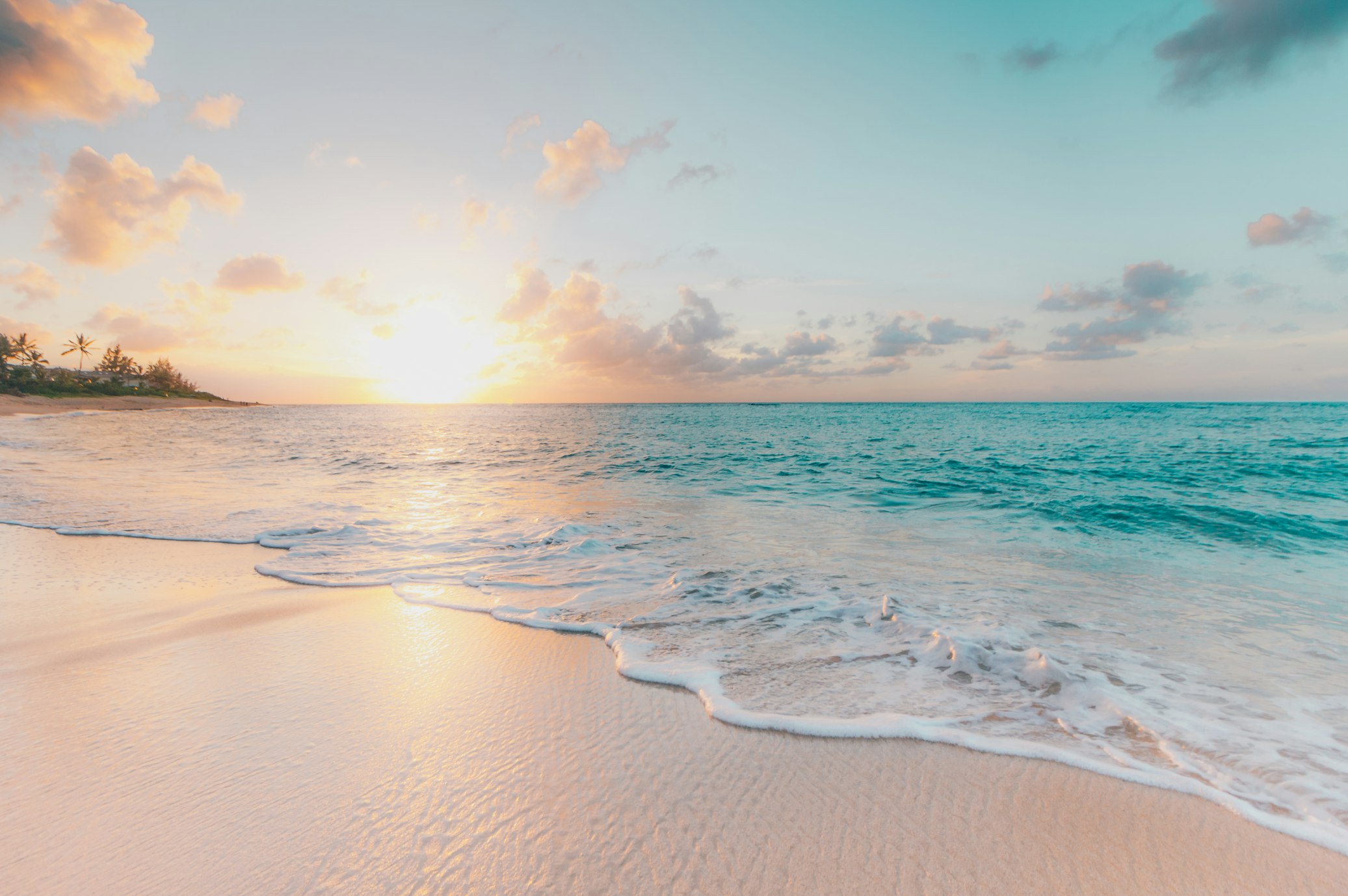
Mozambique’s transformation is no accident. It is the result of a deliberate, eight-year Strategic Tourism Development Plan that pivoted away from mass-market appeal toward high-value, low-impact eco-tourism. This strategy centers on the country’s unique geography—a 1,500-mile coastline, much of which is UNESCO-protected and serves as a critical sanctuary for marine megafauna.
By prioritizing high-end, sustainable lodges that double as research hubs, Mozambique has avoided the pitfalls of over-tourism seen in other coastal destinations. Here, luxury is defined by space, silence, and the privilege of participating in active conservation. This model ensures that tourism dollars directly fund the protection of fragile ecosystems, such as the Bazaruto Archipelago National Park, the first marine park in Africa to be managed under a private-public partnership with African Parks.
"The true luxury of the 2026 traveler is the ability to witness a landscape in recovery. Mozambique offers a visceral connection to rewilding, where every guest stay contributes to the restoration of both land and sea." — Maya Patel
Destination 1: Bazaruto Archipelago — The Ocean's Serengeti
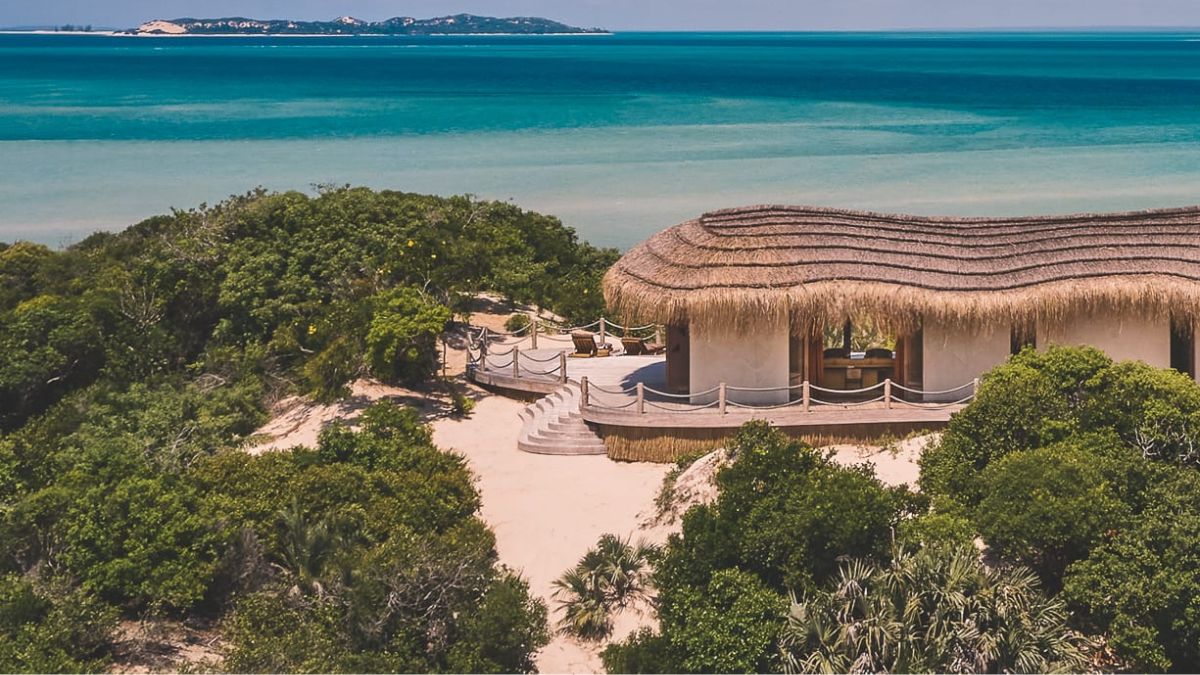
Often referred to as the "Ocean's Serengeti," the Bazaruto Archipelago is a chain of five islands that feel like a world apart. These islands are the crown jewels of Mozambique’s marine conservation efforts. The waters here are crystalline, a shifting mosaic of turquoise and cobalt that hides one of the most biodiverse marine environments in the Indian Ocean.
Marine Safari Highlights:
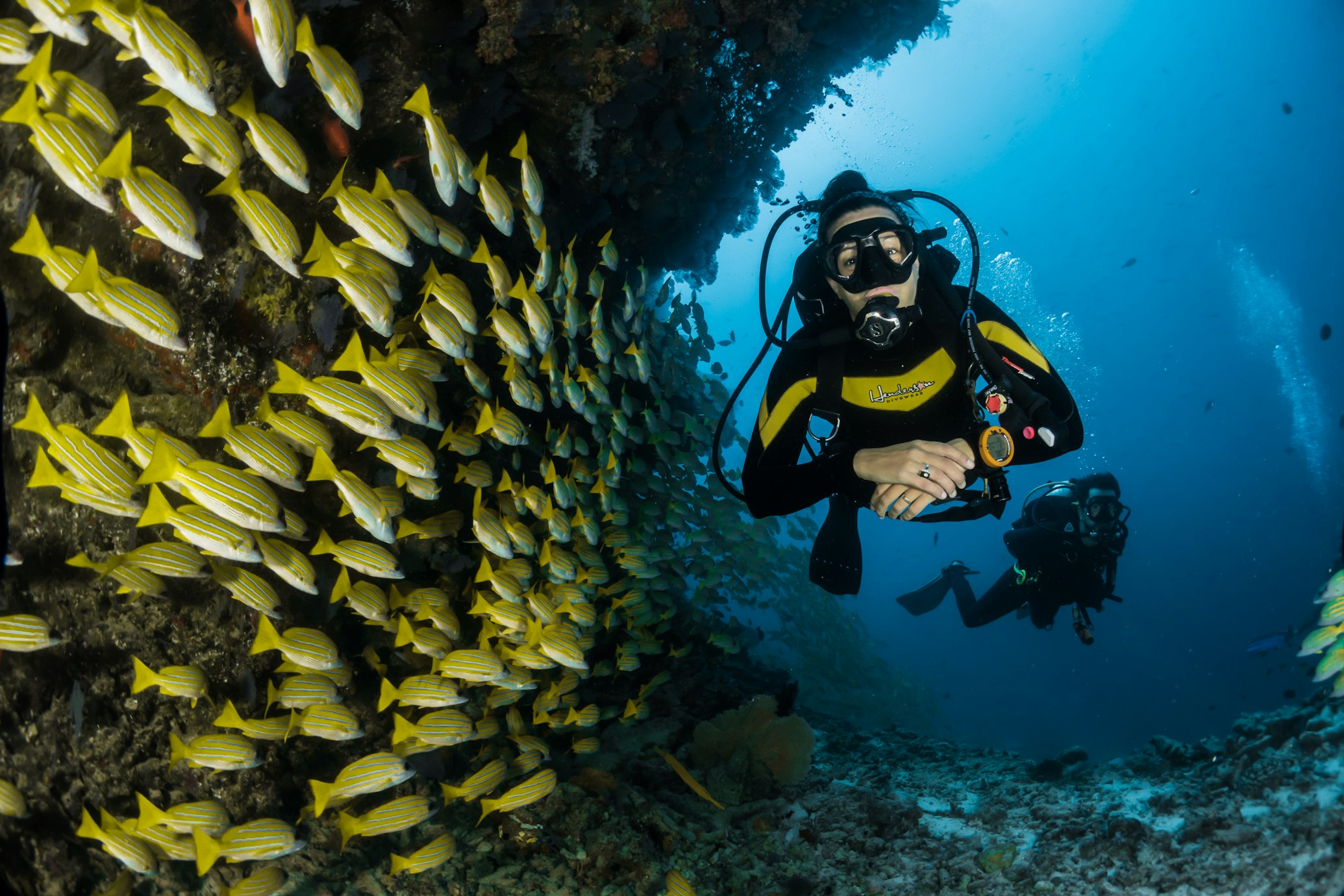
- The Dugong Quest: Bazaruto is home to the Indian Ocean’s last viable population of dugongs. These "sea cows" are shy and rare, making a sighting a bucket-list experience for conscious travelers.
- Mega-Fauna Encounters: Depending on the season, guests can swim with whale sharks, observe the acrobatic displays of manta rays, or track migrating humpback whales.
- Turtle Nesting: Between November and March, the islands’ beaches become vital nesting grounds for green, hawksbill, and loggerhead turtles.
Luxury eco-resorts in the region, such as Kisawa Sanctuary and andBeyond Benguerra Island, have integrated scientific research into the guest experience. Kisawa, for instance, houses the Bazaruto Center for Scientific Studies (BCSS), Africa's first permanent multi-ecosystem observatory. Guests aren't just tourists; they are invited to join scientists in reef monitoring or witness the 3D printing of coral sand structures designed to encourage reef regrowth.
Destination 2: Gorongosa National Park — The Rewilding Icon
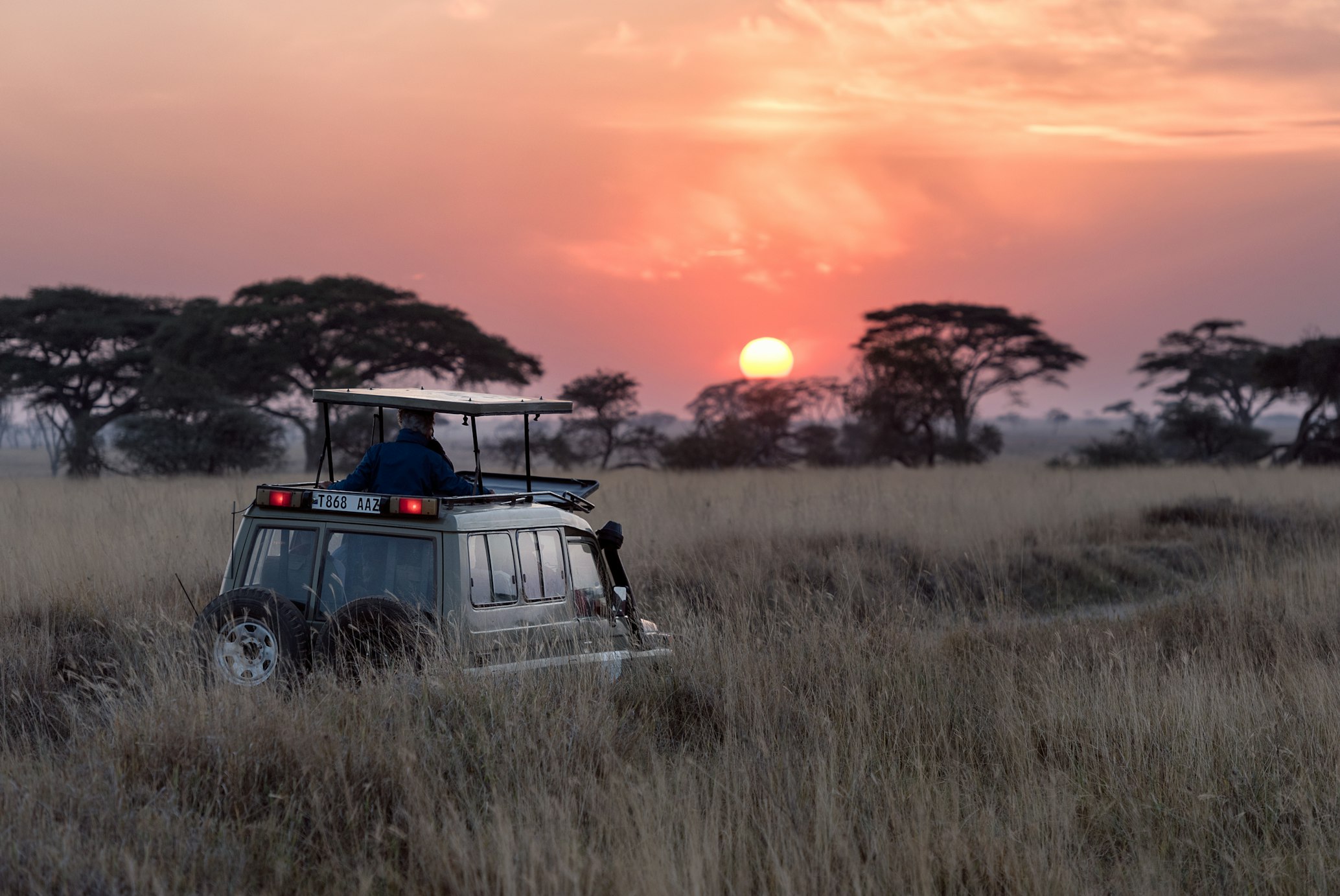
To understand why Mozambique is the premier "bush-and-beach" destination, one must look inland to Gorongosa National Park. Once decimated by civil conflict, Gorongosa is now widely regarded as one of the greatest ecological restoration stories in human history. Under the Gorongosa Restoration Project, the park has seen a massive resurgence of wildlife.
The "Bush" component here is distinct from the manicured reserves of South Africa. It feels raw and prehistoric. The park’s floodplains are teeming with waterbuck, while its forests hide burgeoning populations of lions, elephants, and the elusive African wild dog.
What sets Gorongosa apart is its community-led conservation model. The park doesn't just protect animals; it supports thousands of local families through sustainable agriculture, healthcare, and education. For the sustainable traveler, a safari here is an investment in human capital as much as biodiversity.
Planning a 2026 Bush-and-Beach Journey
Can you combine beach and bush experiences in Mozambique? Yes, Mozambique is a premier destination for 'bush-and-beach' combos, allowing travelers to link game drives in Gorongosa National Park with luxury island stays in the Bazaruto Archipelago via short internal flights.
The logistics of a dual-nature safari have been significantly streamlined for 2026. Most travelers begin their journey in the capital, Maputo, or fly directly from Johannesburg to Vilanculos, the gateway to the archipelago.
Recommended 10-Day Itinerary:
- Days 1-4: Gorongosa National Park. Focus on morning game drives and afternoon walking safaris. Stay at a low-impact tented camp to minimize your footprint.
- Day 5: Transit. A short internal flight from Chimoio (near Gorongosa) to Vilanculos, followed by a helicopter or boat transfer to your island sanctuary.
- Days 6-10: Bazaruto Archipelago. Immerse yourself in the "Blue Safari." Spend your days diving, snorkeling, and participating in marine conservation activities.
| Feature | Traditional Land Safari | Mozambique Marine Safari |
|---|---|---|
| Primary Setting | Savanna / Miombo Woodland | Coral Reefs / Mangrove Estuaries |
| Key Wildlife | Lions, Wild Dogs, Elephants | Dugongs, Manta Rays, Whale Sharks |
| Transport | Open 4x4 Safari Vehicles | Traditional Dhows / RIB Boats |
| Pace | High-energy, early starts | Fluid, tide-dependent, relaxed |
| Primary Activity | Wildlife Tracking | Diving, Snorkeling, Reef Monitoring |
Seasonality: When to Visit for Marine Marvels
Choosing the right time to visit is crucial for maximizing both the "bush" and "beach" elements of your trip. Mozambique’s climate is tropical, with distinct wet and dry seasons.
- Wildlife Viewing (Gorongosa): The dry season (May to October) is best for land safaris. As the bush thins and water sources dry up, animals congregate around permanent water holes, making them easier to spot.
- Whale Sharks & Turtles (Bazaruto): For those focused on the marine safari, November to March offers the best chance to see nesting turtles and whale sharks feeding in the nutrient-rich waters.
- Humpback Whales: These majestic giants migrate through Mozambican waters between July and September.
- Diving Visibility: The best visibility for diving is typically between May and September, when the seas are calmest.
Sustainability and Social Impact: The Heart of the Journey
How does tourism support conservation in Mozambique? Luxury resorts like Kisawa and andBeyond partner with organizations like the Marine Megafauna Foundation and Oceans Without Borders to involve guests in reef monitoring and predator tagging. This participatory model turns a holiday into a mission.
In 2026, the definition of a "green" traveler has evolved. It is no longer enough to simply "leave no trace." Today’s travelers seek to leave a positive trace. In Mozambique, high-value tourism provides the necessary capital for rural development, anti-poaching units, and marine research that would otherwise lack funding. When you book a stay in the Bazaruto Archipelago, a portion of your nightly rate often goes directly to the Marine Megafauna Foundation (MMF), assisting their vital research on the local manta ray and dugong populations.
By choosing Mozambique, you are supporting a nation that has placed environmental stewardship at the center of its identity. It is a destination that proves luxury and conservation are not mutually exclusive, but rather, two sides of the same coin.
FAQ
Is Mozambique safe for solo travelers and families? Yes, Mozambique is increasingly popular for both solo travelers and families, especially within the controlled environments of the national parks and private island resorts. The primary logistics (transfers and flights) are usually handled by the lodges, ensuring a seamless and secure experience.
What vaccinations are required for a Mozambique safari? Travelers are generally advised to take malaria prophylaxis, as Mozambique is a malaria-risk area. It is also recommended to be up-to-date on routine vaccinations such as Hepatitis A and B, and Typhoid. Always consult a travel clinic at least six weeks before departure.
How do I get between the bush and the beach? The most efficient way to combine Gorongosa and the Bazaruto Archipelago is via internal flights. Private charters are common between smaller airstrips, while scheduled flights connect Maputo, Beira, and Vilanculos.
Join the Blue Revolution
The future of the African safari isn't just on the plains—it's under the waves. If you are ready to look beyond the Big Five and contribute to the restoration of one of the world's most beautiful coastlines, Mozambique is waiting.