The socket of the prosthesis was slick with sweat, a humid microclimate of carbon fiber and skin that threatened to slip with every vertical inch gained. Below me—or rather, below Zainab Al-Eqabi, the woman I’ve been tracking through the jagged arteries of the Al Hajar Mountains—the limestone dropped away into a silent, sun-bleached abyss. Most people see the mountains of northern Oman and see a postcard of "The Green Mountain," Jebel Akhdar. Zainab saw a proving ground.
She wasn't just here to climb; she was here to disappear. Not from the world, but from the labels that have followed her since a stray bomb in Baghdad changed her trajectory at age seven. As a para-athlete and a prominent voice for inclusion in the Middle East, Zainab is often surrounded by a team, a film crew, or a supportive family. But on these cliffs, navigating the technical iron rungs of a via ferrata, she was looking for what she calls a "strange kind of liberty"—the freedom of being a climber first, and a person with a disability second.
Quick Facts: The Jebel Akhdar Expedition
- The Athlete: Zainab Al-Eqabi, Iraqi para-athlete, pharmacist, and inclusion advocate.
- The Location: Jebel Akhdar (The Green Mountain), Oman; approximately 2,000 meters above sea level.
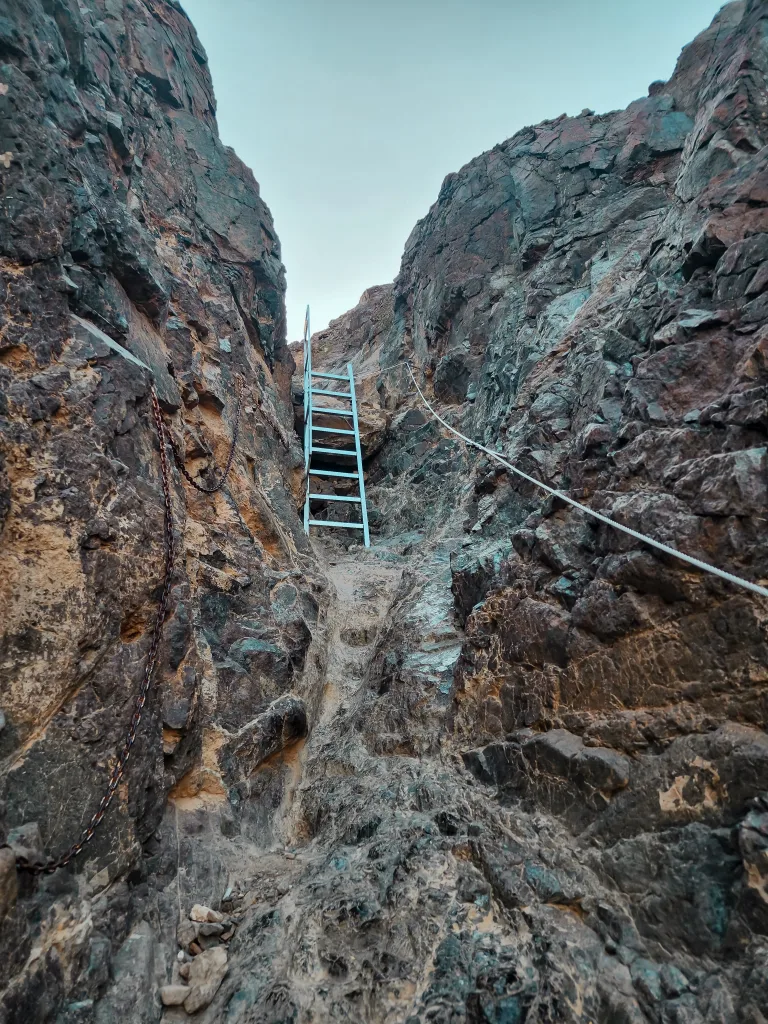
- The Challenge: A technical via ferrata (iron path) involving fixed steel cables, iron ladder rungs, and vertical limestone faces.
- Key Stats: A grueling 5-hour approach hike followed by a multi-pitch technical climb, ending in a high-velocity 120-meter zip line.
- The Goal: Solo reclamation of identity through high-altitude adventure.
The Woman Behind the Climb: Zainab Al-Eqabi
To understand why this climb matters, you have to understand the grit baked into Zainab’s DNA. At seven years old, her life was bifurcated by an unexploded bomb discovered in her family’s garden in Baghdad. The accident resulted in the amputation of her left leg, but it also ignited a refusal to be sidelined. Today, she is a powerhouse in the Middle East, using her platform to dismantle the "pity" narrative often directed at people with disabilities.
Her advocacy isn't just about speaking at conferences; it’s about physical presence in spaces where people like her are rarely seen. In a region where cultural expectations for women—especially those with physical challenges—can be restrictive, Zainab’s choice to tackle Oman’s most punishing terrain solo is a radical act of visibility.
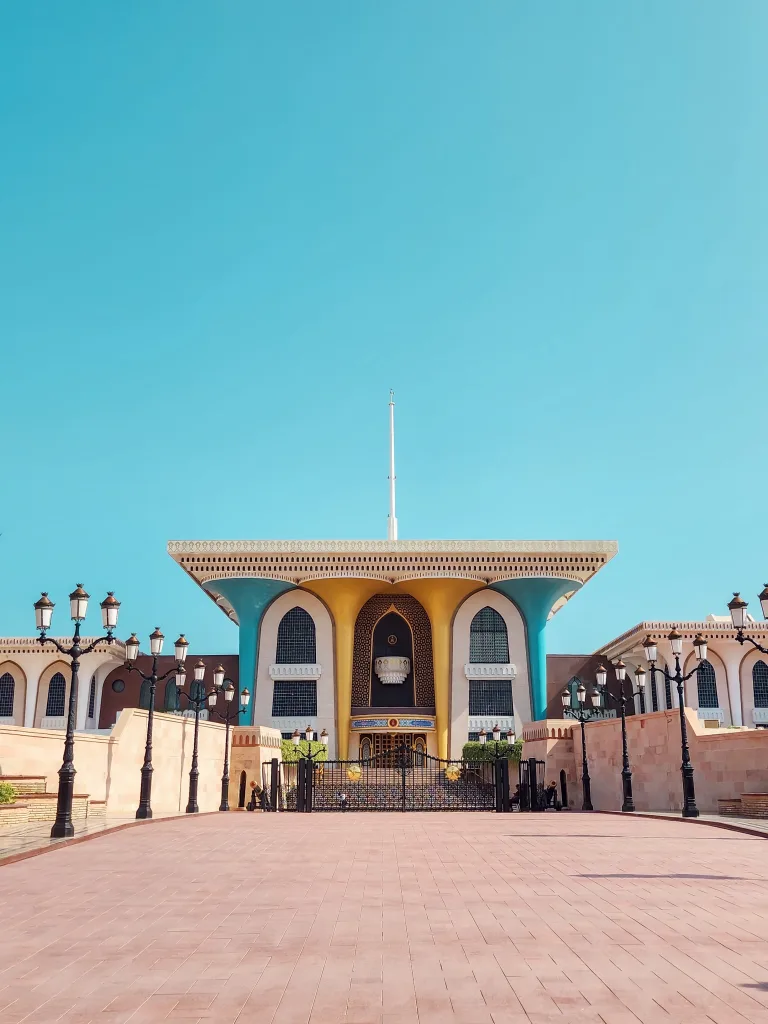
She isn't interested in being "inspirational" in the traditional, saccharine sense. She’s interested in being capable. When she packs her bags for Muscat, she isn't looking for a resort; she’s looking for the raw, elemental resistance that only the desert mountains can provide.
The Mission: Reclaiming Identity Beyond Disability
Traveling solo as a woman in the Middle East is a conversation starter; doing it as a para-athlete is a paradigm shifter. For Zainab, the "solo" part of this mission was non-negotiable.
"When you travel with family or a team, they see the prosthesis before they see the person," she told me during a recent debrief on her Omani expeditions. "They want to help, they want to carry the bag, they want to check the socket. But when I am alone on the side of a mountain in Oman, the mountain doesn't care about my leg. It only cares about my grip and my resolve."
This is the "strange kind of liberty" she seeks. It is the psychological shift from being a 'patient' or a 'subject' to being an 'operator.' In the quiet wadis and the high-altitude plateaus of Jebel Akhdar, Zainab reclaimed an identity that was independent of her medical history. It was a move toward "stubborn proof"—showing her family, her community, and herself that safety is a relative term and that her boundaries are hers to set.
The Route: Navigating the Jebel Akhdar Via Ferrata
The Jebel Akhdar via ferrata is not a casual stroll. It is a technical route etched into the limestone cliffs of northern Oman, designed to test the vertical limits of any adventurer. For a para-athlete, the technicalities are exponentially more complex.
The Technical Specs
| Feature | Detail |
|---|---|
| Route Type | Via Ferrata (Fixed steel cables and iron rungs) |
| Duration | 4–6 hours (including approach hike) |
| Vertical Gain | Approx. 200 meters of technical climbing |
| Highlight | 120-meter zip line across a mountain canyon |
| Difficulty | Moderate to Advanced (Technical footwear required) |
The journey began with a punishing five-hour hike through the rugged terrain of the plateau. In the heat of Oman, the physical toll on a prosthetic limb is immense. Friction becomes an enemy. Heat causes the residual limb to swell, changing the fit of the socket. Zainab had to manage these variables while navigating loose scree and steep inclines.
Once on the rock face, the via ferrata requires a rhythmic dance of clipping and unclipping carabiners while pulling your weight up iron rungs. For Zainab, this meant relying heavily on her upper body strength and the precision of her remaining leg to find purchase on the limestone.
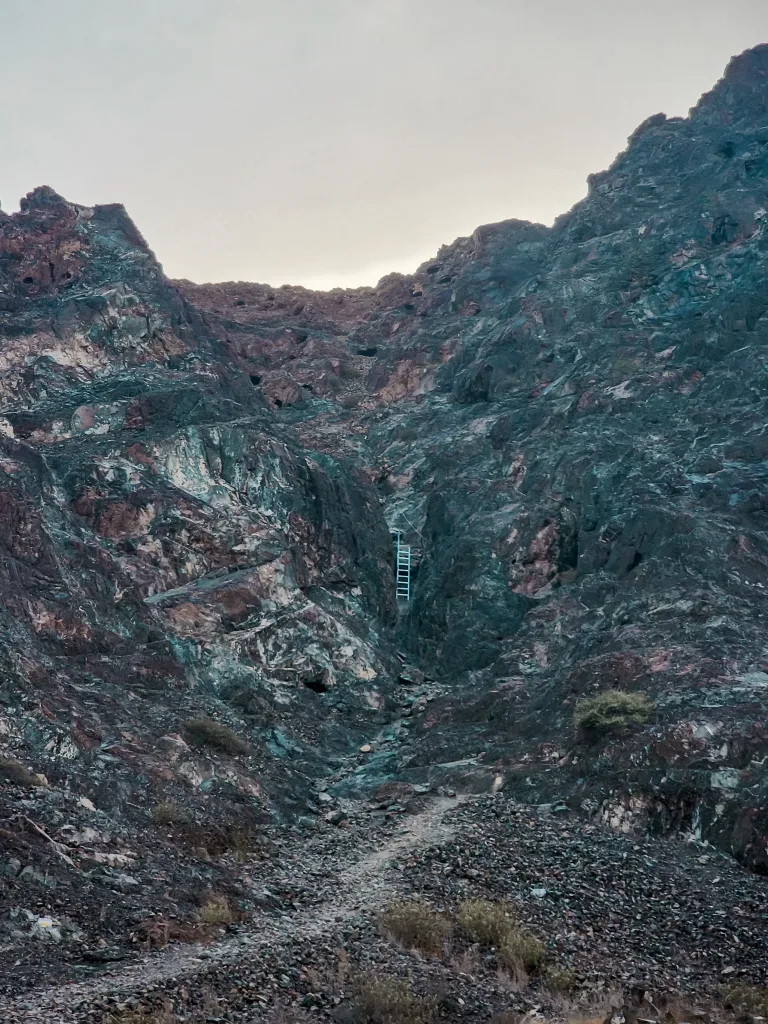
The finale of the course is the "heart-in-throat" moment: a 120-meter zip line that suspends you over a massive canyon. As she zipped across the void, the sheer scale of the Omani wilderness opened up beneath her—a physical manifestation of the freedom she had traveled so far to find.
Why Oman? The Elemental Appeal for Adventure Travelers
I’ve spent years trekking through the Middle East, and there is something about Oman that feels different. It is a land "stripped to its bones." Unlike the hyper-polished skyline of Dubai or the crowded ancient sites of Egypt, Oman offers a raw, visceral connection to the earth.
For an adventurer like Zainab, Oman provides the perfect blend of high-octane challenge and deep, cultural safety. The Omani people practice a brand of hospitality that is quiet and respectful. When Zainab moved through these mountains alone, she didn't encounter the hovering anxiety she might have felt elsewhere. Instead, there was a silent respect for her presence on the trail.
"Oman feels like the true heart of Arabia. It doesn't try to impress you with neon lights; it impresses you with the weight of its silence and the height of its peaks." — Marcus Rivera
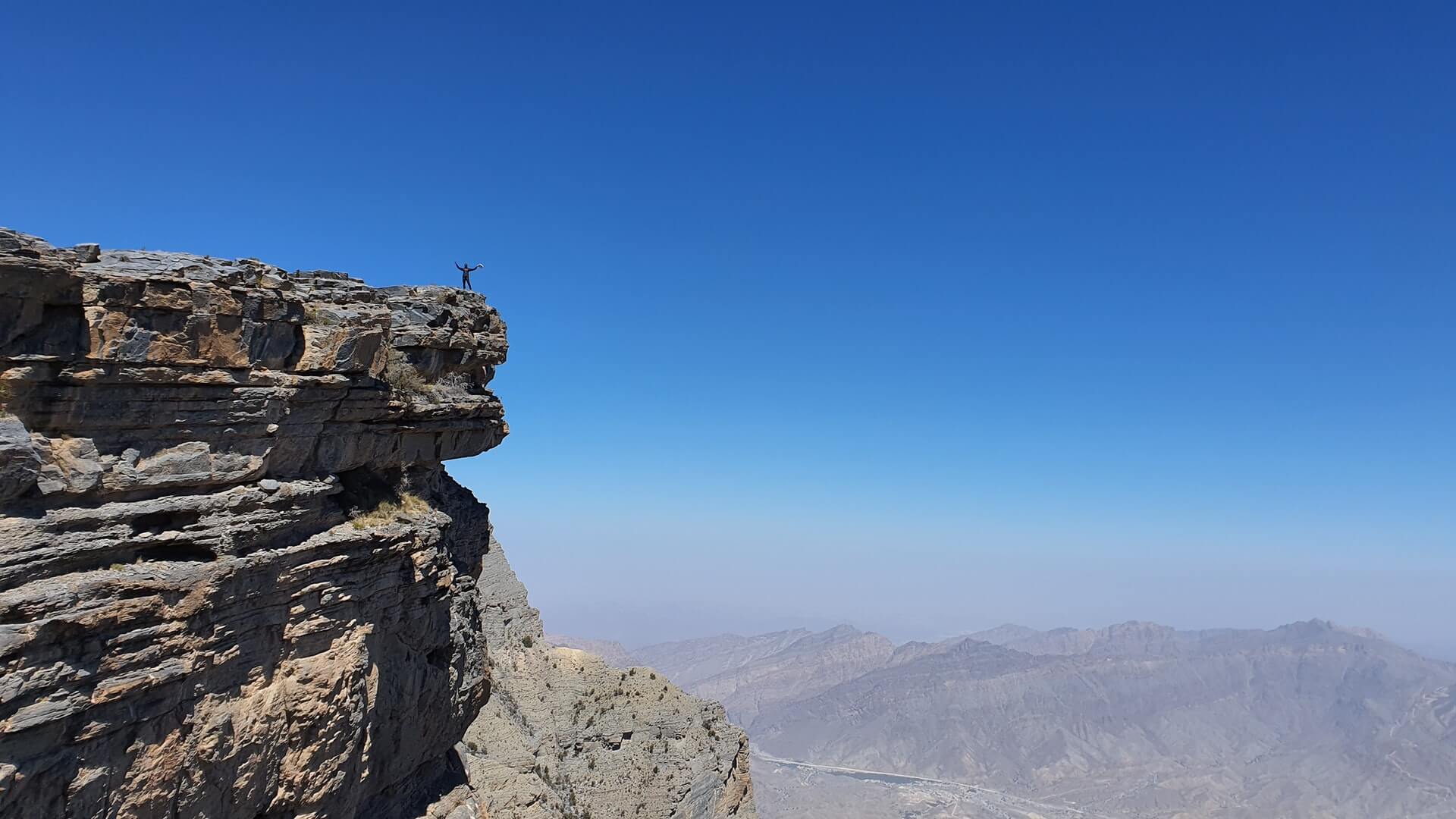
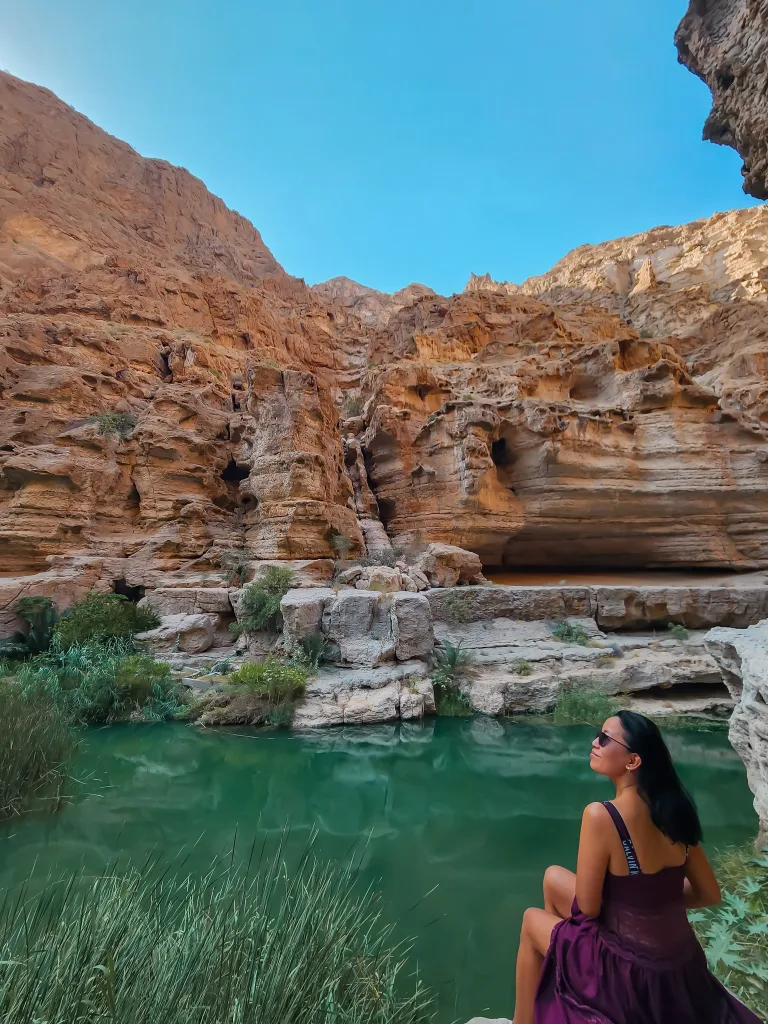
The landscape itself—the Jebel Akhdar and Jebel Shams ranges—offers some of the best technical climbing and hiking in the world. The limestone is high-quality and grippy, the air at 2,000 meters is crisp and clear, and the wadis (dry riverbeds) provide hidden oases of emerald water that feel like a reward for the struggle.
Lessons from the Summit
Zainab Al-Eqabi’s solo climb in Oman is a masterclass in mental toughness. Her journey serves as a blueprint for anyone—disabled or able-bodied—who feels confined by the expectations of others.
If you’re looking to follow in her footsteps, here are a few takeaways from her experience:
- Audit Your Gear: For para-athletes, gear isn't just about comfort; it's about survival. Zainab meticulously checked her suspension sleeves and socket liners for wear and tear before every ascent.
- Embrace the Solo Narrative: Traveling alone allows you to define your own pace and your own story. It removes the "safety net" that often doubles as a cage.
- The Power of Stubborn Proof: Sometimes you don’t need to argue your case with words. You just need to show up at the trailhead, clip into the cable, and start climbing.
The ultimate takeaway from Zainab's time in the Omani heights is simple: You don’t need to be fearless. You just need to begin. The mountain will teach you the rest.
Essential Gear for Para-Athletes in Oman
- Moisture-wicking liners: Essential for preventing skin breakdown in the intense Omani heat.
- High-torque prosthetic feet: Look for models designed for multi-axial terrain to handle the uneven limestone.
- Heavy-duty carabiners and harness: Ensure your via ferrata kit is rated for your weight and easy to operate with one hand if necessary.
- Hydration Bladder: In the desert, if you wait until you're thirsty, you're already dehydrated.
FAQ
Is it safe for solo female travelers to visit Oman? Absolutely. Oman is consistently ranked as one of the safest countries in the world. The culture is rooted in respect and hospitality. While standard solo travel precautions apply, the risk of harassment is significantly lower than in many Western destinations.
Can beginners attempt the Jebel Akhdar via ferrata? The via ferrata is managed by trained guides (often through the Anantara Al Jabal Al Akhdar Resort). While it is physically demanding, you don't need prior rock climbing experience, as the fixed cables and iron rungs provide the necessary support. However, a decent level of fitness and a lack of debilitating vertigo are required.
How do I get to Jebel Akhdar? It’s a two-hour drive from Muscat. Note that you must have a 4WD vehicle to pass the police checkpoint at the base of the mountain; 2WD cars are strictly prohibited for safety reasons due to the steep, winding roads.
Ready to find your own 'strange kind of liberty'?
If you're looking to challenge your limits in the heart of Arabia, Oman is waiting. Don't wait for a team, don't wait for "the right time." Pack your boots, book your flight, and see what the limestone has to tell you.