The dust of the high desert has a way of preserving what time intends to erase. In Southern Idaho, history isn't tucked away behind velvet ropes; it is etched into granite outcroppings and pressed into the earth by the weight of iron-rimmed wheels. A Southern Idaho history road trip is a journey through these layers—from the 250,000 pioneers who traversed the California Trail to the resilient Basque shepherds who found a home in the mountains, and the modern-day refugees who are currently reshaping Boise’s culinary landscape.
If you’ve only ever thought of Idaho in terms of its famous potatoes, you are missing a story of profound human movement. The top historical sites in Southern Idaho include the City of Rocks National Reserve, where 19th-century "signatures" still mark the stone; the Minidoka National Historic Site, a somber monument to WWII Japanese American internment; and the Basque Block in Boise, which preserves the heritage of the largest Basque community in the United States. Whether you are tracing the hardened wagon ruts along the National Pioneer Historic Byway or tasting croquetas de bacalao in a downtown tavern, this region offers the West’s most surprising cultural deep-dive.
The Silent Stones: City of Rocks and the Pioneer Trail
There is a specific stillness to the City of Rocks National Reserve. Massive granite spires rise from the sagebrush like a crumbling cathedral, providing a dramatic backdrop for one of the greatest migrations in human history. Between 1843 and 1882, over 250,000 pioneers passed through this natural corridor on their way to California.
For these travelers, the "Silent City" was a milestone. It was here that the California Trail separated from the Oregon Trail, a place where families made the harrowing choice of destiny. Today, you can still see the physical evidence of their passage:
- Axle Grease Signatures: Pioneers used axle grease to write their names and the dates of their passage on the granite faces. Names like "Minnie Wright 1880" remain legible, a hauntingly personal link to the past.
- The Twin Sisters: These 2.5-billion-year-old rock formations served as essential navigational landmarks. If you stood here in 1850, you would have seen a continuous line of white-topped wagons stretching to the horizon.
- Wagon Ruts: In certain stretches of the National Pioneer Historic Byway, the soil is still scarred. These aren't mere paths; they are deep, hardened ruts carved by thousands of heavy wagons, a permanent record of grit and ambition.
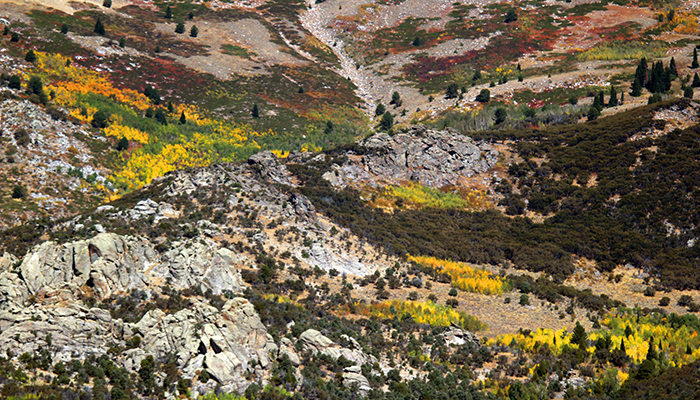
Just a few miles away, Castle Rocks State Park offers an even deeper look into the land’s history. Long before the pioneers arrived, the Shoshone and Bannock peoples utilized these formations for shelter and ceremony. The ancient petroglyphs found here are a reminder that while the "West" was a new frontier for some, it was an ancestral home for many others.
Echoes of the Past: National Historic Sites and Hidden Landmarks
History in Southern Idaho isn't always a tale of triumph. To understand the full American experience, one must confront the difficult chapters. The Minidoka National Historic Site stands as a poignant witness to the injustices of World War II. Here, 13,000 Japanese Americans—most of them American citizens—were forcibly relocated from their homes on the West Coast to a desolate expanse of Idaho desert.
Walking the 1.6-mile trail through the remains of the camp is a sensory experience. The wind whistles through the reconstructed guard tower, and the sight of the root cellar, where internees worked the land to survive, tells a story of incredible resilience in the face of betrayal. It is a necessary stop for anyone seeking to understand the complexities of American identity.
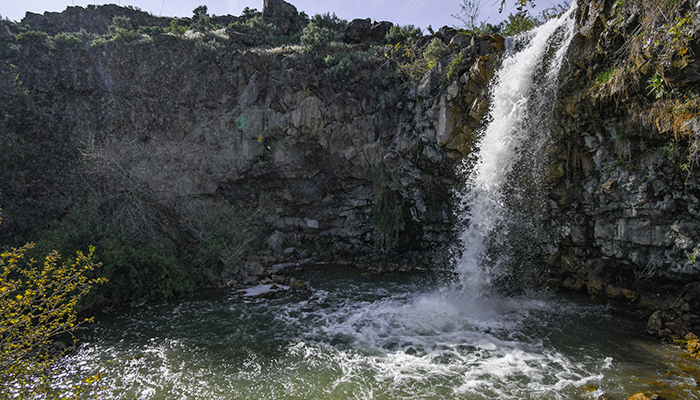
Further west, the history shifts from human struggle to the dawn of life itself at the Hagerman Fossil Beds National Monument. This area contains one of the world's most significant deposits of Hagerman Horse fossils (the ancestor of the modern horse). To look across these bluffs is to see Idaho not as it is now, but as a lush, prehistoric savanna.
History by the Numbers
- 250,000+: The number of pioneers who navigated the City of Rocks between 1843 and 1882.
- 13,000: Japanese Americans incarcerated at the Minidoka War Relocation Center.
- 10,000–15,000: Residents of Basque descent currently living in the Boise area.
- 212 feet: The height of Shoshone Falls, standing 45 feet taller than Niagara Falls.
The Niagara of the West: Shoshone Falls and Twin Falls
The Snake River is the lifeblood of Southern Idaho history. It carved the canyons, powered the early electric grids, and dictated the routes of the pioneers. Nowhere is its power more evident than at Shoshone Falls. At 212 feet high, it is often called the "Niagara of the West."
Historically, the falls served as a major fishing site for Indigenous tribes, particularly for salmon runs that couldn't bypass the massive drop. In more recent "history," the nearby Snake River Canyon became the site of one of the 20th century’s most audacious spectacles: Evel Knievel’s attempted 1974 jump across the canyon in a steam-powered rocket. The earthen ramp he used still stands on the north rim, a quirky monument to American bravado.
For a more immersive experience, I recommend kayaking from Centennial Waterfront Park to the base of the falls. Along the way, you can spot caves tucked into the canyon walls—some of which were used by early settlers and Indigenous groups for cooling and storage during the blistering Idaho summers.
Boise: A Cultural Crossroads in the High Desert
As the state capital, Boise is where Idaho’s history reaches its most sophisticated crescendo. It is a city that prides itself on being a "Welcoming City," a philosophy that has transformed it into a global cultural crossroads.
The Basque Block: A European Heart in the West
Boise is home to the largest community of Basque descendants in the United States, estimated between 10,000 and 15,000 people. Fleeing political unrest in their homeland in northern Spain and southern France in the late 1800s, many Basque men found work as sheep shearers in the Idaho hills.
Today, the Basque Block is a vibrant two-block stretch downtown. To visit the Basque Museum and Cultural Center is to learn about a language—Euskara—that is among the oldest in the world. For the culinary traveler, the highlight is undoubtedly the food.
- The Experience: On Wednesday and Friday at lunch, you can watch massive pans of paella being prepared on the sidewalk at the Basque Market.
- The Flavors: Sip on Kalimotxo (red wine and cola) and feast on croquetas and chorizos. It is a piece of the Pyrenees transported to the high desert.
A Modern Melting Pot
Beyond the Basque heritage, Boise has become a major hub for global refugee resettlement. This has introduced a new layer to the city’s history. Visit the Global Gardens or explore the markets near the Bench neighborhood to find Somali, Ugandan, and Afghan street food. It is a living history, showing how the "pioneer spirit" of moving and starting over continues in the 21st century.
For those who enjoy a darker shade of history, the Old Idaho Penitentiary offers a fascinating look at frontier justice. Operating from 1872 to 1973, it housed some of the West’s most notorious criminals. The Romanesque stone buildings, quarried by the inmates themselves, feel heavy with the stories of the men and women who lived behind their bars.
Planning Your Trip: The Southern Idaho History Loop
Mapping out a Southern Idaho history road trip requires a balance of long drives and contemplative stops. The landscape changes rapidly from the volcanic moonscape of Craters of the Moon to the lush river valleys of the Snake.
Recommended Itinerary
- Day 1-2: Start at the Wyoming border. Visit the National Pioneer Historic Byway and the geysers of Soda Springs. Stay at The Harkness Hotel, a beautifully restored 1906 banking building in McCammon.
- Day 3: Head to the City of Rocks. Spend the day hiking and searching for wagon ruts.
- Day 4: Visit Minidoka and Shoshone Falls near Twin Falls.
- Day 5-6: End in Boise. Explore the Basque Block, the Old Pen, and the burgeoning wine scene in the nearby Sunnyslope region of Caldwell.
When to Go
- Late Spring: The best time to see Shoshone Falls at peak flow due to snowmelt.
- Autumn: Ideal for hiking in the City of Rocks and enjoying the bird migrations at the World Center for Birds of Prey in Boise.
Where to Stay
| Location | Style | Highlight |
|---|---|---|
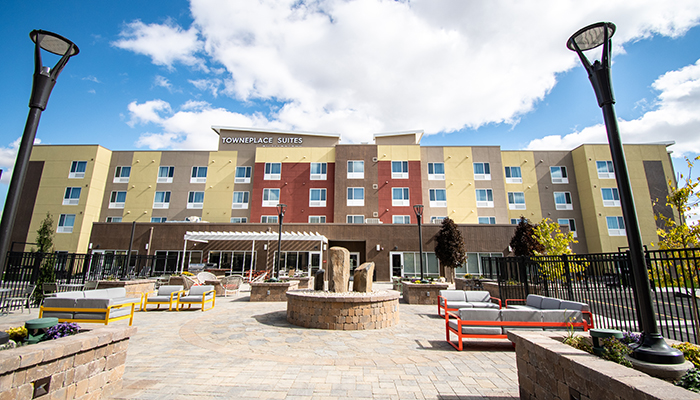
| McCammon | The Harkness Hotel | Historic luxury in a 1900s bank. |
| Boise | Hotel Renegade | Modern boutique style with a nod to the city's rough-and-tumble past. |
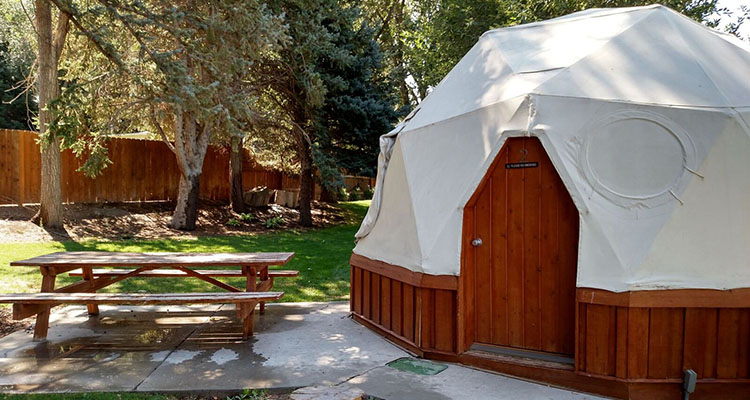
| Buhl | Miracle Hot Springs | Glamping domes and restorative geothermal soaks. |
Explore More Idaho Road Trip Routes →
FAQ
How long does it take to drive the Southern Idaho history loop? While you can see the highlights in 3 days, a 5-to-7-day trip allows you to truly immerse yourself in the historical sites and enjoy the local culinary scene without rushing.
Are the pioneer wagon ruts easy to find? Yes, several markers along the National Pioneer Historic Byway and within the City of Rocks National Reserve point specifically to well-preserved ruts. Always stay on marked trails to protect these fragile historical sites.
Can you visit the Basque Block at any time? The Basque Block is a public street and can be walked at any time. However, if you want to visit the museum or eat at the local restaurants, check their specific hours, as many are closed on Sundays or Mondays.
Embark on Your Journey
The history of Southern Idaho is a story of movement—of people seeking a better life, surviving against the odds, and bringing their culture with them to the high desert. Whether you are a history buff, a foodie, or an adventurer, this road trip offers a rare opportunity to see the American West not as a myth, but as a living, breathing reality.
Pack your bags, grab a map, and prepare to be surprised.