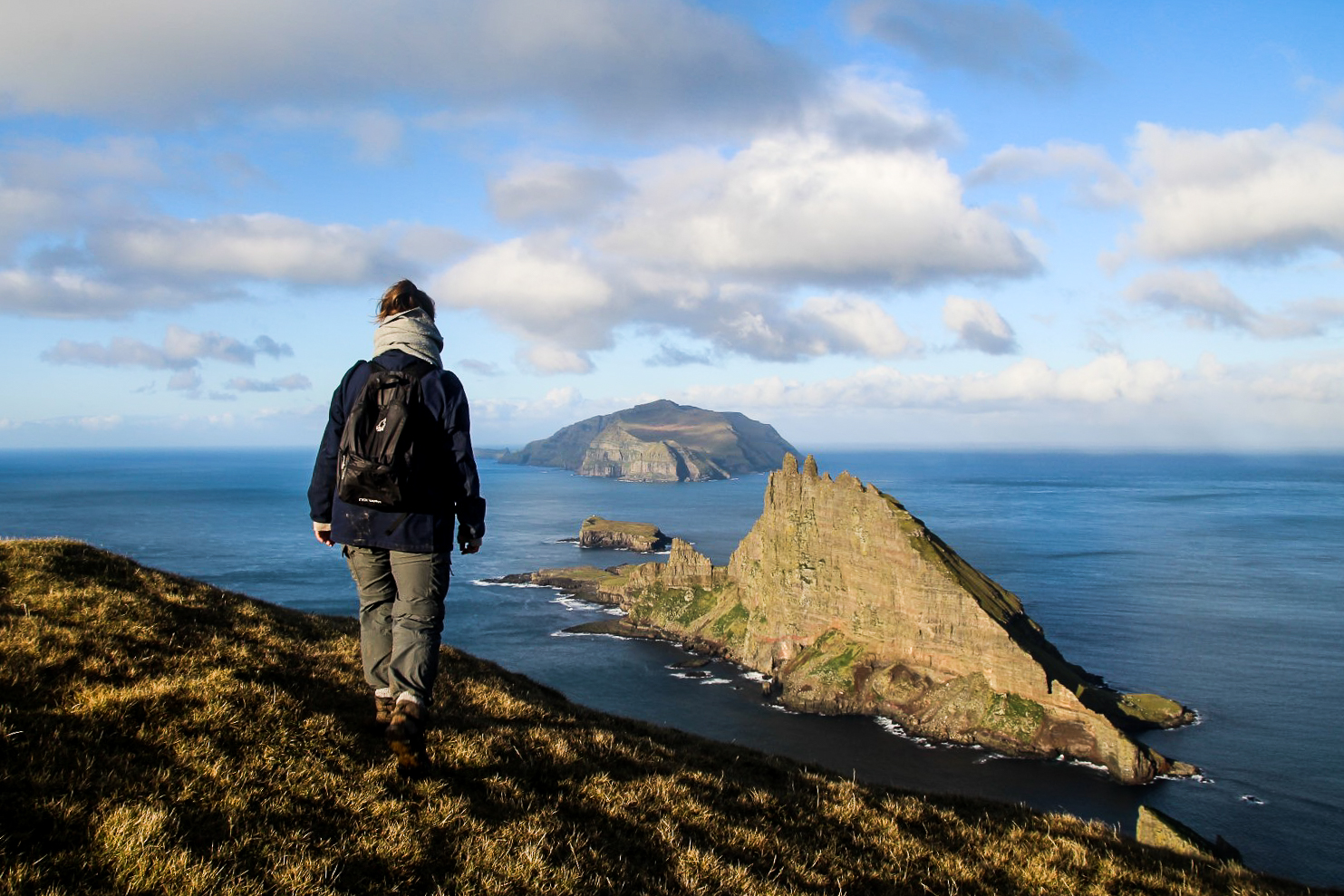
I’ve spent the better part of a decade chasing horizons, from the jagged peaks of the Andes to the dense jungles of Borneo. But if you asked me where I’d put my own boots on the ground right now, the answer might surprise you. It’s not a "new" destination, but it’s one we’ve been looking at through a very narrow lens.
Japan is currently ranked as the #2 favorite country in the world, and while most travelers are busy bumping elbows in the neon-lit corridors of Shibuya or queuing for the perfect ramen in Osaka, there is a quiet, green revolution happening just beyond the city limits. The Japanese government’s ‘Step Up Program 2020’ has poured significant resources into prioritizing eight key national parks for international growth and conservation, making the Japanese wilderness more accessible—and more breathtaking—than ever before.
Why should you ditch the Shinkansen for a pair of hiking boots? Because Japan’s national parks offer something no other wilderness on earth can: a seamless fusion of ancient spirituality and raw, volcanic nature. You aren't just hiking; you’re walking through living history. Whether it’s the subtropical "coral jungles" of Okinawa or the remote, bear-country wilderness of Hokkaido, the Great Outdoors is where the true soul of Japan resides.
Walking Through History: Japan’s Legendary Pilgrimage Trails
When people ask me for the best hiking trails in Japan, I don't point them toward a city park. I point them toward the trails that have been worn smooth by the feet of emperors, samurai, and monks for over a millennium.
The Kumano Kodo is, quite simply, legendary. Located on the Kii Peninsula, this 1,200-year-old network of pilgrimage trails is one of only two hiking routes in the world with UNESCO World Heritage status (the other being the Camino de Santiago). It’s a spiritual gauntlet of towering cedar trees, hidden stone Jizo statues, and moss-covered stairs that feel like they lead straight into another dimension.
Then there’s the Nakasendo Trail. If the Kumano Kodo is for the soul, the Nakasendo is for the history buff. This was the "Central Mountain Route" connecting Kyoto to Edo (modern-day Tokyo) during the Edo period. Walking the section through the Kiso Valley—specifically between the preserved "post-towns" of Magome and Tsumago—is like stepping into a woodblock print. No cars, no power lines, just the sound of your boots on stone and the smell of woodsmoke from traditional minshuku (guesthouses).
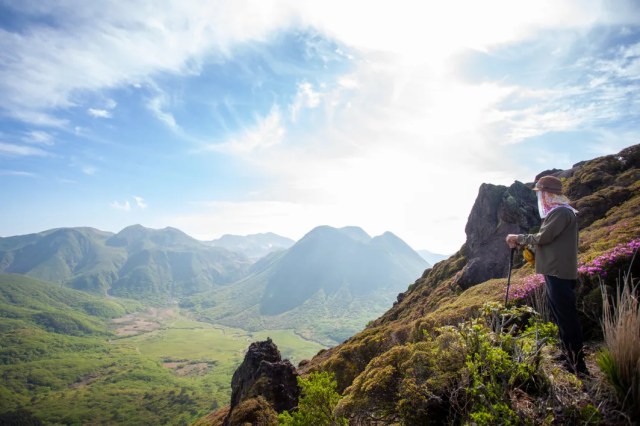
Marcus’s Pro-Tip: Don’t try to "conquer" these trails. The Japanese concept of Shinrin-yoku (forest bathing) is real. Slow down. Stop at every tiny wayside shrine. Drink the water from the mountain springs. The goal isn't the finish line; it’s the transition you feel along the way.
From Subtropical Jungles to Volcanic Plains: National Park Highlights
Most travelers don’t realize that Japan is roughly 70% mountains. That topography has created a diverse range of ecosystems that feel like different planets.
Nikko National Park: The Gateway to the Wild
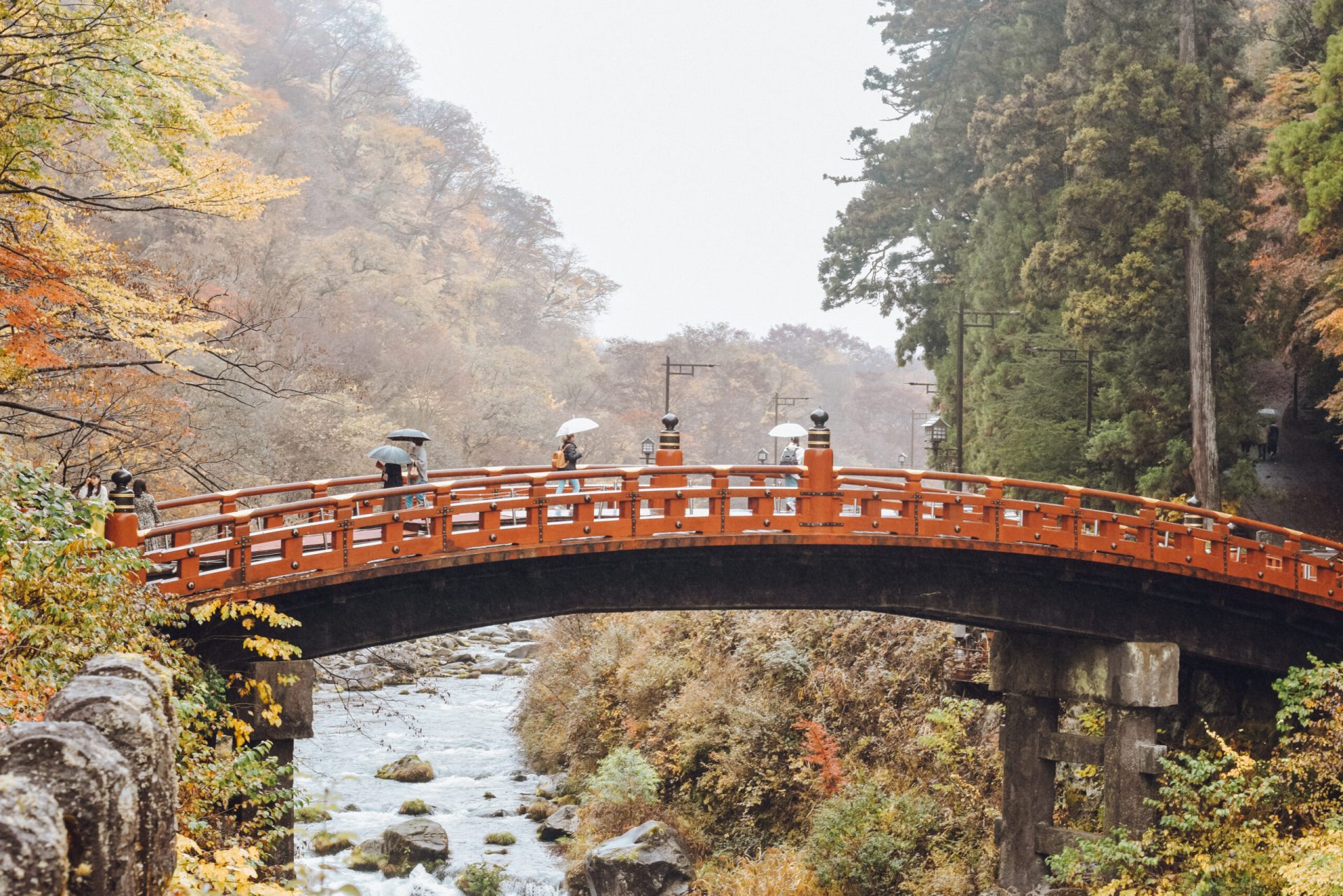
Just a few hours north of Tokyo, Nikko is the perfect "entry drug" for Japan nature travel. It combines high-altitude volcanic plains, dramatic waterfalls like Kegon Falls, and the opulence of the Toshogu Shrine. It’s where nature and UNESCO-recognized architecture shake hands.
The Remote Frontiers: Hokkaido and Okinawa
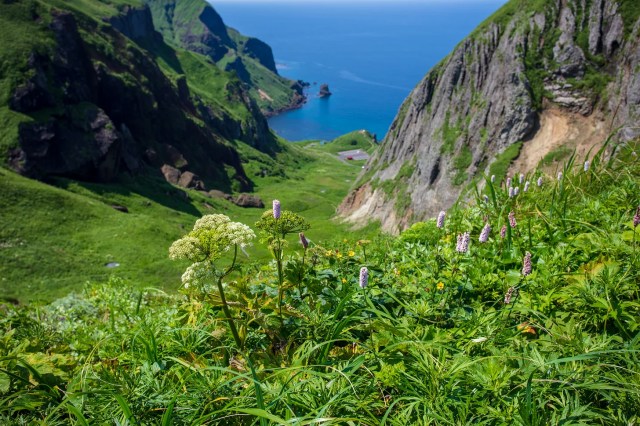
If you want to go truly off-the-beaten-path, you head north or south. Shiretoko National Park in Hokkaido is one of the richest integrated ecosystems in the world. It’s a place of brown bears, drift ice, and primeval forests. On the flip side, Keramashoto National Park in Okinawa offers "Kerama Blue" waters and coral jungles that rival the Great Barrier Reef.
Beyond the Ryokan: New Frontiers in Outdoor Luxury
For years, the choice in Japan was either a high-end city hotel, a traditional ryokan, or a basic mountain hut. But the "Step Up Program" has ushered in a new era of unique outdoor accommodations in Japan that blend high design with rugged environments.
We’re talking about Field Suite Hakuba, a glamping experience designed by the legendary architect Kengo Kuma. Imagine sleeping in a luxury tent on a wooden deck 1,200 meters above sea level, with the Northern Alps as your headboard. Or head to Mie Prefecture for Hygge Circles Ugakei, a sustainable campground designed in collaboration with Nordisk that brings Danish "hygge" to the Japanese forest.
These aren't just places to sleep; they are basecamps for the modern explorer who wants to experience the mountains without sacrificing a world-class meal or a hot soak.
The Ultimate 14-Day 'Outdoor & Culture' Itinerary
Current travel trends show a massive surge in demand for multi-day walking vacations, specifically the 12-day Nakasendo trek. But if you want a mix of everything, I’ve mapped out an itinerary that hits the high notes of both the wild and the refined.
| Phase | Days | Focus | Key Activities |
|---|---|---|---|
| The Alpine Start | 1-3 | Tokyo & Nikko | Urban exploration followed by hiking the Senjogahara Marshland in Nikko National Park. |
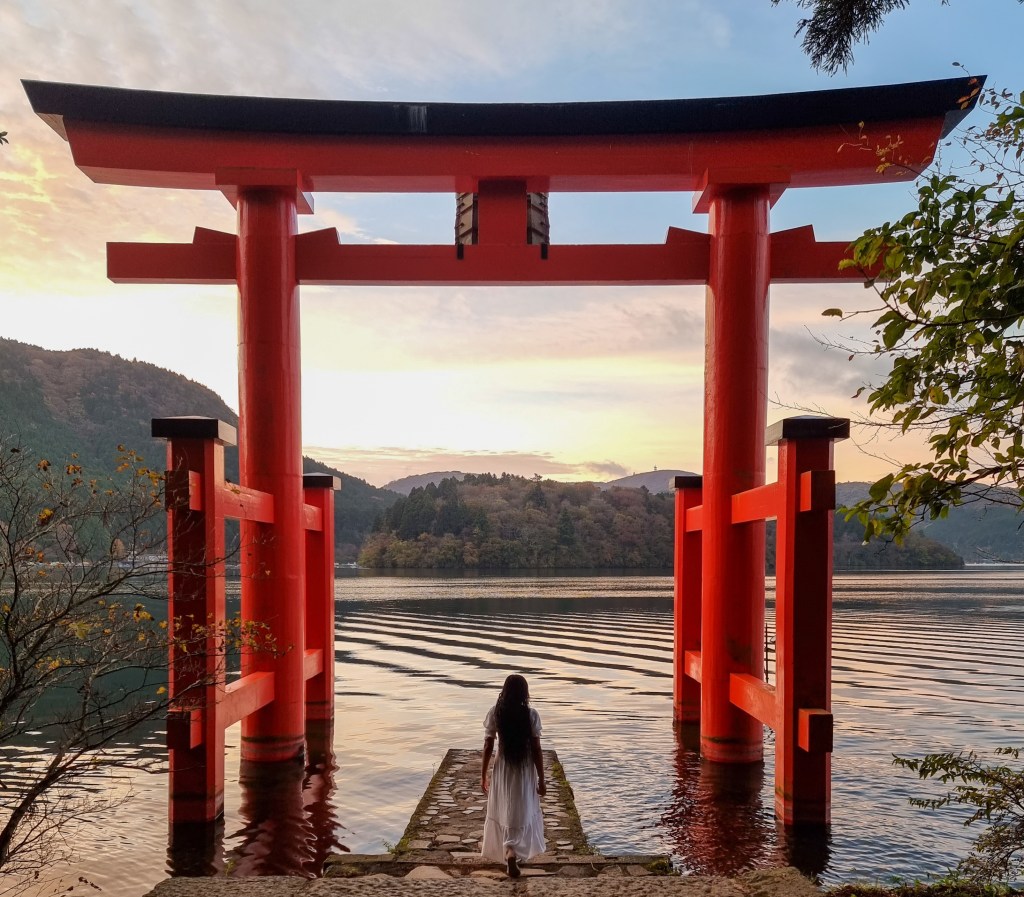
| The Icon | 4-6 | Fuji-Hakone-Izu | Trekking the Old Tokaido path and kayaking on Lake Ashi with views of Mt. Fuji. |
| The Soul | 7-10 | Kyoto & Kumano Kodo | Exploring Kyoto's temples before heading south for a 3-day trek on the Nakahechi pilgrimage route. |
| The Samurai Way | 11-14 | Kiso Valley | Walking the Magome-to-Tsumago section of the Nakasendo trail before departing from Osaka. |
Days 4-6: The Fuji-Hakone Loop
Hakone is often dismissed as "too touristy," but if you get off the cable car and onto the Old Tokaido Road, you’ll find sections of the original stone-paved path used by travelers during the Edo period.
Days 7-10: Deep Kyoto and the Kumano Kodo
After the sensory overload of Kyoto, the Arashiyama Bamboo Grove serves as a palate cleanser before you head deep into the Kii Peninsula. The Kumano Kodo is the heart of this trip. You’ll stay in tiny mountain villages, soak in riverside onsen (hot springs), and reconnect with a rhythm of life that has vanished from the modern world.

Practical Tips for the Japanese Wilderness
Venturing into the Japanese backcountry requires a bit more finesse than your average weekend hike. Here’s how to do it like a pro:
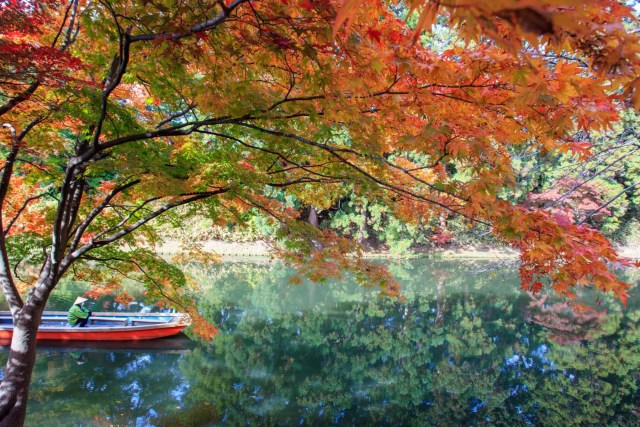
- Master the Seasons: While summer is great for high-altitude trekking in the Japan Alps, the humidity in the lower elevations can be brutal. April-May (Spring) offers cherry blossoms and mild temps, but October-November (Autumn) is the gold standard. The koyo (autumn foliage) transforms the trails into a fiery tapestry of reds and golds.
- The Luggage Hack: Use Takuhaibin (luggage delivery services). You can send your main suitcase from your hotel in Tokyo to your hotel in Kyoto for about $20. This allows you to hike the Nakasendo or Kumano Kodo with nothing but a 25L daypack. It’s a total game-changer.
- Onsen Etiquette: After a 20km hike, nothing beats a hot spring. Remember: wash thoroughly before entering the communal bath, and keep your hair and towels out of the water. It’s the ultimate ritual for muscle recovery.
Pro-Tip: Get the Hakone Free Pass If you’re following the itinerary above, grab the Hakone Free Pass. It covers all your transport—trains, buses, cable cars, and even the "pirate ship" on Lake Ashi—making the logistics of exploring the national park seamless.
FAQ
Q: Do I need to be an elite athlete to hike the Kumano Kodo or Nakasendo? A: Not at all. While there are challenging sections with steep elevation gains, both trails can be broken down into manageable segments. Most people walk 10–15km per day. If you can walk for 4–5 hours on uneven terrain, you’ll be fine.
Q: Is it safe to hike alone in Japan? A: Japan is incredibly safe for solo hikers. Trails are generally well-marked (look for the kanji characters and English subtitles), and mountain huts are well-maintained. However, in areas like Hokkaido or the Japan Alps, always carry a "bear bell" and check weather reports diligently.
Q: Can I find vegetarian food in rural hiking areas? A: It’s getting easier, but it requires planning. Traditional shojin ryori (monk’s cuisine) found near temples is naturally vegan and delicious. However, in small guesthouses, fish stock (dashi) is in almost everything. Always notify your hosts of dietary restrictions at least 72 hours in advance.
Ready to Step Off the Pavement?
Japan is waiting, and it’s a whole lot greener than you think. If you’re tired of the crowds and hungry for a story that involves more than just a selfie at a crossing, the trails are calling.