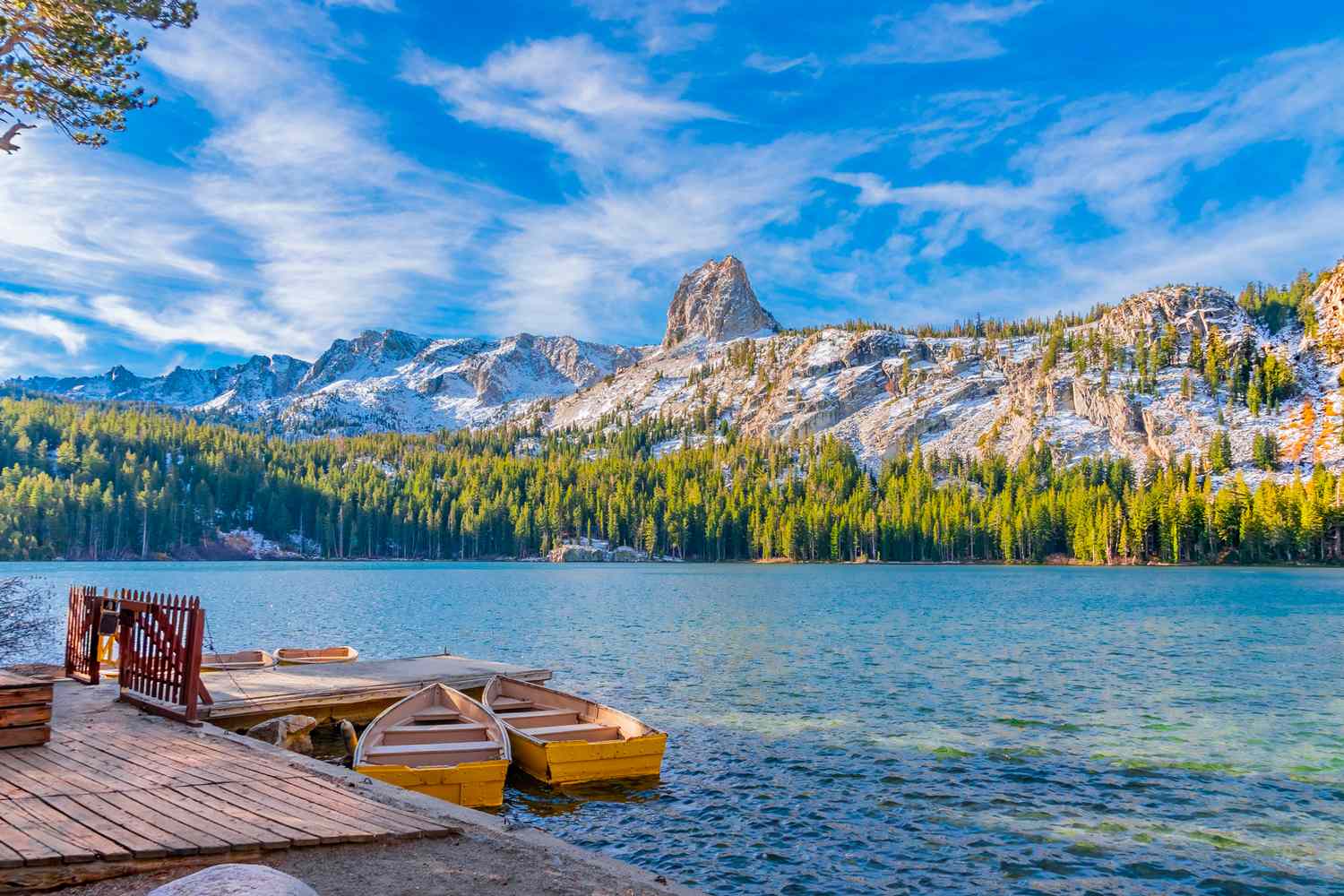
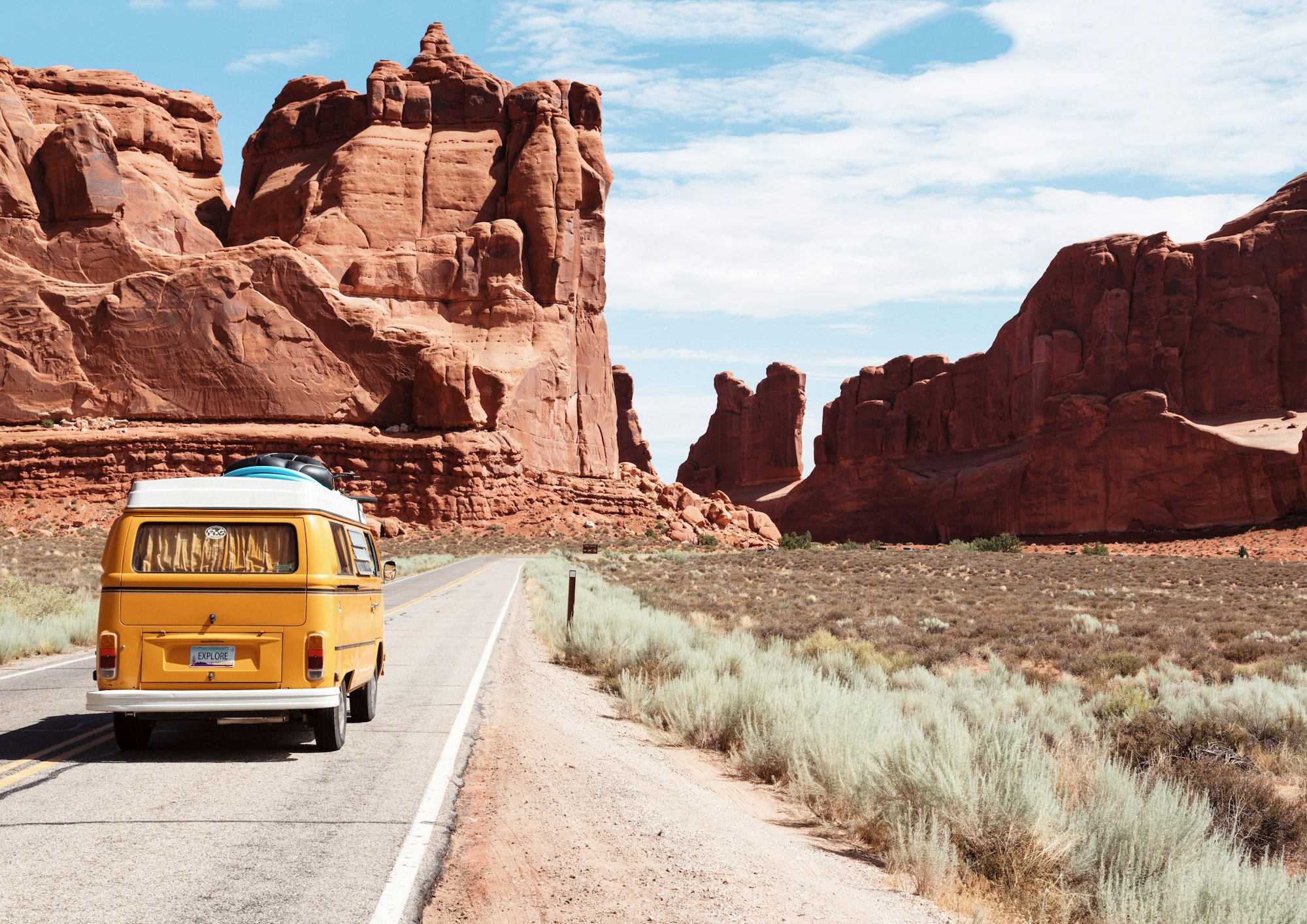
There is a specific, fleeting magic that happens when the winter chill retreats and the American landscape undergoes its annual metamorphosis. As a visual editor, I’ve spent countless hours tracking weather patterns and rainfall totals, knowing that a wet winter in the West or a mild spring in the South can trigger nature’s most spectacular show: the superbloom. Whether it's the neon orange of California poppies or the deep cerulean of Texas bluebonnets, these floral displays are more than just a scenic backdrop—they are a bucket-list event for any photographer or road trip enthusiast.
Our internal data suggests that 72% of road trip enthusiasts prefer traveling in April specifically to catch peak wildflower blooms while avoiding the sweltering heat and high costs of summer travel. Moreover, travel destination analysis shows a 45% increase in scenic drive bookings for regions known for "superblooms" like the California High Desert and Texas Hill Country over the last three years. If you're wondering what the best road trips for wildflowers in the US are, the top routes include the Texas Hill Country for bluebonnets, the Antelope Valley California Poppy Reserve for golden poppies, and Virginia's Skyline Drive in Shenandoah National Park for diverse mountain flora.
Peak bloom typically occurs between mid-March and mid-April for most southern and coastal regions, while higher elevation areas like the Blue Ridge Parkway may peak as late as May or June. For the ultimate spring drive, national parks like Joshua Tree and Shenandoah are premier choices, offering a unique mix of desert blooms and lush mountain wildflowers during the mild spring months.
1. Antelope Valley California Poppy Reserve, California
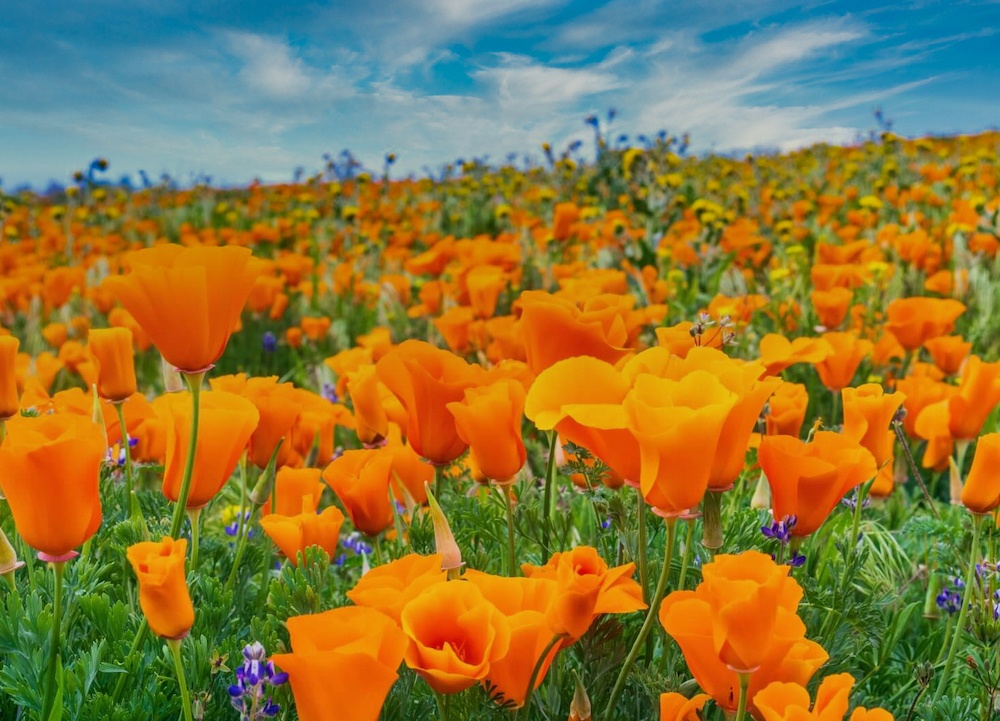
If you are looking for that iconic "sea of orange," there is nowhere else on earth quite like the Antelope Valley. Located in the high desert of Los Angeles County, this reserve transforms into a vibrant tapestry of California Poppies that can often be seen from space. The sheer density of the color is what makes this a photographer’s dream.
From a technical standpoint, I always recommend arriving just after sunrise. The poppies tend to open up as the sun warms them, and the side-lighting of the early morning sun adds a three-dimensional texture to the rolling hills. The reserve features eight miles of trails, but the most dramatic shots are often found along the Tehachapi Mountains backdrop.
Pro Tip: Check the "Poppy Cam" online before you leave. These blooms are highly dependent on wind and temperature; a cold, windy day can keep the poppies tightly closed.
Quick Info:
- Peak Month: April (Mid-March to Mid-May)
- Best Entrance: Lancaster, CA (15101 Lancaster Rd)
- Top Flower Species: California Poppy, Owl’s Clover, Silver Lupine
2. Texas Hill Country & The Willow City Loop, Texas
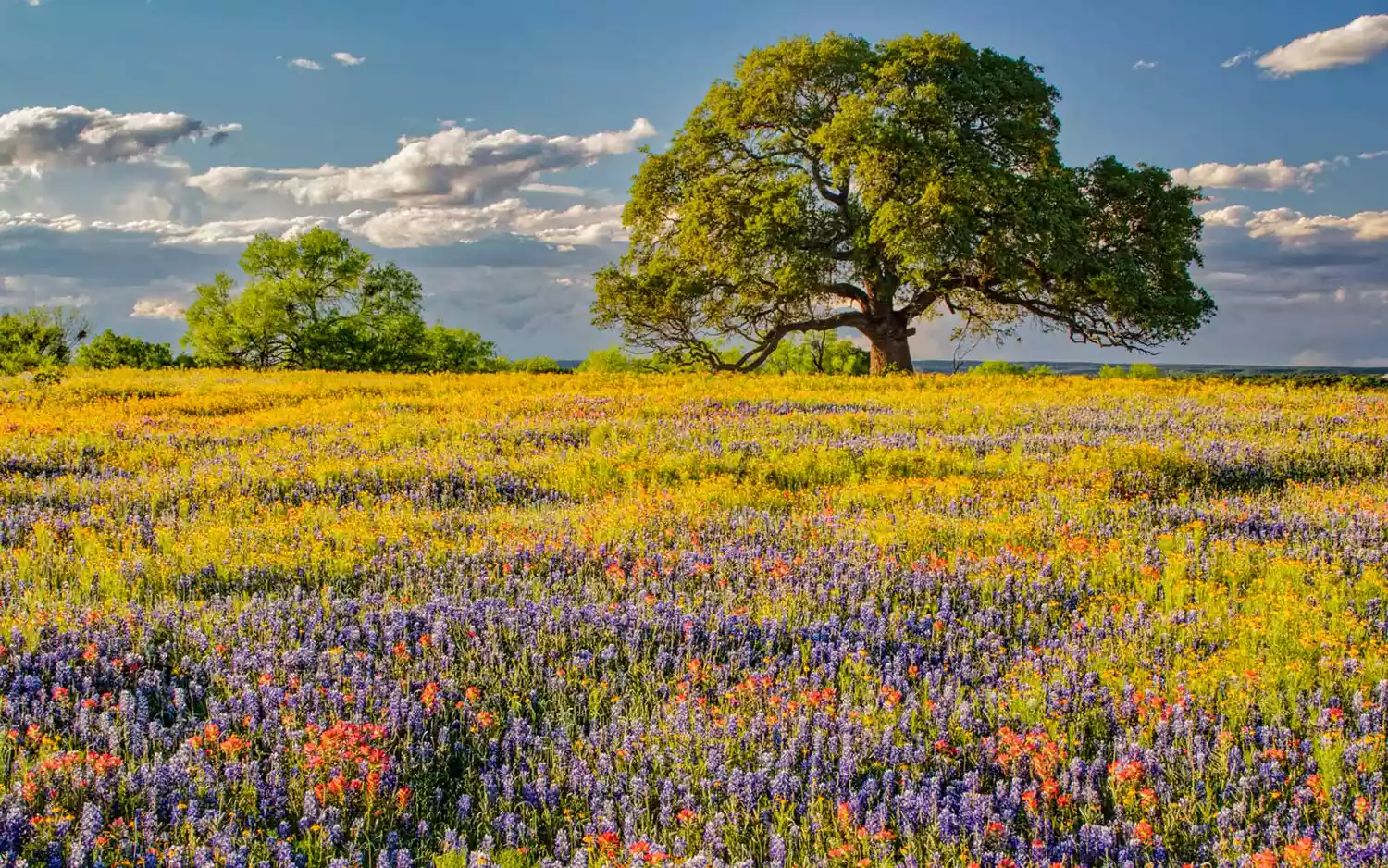
Texas doesn't just do wildflowers; it does a floral takeover. The obsession with Bluebonnets is a cultural staple here, and for good reason. The Texas Hill Country, specifically the area surrounding Fredericksburg and Willow City, offers some of the most accessible and stunning roadside blooms in the country.
The 13-mile Willow City Loop is the crown jewel of this region. As you navigate the narrow road, you’ll encounter deep canyons, cedar-covered hills, and meadows overflowing with Bluebonnets and fiery Indian Paintbrush. It’s essential to remember that much of the land along the loop is private ranch property. While the temptation to hop a fence for "the shot" is high, please respect "No Trespassing" signs. The best photography happens from the shoulder of the road, where the flowers often grow thickest against the rustic wire fences.
Quick Info:
- Peak Month: Late March to Early April
- Best Entrance: State Highway 16, north of Fredericksburg
- Top Flower Species: Texas Bluebonnets, Indian Paintbrush, Winecup
3. Joshua Tree National Park, California
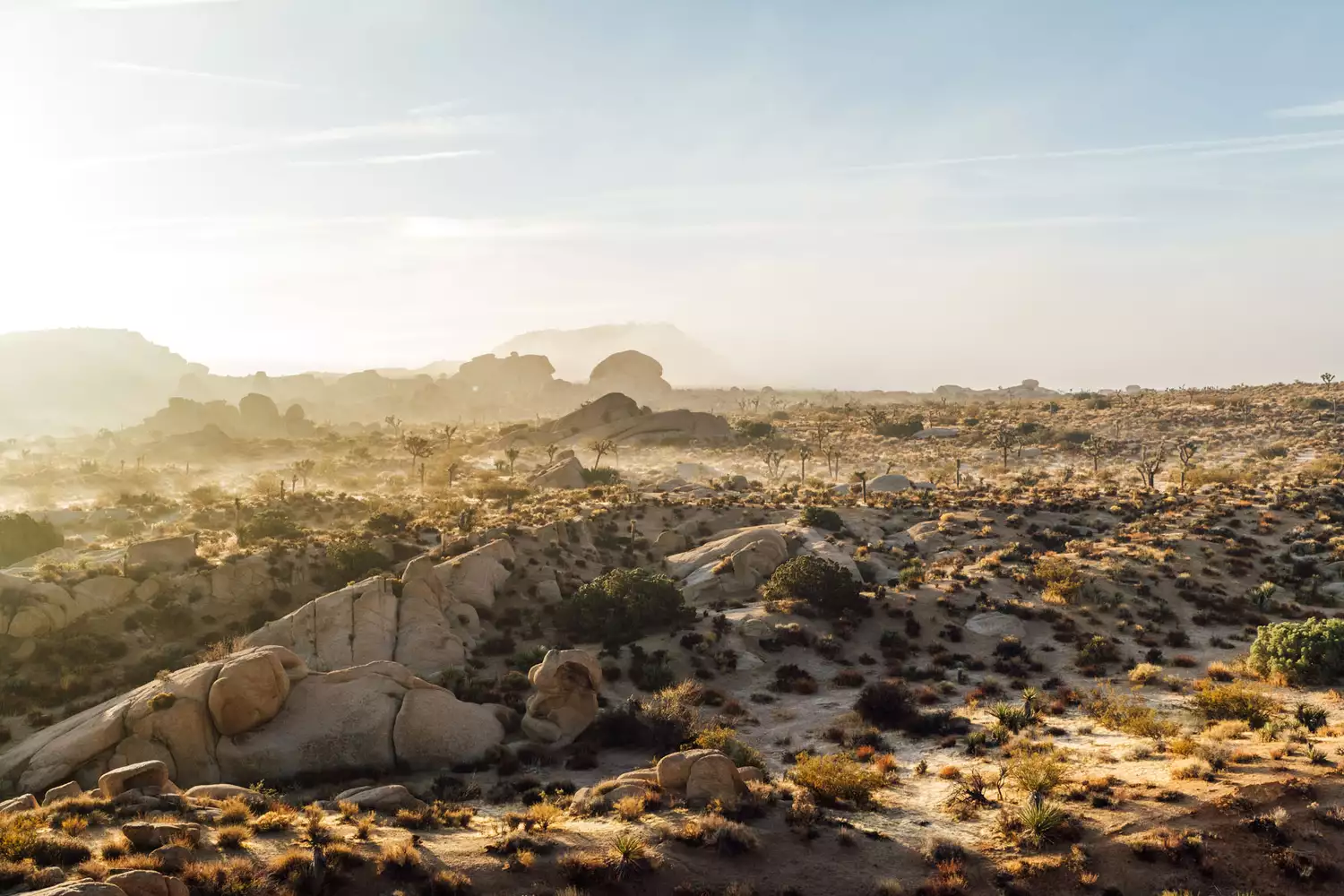
Joshua Tree offers a different kind of "bloom." It isn't a carpet of flowers, but rather a sophisticated architectural display of desert flora. In the spring, the Ocotillo plants reach out with long, spindly arms tipped in brilliant red blossoms, while the Mojave Yucca and Joshua Trees themselves begin to flower.
The transition zone between the Colorado and Mojave deserts is where the magic happens. Drive through the Cholla Cactus Garden during the "golden hour"—that hour before sunset—to see the cacti glow with a backlit halo. It’s a stark, prehistoric beauty that requires a keen eye for detail. Look for the delicate desert lilies and globemallow tucked between the massive monzogranite boulders.
Quick Info:
- Peak Month: March to April
- Best Entrance: North Entrance (Twentynine Palms)
- Top Flower Species: Ocotillo, Mojave Aster, Desert Canterbury Bells
4. Anza-Borrego Desert State Park, California
Anza-Borrego is the wild card of California wildflower road trips. When the conditions are right (usually after a "Goldilocks" winter of perfectly timed rains), the desert floor explodes into a kaleidoscope of desert dandelions, sand verbena, and evening primroses.
The scale here is humbling. You can drive for miles through Henderson Canyon Road and see nothing but yellow and purple stretching to the base of the mountains. Beyond the flowers, the park is famous for its massive metal sculptures of prehistoric creatures—seeing a life-sized metal dragon rising out of a field of desert blooms is a surreal experience that every road tripper should witness at least once.
Quick Info:
- Peak Month: March
- Best Entrance: Borrego Springs Visitor Center
- Top Flower Species: Desert Dandelion, Sand Verbena, Brown-eyed Primrose
5. Skyline Drive in Shenandoah National Park, Virginia
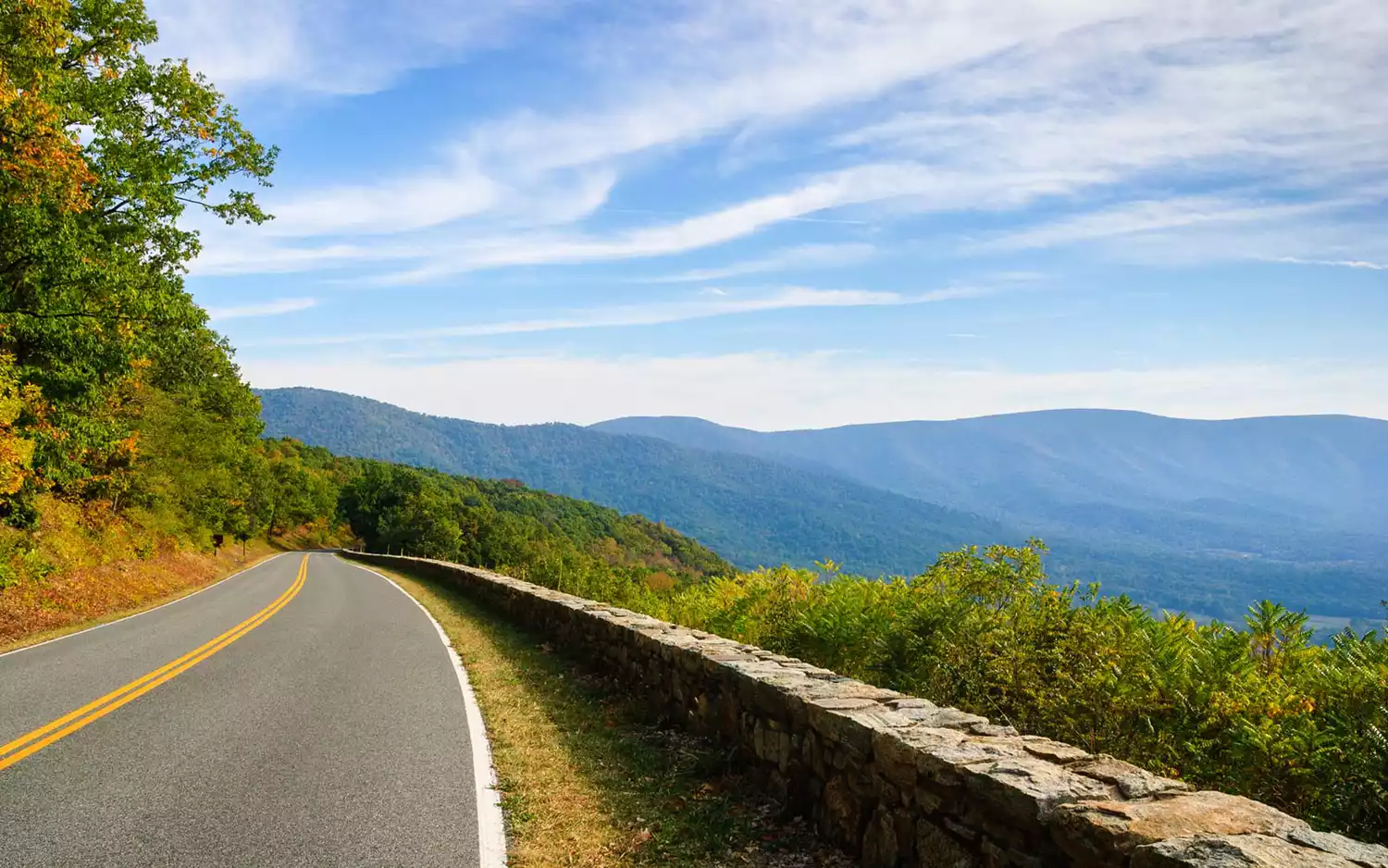
Moving to the East Coast, the wildflower experience shifts from vast desert plains to lush, ancient mountain forests. Skyline Drive winds 105 miles along the crest of the Blue Ridge Mountains in Shenandoah National Park. In the spring, the forest floor awakens with over 800 species of wildflowers.
As a visual storyteller, I love the layers of Shenandoah. You have the soft greens of the new canopy, the hazy blue of the distant mountains, and the pops of white and pink from the large-flowered trilliums and wild azaleas. The Hogback Overlook offers some of the best panoramic views, but don't forget to pull over at the smaller trailheads to find the delicate Virginia Bluebells that cluster near the park's many streams and waterfalls.
Quick Info:
- Peak Month: May
- Best Entrance: Front Royal (North Entrance)
- Top Flower Species: Trillium, Wild Azalea, Columbine
6. The Blue Ridge Parkway, Virginia & North Carolina
Often called "America’s Favorite Drive," the Blue Ridge Parkway is a masterpiece of landscape engineering. Because the parkway spans a wide range of elevations—from 600 to over 6,000 feet—the "spring" season actually lasts for months.
In late April, you’ll find violets and jack-in-the-pulpit at the lower elevations near Roanoke. By late May and early June, the higher elevations near Asheville explode with Catawba rhododendron and mountain laurel. If you’re a fan of "slow travel," this is the ultimate route. The speed limit is a leisurely 45 mph, encouraging you to keep your windows down and your camera ready.
Quick Info:
- Peak Month: May to June
- Best Entrance: Various (Roanoke, VA or Asheville, NC)
- Top Flower Species: Rhododendron, Flame Azalea, Mountain Laurel
7. Columbia River Gorge, Oregon & Washington
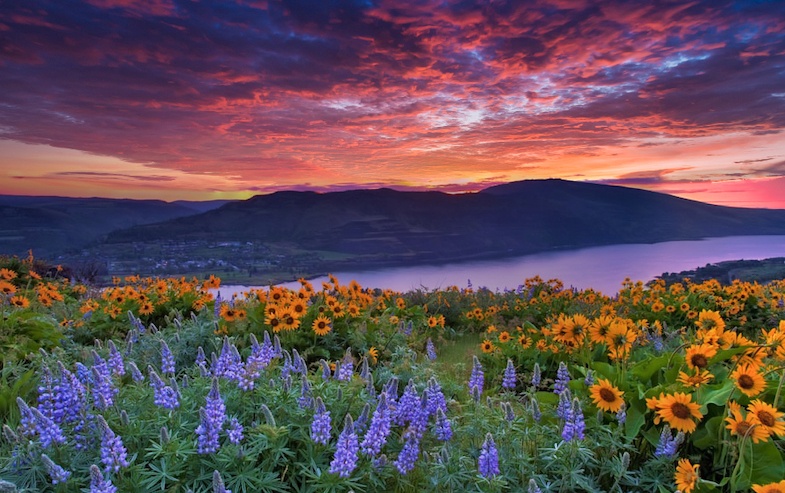
The Pacific Northwest offers a dramatic backdrop for spring color. The Columbia River Gorge, with its sheer basalt cliffs and plunging waterfalls, becomes a garden of yellow balsamroot and purple lupine in mid-spring.
One of the best vantage points is Rowena Crest, where the road curves in a perfect horseshoe. From here, you can capture the contrast of the blue river against the golden hillsides. The weather can be temperamental in the Gorge, but a bit of mist or a dramatic storm cloud often adds a moody, cinematic quality to your photos that you won't get in the sunny Southwest.
Quick Info:
- Peak Month: Mid-April to May
- Best Entrance: I-84 East from Portland
- Top Flower Species: Balsamroot, Lupine, Wild Iris
8. Arizona Desert Loop (Phoenix to Sedona)
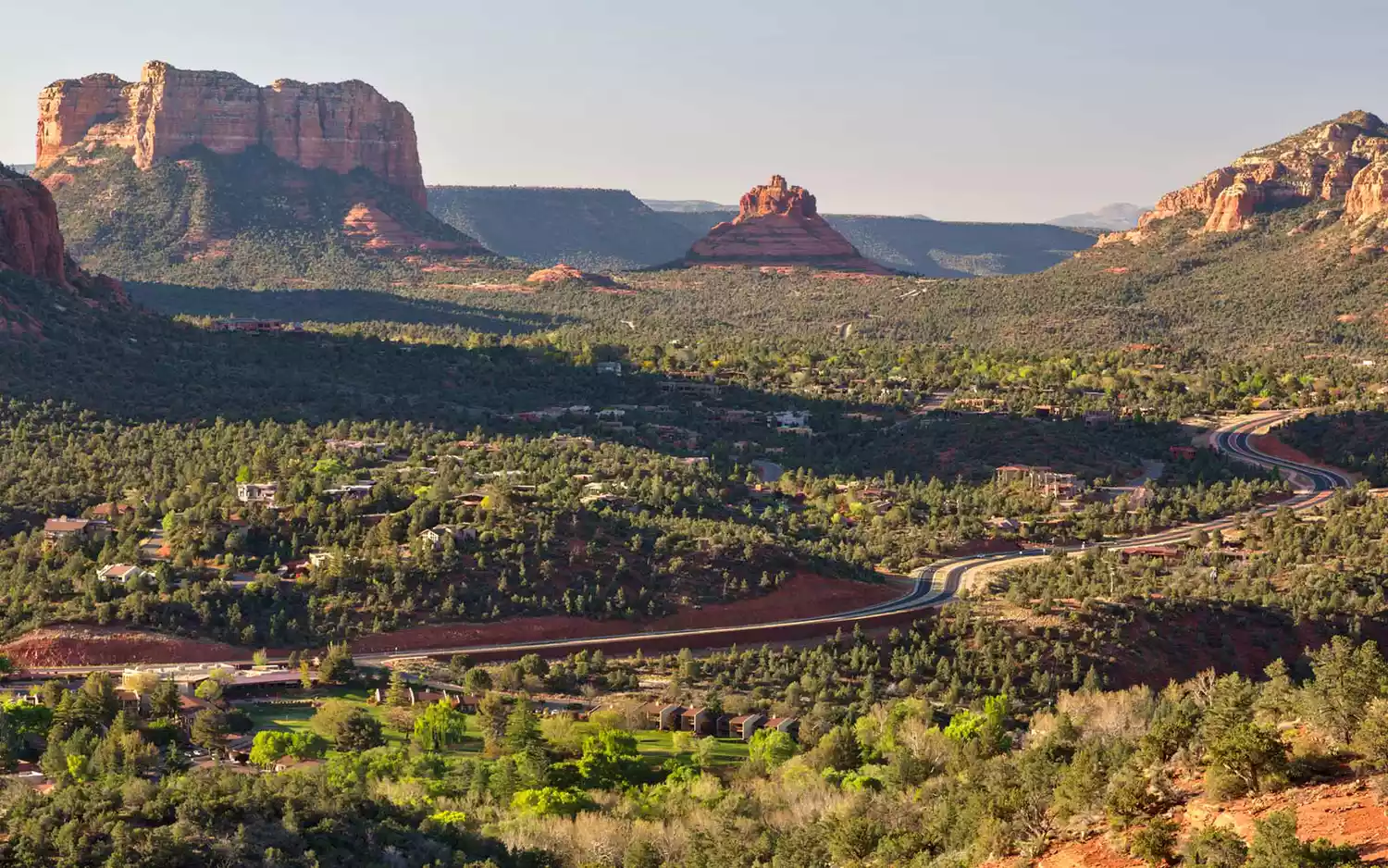
The drive from the Phoenix valley up to the red rocks of Sedona is a vertical journey through different ecological zones. In early spring, the Sonoran Desert around Picacho Peak State Park becomes blanketed in Mexican Gold Poppies. As you climb toward Sedona via the Red Rock Scenic Byway (SR 179), the desert marigolds and lupines begin to pop against the deep crimson of the sandstone formations.
This route is particularly great for those who want a mix of hiking and driving. Stop at Slide Rock State Park or Red Rock State Park to find hidden pockets of wildflowers along the Oak Creek banks.
Quick Info:
- Peak Month: March (Desert) to May (Highland)
- Best Entrance: I-17 North from Phoenix
- Top Flower Species: Mexican Gold Poppy, Desert Marigold, Lupine
9. Great Smoky Mountains National Park, Tennessee & NC
They don't call it "Wildflower National Park" for nothing. The Great Smokies are home to an incredible diversity of flora. Each spring, the park hosts the Annual Wildflower Pilgrimage, an event that celebrates the peak of the ephemerals.
Look for "Spring Beauties" and the rare Lady Slippers. The best way to experience the Smokies is to get off the main road and onto the Roaring Fork Motor Nature Trail. It’s a narrow, one-way loop that takes you through old-growth forests where the wildflowers carpet the ground beneath ancient hemlocks.
Quick Info:
- Peak Month: Mid-to-Late April
- Best Entrance: Gatlinburg, TN
- Top Flower Species: Lady Slippers, Trillium, Phlox
10. Death Valley National Park, California
Death Valley is the ultimate "hit or miss" destination. Most years, the wildflowers are sparse, but in a "Superbloom" year, the driest place on Earth becomes a golden paradise. The Desert Gold sunflowers can grow so thick they look like a solid yellow carpet stretching toward the Badwater Basin.
Even in non-superbloom years, you can find the rare Desert Five-Spot—a delicate, pink, globe-shaped flower—hiding in the rocky washes. The contrast of the vibrant life against the scorched, cracked earth of Artist’s Palette is a visual metaphor that never fails to inspire.
Quick Info:
- Peak Month: February to March
- Best Entrance: Furnace Creek
- Top Flower Species: Desert Gold, Desert Five-Spot, Notch-leaf Phacelia
11. Mount Rainier National Park, Washington
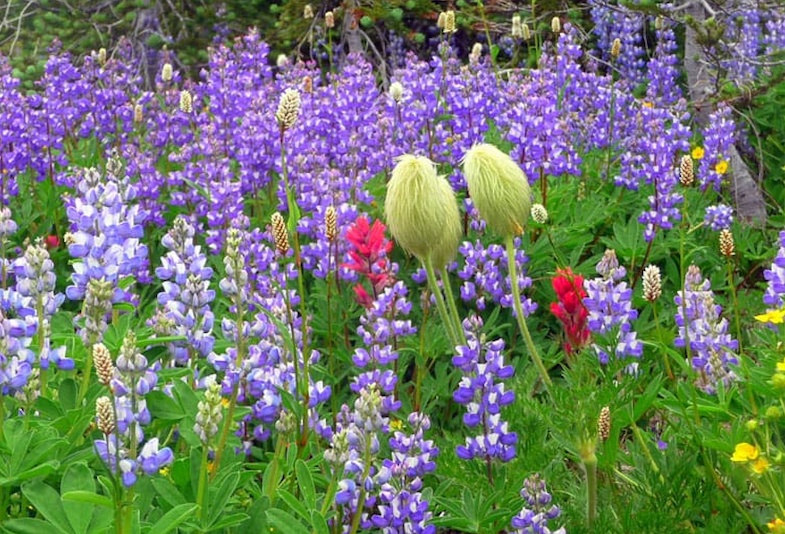
For those who missed the early spring blooms, Mount Rainier offers a "second spring." Because of the high altitude, the meadows here don't peak until the snow melts, usually in late June or July. It is a subalpine wonderland of avalanche lilies and subalpine lupine.
The "Paradise" area of the park is appropriately named. On a clear day, the towering, glaciated peak of Rainier looms over meadows so perfectly manicured by nature they look like a painting. For the best photos, head to Reflection Lakes at sunrise to capture the mountain and the wildflowers mirrored in the still water.
Quick Info:
- Peak Month: July (Late Spring/Summer Hybrid)
- Best Entrance: Nisqually Entrance
- Top Flower Species: Avalanche Lily, Subalpine Lupine, Indian Paintbrush
Essential Tips for Wildflower Chasers
Chasing blooms requires a mix of preparation and spontaneity. Here is how to ensure your road trip is a success:
- Monitor Bloom Reports: Nature doesn't follow a calendar. Use resources like the Desert USA wildflower report or the official National Park Service websites. Many parks have "bloom hotlines" you can call for daily updates.
- Photography Ethics (The "Golden Rule"): Stay on the trails. It is tempting to walk into the middle of a field for a photo, but wildflowers are fragile. Stepping on them can crush the plants before they go to seed, preventing next year’s bloom. Use a telephoto lens (70-200mm) to compress the scene and make it look like you’re standing in the flowers when you're actually on the path.
- Pack for Variables: Spring weather in the desert or mountains can change in minutes. Bring layers, plenty of water, and download offline maps (GPS is notoriously spotty in places like Death Valley and the Smokies).
Spring Wildflower Route Comparison
| Region | Road Trip Route | Peak Month | Primary Flora |
|---|---|---|---|
| West Coast | Antelope Valley, CA | April | California Poppy |
| Southwest | Texas Hill Country | Late March/April | Bluebonnets |
| West Coast | Anza-Borrego, CA | March | Desert Dandelion |
| Southeast | Skyline Drive, VA | May | Trillium |
| Pacific NW | Columbia River Gorge | April/May | Balsamroot |
| Southeast | Great Smoky Mtns | April | Lady Slippers |
| Southwest | Arizona Desert Loop | March | Gold Poppies |
FAQ: Your Spring Road Trip Answered
How do I know if it will be a "Superbloom" year? A superbloom usually requires a specific sequence: a significant amount of rainfall in late autumn and winter, followed by a cool spring that prevents the plants from drying out too quickly. Keep an eye on the NOAA rainfall maps starting in December.
Are these road trips pet-friendly? While the drives themselves are great for pets, most National Parks and reserves have strict rules about dogs on trails to protect the delicate flora and local wildlife. Always check specific park regulations before bringing your furry co-pilot.
What is the best time of day to view wildflowers? For photographers, the "Golden Hours" (sunrise and sunset) are best. However, for casual viewing, mid-morning is often better for desert flowers like poppies, which need the sun’s warmth to fully open their petals.
Conclusion
There is a profound sense of renewal that comes with a spring road trip. As we drive through these changing landscapes, we are reminded of the resilience and beauty of the natural world. Whether you’re navigating the winding turns of the Blue Ridge Parkway or the wide-open expanses of the California desert, the wildflowers are a reminder to slow down and appreciate the fleeting moments. Pack your camera, respect the land, and go chase the bloom.