While air travel often feels like a high-stakes gamble where the house always wins, the reality is that you can significantly tilt the odds in your favor by simply shifting your departure date by a few weeks. We have all seen the "travel armageddon" headlines that dominate the news every June and December—images of stranded passengers sleeping on suitcases and departure boards glowing red with cancellations. Yet, looking at the performance data from the past year, a different story emerges. There are pockets of the calendar where the aviation system operates with surgical precision, and identifying these windows is the single most effective way to protect both your schedule and your wallet in 2026.
According to the latest 2025-2026 flight delay statistics, the delta between a "good" month and a "bad" month is staggering. Choosing to fly in September instead of July reduces your risk of disruption by nearly 13%. When you factor in that August offers price drops of up to 29% compared to the holiday peak, it becomes clear that strategic timing is no longer a luxury—it is a necessity for the modern traveler.
2026 Monthly Performance at a Glance
Before we dive into the nuances of seasonal shifts, let’s look at the raw data. The following table ranks the months based on their projected on-time performance and disruption rates for 2026.
| Month | Disruption Rate (Delays/Cancellations) | Average Reliability Tier | Best For |
|---|---|---|---|
| September | 18.3% | Gold (Best) | On-time performance & Low crowds |
| April | 20.8% | Silver | Spring break stability |
| March | 21.3% | Silver | Predictable domestic schedules |
| October | 22.5% | Silver | Fall foliage & Mild weather |
| November | 24.1% | Bronze | Mid-month "Sweet Spot" |
| May | 25.4% | Bronze | Pre-summer efficiency |
| January | 26.8% | Bronze | Post-holiday price drops |
| February | 27.2% | Caution | Managing winter storm risks |
| August | 28.5% | Caution | Maximum Budget Savings |
| December | 30.1% | High Risk | Holiday surge management |
| June | 30.2% | High Risk | Peak summer storm window |
| July | 31.1% | Critical (Worst) | Avoiding the "Summer Meltdown" |
The Golden Window: Best Months for On-Time Performance
If your primary goal is to arrive exactly when the itinerary says you will, September is the undisputed champion. Data shows a record-low disruption rate of 18.3% for the month. Why? Once the Labor Day rush subsides, the "shoulder season" begins. The intense pressure on airline staffing and airport infrastructure eases, and the volatile summer thunderstorms that plague the Midwest and East Coast begin to dissipate.
Following closely are April (20.8%) and March (21.3%). These months represent a "sweet spot" in the aviation calendar. By early spring, the severe winter blizzards have usually finished, and the chaotic heat-induced thunderstorms of summer haven't yet begun. Airlines typically have their highest "completion factors" during these windows—meaning that even if a delay occurs, the flight is rarely cancelled entirely.
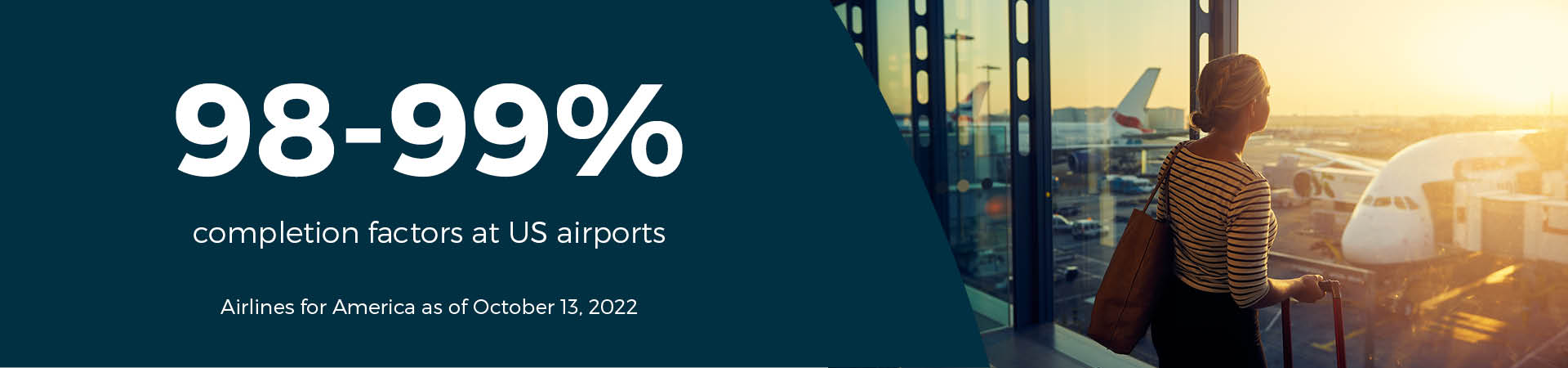
In real-life terms, flying in the shoulder season offers a 99% completion factor. For business travelers or those with non-refundable cruise or tour connections, these months provide the highest level of insurance that money can't buy.
James Wright’s Pro-Tip: If you are booking a milestone trip like a honeymoon or a high-stakes business meeting, aim for the second Tuesday or Wednesday of September. Not only is the system at its most stable, but the lack of "revenge travel" crowds means the TSA lines at hubs like Atlanta (ATL) or Los Angeles (LAX) are at their annual minimum.
The Danger Zone: Worst Months for Flight Disruptions
On the flip side, the summer months of July (31.1%) and June (30.2%) remain the most treacherous for air travelers. While many blame "oversold flights," the actual culprits are often weather and volume. High temperatures reduce aircraft lift, requiring weight restrictions or grounded flights, and the sheer volume of passengers means that when one gear in the machine breaks, the entire system grinds to a halt.
December (30.1%) rounds out the bottom three. While winter weather is a factor, the primary driver here is the holiday surge. The system is pushed to 105% capacity, leaving zero "buffer" for mechanical issues or crew timing out.
Specific dates in 2026 to watch out for include:
- May 22: The kickoff to Memorial Day weekend.
- July 3: The pre-Independence Day surge.
- August 29: The Labor Day mass-exodus.
Data from 2025 showed that the single most disruptive day for air travel was November 9, where a combination of technical glitches and a government shutdown impacted 49.9% of all travelers. Always check the geopolitical and labor landscape before booking around major federal holidays.
2026 Pricing Report: When to Book for Maximum Savings
While September wins for reliability, August is the king of affordability. For budget-conscious travelers, flying in August can offer savings of up to 29% compared to traveling in December. This is largely due to the "back-to-school" slump where families stop booking long-haul vacations, forcing airlines to slash prices to fill seats.
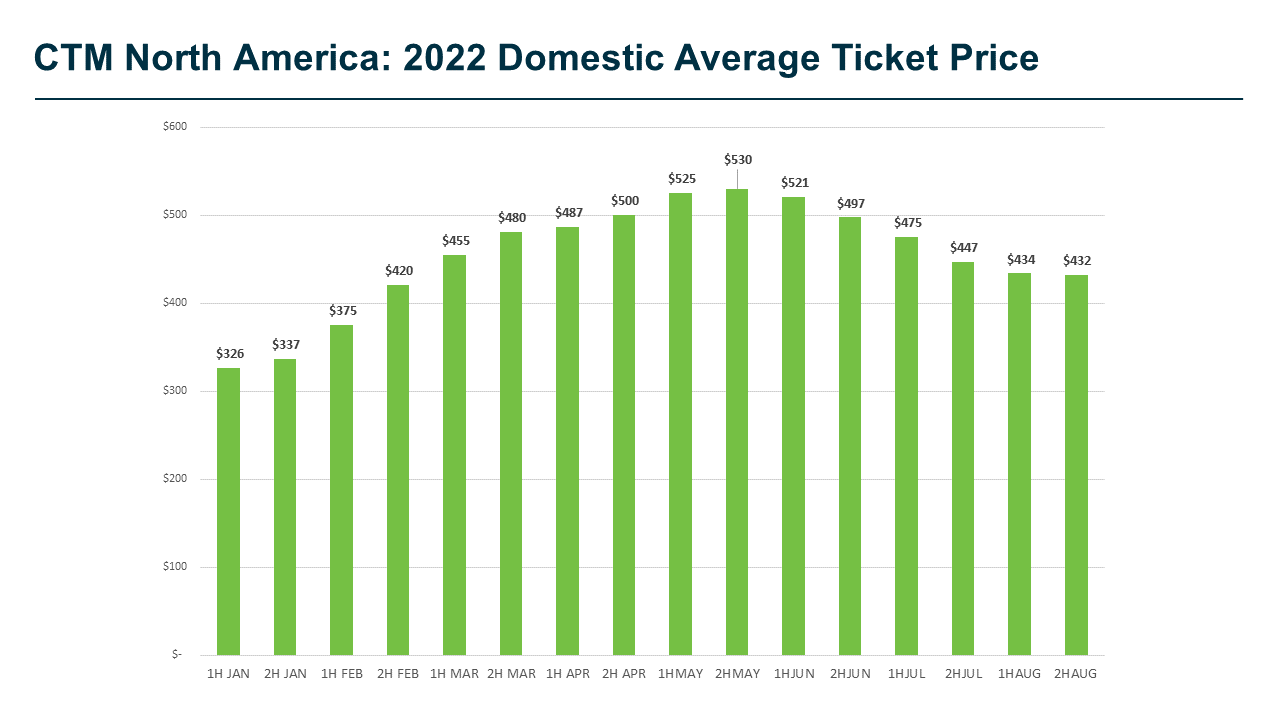
Another significant "price floor" occurs in January. Once the New Year’s Eve travelers return home, domestic ticket prices for US travel often plummet. If you are planning a cross-country trip to visit family or a quick weekend getaway, the window between January 10th and February 10th is consistently the cheapest month to fly domestic.
The New 'Air Hacks' for 2026
The old "Rule of Thumb" that you must book on a Tuesday at midnight to get the best deal is officially dead. The 2026 travel landscape is defined by new algorithms and shifting consumer behavior.
Friday is the New Power Day
In a surprising shift, Friday has replaced Tuesday as the most advantageous day to both book and fly. Recent data suggests an average of 8% savings for those who book on a Friday. Why? Airlines have adjusted their dynamic pricing to target business travelers on Mondays and leisure searchers on Sundays. Friday has become the "quiet window" for fare updates.
Shorter Booking Cycles
We are seeing a radical shift in how far in advance travelers should book.
- Domestic (US): The optimal window has shrunk to 15–30 days. Booking six months out for a flight from New York to Chicago often results in paying a "security premium."
- International: The window is even tighter, remarkably, at 8–15 days for the absolute lowest last-minute inventory dumps, though 60 days remains the "safe" zone for guaranteed seating.
The Midweek Crowd Escape
While Friday is the "Power Day" for pricing, Tuesday remains the least busy day to actually navigate the terminal. If you suffer from airport anxiety or want to ensure your "Microcation" (the 2026 trend of ultra-short 2-day trips) starts smoothly, a Tuesday morning departure is your best defense against the crowds.
Airport & Infrastructure Watch
Where you fly is just as important as when you fly. Our 2025 data analysis identifies Newark Liberty International (EWR) as the most disruptive U.S. airport, with 29.1% of passengers experiencing issues. Chicago O’Hare (ORD) and Florida’s major hubs also remain high-risk areas due to volume and weather sensitivity.
2026 Power Rule: If you are flying through a high-disruption hub like EWR, always book the first flight of the day (before 8:00 AM). Delays are cumulative; a morning flight has a much higher chance of departing on time before the "domino effect" of the day’s schedule takes hold.

Staffing remains a wildcard. While TSA pay equity and new fleet rejuvenations (more fuel-efficient, reliable planes entering service in 2026) are helping, Air Traffic Control (ATC) shortages still persist in key corridors. This means that even in "good" months like September, a single staffing shortage at a regional ATC center can trigger a ground stop.
Pro-Tips for Stress-Free Travel
As we move through 2026, the gap between "informed travelers" and "frustrated travelers" continues to widen. Here are three ways to ensure you stay in the former group:
- The Rise of 'Microcations': Instead of one massive 14-day trip in July, travelers are opting for multiple 3-day trips in the shoulder seasons (March, April, October). This diversifies your "disruption risk."
- Master the DOT Dashboard: If your flight is delayed or cancelled due to "controllable" reasons (mechanical, staffing), you are entitled to specific compensations.
- Carry-on Only: In peak months like June and December, the probability of luggage being misplaced during a "re-accommodation" (when you're moved to a new flight after a delay) increases by 40%. Keep your essentials with you.
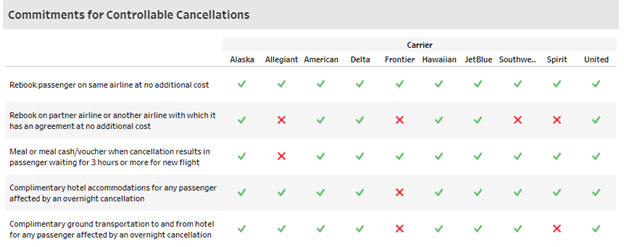
Using tools like the DOT Dashboard allows you to see exactly which airlines guarantee hotel vouchers and meal tickets. In 2026, this transparency is your strongest leverage when standing at a crowded gate counter.
FAQ
Q: Is it better to book a morning or evening flight to avoid delays? A: Morning is always superior. Data shows that flights departing before 8:00 AM have a 15% higher on-time arrival rate than those departing after 3:00 PM, primarily because the aircraft is already at the gate from the night before and hasn't been affected by the day's compounding delays.
Q: Does travel insurance actually cover "seasonal" delays? A: Most "comprehensive" policies cover weather-related delays if they exceed a certain timeframe (usually 6-12 hours). However, always look for "Cancel for Any Reason" (CFAR) add-ons if you are traveling during high-risk months like July or December.
Q: Are budget airlines more prone to delays during peak months? A: Not necessarily. While budget carriers have fewer "recovery" options (fewer alternative flights if one is cancelled), their point-to-point models can sometimes avoid the massive hub-and-spoke meltdowns that paralyze major legacy carriers during storms.
Final Verdict: If you want the most seamless experience 2026 has to offer, set your sights on September. You will enjoy the best reliability the aviation industry can muster, cooler weather, and significantly lower crowds. If your goal is purely financial, August is your window. Avoid July and December at all costs unless your travel is non-negotiable—the 30%+ disruption rates are a statistical hurdle that even the most seasoned traveler struggles to clear.